

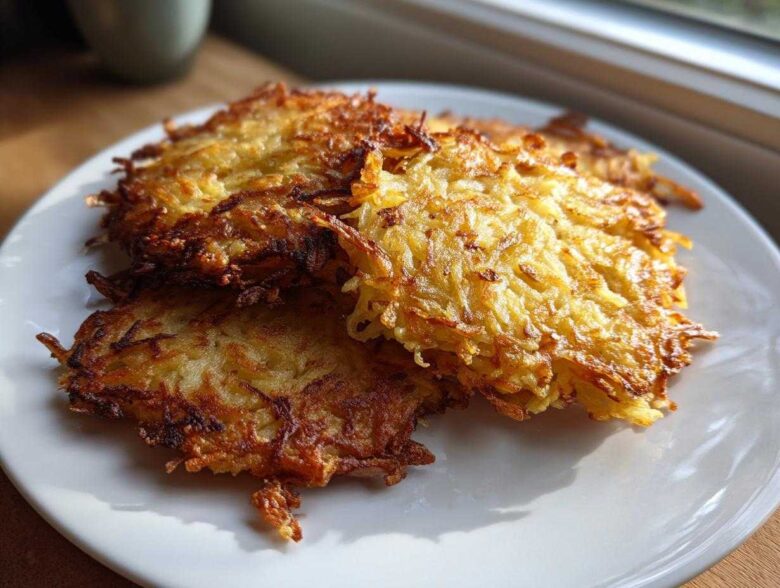
If I told you I found a way to make the crispiest, most flavorful potato fritters that just melt in your mouth, would you believe me? Well, I’m serious! Forget those soggy, sad versions you might have tried before. We’re diving deep into the world of true German comfort food today to master the German Potato Pancakes, or as they’re known in some parts of Germany, Reibekuchen.
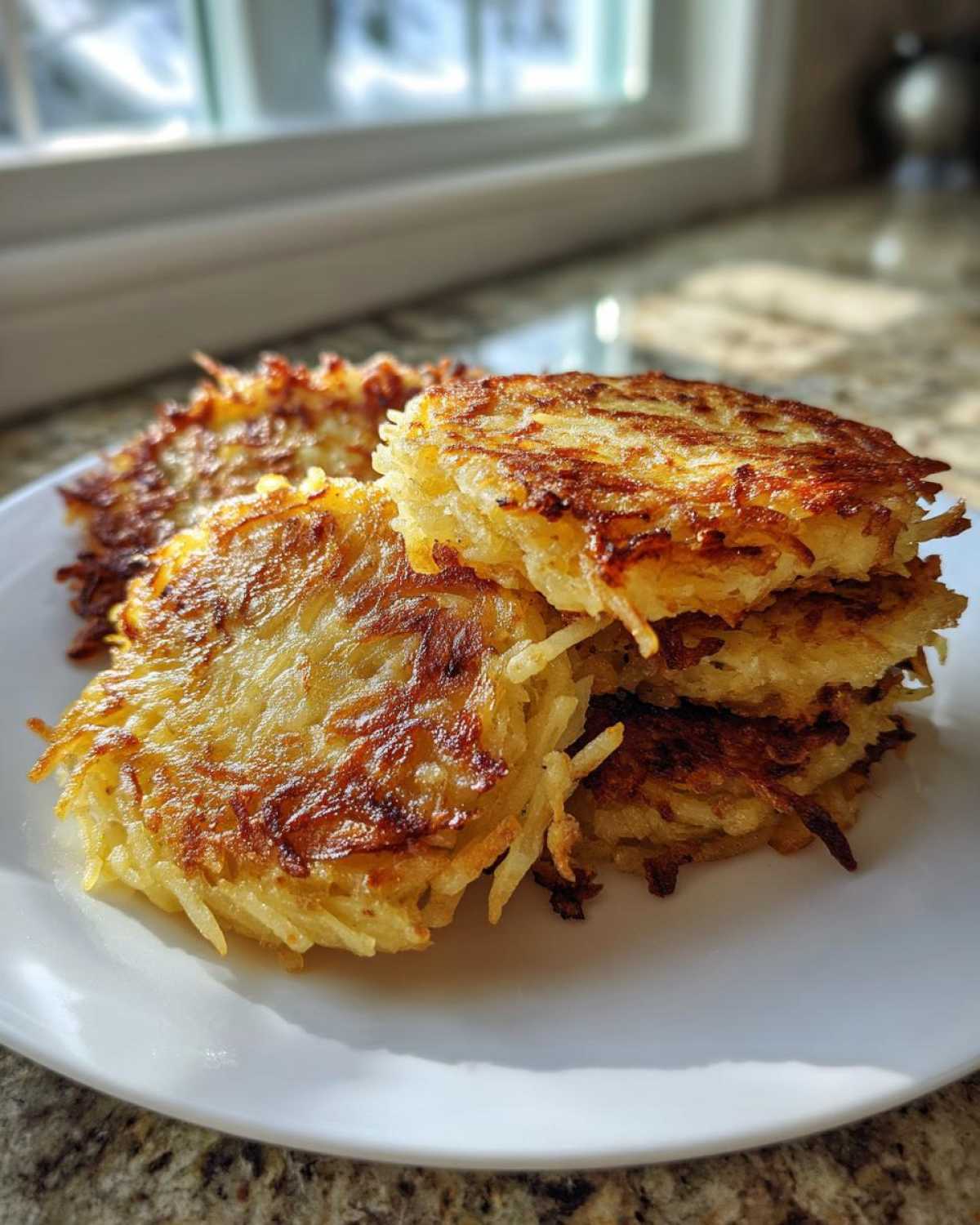
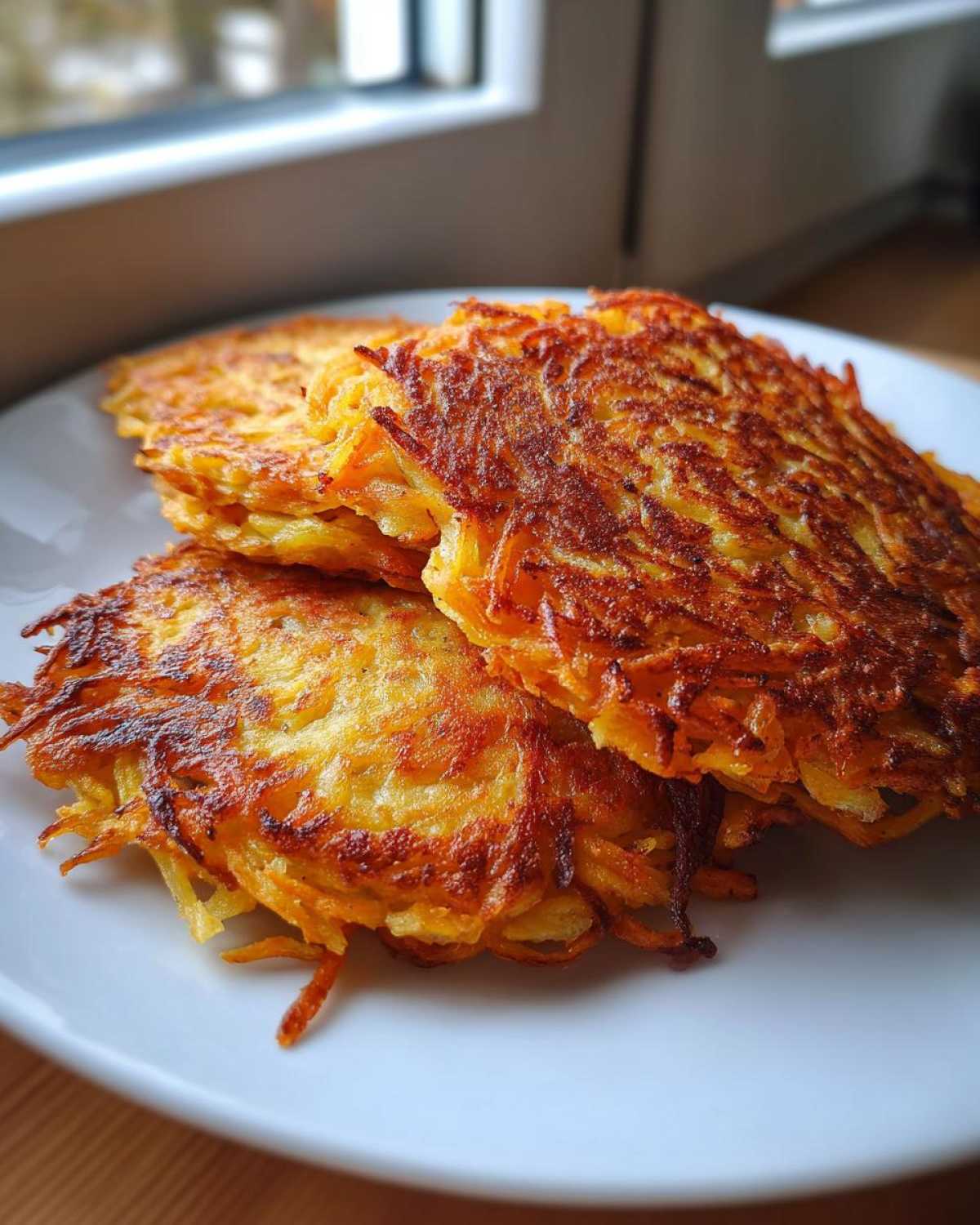
I’ve spent ages trying to nail down the exact technique my German pen pal shared with me years ago. It’s not just about the ingredients; it’s about how aggressively you squeeze the moisture out! Trust me, I learned the hard way that skipping that step results in a potato pancake that lays flat and soaks up oil like a sponge. When you get it right, though? Oh boy. You get those golden, lacy edges that snap when you bite into them, and a tender, potato-y center. This recipe is my absolute best version for making authentic Kartoffelpuffer.
Why You Will Make the Best German Potato Pancakes
Look, there are a million ways to mash potatoes and fry them, but this recipe is different. It’s the result of trial and error, trying to recreate that perfect street fair taste I remember. You need a recipe that guarantees crunch without being greasy. Here’s why you’re going to love making these:
- They achieve an incredible, shatteringly crisp exterior that stays crisp for ages.
- The interior remains soft, warm, and perfectly potato-forward—never gummy.
- We’re using the traditional technique that removes virtually all the water, which is the biggest secret to success.
- This is the easy, scratch-made version of German Potato Pancakes you’ve been looking for.
- The balance of salt and onion is exactly right to cut through the richness of the frying process.
- They come together way faster than you think once you get into a rhythm!
- This method works perfectly whether you smother them in applesauce or go savory.
Seriously, skip the store-bought cardboard versions and try this classic technique. You can find more inspiration on my main blog page right here.
Essential Ingredients for Authentic German Potato Pancakes
You can’t fake authentic flavor, and that means getting the right stuff going into that bowl. For about 12 great pancakes, we’re keeping the list short and sweet. Remember, technique matters more than fancy additions here, but the quality of ingredients is still key!
- 2 lbs starchy potatoes (like Russet), peeled
- 1 medium onion, peeled
- 2 large eggs, lightly beaten
- 1/4 cup all-purpose flour
- 1 teaspoon salt
- 1/4 teaspoon black pepper
- Vegetable oil or lard, for frying
Ingredient Clarity and Preparation Notes
The potatoes are the star, obviously, so don’t mess around! You absolutely need starchy potatoes, like Russets. Those waxy salad potatoes just turn mushy when you grate them. We want starch here because that’s what helps bind everything together once we’ve squeezed out the water. The onion is critical for flavor—it mellows out while frying and adds that classic savory depth. The flour and eggs are just here to hold the grated mess together.
Also, I usually prefer using lard if I can find it for frying; it gives them the *best* traditional flavor, but vegetable oil works totally fine too! Just make sure you have enough—we want them swimming slightly.
Step-by-Step Instructions for Crispy German Potato Pancakes
Okay, this is where the magic actually happens. If you follow these steps exactly, especially the squeezing part, you are halfway to authentic German crispy goodness. Grab your box grater and let’s get messy!
Grating and Removing Moisture: The Secret to Crispy German Potato Pancakes
First things first: grate up those potatoes and that onion using the coarse side of your grater. You want nice shreds, not mush! Next, this is the big one: dump all that grated goodness into a clean, thin kitchen towel or a big piece of cheesecloth. You have to twist that cloth over a big bowl and just wring the snot out of it. I mean it—squeeze until your hands hurt! You’ll be shocked how much water comes out. That water is the mortal enemy of crunch.
Here’s a little trick my friend taught me: if you let the squeezed liquid sit for five minutes, the potato starch settles to the bottom. Carefully pour off the clear water on top and take that nice thick starch you saved? Mix one tablespoon of that starch right back into your dry potato mixture. That’s your secret weapon that helps bind the fritters without adding too much flour!
Mixing the German Potato Pancakes Batter
Once you’ve got your dry, wrung-out shreds, toss them into your mixing bowl. Add the beaten eggs, the flour, salt, and pepper. Now, mix it softly! Honestly, you just want to gently fold everything together until it looks combined. If you start beating this mixture like you’re making cake batter, the potatoes start releasing moisture again, and suddenly, you’ll have gray soup instead of pancake mix standing ready for the pan!
Frying Technique for Perfect German Potato Pancakes
Get a big, heavy skillet hot—medium-high heat is perfect. You want about a half-inch of oil shimmering in there. Remember, these aren’t baking; they are being fried! You want those edges crisping right away. Drop spoonfuls of the batter into that hot oil, but don’t make them too thick. Use the back of your spoon to gently flatten them into roughly 3-inch circles. Don’t crowd the pan, or the oil temp will drop and then you get greasy pancakes!
Fry them for about 4 to 6 minutes on the first side until they are deep, beautiful golden brown. Flip them carefully and do the other side for another 4 to 6 minutes. When they look perfect, pull them out and set them on a wire rack lined with paper towels—never stack them! If you’re making a huge batch, keep the finished ones warming on a baking sheet inside a 200°F oven while you finish the rest. They’ll stay warm and still relatively crisp!
Tips for Success When Making German Potato Pancakes
Even with the best recipe in hand, sometimes things go slightly sideways, right? Don’t sweat it! I’ve got a few extra secrets tucked away for when you’re standing over the hot skillet, trying to coax out that perfect crispness you expect from traditional German Potato Pancakes.
First, seriously consider your heat management. If the oil starts smoking, turn it down immediately! That means you’re burning the outside before the inside is cooked, and that’s a disaster. If your pancakes look pale after four minutes, bump the heat just a tiny bit, but usually, medium-high is your sweet spot. You want that vigorous sizzle, not an angry eruption.
Another huge game-changer is what you use to serve them on right after they come out of the oil. A stack of paper towels makes things soggy fast because the steam gets trapped underneath. I always use a metal wire cooling rack placed over a baking sheet. This lets air circulate all around every pancake, draining the excess oil while keeping them dry and crunchy. It’s a small adjustment, but it makes a huge difference in texture!
And if you’re making these for a crowd, remember that they are best right out of the pan. It’s tough to keep them perfectly crisp, but you can certainly try to refresh them later. If you have leftovers, you can reheat them in the oven at about 375°F for about 8 minutes. I sometimes give them a quick flash in an air fryer if I have one handy, too! Learn more about similar crispy fried recipes here.
Traditional Serving Suggestions for Kartoffelpuffer
Now that you have these beautiful, crispy circles of potato perfection, what are you going to eat them with? This is where the German tradition really shines because you can go totally sweet or wonderfully savory. Don’t just grab any old topping, though; you want the classics that balance out that rich, fried flavor.
Choosing the right accompaniment is crucial. In Germany, you’ll see these sold at festivals and markets, and people usually choose one path—sweet or savory—and stick to it! This is the section where we talk about the best serving suggestions for Kartoffelpuffer.
Classic Sweet Pairings for German Potato Pancakes
When I think of the sweet route, it all comes back to applesauce—*Apfelmus*! It’s not just any applesauce, though; it needs to be slightly tart to cut through the fat. If you want to make a homemade batch that’s perfect for dipping, you can check out my recipe for moist applesauce here. It’s fantastic!
If you aren’t making homemade applesauce, just grab a good quality smooth version. Another simple, old-school option is just dusting the hot pancakes with a fine layer of plain white sugar or mixing that sugar with a little bit of cinnamon just before serving. The heat makes the sugar melt slightly, and it’s pure heaven!
Savory Options for German Potato Pancakes
If you prefer the savory route, things get really interesting! The most common accompaniment alongside applesauce is a big dollop of sour cream. It’s cool, tangy, and just perfect nestled on top of a hot, crisp pancake. But let’s talk about the real heavy hitters for savory options for German potato pancakes.
My absolute favorite way to serve these is with Quark—it’s a fresh cheese, similar to a very thick yogurt, maybe a bit like crème fraîche but milder. You can thin it slightly with a tiny bit of milk and season it well with salt and chives. Seriously, try that; it’s restaurant quality right at home. For a real festive treat, you can even top them with thinly sliced smoked salmon and a small caper—it turns a humble potato pancake into an elegant appetizer!
Storage and Reheating German Potato Pancakes
So, you made way too many because they are dangerously delicious? Happens to the best of us! Storing these properly is important because, unlike regular pancakes, these are full of moisture that will make them soggy overnight if you aren’t careful.
If you have leftovers that you want to keep for a day or two, the absolute key is airflow. Do NOT stack them up in a plastic container. They will steam themselves to mush! Instead, let them cool completely first, and then spread them out on a rimmed baking sheet lined with a paper towel. Cover that sheet loosely with plastic wrap or foil and pop it in the fridge. This keeps them dry enough to survive until tomorrow.
Now, reheating them is the true test. Microwaving them is an absolute no-go; that introduces steam and softens them right back up. You want back to crispiness! The best way is definitely in the oven, just like I mentioned briefly before. Set your oven to 375°F, place the pancakes in a single layer directly onto a baking sheet (no need to grease it), and let them bake for about 8 to 10 minutes.
Check them after 8 minutes. You’re looking for them to heat all the way through and for the edges to start sounding crisp again when you tap them lightly. If you’re feeling extra fancy, you can even give them a 2-minute blast in the air fryer if you own one—that usually works even faster and gets them perfect!
Frequently Asked Questions About German Potato Pancakes
I know when you start cooking something this classic, you inevitably have a few last-minute questions bubbling up. Don’t worry, that’s totally normal! I’ve gathered the questions that pop up most often when people are trying to make the best German potato pancakes recipe at home. Hopefully, these clear things up so you can get frying!
What is the difference between Kartoffelpuffer and Reibekuchen?
This is such a fun one, and it really just comes down to where you are in Germany! Honestly, they are the same beautiful dish. *Kartoffelpuffer* is the most common term you’ll hear in my experience, especially in the southern and central regions. But around the Rhineland and in the west, you’ll hear people call them *Reibekuchen*—which literally means “grated cake” or “grated scraps,” which is pretty funny when you look at the shreds! So don’t get confused; whether you call them Kartoffelpuffer or Reibekuchen, you’re making my favorite German classic street food pancakes!
Can I make German Potato Pancakes ahead of time?
You technically can prepare the mixture ahead of time, but I really, really advise against it if you want that amazing crispness. Once shredded potatoes sit, they start oxidizing (turning gray) and releasing water again, even if you squeeze them out. If you absolutely must prep ahead, try to grate and squeeze them no more than 30 minutes before you plan to fry, and keep them covered tight in the fridge. You’ll probably need to squeeze them *again* right before mixing in the eggs and flour. For the absolute best results, make these from scratch every time when you want that perfect texture!
If you’re looking for more behind-the-scenes tips on perfecting techniques, check out my general recipe thoughts over at my main blog hub!
Estimated Nutritional Data for German Potato Pancakes
Okay, let’s talk briefly about the numbers, because while these are pure comfort food, it’s helpful to know what you’re dealing with! I should be crystal clear here: since we’re frying them and using ingredients like potatoes and oil, these values are always going to be estimates. How much oil they soak up definitely changes things, right? My numbers below are based on frying them until they are crispy—not greasy—and usually come out to about 12 pancakes total according to the recipe proportions.
This is just a guide, so please don’t stress too much over it. These are classic, traditional joys, not diet food! But for those of you who like to track things, here’s a general breakdown for one of these amazing potato fritters:
- Serving Size: 1 pancake
- Calories: 120
- Fat: 7g (including about 2g Saturated Fat)
- Carbohydrates: 13g
- Protein: 3g
- Sugar: 1g
- Sodium: 150mg
See? Mostly complex carbs from the potatoes and a bit of fat from the frying oil. If you drain them really well on that wire rack (like I showed you!), you definitely keep those fat and calorie counts lower than if you let them sit and soak. Enjoy them hot, with a side of applesauce, and don’t worry about the details too much!
Share Your Homemade German Classic Street Food Pancakes
Alright, friends, now you have everything you need to make the absolute best, crispiest, most authentic German Potato Pancakes! I really hope you take the plunge and try this recipe soon. I know that squeezing step sounds intense, but seriously, that’s the part that makes all the difference between a good fritter and a truly show-stopping *Kartoffelpuffer*.
Once you pull those golden delights out of the pan, take a minute to appreciate the crunch. Then, slather on that applesauce or pile on the quark! Remember, these are meant to be eaten hot and fresh, whether you call them German Potato Pancakes, Kartoffelpuffer, or Reibekuchen.
I’d be so thrilled if you gave this a try! When you do, please come back and leave a rating or drop a comment below telling me what topping you chose. Did you go sweet or savory? If you’re always looking for authentic scratch recipes like this one, come hang out with me more often over on my main blog. Happy frying, everyone!
PrintAuthentic German Potato Pancakes (Kartoffelpuffer)

Make traditional, crispy German potato pancakes, known as Kartoffelpuffer or Reibekuchen, using this straightforward recipe. Learn the proper technique for grating and squeezing potatoes for the best texture.
- Prep Time: 20 min
- Cook Time: 20 min
- Total Time: 40 min
- Yield: About 12 pancakes
- Category: Side Dish
- Method: Pan Frying
- Cuisine: German
- Diet: Vegetarian
Ingredients
- 2 lbs starchy potatoes (like Russet), peeled
- 1 medium onion, peeled
- 2 large eggs, lightly beaten
- 1/4 cup all-purpose flour
- 1 teaspoon salt
- 1/4 teaspoon black pepper
- Vegetable oil or lard, for frying
Instructions
- Grate the potatoes and the onion using the coarse side of a box grater.
- Place the grated potato and onion mixture into a clean kitchen towel or several layers of cheesecloth.
- Twist the cloth tightly over a bowl and squeeze out as much liquid as possible. This step is crucial for crispiness. Discard the liquid.
- Transfer the dry potato and onion mixture to a large bowl.
- Add the beaten eggs, flour, salt, and pepper to the potato mixture. Mix gently until just combined. Do not overmix.
- Heat about 1/2 inch of oil or lard in a large, heavy-bottomed skillet over medium-high heat until shimmering.
- Carefully drop heaping tablespoons of the potato mixture into the hot oil, flattening them slightly with the back of the spoon to form 3-inch pancakes. Work in batches to avoid overcrowding the pan.
- Fry for 4 to 6 minutes per side, until deep golden brown and crisp. Adjust heat if they brown too quickly.
- Remove the pancakes from the oil and place them on a wire rack lined with paper towels to drain excess grease.
- Serve immediately with your choice of topping.
Notes
- For extra crispiness, you can mix 1 tablespoon of the squeezed-out potato starch back into the batter.
- If you plan to keep the pancakes warm, place them on a baking sheet in a 200°F oven while you finish frying the rest.
- Traditional savory accompaniments include applesauce (Apfelmus), sour cream, or quark cheese.
Nutrition
- Serving Size: 1 pancake
- Calories: 120
- Sugar: 1
- Sodium: 150
- Fat: 7
- Saturated Fat: 2
- Unsaturated Fat: 5
- Trans Fat: 0
- Carbohydrates: 13
- Fiber: 1
- Protein: 3
- Cholesterol: 40
