

Introduction
Welcome to Savory Skies, friends. I’m Leo.
Food connects us deeply, right?
When Amara, Tariq, and I dreamed this up, we wanted real food.
We wanted the tastes we loved late at night.
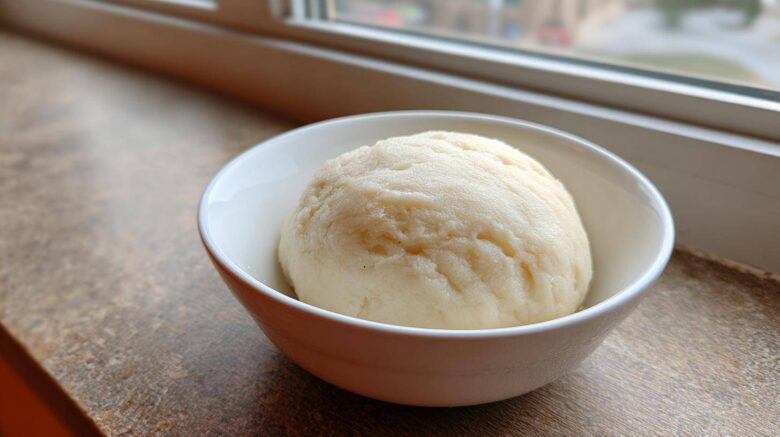
This recipe brings you authentic West African fufu.
It is a staple dough you must try.
I remember Tariq watching us stir it.
He knew the struggle for that perfect texture.
We fought lumps back then.
Now, I bring you the easy way to make it.
No heading needs to be written for the introduction.
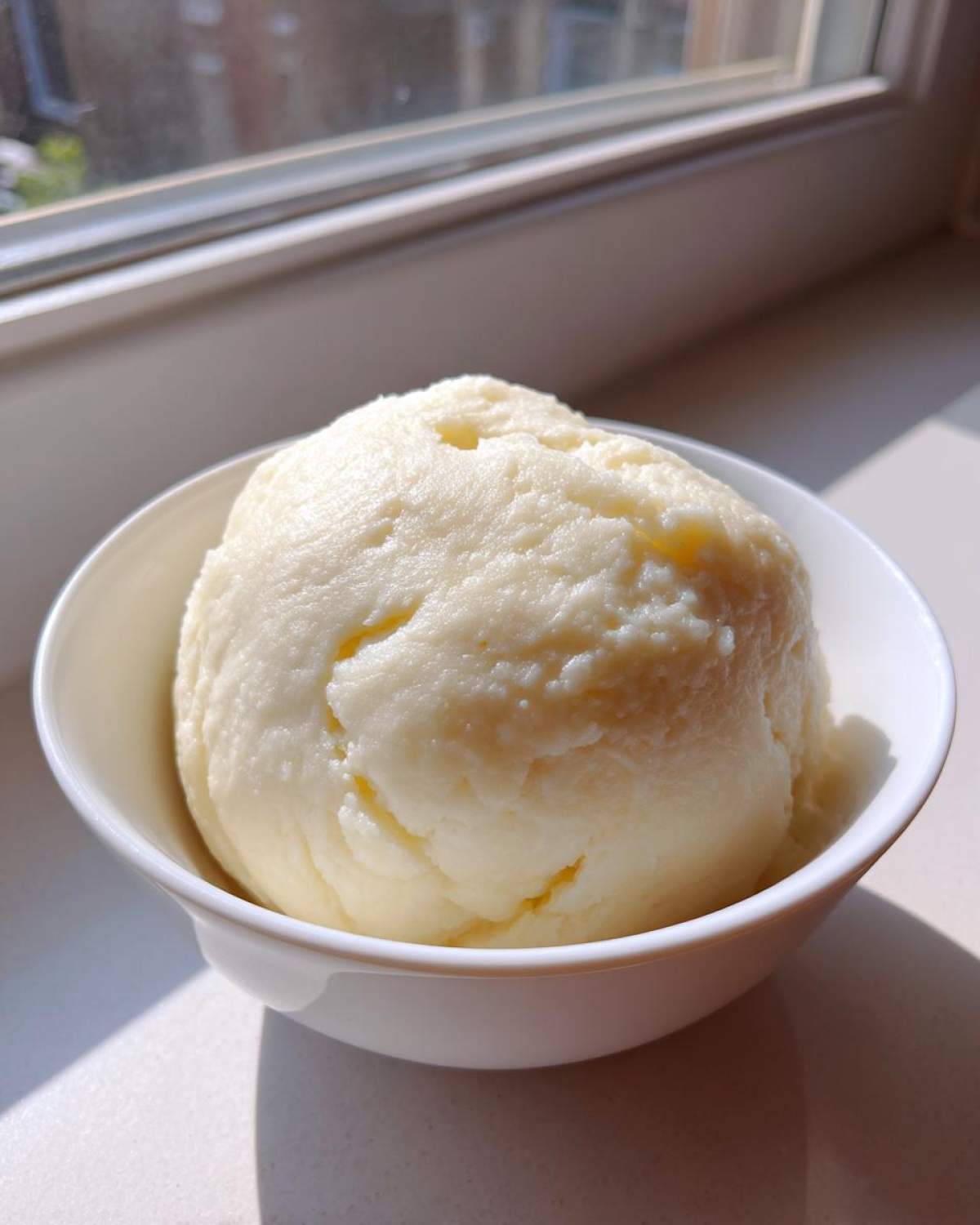
You will get a smooth, pliable dough.
It’s perfect for scooping up rich soups.
Let’s get cooking together now.
Why You’ll Love This Authentic Fufu Recipe
I know you want great results fast.
This recipe delivers pure comfort food.
It’s easy even for a first timer.
- It comes together in about 20 minutes total.
- The texture is always soft and wonderfully smooth.
- This method skips the traditional hard pounding work.
Quick Preparation Time for Perfect Fufu
Who wants to wait hours for dinner?
We keep the total time under 20 minutes.
You can enjoy this classic staple very quickly.
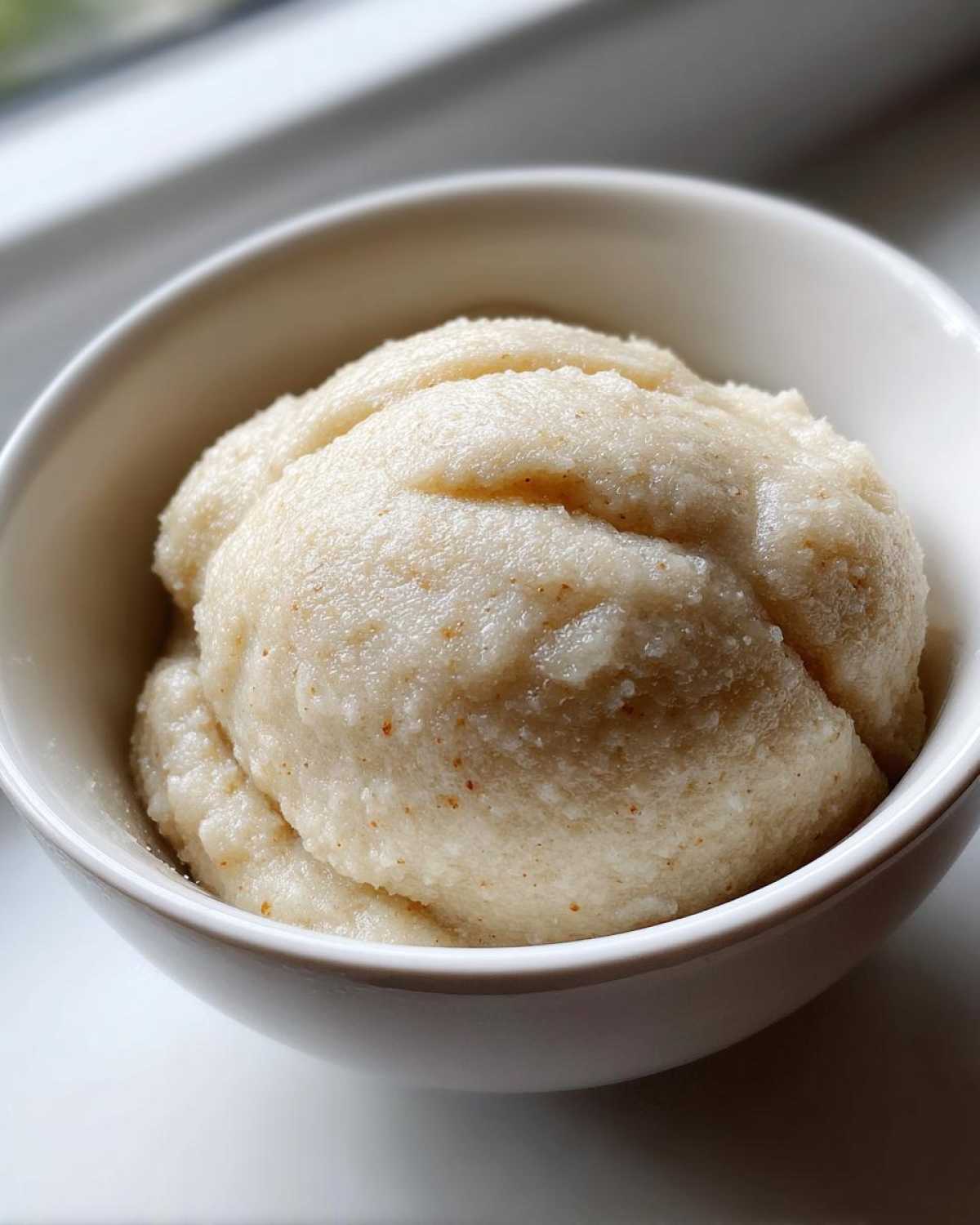
Achieving That Smooth Fufu Texture
Lumps are the enemy of good dough.
My method guarantees a lump-free finish.
You’ll get that perfect, pliable ball easily.
Equipment Needed for Your Fufu
Gathering your tools first saves time later.
You don’t need a massive setup for this staple.
Keep these few items handy before you start.
- Medium pot for boiling water.
- Sturdy wooden spoon or spatula for mixing.
- Measuring cups for accuracy.
- A small bowl for holding warm water.
A heavy-duty spoon makes stirring much easier.
Ingredients for Making Simple Fufu
Getting the right ingredients matters greatly.
For this simple recipe, keep it focused.
We are using cassava flour today.
It gives that classic, familiar taste.
Here is exactly what you need ready.
- 2 cups Cassava flour (or Fufu flour mix).
- 4 cups Water, measured out precisely.
- 1 cup Hot water, kept nearby for adjustments.
Using quality cassava flour makes a big difference.
It ensures your dough hydrates correctly.
Have your hot water ready to go.

Step-by-Step Instructions for Perfect Fufu
Follow these steps closely now.
We’re turning flour into that famous dough.
This process makes creating great fufu simple.
Don’t rush the mixing part, please.
It’s key for the final smooth texture.
Preparing the Liquid Base
First, pour your 4 cups of water into a pot.
Set the heat to medium-high right away.
Wait until that water is at a rolling boil.
This boiling water starts the gelatinization.
Mixing and Thickening the Fufu Dough
Now, slowly sprinkle in the cassava flour.
Stir constantly with your wooden spoon.
This continuous stirring prevents ugly lumps.
Keep stirring until the mix gets thick.
It should feel like a heavy, smooth paste.
This thickening stage takes about five to ten minutes.
Cooking and Adjusting Your Fufu Consistency
Reduce the heat down to low heat now.
Continue stirring and folding the dough gently.
Do this for about five more minutes.
Is it too stiff for your liking?
Add that reserved hot water slowly.
Just one tablespoon at a time works best.
Fold until it’s soft and pliable again.
Final Steaming and Shaping the Fufu
Take the pot off the heat source entirely.
Cover it and let it rest for five minutes.
This brief steaming finishes the cooking.
Wet your hands just a little bit now.
Scoop out portions of the warm dough.
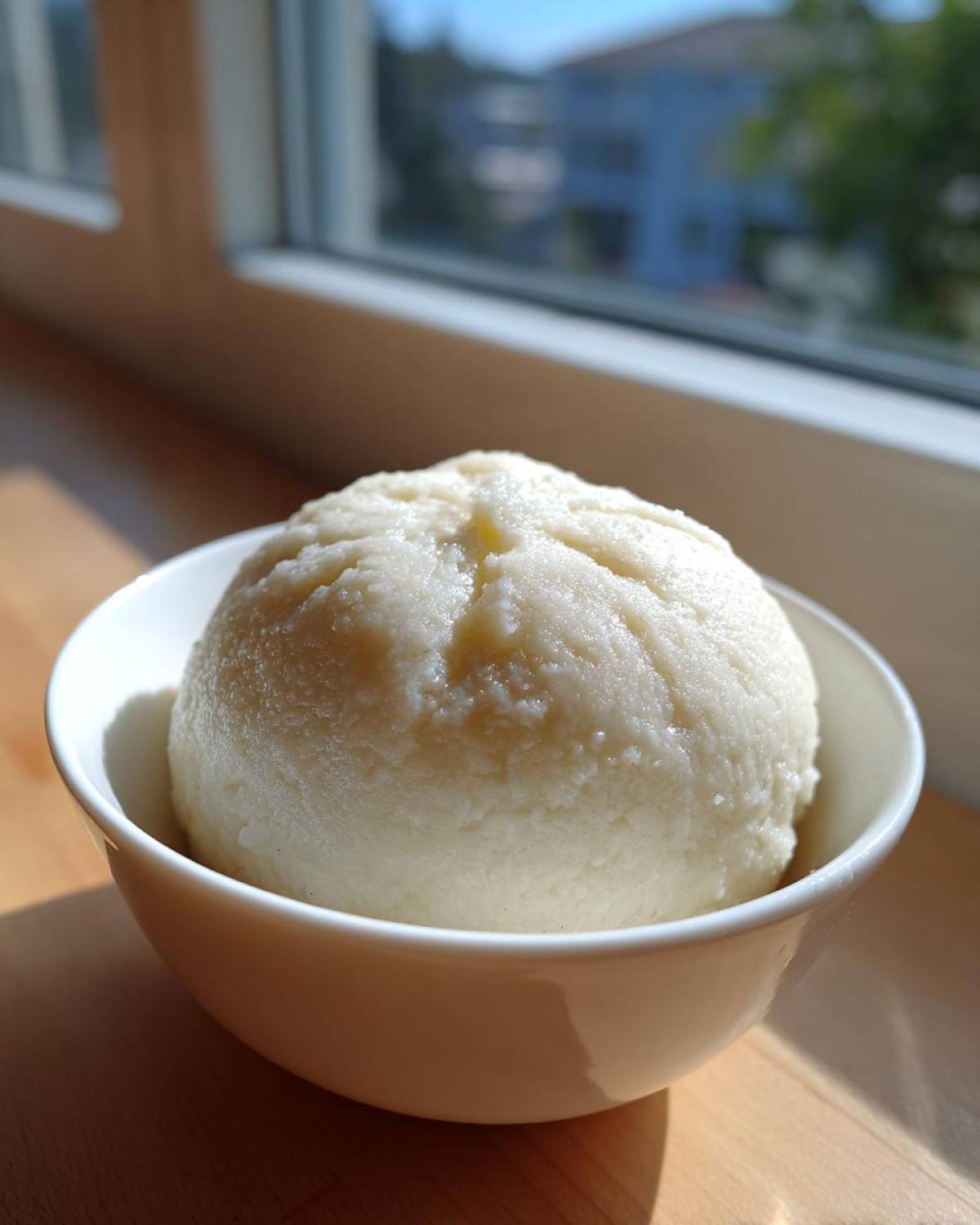
Quickly mold each piece into a small, smooth ball.
Serve your beautiful fufu immediately.
Tips for Success When Making Fufu
I learned these secrets over many kitchen attempts.
These small things make a huge difference for you.
Follow this advice for guaranteed good results.
Don’t let the dough get too dry on you.
Serving it warm is really important too.
Ingredient Swaps for Different Fufu Types
Cassava flour isn’t your only choice here.
You can switch it up easily next time.
Try using yam flour for a change.
Plantain flour also makes a great version.
Each swap gives a slightly different flavor.
Tools for Easier Mixing
Stirring this thick dough takes strength.
A standard spoon might make you tired fast.
I highly suggest a strong wooden spoon.
If you have a stand mixer, use the hook.
The hook attachment really helps incorporate everything.
Serving Suggestions for Your Homemade Fufu
This soft dough is the perfect vehicle for flavor.
It’s meant to soak up all the delicious sauce.
Think of it as your amazing edible spoon.
I love pairing it with rich West African soups.
Here are some classic ways to enjoy it.
- Egusi Soup is always a winning combination.
- Groundnut Soup gives a creamy, savory flavor.
- Try it with a spicy tomato-based stew.
- It pairs well with light vegetable soups too.
Always serve it warm with your chosen accompaniment.
Storing and Reheating Your Fufu
Leftovers happen, even with the best recipes.
Store any extra dough tightly wrapped.
Plastic wrap pressed directly onto the surface helps.
Keep it in the refrigerator for a few days.
To reheat, add a splash of water to it.
Microwave briefly until it warms through.
This brings back that soft, pliable texture.
Frequently Asked Questions About Fufu
I get asked the same things, always.
Let me clear up any confusion now.
These common questions come up often.
Having the answers helps your cooking journey.
Can I use regular flour instead of cassava fufu flour?
You surely can try it.
Regular wheat flour won’t give the same result.
It lacks the necessary starch structure.
Your texture will be more like thick paste.
Stick to yam or cassava flour for the best outcome.
Authentic african food relies on these starches.
How do I keep my fufu from getting hard?
This is a big concern for everyone.
Hard fufu is just sad fufu.
Always serve it right after making it.
Warm food stays soft longest.
If you store leftovers, add moisture before reheating.
Reheating with a little water works wonders.
What is the traditional way to eat fufu?
Eating it is a fun, sensory experience.
You do not use cutlery usually.
Tear off a small piece with your fingers.
Mold it into a small, scoop shape.
Use that dough ball to scoop the soup.
Swallow the mixture whole, don’t chew much.
Estimated Nutritional Data for This Fufu Recipe
I always want you to know what you’re eating.
Keep in mind these numbers are estimates only.
They are based on the ingredients listed above.
Your exact values will vary a bit.
Serving size is just one small dough ball.
Here is the breakdown for one portion.
- Serving Size: 1 ball (approx. 1/6 recipe).
- Calories: 180.
- Carbohydrates: 40g.
- Protein: 1.5g.
- Fat: 0.2g.
- Sodium: 5mg.
It’s a straightforward staple side dish.
It provides energy without much fat content.
Share Your Fufu Experience
I truly hope this recipe helps you.
Making great fufu should feel easy now.
Did this guide help you avoid the lumps?
Tell me how your batch turned out for you.
Please leave a rating below for this recipe.
Share your thoughts and any cooking adventures!
PrintAmazing 20-Minute Fufu Recipe Secrets
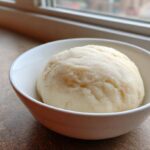
Learn to make authentic, smooth West African Fufu using simple steps. This staple dough, made from cassava or plantain, is the perfect base for your favorite soups and stews. We guide you through achieving that perfect texture.
- Prep Time: 5 minutes
- Cook Time: 15 minutes
- Total Time: 20 minutes
- Yield: 6 servings
- Category: Staple Side Dish
- Method: Boiling and Stirring/Pounding
- Cuisine: West African
- Diet: Vegetarian
Ingredients
- 2 cups Cassava flour (or Fufu flour mix)
- 4 cups Water
- 1 cup Hot water (for adjusting consistency)
Instructions
- Place the 4 cups of water in a medium pot and bring to a boil over medium-high heat.
- Once boiling, gradually sprinkle in the cassava flour while stirring continuously with a wooden spoon or spatula to prevent lumps.
- Continue stirring vigorously until the mixture thickens into a smooth, heavy paste. This takes about 5 to 10 minutes.
- Reduce the heat to low. Continue to stir and fold the dough for another 5 minutes. If the dough is too stiff, add the hot water one tablespoon at a time, folding it in until you reach a soft, pliable, dough-like consistency.
- Remove from heat. Allow it to steam covered for 5 minutes.
- Use your spoon to scoop out portions of the fufu. Wet your hands slightly and quickly mold each portion into a smooth, small ball.
- Serve immediately with your preferred soup, like Egusi or Groundnut Soup.
Notes
- You can substitute cassava flour with yam flour or plantain flour for a different flavor profile.
- Use a sturdy wooden spoon or a heavy-duty stand mixer hook attachment for easier stirring.
- Resting the fufu briefly off the heat helps the starches fully hydrate.
- Always serve fufu warm to maintain its soft texture.
Nutrition
- Serving Size: 1 ball (approx. 1/6 recipe)
- Calories: 180
- Sugar: 0.5g
- Sodium: 5mg
- Fat: 0.2g
- Saturated Fat: 0.1g
- Unsaturated Fat: 0.1g
- Trans Fat: 0g
- Carbohydrates: 40g
- Fiber: 1g
- Protein: 1.5g
- Cholesterol: 0mg
