

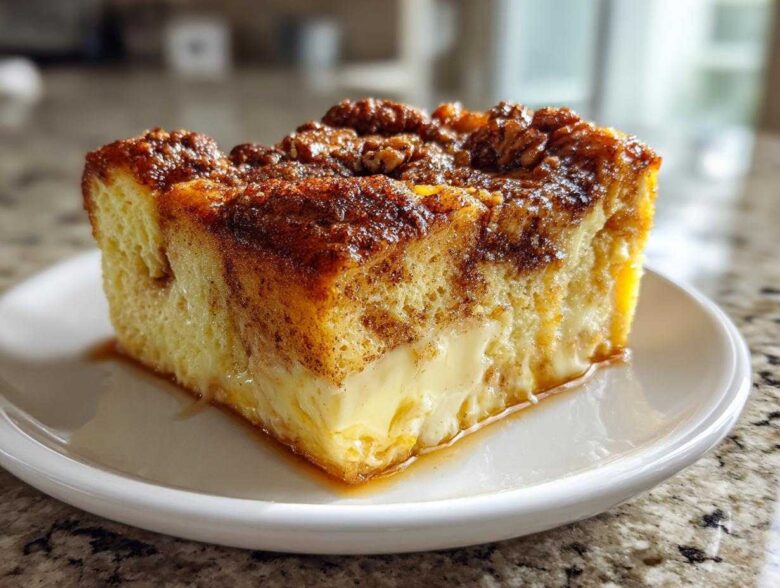
If you’ve ever stressed trying to flip pancakes or toast slices for a huge family brunch, then stop right now because I have the *only* solution you’ll ever need. I swear by my French toast casserole recipe, especially when I have houseguests or it’s a holiday morning. This isn’t just breakfast; it’s stress-free morning decadence! I learned this trick years ago when I needed to feed about twelve sleepy relatives without juggling a griddle before 8 AM. You assemble the whole thing the night before—I mean every single step—and the next morning, you just pop it in the oven. Imagine walking into the kitchen to the smell of a giant, puffy, cinnamon-scented dream that you barely lifted a finger for. Trust me, this make-ahead breakfast bread pudding is game-changing. You can find my full process detailed right here to ensure perfect results every time.
Why This Overnight French Toast Bake is Your New Favorite
Honestly, the best part is that this recipe takes all the deliciousness of classic French toast and lets you put your feet up in the morning. It turns into the easiest brunch casserole you could imagine! We love it because:
- It uses hearty bread that soaks up every drop of custard.
- The top gets that incredible cinnamon-sugar crunch.
- You never have to stand over a hot frying pan!
If you’re cooking for a crowd, this is where you shine. Check out more of my favorite breakfast ideas over at the breakfast category!
The Magic of Make-Ahead French Toast Casserole
Making it the night before isn’t just a time saver, it’s the key to the texture! When you let the bread chill overnight, it completely relaxes and absorbs that creamy custard mix. If you try to bake it right away, it ends up a bit spongy. But after that long soak, the inside of this overnight French toast bake turns into something resembling a luxurious bread pudding—soft, gooey, and richly flavored all the way through. That’s the secret!
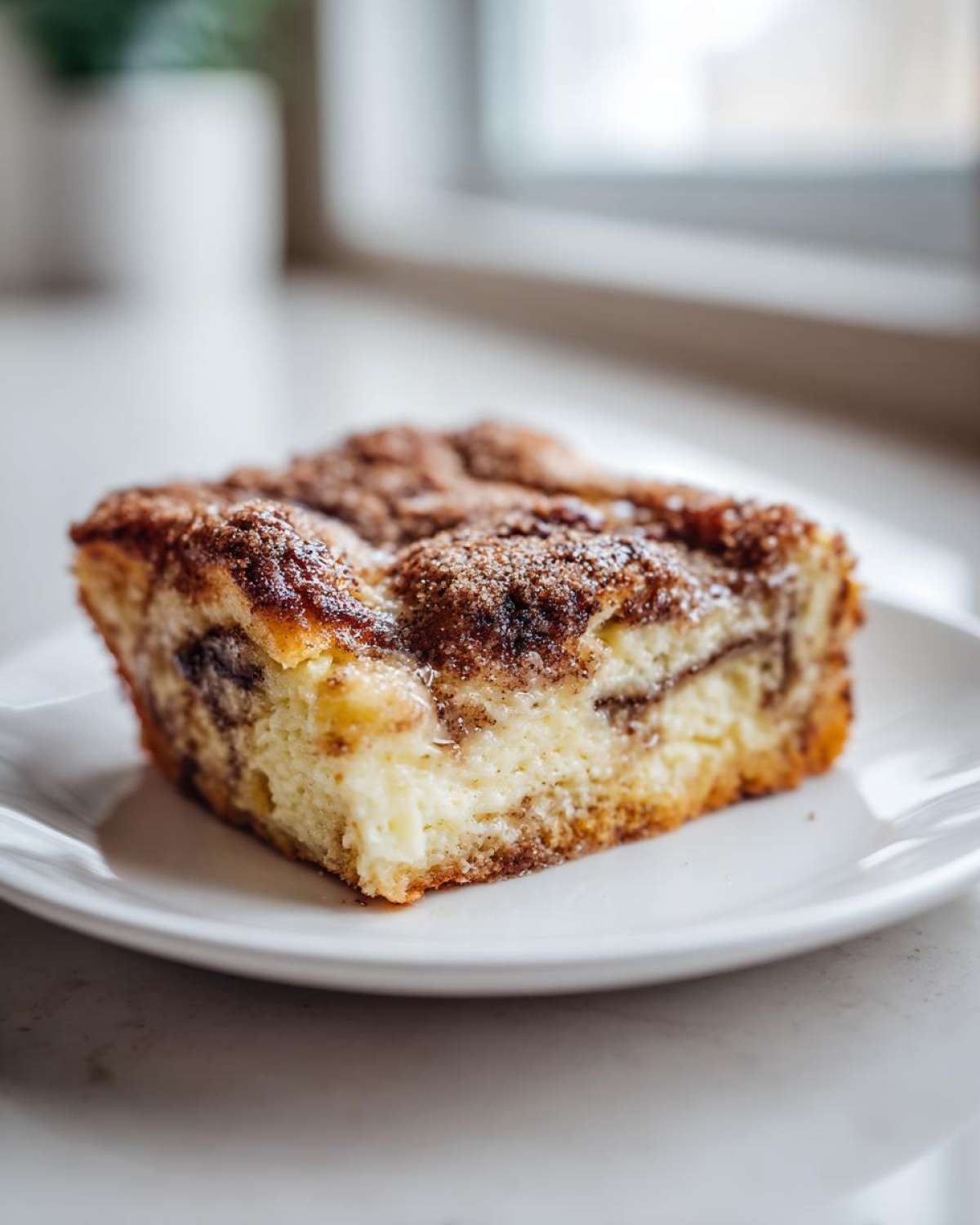
Ingredients for the Perfect Cinnamon Baked French Toast Casserole
Getting the right ingredients together is my favorite part because it smells like Christmas morning even before it hits the oven! For this perfect French toast casserole, you need sturdy bread—don’t try using flimsy white bread here, or it will turn to mush when you pour the custard on. I always grab a loaf of challah or good brioche if I can find it. Everything else is pretty standard pantry fare!
- 1 loaf (about 1 pound) sturdy bread, such as challah, brioche, or French bread, cut into 1-inch cubes
- 6 large eggs
- 1 1/2 cups whole milk
- 1/2 cup heavy cream
- 1/2 cup granulated sugar
- 2 teaspoons ground cinnamon
- 1 teaspoon vanilla extract
- 1/4 teaspoon ground nutmeg
- Pinch of salt
- For the Topping: 1/2 cup all-purpose flour
- 1/2 cup packed brown sugar
- 1/4 cup (4 tablespoons) cold unsalted butter, cut into small pieces
- 1/2 cup chopped pecans or walnuts (optional)
You’ll find the full step-by-step instructions when you’re ready to mix it up in my Blueberry French Toast Casserole post, which uses a very similar base!
Choosing the Right Bread for Your French Toast Casserole
This is non-negotiable, friends! You want that rich bread—challah or brioche—because they are sturdy and fatty enough to hold up to all that liquid custard without completely falling apart. They bake up so much beautifully rich and soft. And here’s a little secret: using bread that is a day or two stale is actually perfect! It’s already starting to dry out a little, which means it’s begging to soak up every creamy molecule of that egg mixture overnight. If your bread is fresh, just leave the cubes sitting out on a baking sheet for a few hours before you assemble it!
How to Assemble Your Make-Ahead Breakfast Bread Pudding
Okay, this is where the magic starts to happen, but it requires a little patience! First, grab that 9×13 dish and give it a good grease—I use the cake goop trick even for this, just to be 100% safe so nothing sticks. Arrange those beautiful bread cubes in there evenly. Don’t just dump them; make sure they aren’t all piled up in one corner. You want even soaking, remember?
Next, let’s tackle that custard. This part is key to turning this into a true French toast casserole instead of soggy bread. You need to whisk those eggs, milk, cream, sugar, and spices really well. Then, pour that liquid over the bread slowly and evenly. Press down gently with the back of a spatula to encourage the bread to drink it all up. This is the easiest make-ahead breakfast bread pudding you’ll ever make!
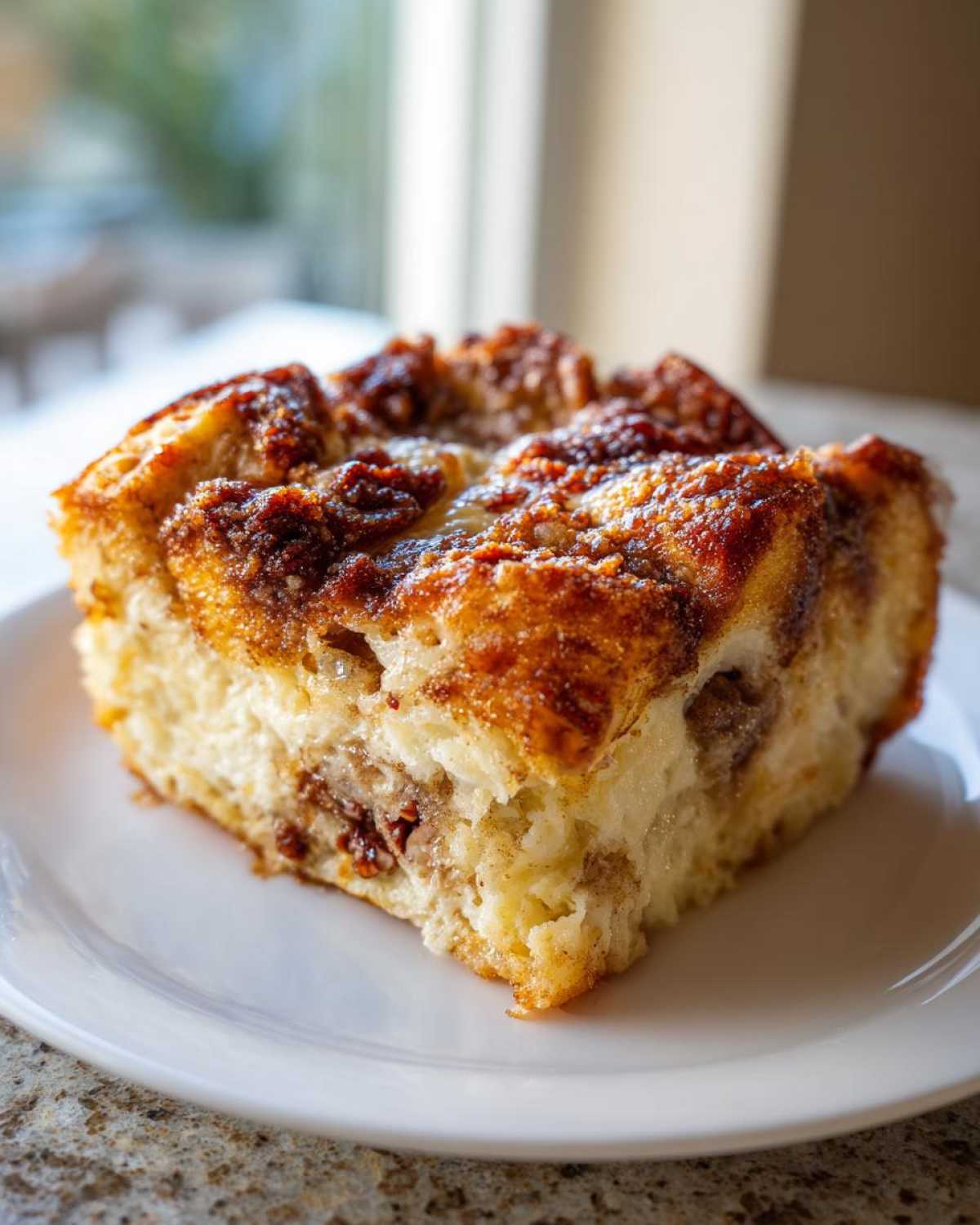
Once it’s saturated, wrap that whole dish up tight with plastic wrap. Seriously, seal it up like you’re hermetically sealing a priceless artifact. It needs to sit in the fridge for at least four hours, but overnight is the sweet spot for the absolute best texture. Check out how I prep a similar bake in my overnight baked French toast casserole recipe for reference!
Creating the Rich Custard Base for the French Toast Casserole
When you’re whisking the custard, take your time! You absolutely do not want streaks of runny egg white making it into that topping later on. Keep beating until it looks completely homogenous and smooth. That signature aroma comes from the cinnamon and nutmeg blending with the vanilla extract—it smells incredible even when it’s cold in the fridge! If you skip proper whisking, you’ll get blobs of uncooked egg when you bake it, and nobody wants that surprise.
Baking Instructions for the Ultimate French Toast Casserole
Okay, morning has arrived, and your kitchen is about to smell like heaven! First things first, you need to get that oven heated up to 350 degrees Fahrenheit. Trust me, the moment that casserole (which has basically become a wonderful make-ahead breakfast bread pudding overnight) starts warming up, the aroma is going to spread through the house like wildfire—it genuinely smells like the best giant cinnamon bun you’ve ever smelled.
While it’s warming, we make that killer topping that pushes this over the edge from great to unforgettable, especially when thinking about an easy brunch casserole. Sprinkle that streusel evenly over the top of your soaked bread mixture. Then, it goes into the oven for about 45 to 55 minutes. You’ll know it’s done because the casserole will look beautifully puffed up and deeply golden brown across the top. Watch it closely towards the end!
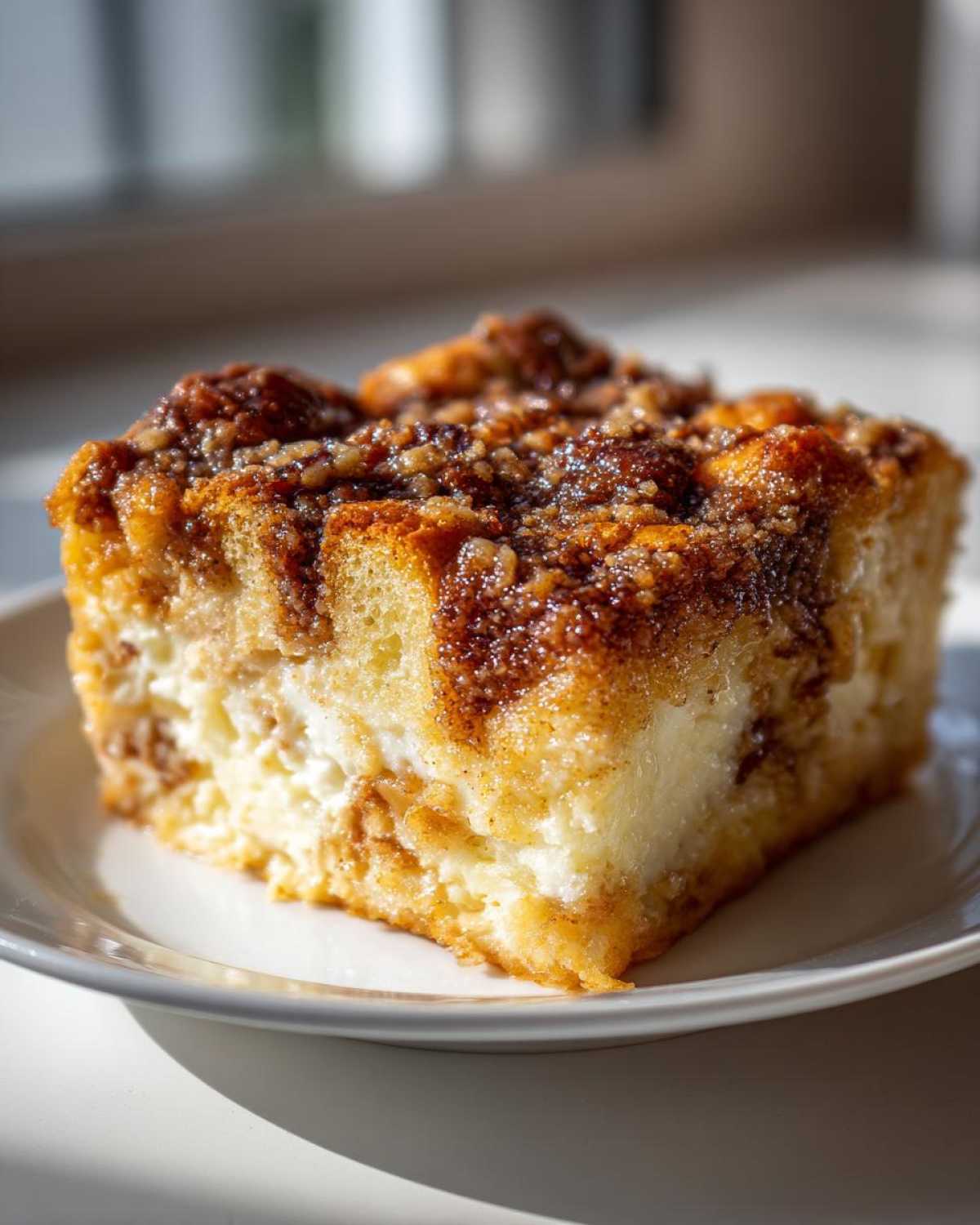
Once it’s out, don’t commit the ultimate sin: don’t cut into it immediately! It needs about 10 minutes to rest. This settling time is crucial for letting the center firm up a bit so it spoons out beautifully. You can check out a similar bake in my Cinnamon Roll Casserole guide for reference on visually checking for doneness!
Achieving the Perfect Crunchy Topping on Your French Toast Casserole
This topping is all about texture! You’re mixing flour, brown sugar, and nuts if you are using them. The trick is those little pieces of cold butter. You need to get that butter cut into the dry ingredients until it looks like coarse sand or tiny peas. I always grab my cold butter right from the fridge and use my bare fingertips to pinch and rub it into the flour mixture. If you work too slowly, the butter melts, and you just get a dense paste instead of that crumbly, crunchy streusel that cracks perfectly when baked over your French toast casserole. It creates such a textural contrast with the soft, soaked interior, and it’s worth that extra minute of work!
Tips for Success When Making French Toast Casserole
Even though this is an assembly-and-forget recipe, there are just a few little things my experience has taught me make all the difference between good and truly amazing French toast casserole. First off, remember what I said about the bread—stale is best! If you use bread that’s too fresh, it can get disappointingly mushy because it just absorbs too much liquid and breaks down. So, if your loaf isn’t day-old, just cut it up and set the cubes out on a tray for a few hours.
Another tip I picked up making this for Christmas morning is that even after it looks done, give it a gentle nudge. If the casserole wobbles way too much in the center when you gently shake the pan, it needs just a few more minutes. You want it puffed and mostly set. If you’re in a hurry and skipped the overnight soak, remember that baking it immediately needs about 30 minutes less time, but the texture won’t be quite as custardy.
If you want to see how I handled cream cheese swirls in a similar baked French toast, check out the filling ideas in my Stuffed French Toast post!
Serving Suggestions for Your Easy Brunch Casserole
We’ve done all the hard work assembling this gorgeous French toast casserole, so let’s make the serving spectacular! Since the casserole itself is rich, creamy, and loaded with cinnamon flavor, you need things that cut through that richness just a little bit. I always serve mine warm, straight from the rested pan.
My favorite way to finish it is with a colorful pile of fresh seasonal berries—strawberries or raspberries look so bright scattered over the top. If you want to go full decadent, a big dollop of lightly sweetened whipped cream melts perfectly into the warm slices. And you absolutely cannot forget the syrup! We ditch the plain stuff for a drizzle of pure maple syrup, or sometimes I try my grilled peach topping when peaches are in season. It’s all about presentation!
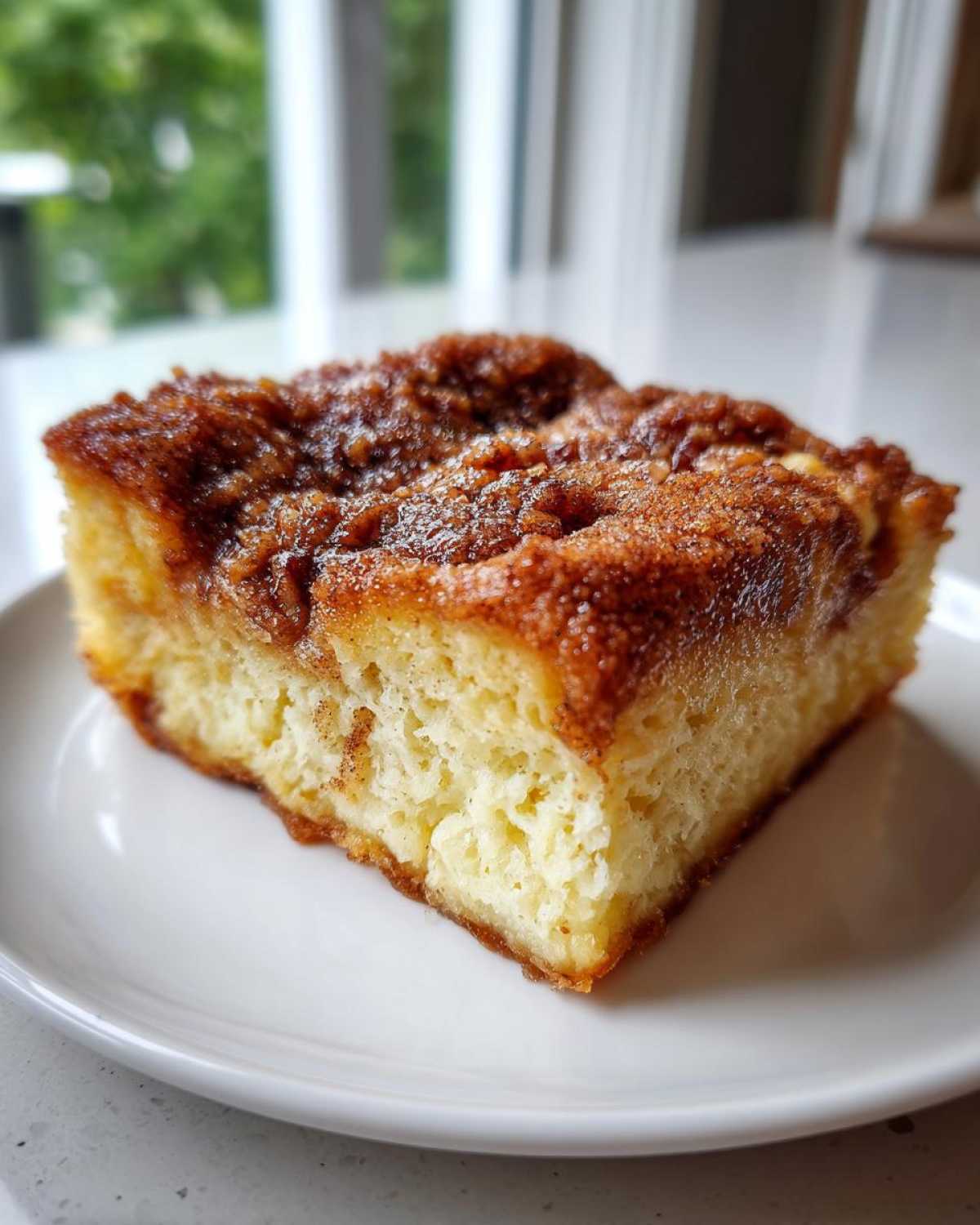
Storage and Reheating Instructions for Leftover French Toast Casserole
Believe it or not, this French toast casserole is arguably even better the next day! Leftovers are the best part of making a big easy brunch casserole like this. When you have parts left over, you get that second round of that amazing cinnamon smell without doing any more work!
Once it has cooled down a bit, cover the whole dish tightly—I use the same plastic wrap I used for chilling, or just foil—and tuck it into the fridge. It keeps beautifully for about three days. You can see how I store burritos for travel over at my post on make-ahead breakfast burritos, and the same airtight rules apply here!
Now, when you go to reheat it, please skip the microwave if you can! The microwave turns that crispy topping soggy quick. Instead, place a slice or two on a baking sheet and warm it up in a 350-degree oven for about ten minutes. It brings back that lovely puffed texture and keeps the topping nice and crisp!
Frequently Asked Questions About French Toast Casserole
I get so many messages asking quick little things about this casserole, so I figured I’d put my most common answers right here for you! This way, before you even bake your beautiful French toast casserole, you’ll have all the tips you need for success.
Can I use regular sandwich bread in my French toast casserole?
Oh, honey, please don’t! Regular soft sandwich bread is way too flimsy for this job. When you try to soak it in all that rich custard, it will turn into sad, soggy mush that falls apart when you look at it sideways. You really need that sturdier bread—I always choose challah or brioche because they are much more robust and keep their shape! If you only have slightly denser French bread, that works well too.
What is the minimum soaking time for this overnight French toast bake?
You *can* rush it, I know! If you absolutely must have your cinnamon baked French toast a little faster, you can get away with soaking the bread for at least 30 minutes before baking. But I have to be honest with you: if you do that, you lose that gorgeous, dense, pudding-like texture we are really chasing. The magic of this overnight French toast bake is that long, slow chill. For that superior, melt-in-your-mouth experience that makes this feel like a true make-ahead breakfast bread pudding, you really need to let it sit overnight.
If you want to try changing it up next time, check out my recipe for French Toast Muffins—those are great when you don’t have time for a full overnight soak!
Nutritional Estimates for This Cinnamon Baked French Toast
Now, I’m totally a cook from the heart, not the spreadsheet, and I usually don’t sweat the details on calories when I’m making a special brunch casserole! We’re talking about indulging a little, right? But for those of you who like to keep tabs, I pulled together the estimates based on the ingredients I listed.
Just remember, these numbers are just a guide for this cinnamon baked French toast. If you use heavy cream versus half-and-half, or if you drown it in extra maple syrup (which you probably should!), these values will change. Consider this a baseline estimate for one nice, generous slice of that glorious French toast casserole.
- Serving Size: 1 slice
- Calories: 380
- Sugar: 25g
- Sodium: 350mg
- Fat: 18g
- Saturated Fat: 9g
- Unsaturated Fat: 9g
- Trans Fat: 0g
- Carbohydrates: 48g
- Fiber: 2g
- Protein: 12g
- Cholesterol: 150mg
This is the kind of treat that makes getting out of bed early worth it, even if you made it the night before! Enjoy every bite!
PrintOvernight Cinnamon French Toast Casserole
Prepare this make-ahead breakfast casserole the night before for a simple, warm, and satisfying brunch. It bakes into a soft, cinnamon-scented dish ready to serve.
- Prep Time: 20 min
- Cook Time: 50 min
- Total Time: 70 min
- Yield: 8 servings
- Category: Breakfast
- Method: Baking
- Cuisine: American
- Diet: Vegetarian
Ingredients
- 1 loaf (about 1 pound) sturdy bread, such as challah, brioche, or French bread, cut into 1-inch cubes
- 6 large eggs
- 1 1/2 cups whole milk
- 1/2 cup heavy cream
- 1/2 cup granulated sugar
- 2 teaspoons ground cinnamon
- 1 teaspoon vanilla extract
- 1/4 teaspoon ground nutmeg
- Pinch of salt
- For the Topping: 1/2 cup all-purpose flour
- 1/2 cup packed brown sugar
- 1/4 cup (4 tablespoons) cold unsalted butter, cut into small pieces
- 1/2 cup chopped pecans or walnuts (optional)
Instructions
- Lightly grease a 9×13 inch baking dish. Arrange the bread cubes evenly in the prepared dish.
- In a large bowl, whisk together the eggs, milk, heavy cream, granulated sugar, cinnamon, vanilla extract, nutmeg, and salt until well combined.
- Pour the custard mixture slowly and evenly over the bread cubes, pressing down gently to help the bread absorb the liquid.
- Cover the dish tightly with plastic wrap and refrigerate for at least 4 hours, or preferably overnight.
- When ready to bake, preheat your oven to 350 degrees Fahrenheit (175 degrees Celsius).
- Prepare the topping: In a separate bowl, combine the flour, brown sugar, and chopped nuts, if using. Cut in the cold butter using your fingers or a pastry blender until the mixture resembles coarse crumbs.
- Sprinkle the topping evenly over the soaked bread.
- Bake for 45 to 55 minutes, or until the casserole is puffed, golden brown, and a knife inserted near the center comes out mostly clean.
- Let the casserole rest for 10 minutes before cutting and serving warm with maple syrup.
Notes
- Using slightly stale bread works best as it soaks up the custard without becoming mushy.
- If you are short on time, you can bake this immediately after soaking for 30 minutes, but the texture will be less custardy.
- Serve with fresh berries for added color and flavor.
Nutrition
- Serving Size: 1 slice
- Calories: 380
- Sugar: 25
- Sodium: 350
- Fat: 18
- Saturated Fat: 9
- Unsaturated Fat: 9
- Trans Fat: 0
- Carbohydrates: 48
- Fiber: 2
- Protein: 12
- Cholesterol: 150
