

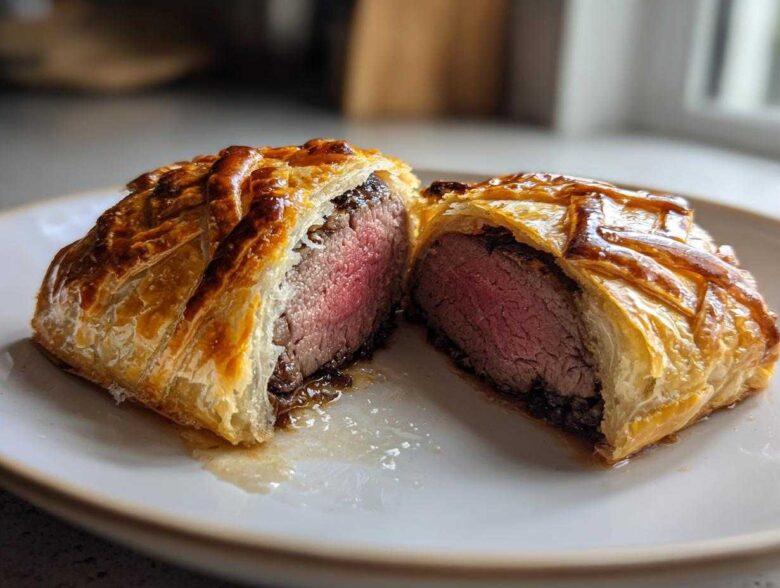
Okay, listen up! If you thought Beef Wellington was only for fancy restaurant menus or intimidating holiday spreads, you are so wrong. I totally used to think it was impossible to get that perfect, crisp pastry wrapped around absolutely beautiful, rosy, medium-rare beef, especially when trying to slice a giant log. But trust me, making a Beef Wellington Individual serving—just one perfect portion—is a game-changer for beginners!
It solves everything! No more sad, gray edges on the slices you serve. My biggest breakthrough was realizing how much chilling helps when you’re working with just a small fillet steak. Wrapping those individual portions tight with the duxelles and prosciutto and then chilling them means the pastry seals perfectly every time. Once you master this technique, you’re serving up pure elegance without all the drama!
If you want to see more of my kitchen adventures and tried-and-true cooking tips, feel free to poke around the site; I keep everything updated over at my main blog page.
Why This Beef Wellington Individual Recipe Works So Well
The secret to making something truly gourmet at home isn’t about using a million fancy tools. It’s really about control, and that’s why this individual approach shines. Forget the guesswork of slicing a giant Wellington where one end is overcooked. This method guarantees success for everyone at your table.
- Perfect Portion Control and Presentation: Seriously, every single guest gets a perfectly wrapped, beautifully shaped little pastry parcel. It looks infinitely more elegant than hacking away at a big roast on the cutting board.
- Superior Internal Temperature: Because each steak is wrapped alone, it cooks much more evenly. You hit that glorious medium-rare center without stressing about the edges drying out.
- Achieving Crispy Pastry Beef Wellington Individual: This is huge! Individual wrapping means we can chill the components significantly longer before baking. This blast of cold sets that all-butter puff pastry perfectly, so you get that flaky, shatteringly crisp exterior instead of a soggy mess.
- Easier Timing Management: Baking two small Wellingtons is way faster and more predictable than baking one huge one. You can manage oven space better, too!
Perfect Portion Control and Presentation
When you try to slice a traditional Wellington, you are guaranteed to lose some of the beautiful duxelles and prosciutto wrap during the cut. With these Mini Beef Wellingtons, there’s no slicing required! Each person gets their own beautifully sealed package. It’s impressive, and honestly, it feels a little luxurious serving them this way.
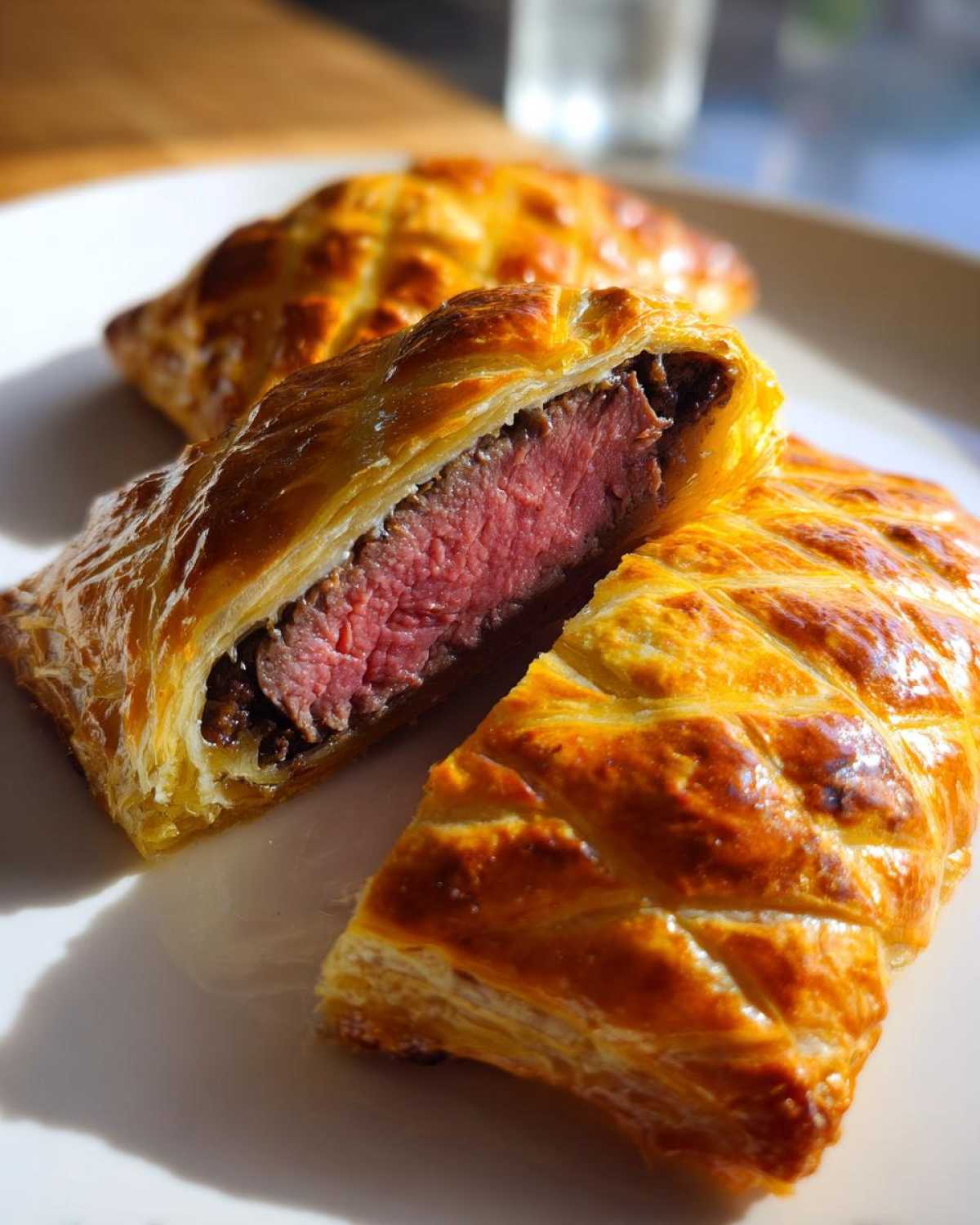
Achieving Crispy Pastry Beef Wellington Individual
Moisture is the enemy here, right? Soggy bottoms happen when the pastry gets wet before it sets in the oven. We combat that with serious chilling—first the beef/duxelles wrap, then the fully assembled parcel before it even sees the oven. Plus, that thick coating of egg wash acts like armor, sealing in all the savory juices while browning up beautifully.
Essential Components for Your Beef Wellington Individual
Making these little beauties means you have to be a bit picky about what goes inside. Since we aren’t hiding anything under a huge pastry blanket, every single ingredient has to pull its weight. Quality here really shines through, especially with the beef.
If you’re looking for other great ways to use beef in sophisticated main courses, I have a fantastic recipe for some comfort food favorites too, like my Salisbury Steak with Gravy right over here.
Sourcing the Right Beef Tenderloin for Single Serving Beef Wellington
You absolutely need center-cut fillet steak for this. I aim for steaks that are about an inch and a half thick and roughly six ounces each. That thickness is crucial because it gives you enough meat to sear properly while still having room to bake to medium-rare without overcooking the outside. Make sure they are trimmed super clean—no silver skin or excess fat allowed! That stuff won’t render down, and it ruins the tight wrap.
The Duxelles: Flavor Foundation
The duxelles—that’s just fancy talk for finely chopped mushrooms cooked down with herbs and shallots—is what locks in that incredible savory flavor and acts as a moisture barrier. But pay attention: you have to cook *all* the water out of those mushrooms. If they are watery, they will steam your beautiful puff pastry when it bakes, and we absolutely cannot have that on our Portion Control Beef Wellington!
Ingredients for Mini Beef Wellington Recipe (Yields 2)
Okay, here are the things you need to gather up for two spectacular Mini Beef Wellington Recipe servings. Honestly, two steaks are perfect for testing the technique before you scale up for a big party! I like to treat myself to the really good, all-butter puff pastry; it makes a massive difference in the crispness, trust me. If you happen to be looking for some other great appetizer recipes for your gathering, you might want to check out my guide to creamy deviled eggs!
Here’s what you’ll need:
- 2 (6 ounce) beef tenderloin steaks, aiming for about 1.5 inches thick
- 1 tablespoon olive oil (for searing)
- Salt and fresh black pepper, seasoned generously
- 2 tablespoons Dijon mustard (the good, sharp kind!)
- 4 ounces cremini mushrooms, finely chopped
- 1 small shallot, minced very fine
- 1 teaspoon fresh thyme leaves
- 1 tablespoon dry sherry or Madeira wine (optional, but adds depth!)
- 4 thin slices prosciutto (enough for two steaks)
- 1 sheet (about 10×10 inches) all-butter puff pastry, completely thawed
- 1 large egg, beaten really well for the egg wash
- A little bit of flour, just for dusting your workspace
How to Make Individual Beef Wellington: Step-by-Step Technique
Alright, this is where the magic—and the technique—really comes together. Since we’re working with smaller pieces, speed and chilling are your best friends. A quick blast of high heat for the sear locks in all that beefy flavor before we get it cozy in its pastry blanket. If you’re planning on serving this with a side of creamy goodness, you absolutely have to check out my recipe for creamy garlic mashed potatoes!
Searing and Mustard Coating for Your Fillet Steak Wellington for One
Get that skillet screaming hot with the olive oil. We need a really deep, dark sear on all sides—that’s flavor development, not cooking the inside! Sear each side for just a minute or two until you get that beautiful brown crust. Immediately pull the steaks out and brush them generously with the Dijon mustard while they are still piping hot. The heat helps the mustard absorb into the meat. Now, here is the critical part: the beef *must* cool down completely after this. Seriously, put them in the fridge for 15 minutes if you need to. Warm beef will melt your pastry later, and we don’t want that!
Assembling the Duxelles and Prosciutto Wrap
Lay out your plastic wrap—use two big sheets, overlapping slightly, because you need room to work. Over the wrap, overlap your slices of prosciutto. Then, spread that completely dry duxelles mixture evenly over the prosciutto. Place your cold, mustard-coated steak right at the edge. Now, use that plastic wrap like a jeweler wraps fine items. Roll it tight, twisting the ends super firmly to create a compact, even cylinder. This shape compression is non-negotiable for a good Duxelles Wrapped Steak shape. Once it’s tight as a drum, pop these into the fridge for at least 30 minutes—or longer if you can manage it. This solidifies everything.
Wrapping and Sealing the Easy Individual Beef Wellington in Pastry
On a lightly floured surface, roll your thawed puff pastry sheets carefully until they are thin enough—think just a bit thinner than they started. Cut two rectangles, enough to fully encase your chilled beef logs. Take the beef log out of the plastic wrap and place it on the pastry. Brush the edges generously with egg wash; this is your edible glue! Roll the pastry around the beef, pulling the edges together tightly underneath. Crimp or use the tines of a fork to seal those seams completely! Any gap is a leak waiting to happen. Place them seam-side down on parchment paper. Give them one last beautiful brushing of egg wash, score a simple design lightly on top (don’t cut through!), and chill them again for 15 minutes before they go into the oven.
Baking Times for Beef Wellington Baking Times Individual
Preheat your oven to a good 400°F (200°C). Bake these little beauties for about 20 to 25 minutes. If you are aiming for that perfect medium-rare, pull them out when the internal temperature hits between 130°F and 135°F (54-57°C) in the thickest part. This is the payoff moment! But don’t serve them instantly! Like any good roast, they need to rest for 5 to 10 minutes right on the baking sheet. This lets the juices settle back into the meat instead of running all over your plate.
Tips for the Best Individual Beef Wellington (Expert Insights)
I’ve made enough of these to know exactly where things go sideways. It’s never just one thing; it’s usually a tiny bit of steam or a seam that wasn’t quite sealed. If you follow the steps above, you’re practically guaranteed success, but these extra insights are what take you from “good” to “wow, did you buy these?” If you’re interested in other impressive home baking feats, I’ve got my secrets for chocolate meringue pie posted too!
The No Peeking Beef Wellington Guide to Moisture Control
I cannot stress this enough: your duxelles needs to be dry, dry, dry. I mean cook it so long you start worrying you might burn it—that’s when you know it’s done! When I first started, I skipped that last minute of cooking, and the pastry instantly regretted it. Also, make sure your seared beef is bone cold before it touches the duxelles layer. If you’re making these ahead of time, keep those components separate until the last possible minute, or freeze the wrapped log before the pastry goes on. Cold equals crispness, always.
Decorative Scoring and Egg Wash Application
When you score the pastry, think gentle pressure, not cutting through. You’re creating a pattern for visual interest and to let a tiny bit of steam escape, but the second you pierce the prosciutto and duxelles barrier, you risk juice leakage. I always use the back (dull side) of a sharp paring knife—it creates a lovely shallow line without risking a slice right through the dough. For the egg wash, load up your brush and apply a generous, even coat over the entire surface. That even layer is what gives you that deep, restaurant-quality golden shine when it comes out of the oven.
Make Ahead Individual Wellington and Storage
You know how sometimes life gets busy right before dinner? That’s why I love making things ahead, and these little parcels are fantastic for that! You absolutely can assemble these beauties in advance, which makes them the perfect stress-free main course for dinner parties. It’s mostly about separating the chilling phases.
You can complete the entire assembly—all the way through sealing the pastry and scoring the top—but here’s the catch: wait on the final egg wash. If you egg wash too early, it can start to draw moisture onto the surface, which isn’t ideal. After you seal them up, wrap each Individual Beef Wellington tightly in plastic wrap and tuck them into the fridge. They are happy chilling out there for up to 12 hours. Seriously, this is a lifesaver! And if you need even more make-ahead strategy for your menu planning, I put together some thoughts on how to organize your week over at my planning guide.
When it’s go-time, pull them out of the fridge. Brush them generously with that egg wash *then* (don’t skip this step!), and here’s the adjustment I always make: add about five extra minutes to the baking time. Since the pastry starts out colder, it needs that little nudge to catch up to the internal temperature needed for the beef. Keep an eye on that thermometer, though—you never want to overcook that beautiful fillet steak!
Serving Suggestions for Your Elegant Single Portion Dinner
When you’ve gone to all this effort for your Elegant Single Portion Dinner, the sides better live up to the centerpiece! Honestly, because the Wellington is so rich—you have beef, prosciutto, and buttery pastry—you want sides that offer contrast. Think brightness, earthiness, or a nice little acidic cut through the richness.
I absolutely love serving these alongside something green! Roasted asparagus tossed simply with lemon zest and flake salt is amazing. It’s fast and gives a beautiful snap against the soft beef. If you need a hearty yet elegant vegetable side, I sometimes do a simple, vibrant soup first, like my roasted butternut squash soup if it’s a cooler evening—it’s sweet, savory, and really sets a lovely tone.
For starches, keep it classic but not too heavy. Fluffy mashed potatoes are always a winner, but you can also go with simple roasted fingerling potatoes seasoned with rosemary. The key is resisting the urge to drown everything in heavy cream sauces. Let that beautiful puff pastry do all the talking!
Frequently Asked Questions About Recipe for Small Beef Wellington
I know you’re going to ace these, but sometimes little questions pop up right when you’re about to bake something this spectacular! Since we’re making individualized portions, the setup is a little different than a giant roast, so here are a few things I always get asked when folks try their first Recipe for Small Beef Wellington.
Can I use frozen puff pastry for this Individual Steak En Croute Recipe?
You absolutely can use frozen puff pastry, but you have to thaw it right! Don’t try to microwave it or blast it with heat; that ruins the layers we need. Just move the package from the deep freeze to the refrigerator the day before you plan to cook. Then, let the sheet sit on the counter for about 30 to 45 minutes until it’s pliable, but still cool to the touch. If it gets sticky or greasy, pop it back in the fridge immediately! Using that high-quality, all-butter version really pays off here, making your Individual Steak En Croute Recipe just sing.
What is the best way to check the internal temperature of the Homemade Beef Wellington Portions?
This is crucial for hitting that perfect medium-rare! You need a digital, thin-probe thermometer, folks. Don’t rely on just poking it with a skewer. You need to insert the probe straight down, aiming for the very center of the beef fillet, usually sliding it carefully through one of the seams where the pastry overlaps. You want to read 130°F to 135°F (54-57°C) when you pull it out. Remember that it will keep cooking for a few minutes while it rests, so don’t try to bake it past the 135°F mark!
Can I substitute the prosciutto in this Gourmet Individual Entrees recipe?
Oh, that’s a great question for anyone who can’t find good prosciutto or has dietary restrictions! The prosciutto’s job is twofold: add a salty, savory layer and soak up any lingering moisture from the duxelles so it doesn’t reach the pastry. If you skip it, you really need a replacement barrier. I’ve had success using a very thin layer of pancake-thin crêpes—they act like a dry sponge! Or, for an even richer taste, you can spread a whisper-thin layer of mushroom pâté on the pastry before wrapping the beef. If you want more ideas for elegant hosting, I wrote a piece about plating chicken sausage and broccoli orzo as a side companion!
Estimated Nutritional Data for Beef Wellington Individual
Okay, so let’s be real—Beef Wellington isn’t exactly diet food, but when you’re making an Individual Beef Wellington, you know exactly what you’re getting because you controlled every single ingredient! You’ve got your luxury pastry, that gorgeous fillet steak, and the savory duxelles. It’s decadent, but it’s worth every single bite for a special occasion.
I pulled all this data together based on the recipe above, but remember, this is just my best guess! If you use a leaner cut of beef or skip the egg wash glaze, your numbers will change. Always take this as a general guide for your Gourmet Individual Entrees.
- Serving Size: 1 Wellington
- Calories: Around 650 (That puff pastry adds up, doesn’t it?!)
- Protein: A solid 50 grams—that’s a good, hearty meal!
- Fat: About 38 grams of total fat, with 18 grams being saturated fat from the butter in the pastry, naturally.
- Carbohydrates: Roughly 25 grams, mostly coming from the pastry itself.
- Sugar: Very low, only about 1 gram, thank goodness!
- Sodium: About 450mg, depending on how salty you season your steaks and prosciutto.
Bottom line? This is a main course meant for indulgence, not everyday eating. Enjoy it fully when you make your Perfect Mini Beef Wellington!
PrintIndividual Beef Wellington
A recipe for making perfectly portioned Beef Wellington, featuring seared fillet steak wrapped in duxelles, prosciutto, and puff pastry.
- Prep Time: 45 min
- Cook Time: 25 min
- Total Time: 70 min
- Yield: 2 servings
- Category: Main Course
- Method: Baking
- Cuisine: British
- Diet: Low Fat
Ingredients
- 2 (6 ounce) beef tenderloin steaks, about 1.5 inches thick
- 1 tablespoon olive oil
- Salt and black pepper to taste
- 2 tablespoons Dijon mustard
- 4 ounces cremini mushrooms, finely chopped
- 1 shallot, minced
- 1 teaspoon fresh thyme leaves
- 1 tablespoon dry sherry or Madeira wine
- 4 thin slices prosciutto
- 1 sheet (about 10×10 inches) all-butter puff pastry, thawed
- 1 large egg, beaten (for egg wash)
- Flour, for dusting
Instructions
- Season the steaks liberally with salt and pepper. Heat the olive oil in a skillet over high heat. Sear the steaks for 1 to 2 minutes per side until deeply browned. Remove from heat and brush immediately with Dijon mustard on all sides. Let the steaks cool completely.
- Prepare the duxelles: Pulse the mushrooms, shallot, and thyme in a food processor until finely chopped but not pureed. Cook the mixture in the same skillet over medium heat until all moisture has evaporated, about 8 to 10 minutes. Stir in the sherry and cook until evaporated. Spread the duxelles on a plate to cool completely.
- Lay out two large pieces of plastic wrap. Place two slices of prosciutto on each piece of plastic wrap, slightly overlapping. Spread half of the cooled duxelles evenly over the prosciutto slices.
- Place one cooled steak at the edge of the prosciutto/duxelles layer. Use the plastic wrap to tightly roll the prosciutto and duxelles around the steak, forming a compact cylinder. Twist the ends of the plastic wrap to secure the shape. Refrigerate for at least 30 minutes (or up to 24 hours) to firm up.
- Lightly flour a clean surface. Roll out the puff pastry sheet slightly thinner. Cut the pastry into two equal rectangles, large enough to enclose each steak.
- Remove the plastic wrap from the chilled steaks. Brush the edges of the pastry rectangles with the beaten egg wash. Place one steak near the edge of a pastry rectangle. Roll the pastry around the steak, trimming excess pastry and sealing the edges firmly with a fork or your fingers to create a tight seal. Place seam-side down on a parchment-lined baking sheet.
- Brush the entire surface of each Wellington generously with egg wash. Score the top lightly with the back of a knife in a decorative pattern, avoiding cutting through the pastry. Chill for 15 minutes.
- Preheat your oven to 400 degrees Fahrenheit (200 degrees Celsius).
- Bake for 20 to 25 minutes for medium-rare (internal temperature of 130-135°F or 54-57°C). Adjust time based on your desired doneness.
- Let the Wellingtons rest on the baking sheet for 5 to 10 minutes before serving.
Notes
- For best results, ensure the duxelles mixture is completely dry before wrapping the beef.
- Use high-quality, all-butter puff pastry for the best flavor and crispness.
- If you plan to make these ahead, assemble them completely, but do not egg wash. Cover and refrigerate for up to 12 hours, then egg wash and bake, adding 5 minutes to the baking time.
Nutrition
- Serving Size: 1 Wellington
- Calories: 650
- Sugar: 1
- Sodium: 450
- Fat: 38
- Saturated Fat: 18
- Unsaturated Fat: 15
- Trans Fat: 0
- Carbohydrates: 25
- Fiber: 2
- Protein: 50
- Cholesterol: 180
