

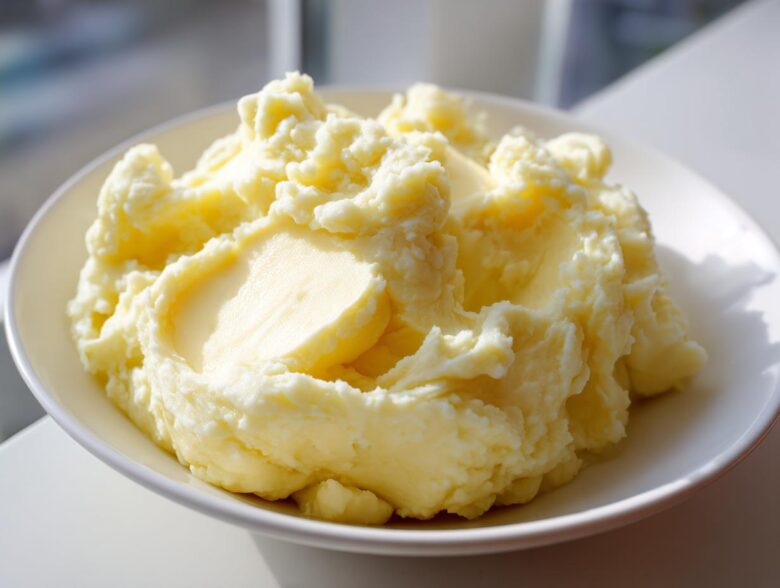
Oh, let’s talk about real comfort food, shall we? Nothing screams home and happy holidays like a big bowl of perfect mashed potatoes. Seriously, if you can nail this classic recipe, you’ve basically mastered side dish divinity. I spent years dealing with gluey piles or watery messes, but I finally cracked the code for the absolute Best Creamy & Fluffy Mashed Potatoes you’ll ever eat. This isn’t just some quick dinner side; this is the recipe I rely on every single Thanksgiving because it’s foolproof once you know the little secrets. Trust me, forget everything you thought you knew about boiling and mashing—we’re making them smooth, buttery, and fluffy every single time. If you want to see all my favorite tips and tricks, check out my main idea archive!
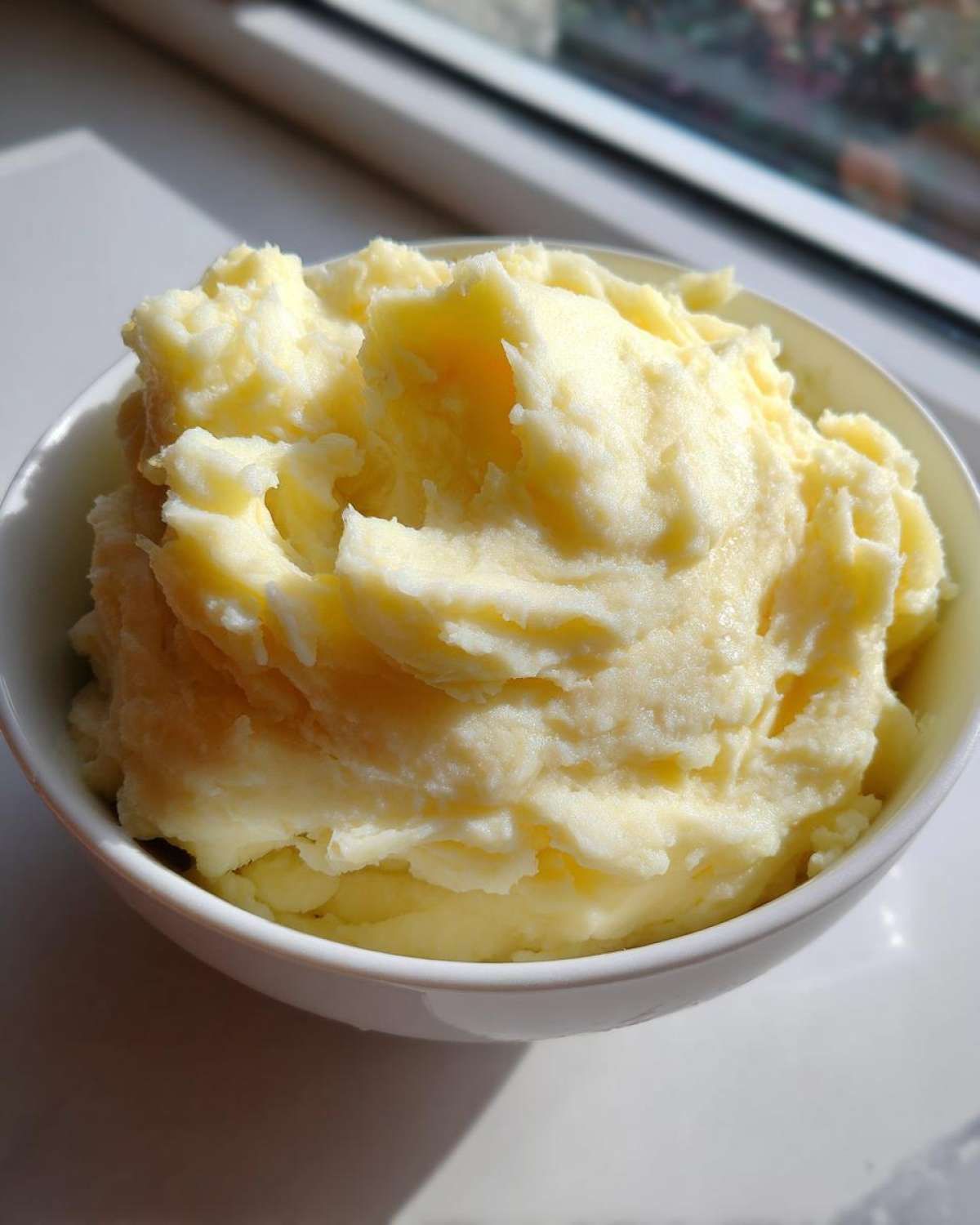
Why This is Your Go-To Recipe for Fluffy Mashed Potatoes
You need mashed potatoes that cooperate, right? So often, people end up with something dense, but these are different. They’re light, they hold their shape a little bit (that’s the fluff!), but they melt in your mouth.
- They are designed to be perfectly smooth—absolutely no sticky lumps allowed!
- We use simple methods that keep the process fast enough for a busy Tuesday night.
- These homemade mashed potatoes are the ultimate comfort food side dish staple.
Achieving Ultimate Creamy Mashed Potatoes
We stick to Yukon Gold potatoes because they naturally have less starch, which is the secret weapon for creamy mashed potatoes. Plus, warming up the milk and butter before blending it in makes sure everything incorporates smoothly without cooling down your potatoes.
Simple Potato Recipe for Any Occasion
This is your all-star side dish, ready in under an hour. It’s a fantastic weeknight potato recipe when you just need something satisfying, but it tastes rich enough to anchor any big meal, making it a reliable holiday potato side.
Essential Ingredients for Perfect Mashed Potatoes
Okay, listen up, because if you get the ingredients slightly wrong, you might end up with a potato disaster. Don’t worry, I’ve laid out exactly what I use to get that amazing texture. Clarity here makes all the difference, especially when we are aiming for smooth mashed potatoes that everyone fights over at the table.
For the base, you absolutely must grab about three pounds of Yukon Gold potatoes. Peel them, of course, and cut them into quarters so they cook evenly. We’re also loading these up with flavor right from the start—don’t skimp on adding a good tablespoon of salt to the boiling water!
The richness comes from eight tablespoons of unsalted butter, which needs to be cut into pieces before you start. We use a full cup of whole milk, but pay attention here: we warm it up before it ever touches the potatoes. I also keep my basic seasonings handy: about a teaspoon of salt and half that for black pepper.
Potato Selection and Dairy for Creamy Mashed Potatoes
The single most important player for achieving those rich, creamy mashed potatoes is the Yukon Gold. They aren’t as fluffy as Russets when raw, but they hold onto dairy like a dream, creating a gorgeous, velvety finish that doesn’t feel chalky. You can use Russets if you must, but you’ll need more careful drying, trust me.
When it comes to liquids, you need full-fat whole milk—seriously, don’t try reduced-fat here; it just doesn’t coat the starch particles the right way. And that butter? It needs to be high quality since it’s such a major flavor component. If you’re looking for a way to add even more flavor depth into your dairy mix, you can check out what I do when I add Boursin cheese to my base mix for creamy mashed potatoes. Remember, warm dairy absorbs better than cold dairy!
How to Make Perfect Mashed Potatoes: Step-by-Step Instructions
This is where most people panic, but seriously, follow these steps and you’ll see why my homemade mashed potatoes are always everyone’s favorite. It’s all about controlling moisture! We’re moving step-by-step to make sure we don’t overwork these spuds.
Cooking the Potatoes and Drying for Fluffy Mashed Potatoes Recipe
First things first: dump your peeled and quartered potatoes into a big pot. Now, here is rule number one for texture: always cover them with cold water, and make sure it’s about an inch above the potatoes. If you drop them into hot water, the outside cooks way faster than the center! Add a hefty tablespoon of salt to that water—this is your chance to season them from the inside out. Let them boil away until they are totally tender when poked with a fork, maybe 15 to 20 minutes, depending on your chop size.
Once they are done, drain them *completely*. Seriously, get all that water out. Then, put them back into the hot, empty pot and let them sit over low heat for just a minute while you shake the pot gently. This little extra second lets all that steam escape, which is crucial for a fantastic fluffy mashed potatoes recipe. If you skip that, you get watery potatoes—and nobody wants that.
Warming the Dairy and Mashing Technique
While the potatoes are resting their steam, take your butter pieces and milk and gently warm them on the stove until the butter melts. Don’t let it boil! We want warm dairy, not scalded dairy. This warm addition prevents that dramatic temperature drop when you add liquids, keeping your mash super creamy.
Now, grab your basic masher—or, if you want the *smoothest mashed potatoes* possible, grab a potato ricer. Seriously, if you want that restaurant texture, a ricer is your best friend. Mash or rice them until they look mostly uniform. I try not to go crazy with the mixing here because that’s when the starch bonds and turns things gluey. Once they’re mashed, start folding in that warm butter-milk mixture gradually, just until everything is combined and luxurious. If you’re looking for an amazing flavor booster, I share how I add roasted garlic into the initial boil for my creamy mashed potatoes right here!
Expert Tips for the Best Mashed Potatoes Texture
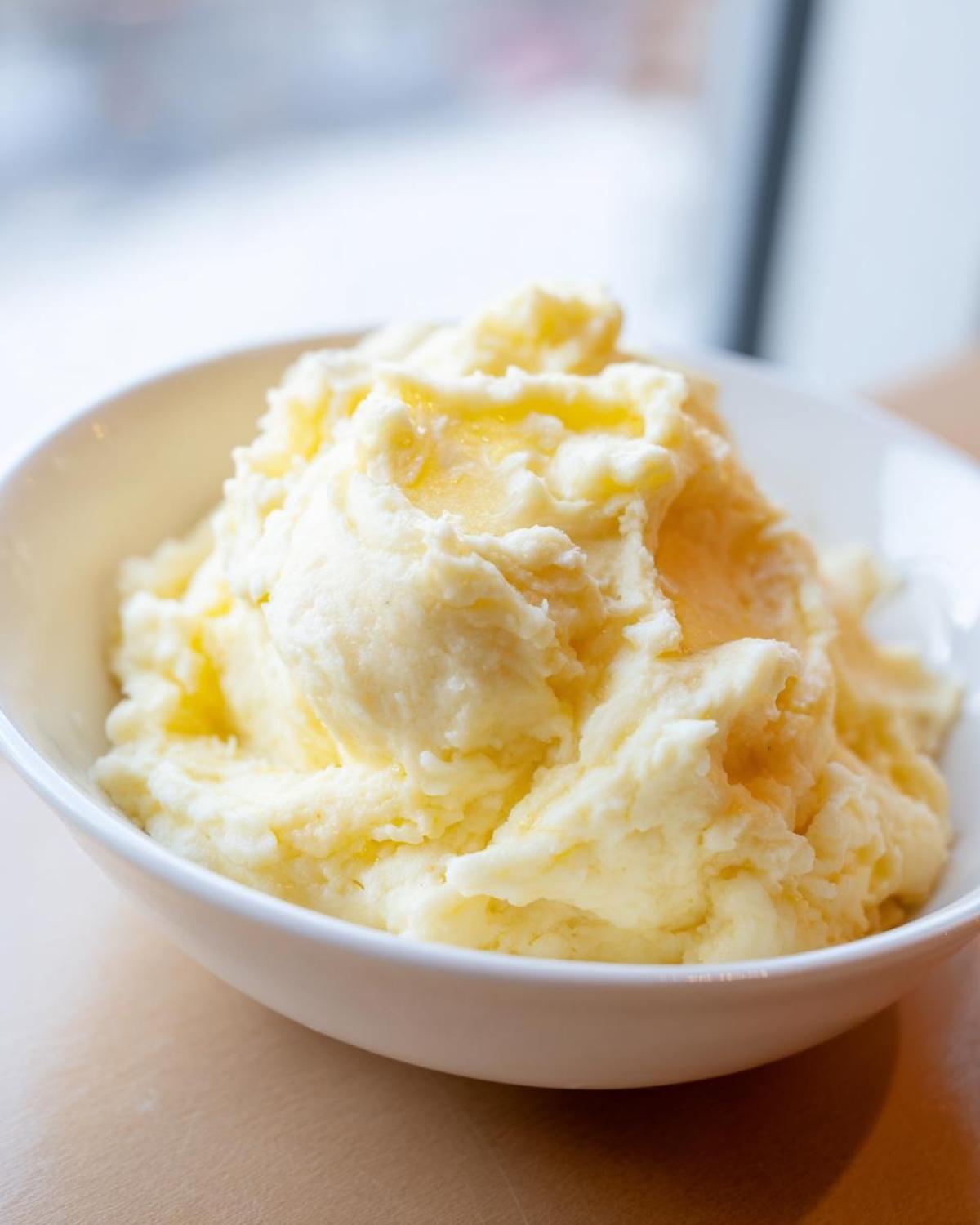
So, you’ve followed the steps, but how do we guarantee these are the absolute best? It all comes down to treating those starches gently once they are cooked. I’m big on texture, and I promise if you heed these warnings, you’ll get ultra-smooth mashed potatoes every time.
My number one tool, which I preached about above, is a potato ricer. You can use a standard hand masher, but be careful! If you mash too vigorously, you break down the starches way too much, and suddenly you have wallpaper paste instead of fantastic potatoes. Use a ricer for that light, airy result.
Here’s a little extra something I do when I want them just a touch richer and tangier: once the milk and butter are fully incorporated, I stir in two extra tablespoons of full-fat cream cheese. It melts right in, adds a beautiful, subtle tang, and it boosts that creamy factor higher than you thought possible. Just melt it gently with your dairy, and fold it in slow. You can find even more ways to elevate your technique on my guide here!
Variations on Classic Mashed Potatoes
This base recipe is perfect—it’s reliable, buttery, and delicious—but honestly, who doesn’t love options? Once you master the classic potato recipe, it’s so fun to customize it for a little twist. I hardly ever make them “plain” anymore because adding just one extra thing takes these from a great side to the absolute star of the show.
Adding Depth with Garlic Mashed Potatoes
If you want your potatoes to have that amazing, slow-cooked savory flavor without having to actually mince and sauté garlic, I’ve got the easiest trick for you. It involves the boiling water! Grab two or three whole cloves of garlic, peel them quickly, and just drop them right into the pot with your potatoes during that initial boil. They cook right alongside the spuds, softening completely.
When you drain the potatoes, just scoop those soft garlic cloves out and mash them right in with the potatoes before you add your butter and milk. They break down instantly without any harshness. This is how you get rich, deeply flavored garlic mashed potatoes without any extra pans dirty!
Making Cheesy Mashed Potatoes
Oh, the cheesy path. It’s decadent, I know, but sometimes you just need that extra salty, gooey factor, especially when you’re serving them up as a big comfort food side dish.
For the best results when making cheesy mashed potatoes, skip the pre-shredded stuff; it melts weirdly. I always reach for sharp white cheddar or good Gruyère—something with a nice bite. You want to fold this in right at the very end, after you’ve added the milk and butter mixture and you’re just stirring everything together with your spatula. The residual heat is enough to melt it perfectly smooth into the potato base. You don’t want to apply extra heat once the cheese goes in, or it can get stringy!
Serving Suggestions for Your Buttery Mashed Potatoes
Now that you have these perfectly cloud-like, buttery mashed potatoes, what are you going to eat them with? Honestly, they are good enough to eat with a spoon, but they truly shine next to something hearty. They are the ultimate foundation for gravy, so anything saucy is a must!
For a truly nostalgic dinner, they are absolute perfection alongside a rich meatloaf or roasted chicken. If you’re looking for an easy weeknight companion that practically begs for potatoes underneath it, you have to try my recipe for Salisbury Steak. The way the gravy soaks into these fluffy mounds is just dreamy. You can check out how I make the sauce for that right here!
Storage and Reheating Instructions for Leftover Mashed Potatoes
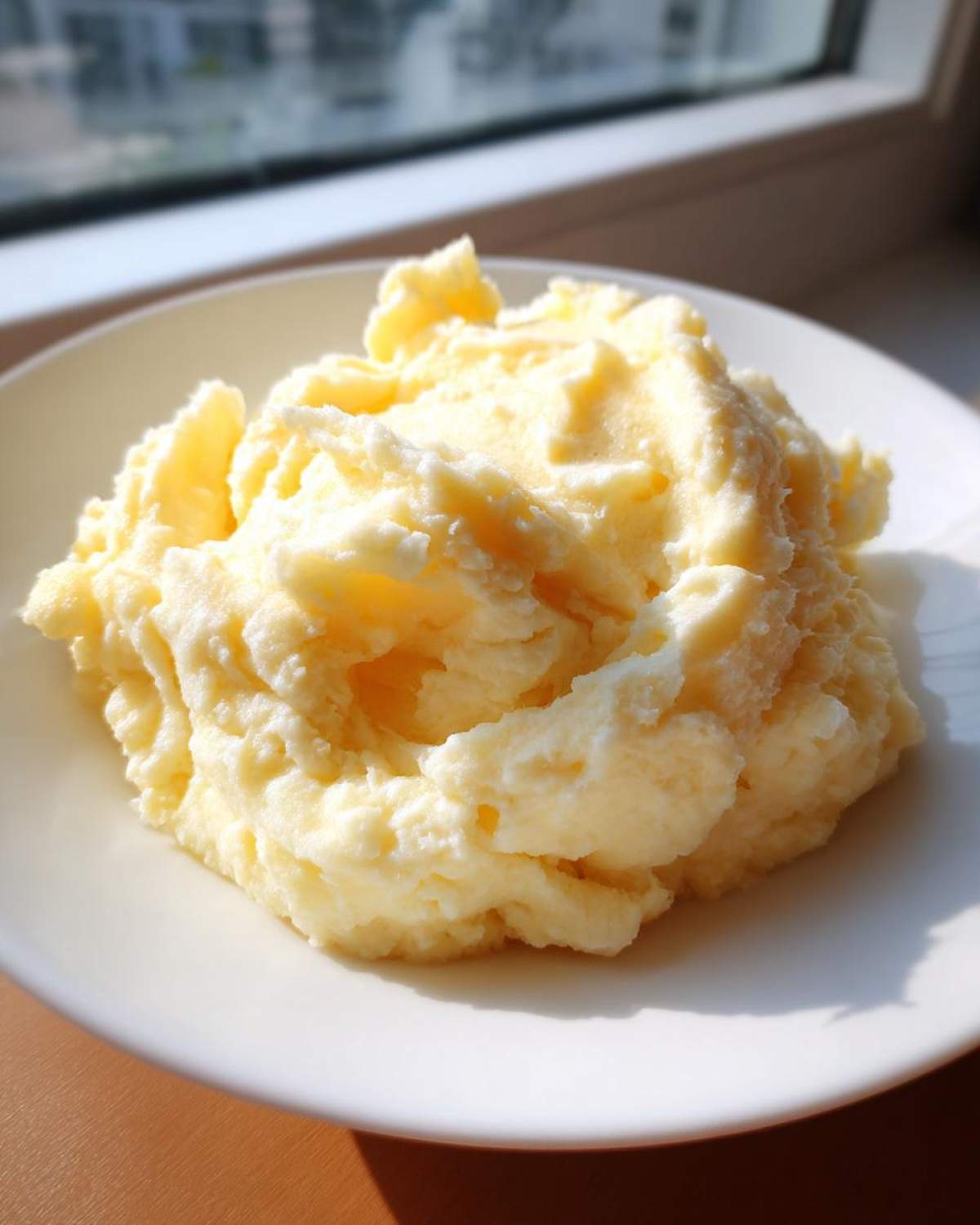
Nobody wants to waste a bite of these amazing potatoes, so let’s talk about saving them! Leftovers are fantastic, but you have to treat them right when you reheat them, or you’ll lose that fluffy magic we worked so hard to capture. For the best results with your homemade mashed potatoes, refrigeration is your friend.
Pop any leftovers into an airtight container immediately after they cool down a bit—don’t leave them sitting on the counter forever! They keep beautifully in the fridge for about three to four days. If you know you won’t get through them that fast, go ahead and freeze them! Scoop the cooled potatoes into freezer-safe bags, squeeze out all the air, and lay them flat to freeze. They’ll last for about a month this way.
Now for the secret to revival: when you reheat them, they always look a little stiff because the starch has tightened up. Whether you use the microwave or the stovetop, you MUST add in a splash of extra liquid. I usually use a tiny bit of reserved whole milk, or even just some chicken or vegetable broth sometimes, for savory depth. Warm it slowly, folding gently until they loosen up and become creamy again. Never reheat on high heat, or you risk drying them out completely. Slow and low brings back that perfect texture!
Frequently Asked Questions About Homemade Mashed Potatoes
I get so many messages after people try this recipe, and I love hearing how fluffy they turned out! But I know there are always a few last-minute snags or questions when you are making a big batch of homemade mashed potatoes for the first time. Don’t stress—I’m here to smooth out any rough edges, just like we smooth out our potatoes!
What is the best potato for creamy mashed potatoes?
Hands down, my number one recommendation for that incredible, naturally creamy mashed potatoes finish is the Yukon Gold potato. They have the perfect balance of moisture and starch. They mash up beautifully, they take butter and cream like champs, and they have this lovely, slightly buttery flavor already built-in. Russet potatoes are the go-to if you *really* want the fluffiest texture possible, because they are super high in starch. But be warned: Russets need even *more* careful drying after boiling, or you can accidentally end up with that gluey texture if you overwork them!
Can I make mashed potatoes ahead of time for Thanksgiving?
Yes, absolutely! This is a lifesaver, especially for huge meals where you need every burner going. You can definitely make them ahead. I usually cook, drain, and mash them—folding in just the butter, no milk yet—and then I cool them completely before storing them in the fridge for up to two days. When it’s time to reheat them for your holiday potato side feast, put them in a slow cooker on low or use a double boiler. You need to stir in that extra bit of milk or cream slowly while they heat up to bring back that creamy texture we love. It works like a charm!
For more amazing insights on classic potato pairings, I wrote a whole piece on tips for a truly classic potato recipe that you might find helpful!
Nutritional Snapshot of These Mashed Potatoes
Now, I know we’re talking comfort food here, and these potatoes certainly pack some rich flavor thanks to all that butter and cream! But because you asked, I wanted to show you the rough nutritional breakdown for a standard serving based on the recipe proportions we used. Remember, these are just estimates, especially since the size of your potatoes can vary, but it gives you a good idea.
This recipe yields about six generous servings. Here’s what you can generally expect in one serving of these rich, buttery mashed potatoes:
- Calories: Roughly 310
- Fat: Around 18 grams (Yes, butter matters!)
- Carbohydrates: About 34 grams
- Protein: About 5 grams
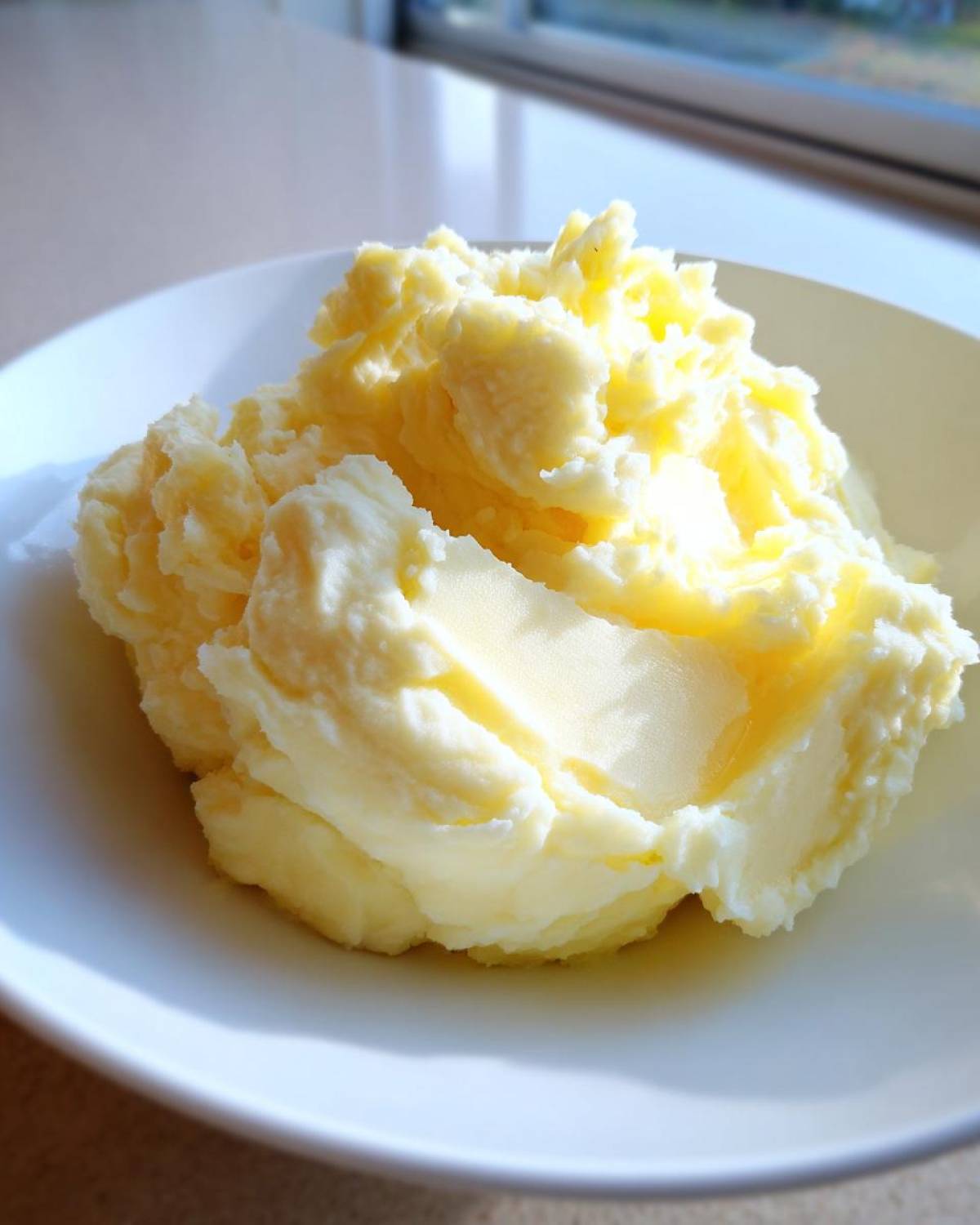
I always say that when you’re making something this classic and delicious, you should just enjoy it! This is a dinner side idea meant for celebrating, so don’t stress too much over the exact numbers. But seeing that breakdown lets you know exactly what kind of wonderful indulgence you are preparing for your friends and family.
PrintThe Best Creamy and Fluffy Mashed Potatoes
Follow these steps to make smooth, buttery mashed potatoes using Yukon Gold potatoes for a perfect side dish.
- Prep Time: 15 min
- Cook Time: 20 min
- Total Time: 35 min
- Yield: 6 servings
- Category: Side Dish
- Method: Boiling and Mashing
- Cuisine: American
- Diet: Vegetarian
Ingredients
- 3 lbs Yukon Gold potatoes, peeled and quartered
- 1 cup whole milk
- 8 tablespoons unsalted butter, cut into pieces
- 1 teaspoon salt, plus more for boiling water
- 1/2 teaspoon black pepper
Instructions
- Place the peeled and quartered potatoes in a large pot. Cover them with cold water by about one inch. Add 1 tablespoon of salt to the water.
- Bring the water to a boil over high heat. Reduce heat to maintain a steady simmer and cook until the potatoes are fork-tender, about 15 to 20 minutes.
- Drain the potatoes completely in a colander. Let them sit for 2 minutes to allow excess steam to evaporate. This step helps prevent watery mashed potatoes.
- Return the drained potatoes to the hot, empty pot. Place the pot over low heat for 1 minute, shaking gently, to dry them further. Remove from heat.
- In a small saucepan, gently warm the milk and butter together until the butter is melted. Do not boil the mixture.
- Mash the potatoes using a potato masher or a ricer until mostly smooth. Avoid over-mashing, which can make them gluey.
- Gradually pour the warm milk and butter mixture into the potatoes while gently folding with a spatula until just combined and creamy.
- Stir in the salt and pepper. Taste and adjust seasoning as needed before serving immediately.
Notes
- For the creamiest texture, use a potato ricer instead of a standard masher.
- Using warm milk and butter keeps the potatoes hot and smooth.
- For garlic mashed potatoes, simmer 2 cloves of peeled garlic with the potatoes.
Nutrition
- Serving Size: 1 serving
- Calories: 310
- Sugar: 2
- Sodium: 450
- Fat: 18
- Saturated Fat: 11
- Unsaturated Fat: 7
- Trans Fat: 0
- Carbohydrates: 34
- Fiber: 3
- Protein: 5
- Cholesterol: 45
