

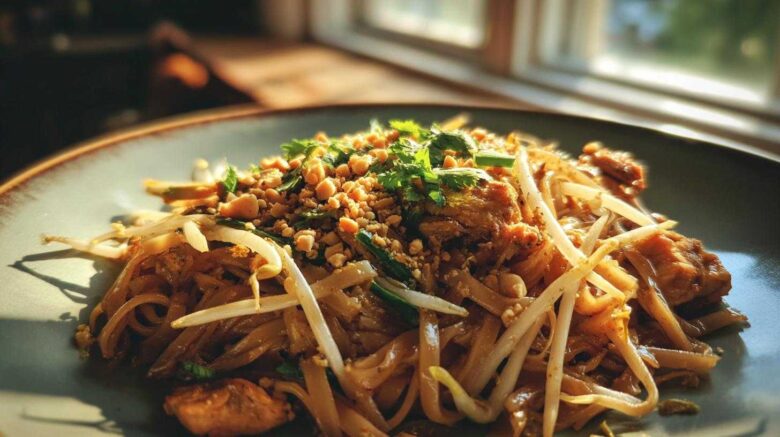
Hey food lovers! I’m Leo from Savory Skies, and today we’re diving into a dish that’s pure magic: Chicken Pad Thai. Seriously, this is the real deal, a taste of Thailand right in your own kitchen. I remember those long nights after restaurant shifts, dreaming of recreating these incredible flavors at home. This Chicken Pad Thai recipe is my answer to that dream. It’s all about a super simple yet perfectly balanced sauce and easy-to-follow steps. You’ll get that amazing sweet, sour, and salty goodness without any fuss. Get ready to impress yourself and everyone you cook for!
Why You’ll Love This Chicken Pad Thai
Get ready to fall in love with this Chicken Pad Thai! Here’s why it’s a winner:
- Quick Prep: You can have this on the table in no time.
- Amazing Flavors: It hits that perfect sweet, sour, and salty spot.
- Real Thai Taste: Enjoy authentic flavors without leaving home.
- Easy Steps: Simple instructions make it totally doable.
- Make It Yours: Easily adjust spice or add your favorite veggies.
Essential Ingredients for Authentic Chicken Pad Thai
Let’s gather our supplies for this amazing Chicken Pad Thai! Having everything ready makes cooking a breeze. You’ll need about half a pound of dried flat rice noodles. Make sure to grab a quarter cup of tamarind paste; that’s our flavor powerhouse. For that salty kick, we need three tablespoons of fish sauce. Sweetness comes from three tablespoons of palm sugar. A touch of tanginess is from one tablespoon of rice vinegar. And for a little heat, one tablespoon of sriracha or chili garlic sauce works perfectly.
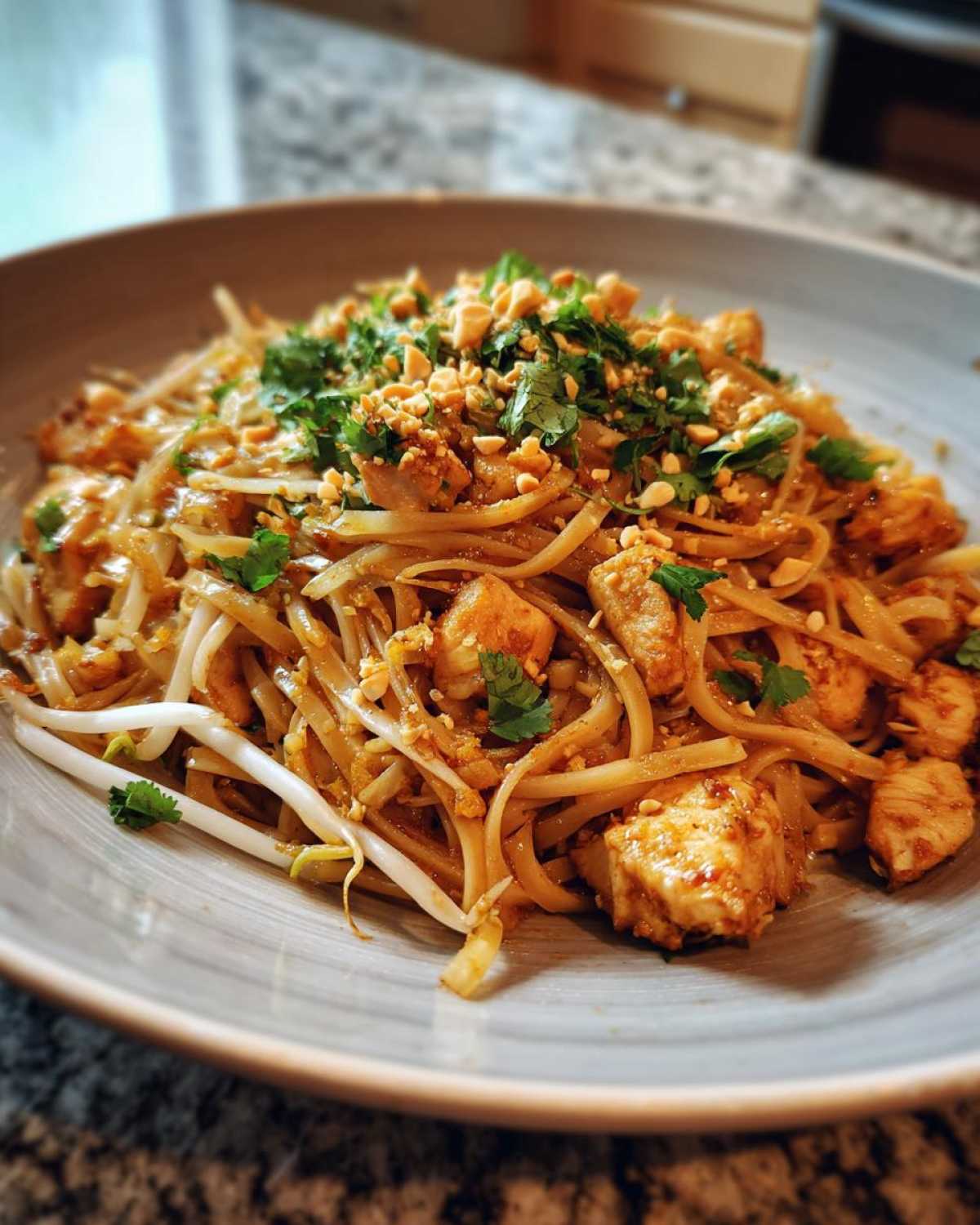
We’ll use two tablespoons of vegetable oil for cooking. For our protein, eight ounces of boneless, skinless chicken thighs, cut into bite-sized pieces, are ideal. You’ll also need two cloves of garlic, minced, and one shallot, thinly sliced. If you like, add a quarter cup of firm tofu, cubed. Two large eggs, lightly beaten, bring it all together. Finally, for freshness and crunch, get one cup of bean sprouts, half a cup of chopped peanuts, a quarter cup of chopped fresh cilantro, and two tablespoons of chopped fresh chives or green onions. Don’t forget lime wedges for serving!
Ingredient Notes and Smart Substitutions for Chicken Pad Thai
Tamarind paste is key for that signature sour note in Chicken Pad Thai. You can usually find it in Asian markets or the international aisle of larger grocery stores. If you can’t find palm sugar, don’t worry! Brown sugar is a great substitute that gives a similar caramel sweetness. Need a vegetarian twist? Skip the chicken and fish sauce. A good quality soy sauce or tamari works wonderfully. Just toss in some extra tofu or your favorite stir-fried veggies for a hearty meat-free meal. These little tweaks make this Chicken Pad Thai recipe super adaptable to what you have on hand!
Step-by-Step Guide to Making Chicken Pad Thai
Alright, let’s get cooking! Making this Chicken Pad Thai is a fun process. First, soak your dried flat rice noodles in hot water. Follow the package directions, but aim for noodles that are soft but still have a slight chew. Drain them really well so they don’t get mushy later.
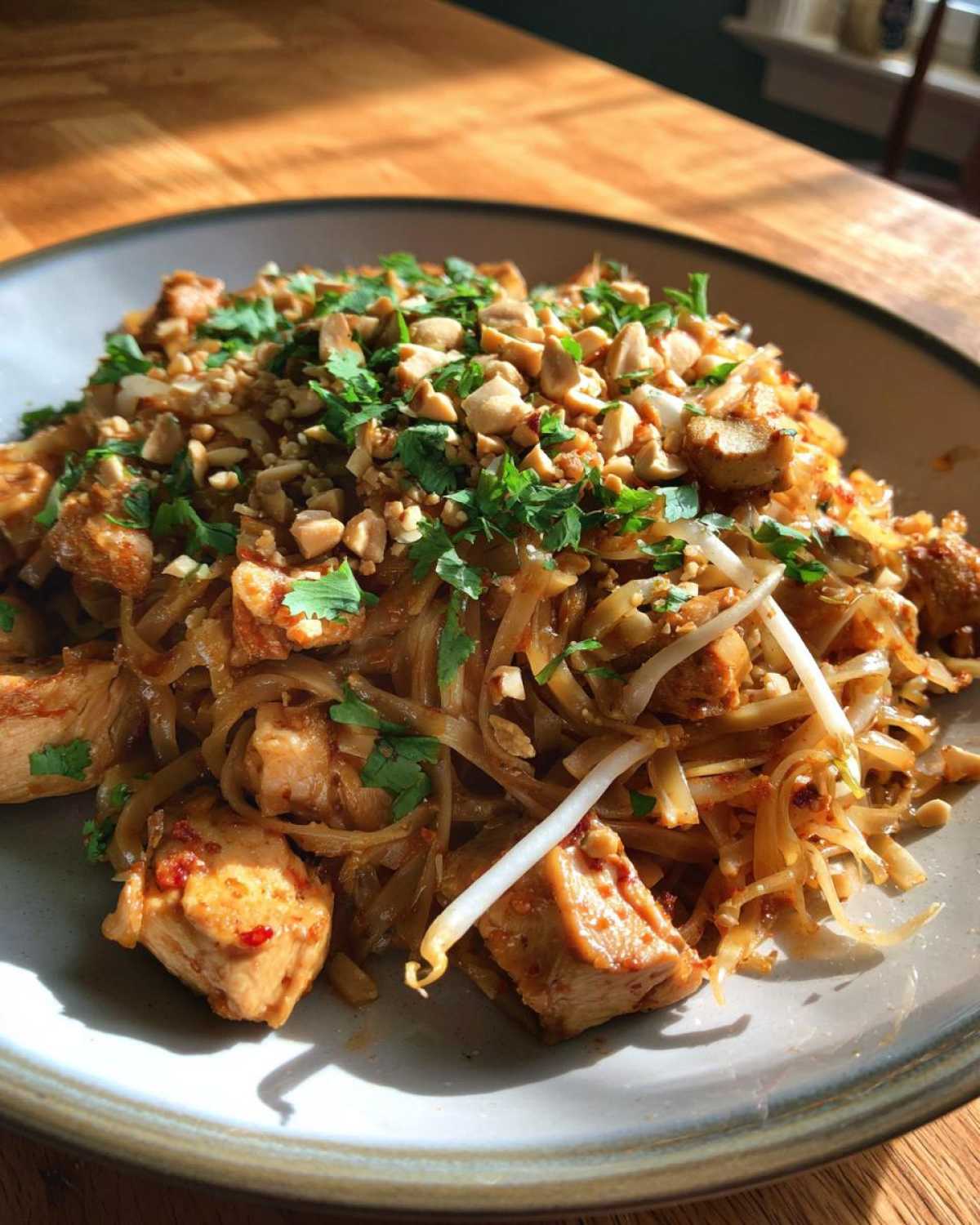
While the noodles soak, make our magic sauce. In a small bowl, whisk together the tamarind paste, fish sauce, palm sugar, rice vinegar, and sriracha. This blend is the heart of our Chicken Pad Thai. Set it aside.
Now, grab your wok or a large skillet. Heat one tablespoon of vegetable oil over medium-high heat. Add your chicken pieces and stir-fry until they’re nicely cooked through. Once done, take the chicken out of the wok.
Add the other tablespoon of oil to the hot wok. Toss in the minced garlic and sliced shallot. Stir-fry them until they smell amazing, which only takes about 30 seconds. If you’re using tofu, add it now and cook until it’s just a little golden.
Push all those aromatics and tofu to one side of the wok. Pour your beaten eggs into the empty space. Scramble them until they’re just set. Don’t overcook them!
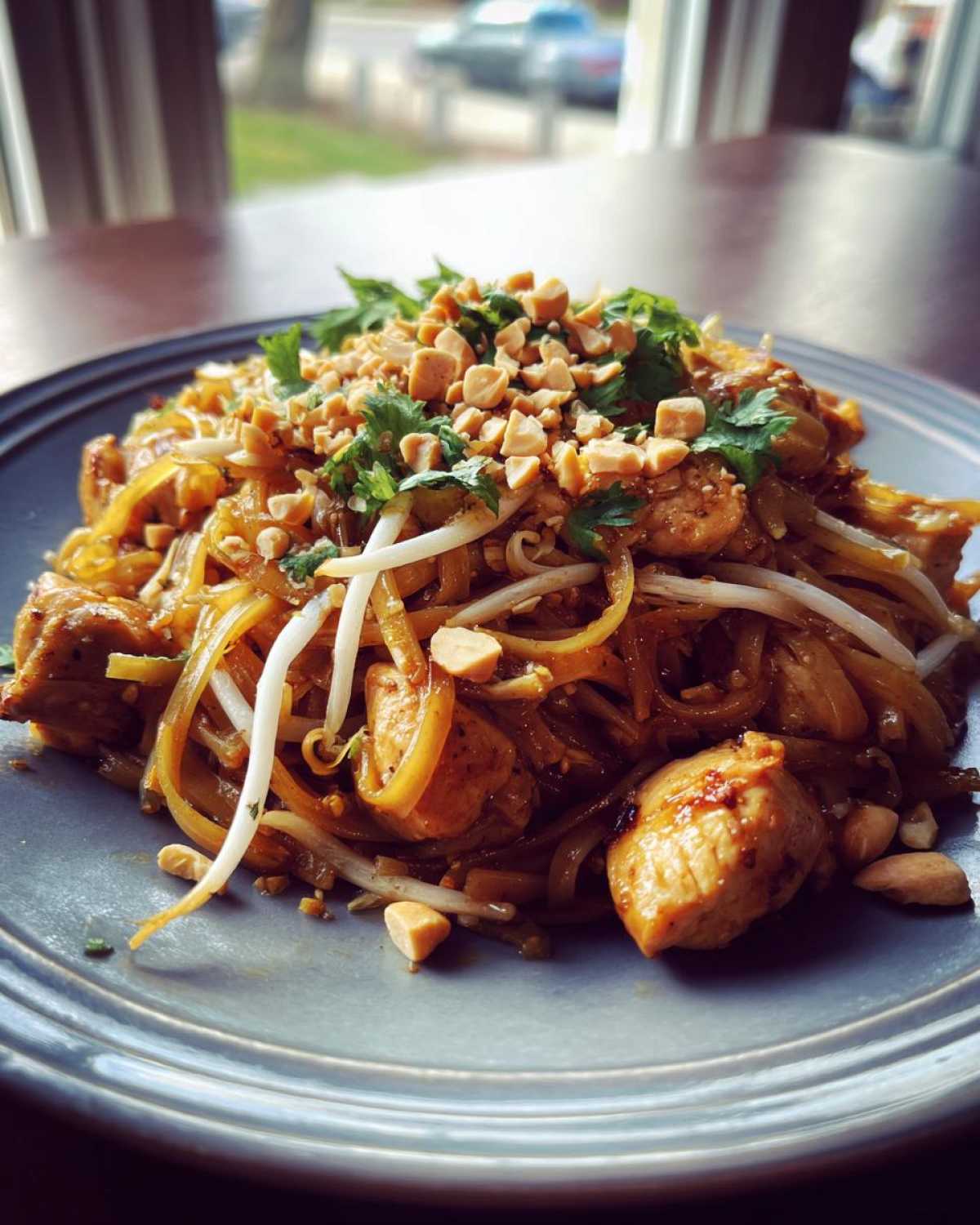
It’s time for the noodles and chicken. Add the drained noodles and the cooked chicken back into the wok. Pour our delicious sauce over everything. Toss it all together really well. Make sure every single noodle gets coated in that yummy sauce. Stir-fry for about 2 to 3 minutes. You want the noodles to be tender and the sauce to thicken up a bit.
Finally, add the bean sprouts, half of the chopped peanuts, and half of the cilantro. Give it a final toss for about a minute more. Serve your amazing Chicken Pad Thai immediately. Garnish with the rest of the peanuts, cilantro, chives or green onions, and a squeeze of fresh lime. Enjoy every bite!
Mastering the Chicken Pad Thai Sauce
The soul of this Chicken Pad Thai is its sauce. It’s a simple mix, but it creates that perfect harmony. Tamarind paste gives us the essential sourness. Fish sauce brings the salty depth. Palm sugar balances everything with its sweet, caramel notes. A splash of rice vinegar adds a little extra tang. And sriracha gives it that gentle warmth. Whisking these together ensures the flavors meld beautifully before hitting the hot wok. It’s what makes this stir-fry truly special.
Stir-Frying Techniques for Perfect Chicken Pad Thai
Achieving that restaurant-quality Chicken Pad Thai means using high heat. Get your wok or skillet really hot before you start cooking. This helps get that lovely char on the chicken and prevents sogginess. Don’t overcrowd the pan when you’re stir-frying. Cook ingredients in batches if needed. This allows them to cook evenly and develop a nice texture. Adding ingredients in the right order, like cooking the chicken first, then the aromatics and eggs, ensures each component is perfectly cooked before combining it all with the noodles.
Tips for Success with Your Chicken Pad Thai
Want your Chicken Pad Thai to be absolutely perfect every time? I’ve got a few tried-and-true tips for you. First, always prep everything before you even think about turning on the stove. Chop your chicken, mince your garlic, slice your shallots – have it all ready to go in little bowls. This is called *mise en place*, and it’s a game-changer for stir-fries.
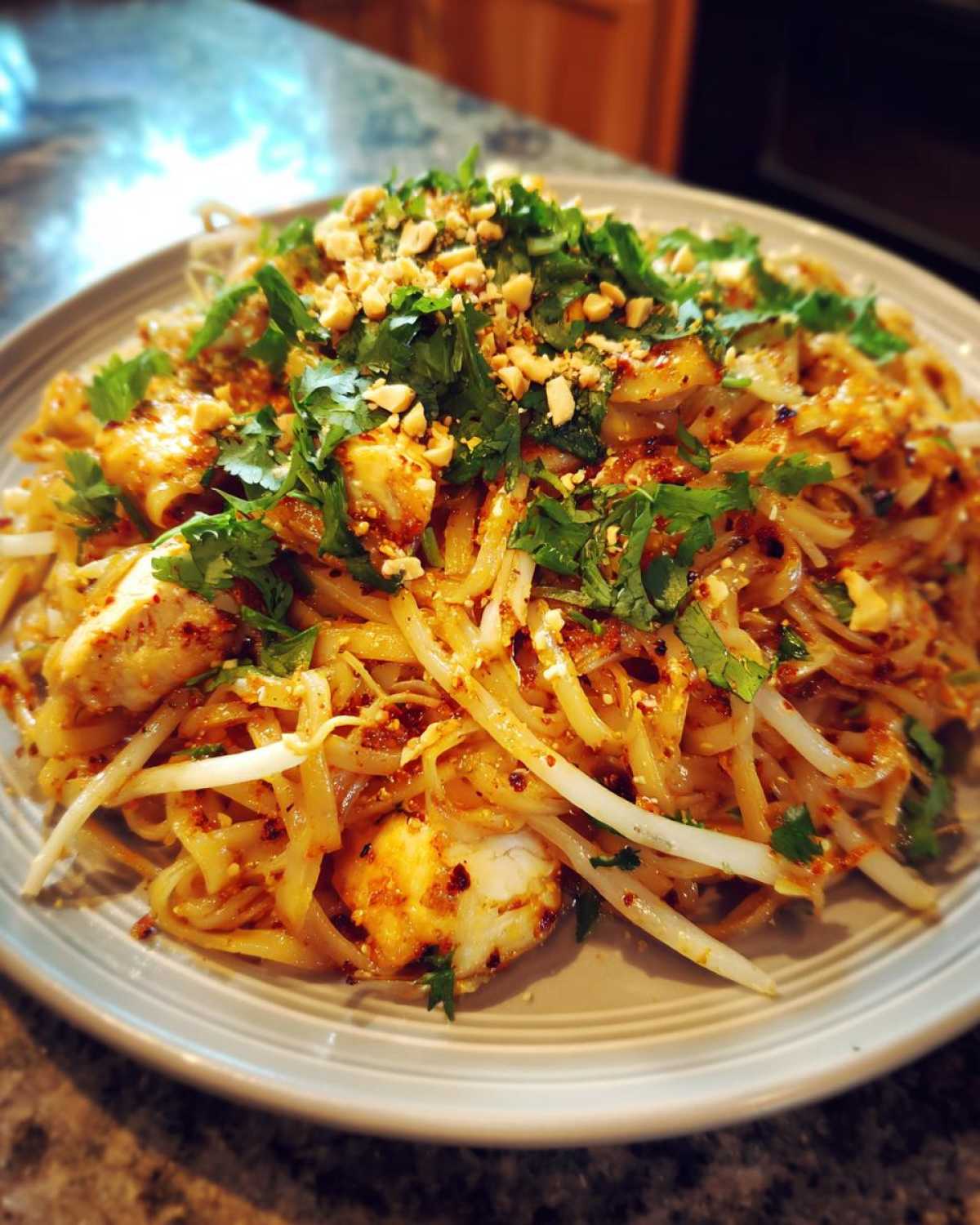
Next, that wok or skillet needs to be piping hot. Seriously, let it get really hot before you add any oil. This helps get that lovely char on the chicken and prevents the noodles from sticking. Lastly, taste your sauce before you add it to the wok. Does it need a little more sweetness? A touch more salt? A bit more tang? Adjust it until it sings! This simple step ensures your Chicken Pad Thai has the perfect flavor balance you’re looking for.
Serving and Enjoying Your Homemade Chicken Pad Thai
Now for the best part: serving up your stunning Chicken Pad Thai! I love piling it high onto plates. Sprinkle generously with those chopped peanuts for crunch. Add fresh cilantro and those bright green chives or green onions. A squeeze of fresh lime juice right before you dig in is a must. It just wakes everything up! This dish is pure comfort. It’s that perfect balance of chewy noodles, savory chicken, and that amazing sauce. Enjoy that authentic Thai taste!
Frequently Asked Questions About Chicken Pad Thai
Got questions about whipping up this Chicken Pad Thai? I’ve got answers! Can you make this vegetarian? Absolutely! Just skip the chicken and fish sauce. Use soy sauce or tamari instead. What about tamarind paste? It’s what gives our Chicken Pad Thai that essential tangy flavor. You can find it in most Asian markets or the international aisle of larger grocery stores. How spicy is it? I’ve added a tablespoon of sriracha, but you can totally adjust that to your liking. Want it milder or spicier? Just change the amount! Can I use different noodles? While flat rice noodles are traditional for Pad Thai, you can experiment with other wide rice noodles if needed. Just be sure to cook them to the right tenderness.
Storing and Reheating Leftover Chicken Pad Thai
Leftover Chicken Pad Thai is a treasure! Let it cool completely. Then, store it in an airtight container in the fridge. It should keep well for about two days. To reheat, a wok or skillet over medium heat is best. Add a tiny splash of water if it seems dry. You can also use the microwave, but stir it halfway through for even heating. This keeps your delicious stir-fry tasting great!
About the Author and Savory Skies
Hey there! It’s Leo from Savory Skies. Our kitchen adventures started years ago, back when Amara, Chef Tariq, and I were finding our feet in the restaurant world. We learned so much, but we always dreamed of a place where we could just share our pure love for food. That’s Savory Skies – it’s built on passion, experience, and a whole lot of shared laughter. We believe cooking should be joyful and accessible. Chef Tariq brings his decades of wisdom, Amara adds her beautiful touch and family recipes, and I bring my endless curiosity for new flavors. We want to help you find that same joy in your own kitchen. We’re so happy to share our journey with you! You can find more of our recipes on our blog.
Nutritional Estimate for Chicken Pad Thai
Here’s a general idea of what you’re getting in a serving of this Chicken Pad Thai:
- Calories: Around 550
- Fat: About 20g
- Protein: Roughly 30g
- Carbohydrates: Approximately 65g
- Sodium: Around 1200mg
Remember, these numbers are estimates and can change based on your specific ingredients and portion sizes.
PrintChicken Pad Thai: 3 Perfect Flavor Tips
A classic Chicken Pad Thai recipe that balances sweet, sour, and salty flavors. This guide offers an approachable sauce and simple techniques for a delicious homemade stir-fry.
- Prep Time: 20 minutes
- Cook Time: 15 minutes
- Total Time: 35 minutes
- Yield: 2-3 servings
- Category: Main Course
- Method: Stir-fry
- Cuisine: Thai
- Diet: Vegetarian
Ingredients
- 1/2 pound dried flat rice noodles
- 1/4 cup tamarind paste
- 3 tablespoons fish sauce
- 3 tablespoons palm sugar
- 1 tablespoon rice vinegar
- 1 tablespoon sriracha or chili garlic sauce
- 2 tablespoons vegetable oil
- 8 ounces boneless, skinless chicken thighs, cut into bite-sized pieces
- 2 cloves garlic, minced
- 1 shallot, thinly sliced
- 1/4 cup firm tofu, cubed (optional)
- 2 large eggs, lightly beaten
- 1 cup bean sprouts
- 1/2 cup chopped peanuts
- 1/4 cup chopped fresh cilantro
- 2 tablespoons chopped fresh chives or green onions
- Lime wedges, for serving
Instructions
- Soak rice noodles in hot water according to package directions until softened but still firm. Drain well.
- In a small bowl, whisk together tamarind paste, fish sauce, palm sugar, rice vinegar, and sriracha. Set aside.
- Heat 1 tablespoon of vegetable oil in a large wok or skillet over medium-high heat. Add chicken and stir-fry until cooked through. Remove chicken from the wok.
- Add the remaining 1 tablespoon of vegetable oil to the wok. Add garlic and shallot and stir-fry until fragrant, about 30 seconds. If using tofu, add it now and stir-fry until lightly golden.
- Push the garlic, shallot, and tofu to one side of the wok. Pour the beaten eggs into the empty side and scramble until just set.
- Add the drained noodles, cooked chicken, and the prepared sauce to the wok. Toss everything together well, ensuring the noodles are evenly coated.
- Stir-fry for 2-3 minutes, or until the noodles are tender and the sauce has thickened slightly.
- Add bean sprouts, half of the peanuts, and half of the cilantro. Toss to combine and cook for another minute.
- Serve immediately, garnished with the remaining peanuts, cilantro, chives or green onions, and lime wedges.
Notes
- For a vegetarian option, omit the chicken and fish sauce. Use soy sauce or tamari and add extra firm tofu or vegetables.
- Adjust the sriracha to your preferred level of heat.
- If you don’t have palm sugar, you can substitute with brown sugar.
- Ensure your wok or skillet is very hot before adding ingredients for the best stir-fry results.
Nutrition
- Serving Size: 1 serving
- Calories: 550
- Sugar: 25g
- Sodium: 1200mg
- Fat: 20g
- Saturated Fat: 5g
- Unsaturated Fat: 15g
- Trans Fat: 0g
- Carbohydrates: 65g
- Fiber: 5g
- Protein: 30g
- Cholesterol: 150mg
