

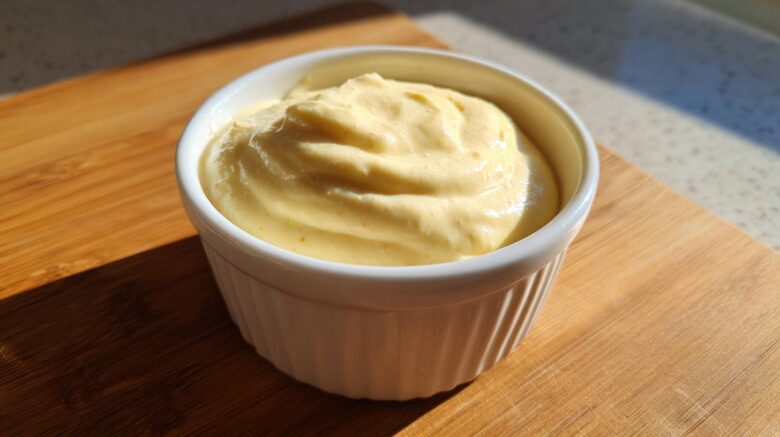
The Joy of Making Real Homemade Mayonnaise
Back in the kitchen with Amara and Chef Tariq, we learned so much. But some things just clicked instantly. Making real homemade mayonnaise from scratch is one of those kitchen magic moments. Forget those jars sitting on the shelf. We are talking about something truly different here. This recipe for homemade mayonnaise is quick. It is unbelievably creamy. You will never go back to the store-bought stuff, I promise you that.
It’s an emulsion that feels like a small victory. Once you master this, you feel like a kitchen wizard. Ready to see how simple it truly is?
Why You Should Make Homemade Mayonnaise Today
Store-bought mayo tastes flat, right? It just sits there. Our fresh mayonnaise explodes with clean flavor. That flavor comes from using simple, quality ingredients. I am always asking “what if?” in the kitchen. What if we made it right now? The answer is yes. You can whip this up faster than a takeout order arrives.
This method is so fast. Seriously, five minutes is all you need. That speed blows my mind every time. Think about the sandwiches you’ll upgrade. Or the salads that will taste brighter. Making your own DIY mayonnaise is empowering. It shows you control the freshness. It brings true flavor back to your plate. This simple technique gives you that perfect, thick texture.
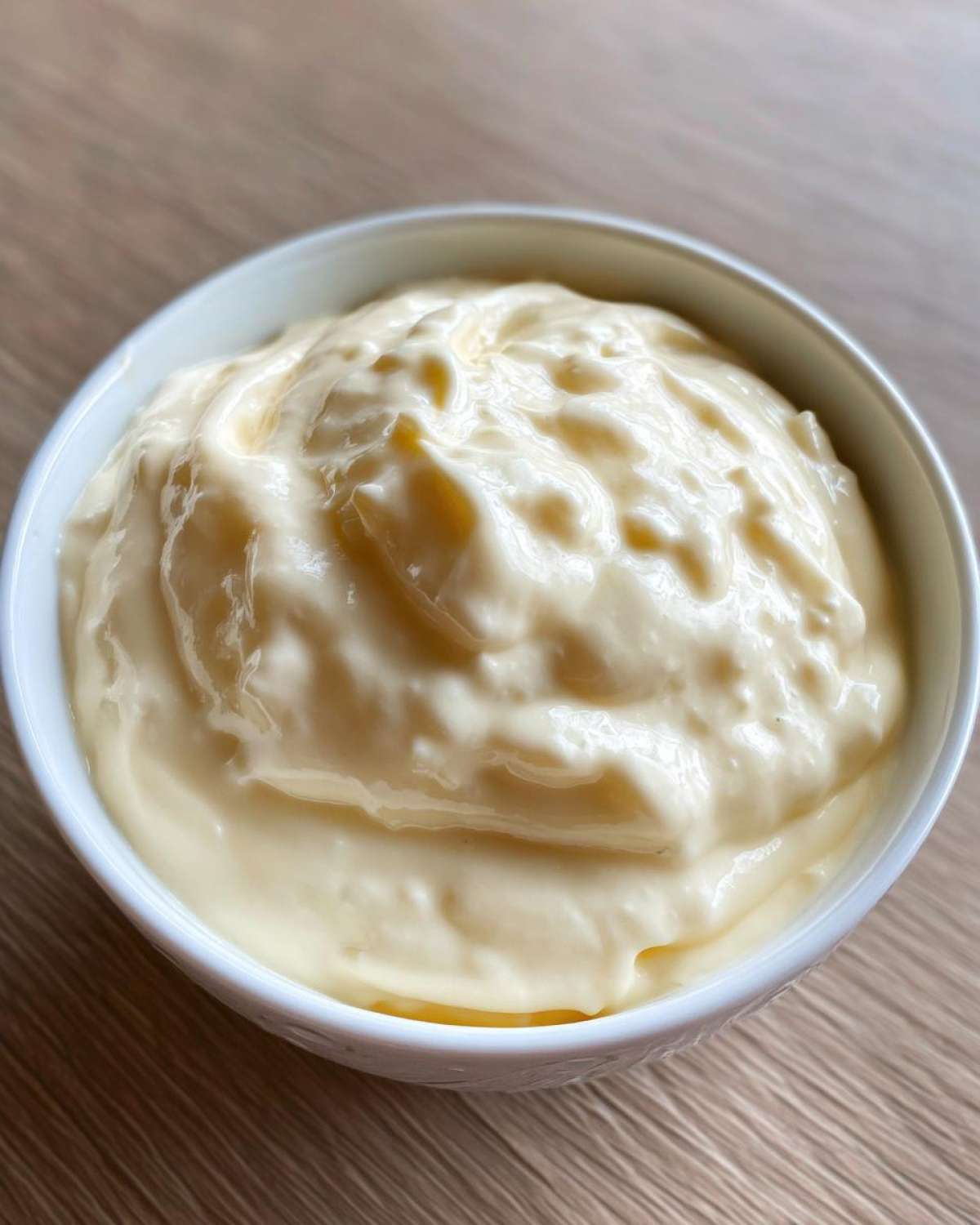
Essential Ingredients for Perfect Homemade Mayonnaise
The beauty of this recipe lies in its simplicity. We only need five core things. Chef Tariq always stressed respecting the ingredients. And with mayonnaise, that respect starts with temperature.
When ingredients are cold, they fight each other. They don’t want to become one creamy sauce. We want harmony here, not a battle.
Keep your space calm. Gather everything first. This speeds up the process immensely. Let’s look closely at what you need for this amazing homemade mayonnaise.
Ingredient Clarity and Temperature Control
Every part plays a role in the emulsion. Get these measurements right.
- One large egg yolk. It must be room temperature.
- One teaspoon Dijon mustard. This helps stabilize things.
- One teaspoon fresh lemon juice or vinegar. This adds necessary tang.
- Half a teaspoon of salt. Flavor balance is key here.
- One cup neutral oil. Think canola or grapeseed oil.
Temperature is non-negotiable for success. Cold ingredients lead to a split mess. I learned this the hard way early on. Room temperature items combine easily. The oil, the yolk, and the acid must all be warmish. This warmth lets the fat droplets hug the water content. That hug creates that thick, luscious texture we want. It shows Tariq’s lesson in action.
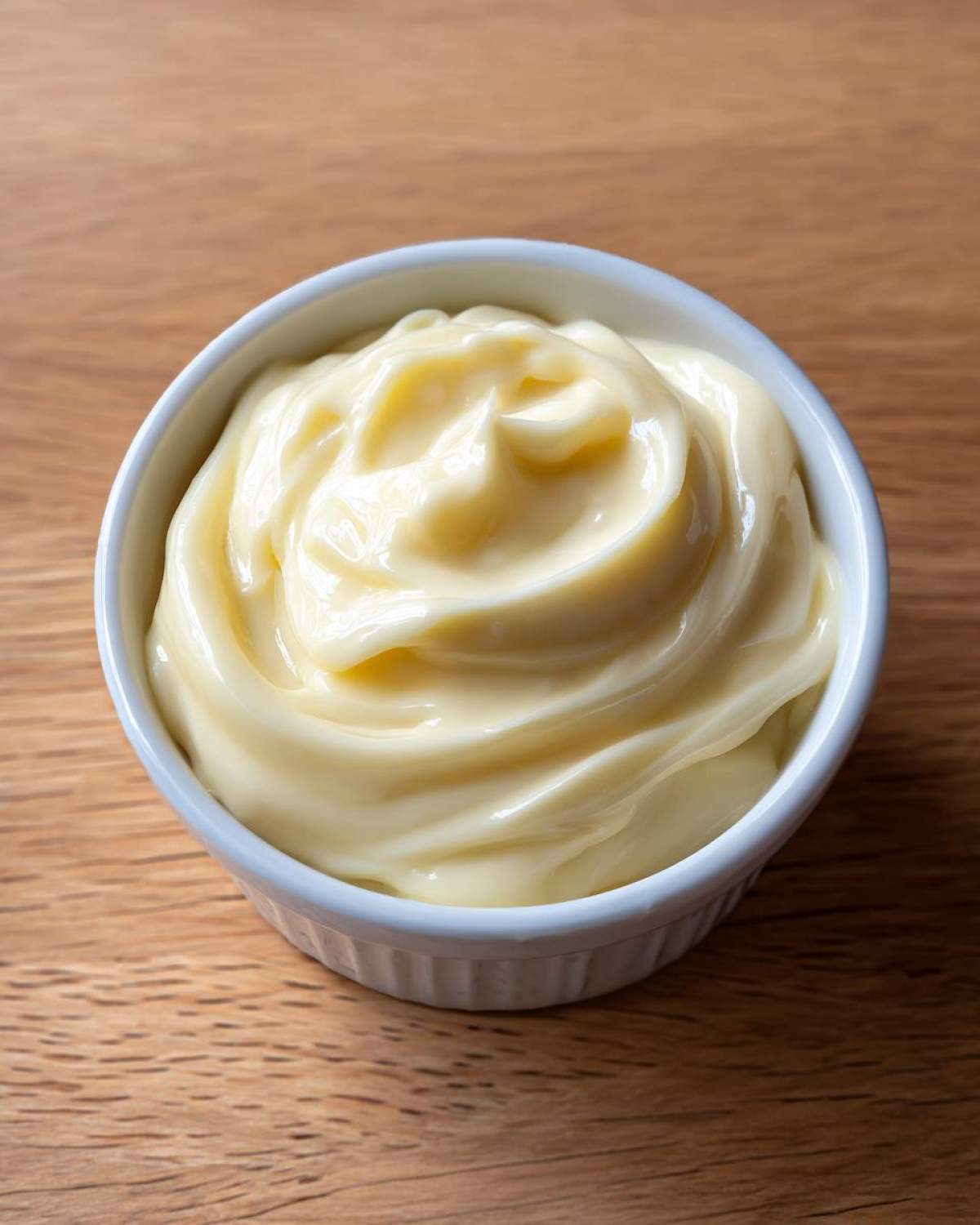
The Quick Method for Foolproof Homemade Mayonnaise
Now for the fun part. This method is fast. It’s why I love making this fresh mayonnaise at home. Forget standing over a stove. We are using speed to our advantage here. The immersion blender makes this foolproof. It turns a tricky process into a five-minute job. I still marvel at how quickly it thickens up.
We combine our base ingredients first. This sets the stage for the magic. Pay close attention to the oil addition. That’s where the magic happens, truly.
Starting the Emulsion: The Critical First Steps
Get your yolk, mustard, lemon juice, and salt ready. Whisk them together well first. They need to be friends before the oil arrives. Now, the oil comes in. This is the moment of truth, folks.
Add the oil drop by drop initially. I mean tiny drops at first. You must whisk constantly and vigorously. Don’t stop whisking, even for a second. This slow start builds the emulsion structure. It traps the fat perfectly. If you rush this part, your mayo will break. I learned that lesson early, trust me.
Only add about a quarter cup this way. You’ll see it start to get slightly hazy. That means you’re winning.
Incorporating the Oil for Creamy Homemade Mayonnaise
Once that initial thickening happens, you can relax a bit. You’ve earned it! Now, switch to a very thin, steady drizzle of oil. Keep that whisk moving quickly, always. The mixture will transform before your eyes. It goes from liquid to thick sauce fast.
If you’re using the immersion blender, it’s even simpler. Put the head right to the bottom of the jar. Turn it on high speed. Hold it steady there. Watch the white, creamy base form instantly at the bottom. Once you see that solid base, slowly tilt the blender up. This pulls the rest of the oil down into the mix. Boom. Perfect, thick homemade mayonnaise in seconds. It’s pure kitchen science magic.
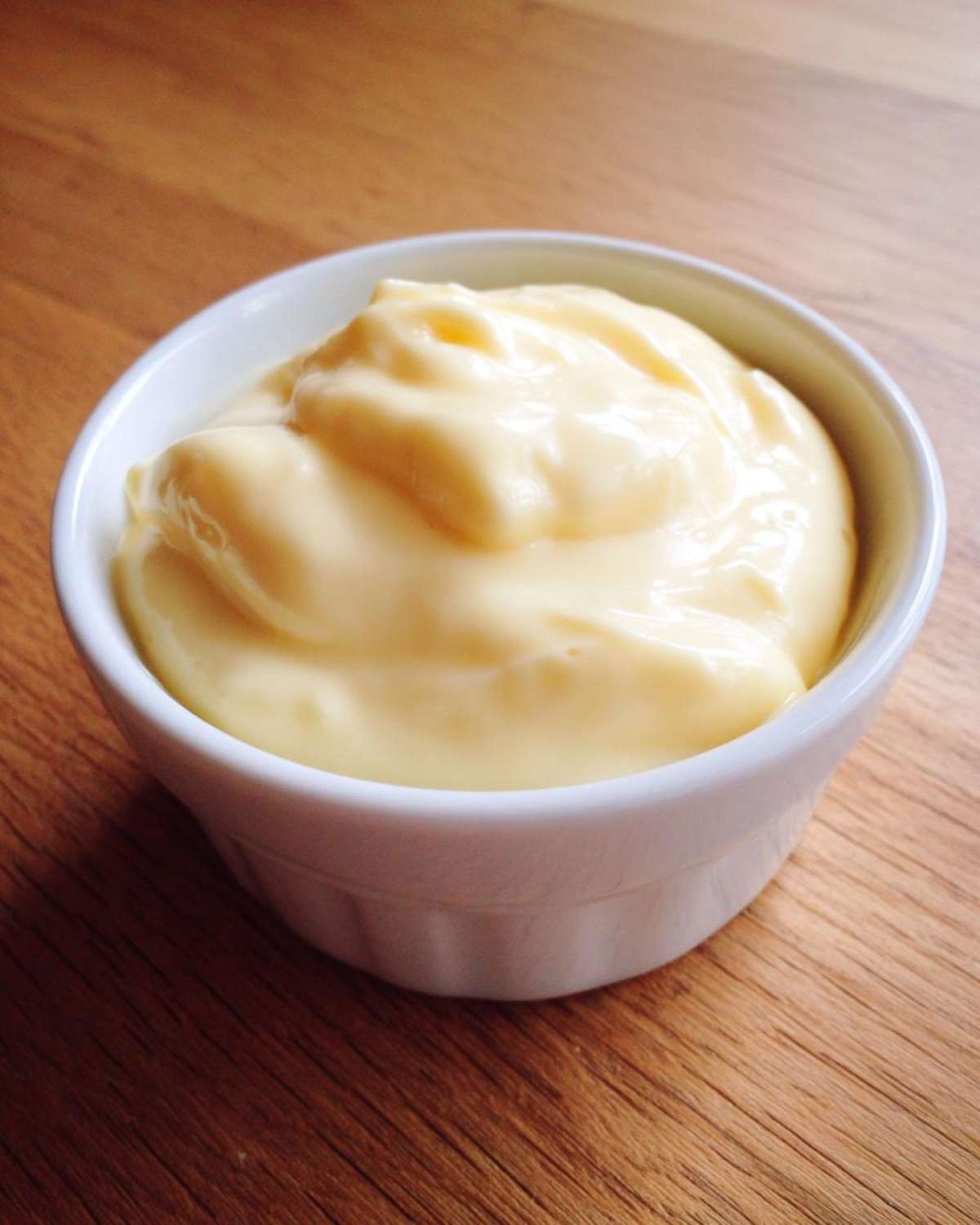
Tips for Success with Homemade Mayonnaise
Even with the best methods, sometimes things go sideways. Don’t panic if your sauce separates. I’ve seen it happen to the best cooks. Chef Tariq always told us mistakes are just chances to learn more. This is true for making fresh mayonnaise too.
Experience in the kitchen teaches you recovery. A broken mayo looks oily and thin. It’s disappointing, yes. But we can fix it easily. Always remember that oil and water don’t mix naturally. We force them to cooperate. This is a great example of forced emulsification.
The key is starting over gently. This rescue technique is a lifesaver. Keep a clean bowl ready just in case.
Troubleshooting a Broken Homemade Mayonnaise
If your mixture splits and looks oily, follow these steps. This brings back that creamy texture.
- Grab a new, clean bowl.
- Place one fresh egg yolk inside it.
- Start whisking that new yolk slowly.
- Now, whisk the broken mixture in very slowly.
- Add the broken sauce one teaspoon at a time.
Keep whisking constantly during this slow addition. The new yolk will grab the loose oil. It rebuilds the emulsion structure for you. Soon, you’ll have that beautiful, thick homemade mayonnaise back. It proves you can handle any kitchen hiccup!
Flavor Variations for Your Homemade Mayonnaise
Once you nail the basic creamy texture, it’s time to play. This is where my curiosity really kicks in! Why stick to just one flavor profile? Our simple base is a blank canvas. You can customize this fresh mayonnaise easily. It’s so rewarding to tweak a classic recipe.
Think about what you love on your sandwich. Or what would brighten up your potato salad. A few tiny additions make a huge difference here. These small changes result in big flavor returns.
Creating Garlic Aioli or Tangy Variations
Want a punchy garlic aioli? That’s simple. Add one small clove of fresh minced garlic. Mix it right in with the egg yolk and mustard. The flavor deepens beautifully. It adds incredible richness. Garlic is a powerhouse flavor.
For a different kind of zing, switch the acid up. Instead of lemon juice, try white wine vinegar. This gives a sharper, more traditional tang. It works wonders on fried fish. Remember, these small tweaks showcase your style. They make your homemade mayonnaise truly yours.
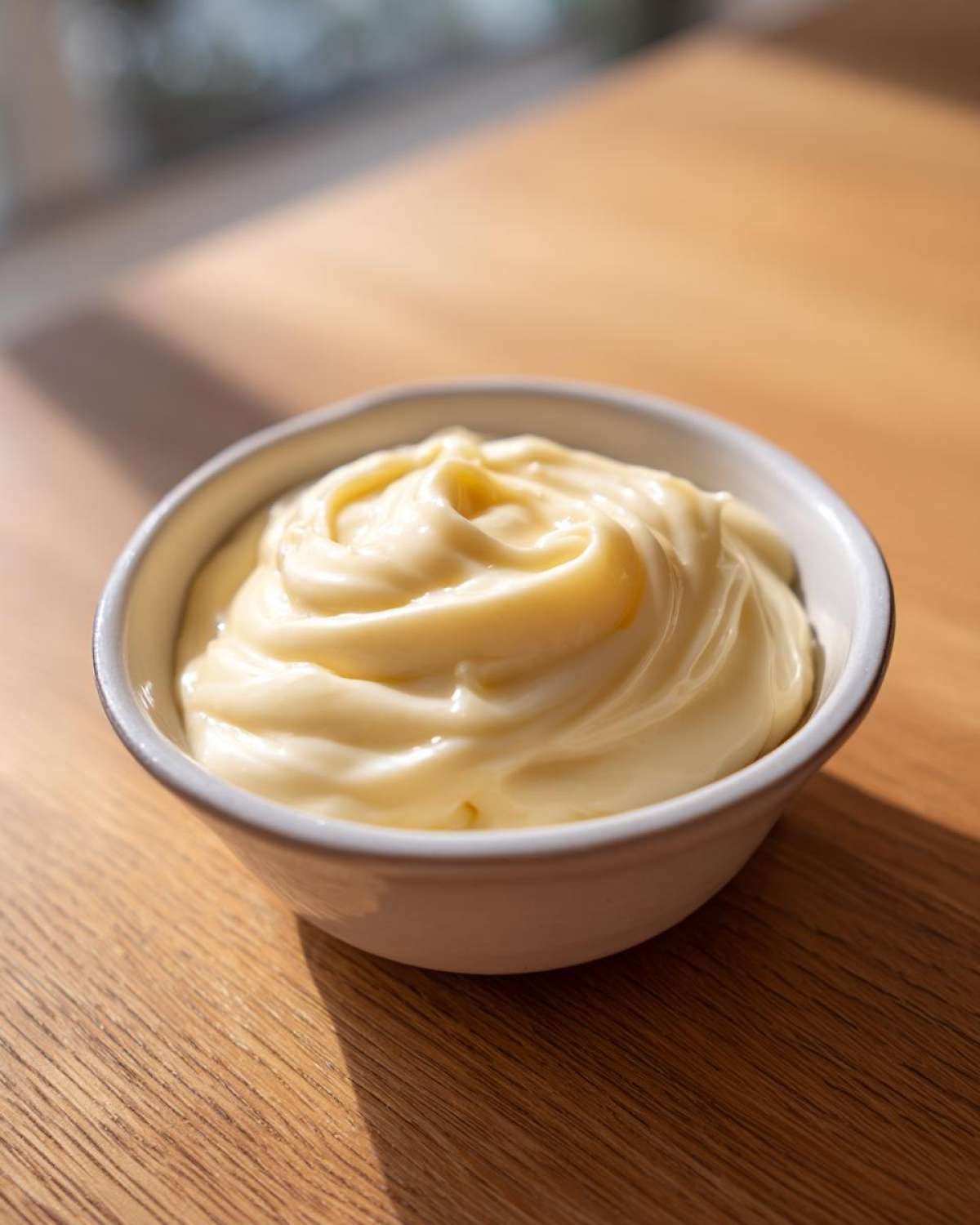
Serving Suggestions for Fresh Homemade Mayonnaise
You made it! Now, what do we do with this amazing fresh mayonnaise? Don’t let it just sit there waiting. Use it right away. This creamy sauce elevates simple meals instantly. It’s perfect for your lunch routine.
Spread it thick on your next turkey sandwich. It tastes miles better than the jarred stuff. Toss your favorite greens with a spoonful for a quick salad dressing. It also makes an incredible dipping sauce for crisp fries. Enjoy the pure flavor!
Storing Leftover Homemade Mayonnaise
You’ve created something special here. Treat your fresh mayonnaise with care. Amara always reminds us that good food deserves respect. Store any extra sauce properly. You need an airtight container for it.
Keep it in the refrigerator right away. Homemade mayonnaise lasts about one week. That’s much shorter than the store stuff. But trust me, you’ll eat it all much faster than that. Enjoy the freshness while it lasts!
Frequently Asked Questions About Homemade Mayonnaise
I get so many questions about making this recipe. It’s natural when you try something new. People worry about the raw egg. They worry about the texture, too. Let’s clear up some common doubts about our easy mayonnaise.
These little answers can boost your confidence. They help you achieve that perfect, thick result every time. Feel free to experiment after you get the basics down.
Can I Make Homemade Mayonnaise Without an Egg Yolk?
That is a tough one for a true emulsion. The yolk is the emulsifier here. It holds the oil and acid together tight. Without it, the mixture often breaks easily. Some people try aquafaba for vegan options. But for this classic recipe, use the yolk. It gives the best, creamiest results.
How Long Does Fresh Homemade Mayonnaise Last?
Since we use raw egg, be cautious. Unlike commercial products, ours lacks strong preservatives. Keep your DIY mayonnaise airtight in the fridge. It is best used within seven days. Taste it before using it after day five. Freshness is key for the best flavor.
What is the Best Oil to Use for Homemade Mayonnaise?
I strongly suggest neutral oils for your first attempts. Canola or grapeseed oil work wonderfully. They let the lemon and mustard flavors shine through. Stronger oils like olive oil can taste bitter. That bitterness overpowers the whole sauce. Stick to light oils for that clean taste. Understanding the differences in cooking oils is important.
Share Your Experience Making Homemade Mayonnaise
I’m so excited for you to try this! Did you get that perfect, creamy texture? Tell us how your first batch of homemade mayonnaise turned out. Drop a comment below. Rate your success and share your kitchen adventures with Savory Skies today!
PrintAmazing 5-Ingredient Homemade Mayonnaise Secret
Make rich, creamy homemade mayonnaise from scratch in minutes. This foolproof recipe uses simple ingredients and a quick blending method for the freshest flavor possible. It’s perfect for sandwiches, salads, or dips.
- Prep Time: 5 minutes
- Cook Time: 0 minutes
- Total Time: 5 minutes
- Yield: About 1 1/4 cups
- Category: Condiments & Sauces
- Method: Whisking or Immersion Blending
- Cuisine: American/French
- Diet: Vegetarian
Ingredients
- 1 large egg yolk, room temperature
- 1 teaspoon Dijon mustard
- 1 teaspoon fresh lemon juice (or white wine vinegar)
- 1/2 teaspoon salt
- 1 cup neutral oil (like canola or grapeseed), room temperature
Instructions
- Ensure the egg yolk, mustard, and lemon juice are at room temperature before starting.
- In a small bowl or the jar you plan to use for blending, whisk together the egg yolk, Dijon mustard, lemon juice, and salt until combined.
- Slowly begin adding the oil, drop by drop, while whisking constantly and vigorously. This initial slow addition is crucial to start the emulsion.
- Once the mixture begins to thicken slightly (after about 1/4 cup of oil added), you can increase the oil stream to a very thin, steady drizzle while continuing to whisk rapidly.
- Continue adding the oil until all the oil is incorporated and the mayonnaise is thick and creamy.
- If using an immersion blender: Place the blender head at the bottom of the jar, turn it on high, and hold it still until the mayonnaise forms at the bottom. Slowly tilt and lift the blender to incorporate the remaining oil.
- Taste and adjust seasoning if needed. Store in an airtight container in the refrigerator.
Notes
- Use room temperature ingredients; cold ingredients increase the chance of the mayonnaise breaking.
- If your mayonnaise splits, place a second egg yolk in a clean bowl and slowly whisk the broken mixture into the new yolk, one teaspoon at a time, to re-emulsify.
- For a garlic aioli flavor, add one small clove of minced garlic with the egg yolk.
- For a tangier flavor, swap the lemon juice for white wine vinegar.
Nutrition
- Serving Size: 1 Tablespoon
- Calories: Approx. 90-100
- Sugar: Trace
- Sodium: Approx. 50mg
- Fat: Approx. 10g
- Saturated Fat: Approx. 1.5g
- Unsaturated Fat: Variable
- Trans Fat: 0g
- Carbohydrates: Trace
- Fiber: 0g
- Protein: Less than 1g
- Cholesterol: Approx. 30mg
