

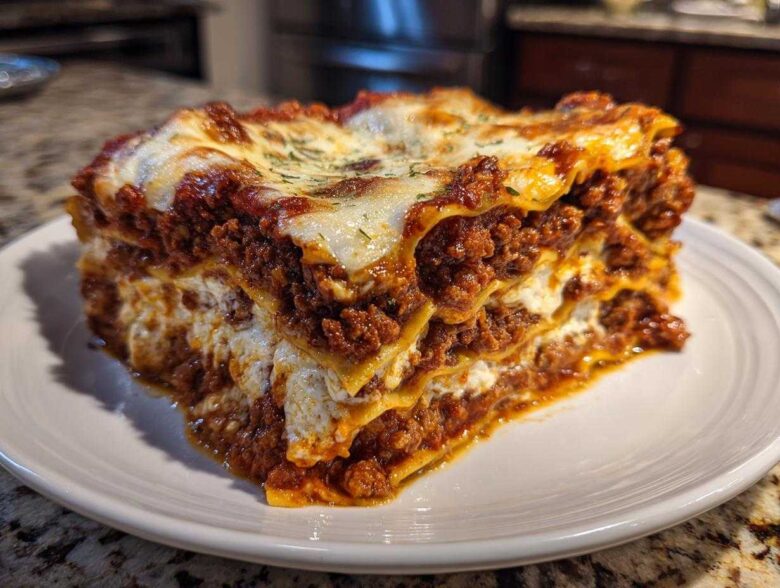
Oh, honestly, is there anything in the world that screams ‘home’ and ‘comfort’ louder than a bubbling, cheesy pan of lasagna? I’m talking layers upon glorious layers. When my family shows up, they don’t ask what we’re having for dinner; they just expect the lasagna. It’s ritualistic! And I’m always happy to deliver, because making a truly spectacular Homemade Classic Beef Lasagna from scratch is way more satisfying than opening a frozen box.
This isn’t just some quick weeknight assembly job, though we all need those sometimes. This recipe is for when you want the real deal—the kind where the meat sauce simmers slow enough to make your entire house smell like Nonna’s kitchen. Trust me, once you nail the sauce and the layering technique, you’ll never go back. Let’s ditch the shortcuts; this is the definitive guide to the Best Homemade Lasagna you’ll ever serve!
Why This Homemade Classic Beef Lasagna Recipe Works (EEAT Focus)
I get asked all the time how my lasagna just tastes *different*. It’s the little details I learned from years of trial and error—and maybe borrowing some heavily guarded secrets! When you make every component yourself, you get that incredible depth you just can’t find elsewhere. This is the bedrock of a perfect Homemade Classic Beef Lasagna.
We focus on technique here, not just throwing things in a pan. My methods ensure flavor builds beautifully and that you avoid that dreaded soupy middle layer. It all comes down to respecting the ingredients and taking the time! Check out my complete guide for the ultimate comfort food lasagna if you want even more background!
Key Components of the Best Homemade Lasagna
For that truly authentic experience, we need to nail three things. First, the sauce has to go the distance—no 20-minute sauces here! Second, the cheese blend needs structure so it holds those beautiful layers in place. And third, we manage moisture like pros. This commitment to the process is what separates a good lasagna from the Best Homemade Lasagna.
- The slow-simmered beef ragu develops huge flavor complexity.
- We use whole milk ricotta combined with the egg for a sturdy, creamy texture that doesn’t weep water.
- Proper layering ensures everything bakes evenly and sets up perfectly after resting.
Gathering Ingredients for Your Homemade Classic Beef Lasagna
Okay, now for the fun part: making sure you have everything ready to roll! For any truly Homemade Classic Beef Lasagna, the quality of your starting ingredients really shows in the final product. Don’t rush this part; lay everything out—mise en place, as the fancy chefs say—and you’ll fly through the assembly later. I always keep a batch of my lasagna made with cottage cheese variation in my back pocket for when I’m feeling lazy, but today, we go classic!
Meat Sauce Ingredients: Building the Rich Meat Sauce Lasagna Base
The sauce is the soul of this dish! We need that richness, and that means we need some fat content in our beef to give the sauce flavor as it simmers down. Don’t grab the lean stuff for this recipe!
- 1 tablespoon olive oil
- 1 pound ground beef (I swear by 80/20—it melts beautifully into the sauce!)
- 1 medium onion, finely chopped
- 2 cloves garlic, minced
- 1 (28 ounce) can crushed tomatoes
- 1 (15 ounce) can tomato sauce
- 1 teaspoon dried oregano
- 1 teaspoon dried basil
- 1/2 teaspoon salt
- 1/4 teaspoon black pepper
- 1/4 cup water (Just a splash to keep things moving!)
Cheese and Noodle Components for Assembly
This section is where we lock in the structure and creaminess. Using whole milk ricotta makes a huge difference in preventing that flavorless, watery middle layer we hate on a Classic Beef Lasagna Recipe.
- 12 lasagna noodles (oven-ready or traditional—your call!)
- 1 (15 ounce) container whole milk ricotta cheese
- 1 large egg (this helps bind the ricotta layer!)
- 1/4 cup grated Parmesan cheese
- 1/2 teaspoon salt
- 1/4 teaspoon black pepper
- 4 cups shredded mozzarella cheese, divided (Yes, that’s a lot, and yes, you need it all!)
How to Make the Rich Meat Sauce Lasagna Component
Folks, this is where you earn your reward! If you want a truly unforgettable Homemade Classic Beef Lasagna, you absolutely cannot rush the sauce. We’re going for depth, right? Start by heating that olive oil in your biggest pot—the one you use for chili or soup. Brown the beef fiercely; I mean really get it nice and dark brown, and then drain off as much fat as you possibly can.
Next, we sauté the aromatics. Toss in your chopped onion and let it soften up, maybe five minutes, until it gets translucent. That garlicky punch goes in right at the end just before the tomatoes. Then, dump in everything else: the crushed tomatoes, the sauce, all your herbs, salt, pepper, and that little bit of water we need to keep it moving! Make sure you bring it up to a simmer before reducing the heat. This is the basis for my authentic slow-simmered sauce!
The secret? Low and slow. Turn the heat down until it’s just barely kissing the bottom of the pot, and cover it. You need to let this Rich Meat Sauce Lasagna base simmer for at least a full hour. If you have time, two hours is even better! That slow cook melds those herbs and tomatoes into something truly special for your Classic Beef Lasagna Recipe.
Tips for a Slow Cook Beef Ragu for Lasagna
After building that beautiful base, I have one non-negotiable step I sometimes add if I’m feeling extra fancy: right after the beef is browned and before the onions go in, I toss in about half a cup of dry red wine—something cheap like a Chianti. You let that cook completely down until the sizzling almost stops. It adds such a sophisticated layer of acidity that cuts through the richness of the beef and makes the final dish taste incredible!
Preparing Noodles and Cheese Filling for Homemade Classic Beef Lasagna
Okay, while that beautiful sauce is happily simmering away, we tackle the other elements. If you’re using traditional lasagna noodles—and I prefer them for that classic chew—you need to get them cooked perfectly. Cook them until they are nicely al dente. This means they still have a little bite in the very center! If you pull them out when they are completely soft, they’ll turn to mush when baked in your Homemade Classic Beef Lasagna.
The trick here, whatever you do, is to drain them and immediately lay them out flat on sheets of parchment paper or lightly oiled baking sheets. Trust me on this one; if you toss them in a colander together, you’ll end up pulling a giant sticky noodle clump out later, and that is just the worst way to start assembly! If you’re using the easy oven-ready ones, just lay those out flat too, so they don’t stick together in the box.
Now, for that creamy layer! Grab a clean mixing bowl; this is quick. We’re taking that whole milk ricotta—remember, whole milk for texture!—and stirring in one egg. That egg is our secret binding agent; it stops the ricotta from oozing out when you slice into that hot pan of Classic Beef Lasagna Recipe. Add your Parmesan, salt, and pepper, and just mix it until it’s unified and smooth. See? Much faster than making a béchamel, which is why I stick to this method for my weeknight-friendly Homemade Classic Beef Lasagna!
If you’re curious about other Italian uses for ricotta, I have a recipe for divine Italian ricotta cookies that melt in your mouth!
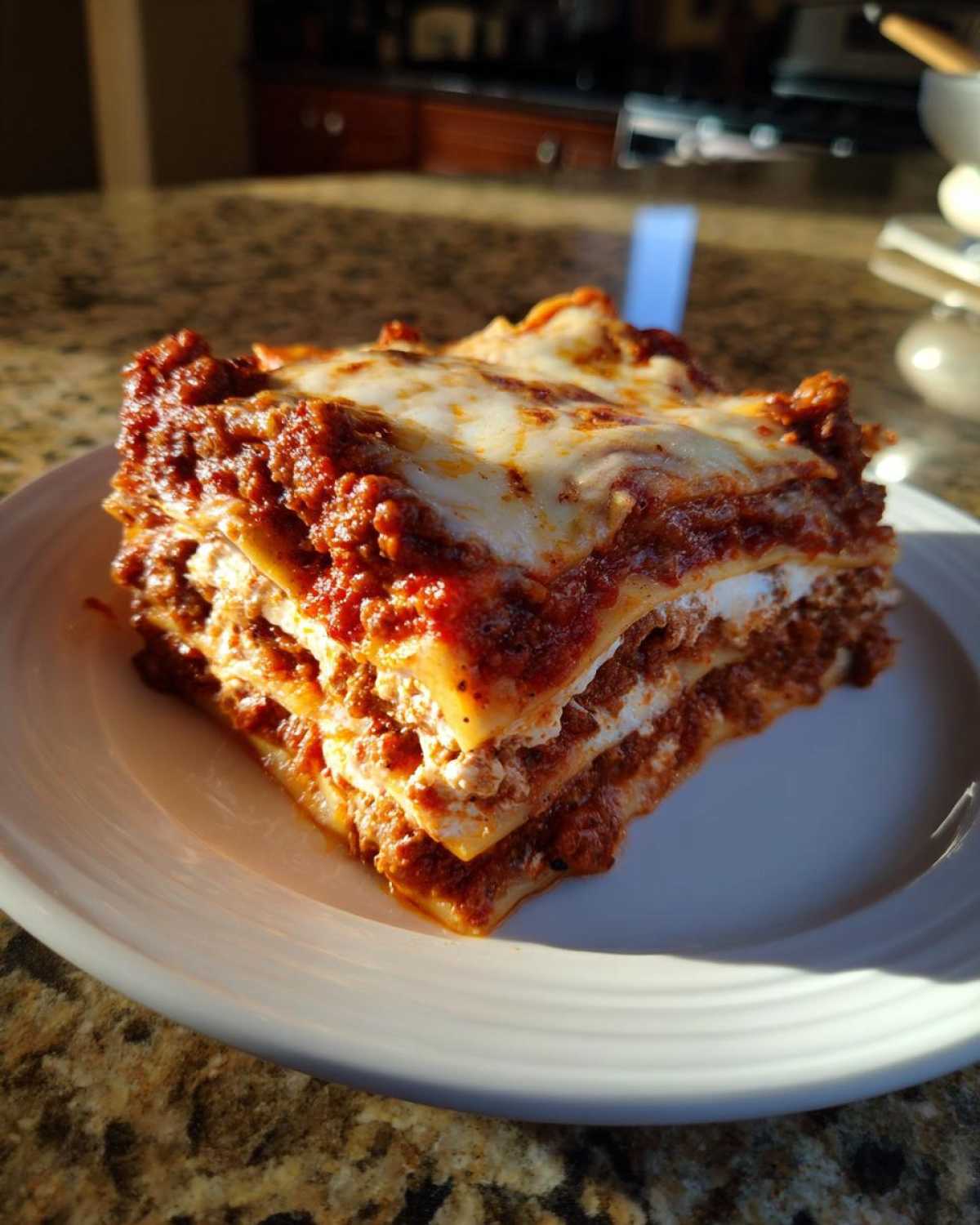
Layering Lasagna Step by Step for the Perfect Baked Lasagna
This is it—the moment of truth! Assembly time for your stunning Homemade Classic Beef Lasagna. Grab that greased 9×13 dish and let’s build this thing right, layer by layer. The key here is not to overdo any single layer, except maybe the sauce; you can never have too much sauce!
First, spread a nice, thin base layer of meat sauce on the bottom of your dish. This stops the noodles from sticking and gives you a great foundation. Don’t drown it; just coat the bottom evenly. Now, lay down your lasagna noodles. You should be able to fit about three or four across the bottom, depending on the noodle width.
Next up is that creamy ricotta filling from earlier. Spread exactly half of the ricotta mixture evenly over those noodles. Go gently so you don’t drag the noodles out of place! Sprinkle about one-third of your mozzarella cheese right over that ricotta layer. Then, spoon half of your remaining meat sauce over the cheese. See the pattern forming? We repeat: noodles, the rest of the ricotta, another third of the mozzarella, and the final portion of sauce.
Top it all off with your last layer of noodles. Make sure they are completely covered by whatever sauce you have left, and then top generously with the last bit of mozzarella. If you’re making my famous crispy-edged version, check out my sheet pan lasagna guide next! With firm layering, this Classic Beef Lasagna Recipe stays structured beautifully.
Baking and Resting Instructions for Perfect Baked Lasagna
Now that we’ve built this masterpiece of layers, it’s time to let the oven do its magic! Preheat your oven to 375 degrees F (that’s 190 Celsius for my international bakers). You need to cover that dish tightly with aluminum foil before it goes in. Baking covered first lets that heat steam inside, making sure the noodles cook through perfectly and the center gets hot without burning the lovely cheese topping. Give it 25 minutes tucked under the foil. Then, pull that foil off and let it bake uncovered for another 20 to 25 minutes while you watch the cheese get bubbly and beautifully golden brown. This is how you achieve that Perfect Baked Lasagna experience!
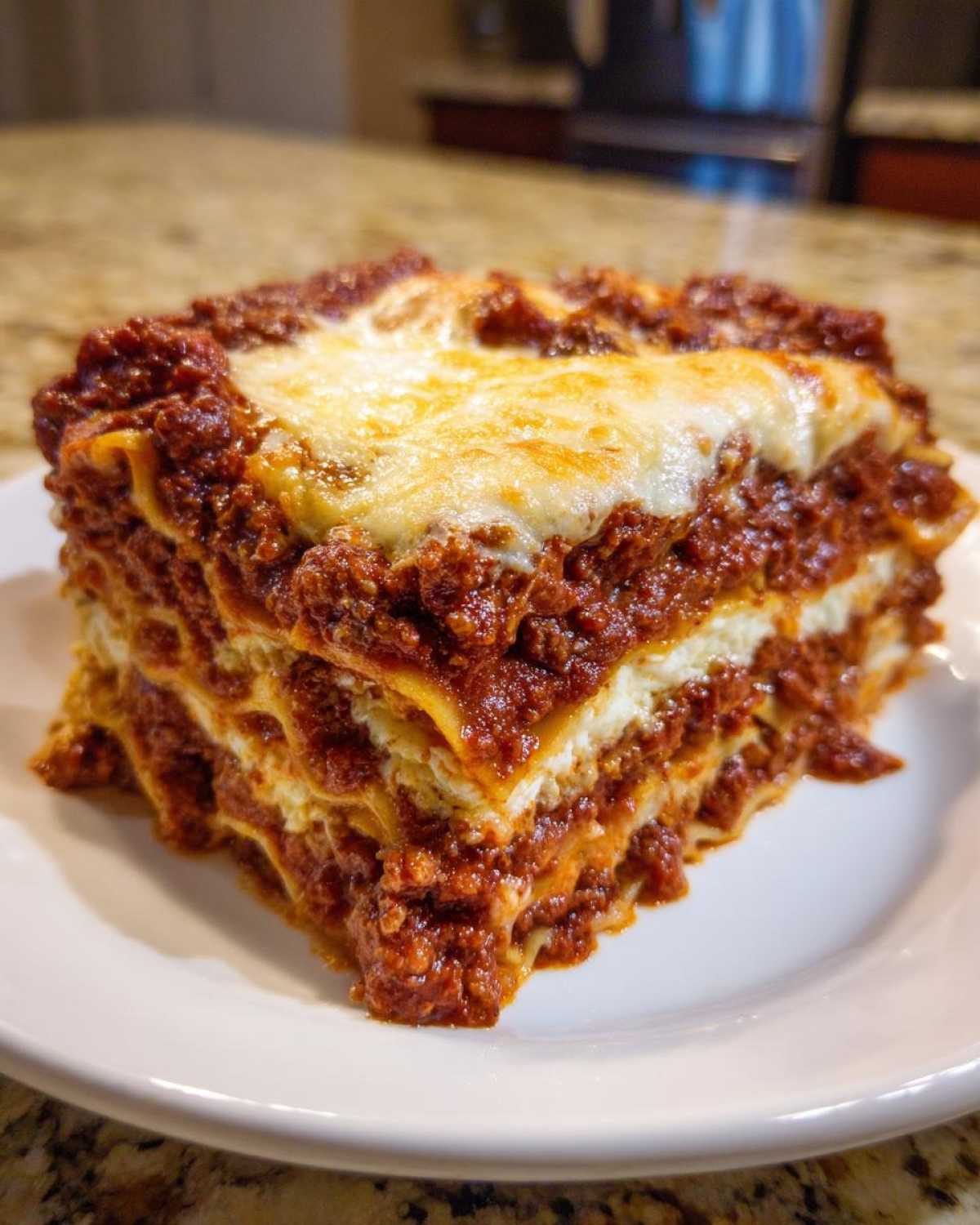
But wait! Do not take that pan straight to the cutting board! This is perhaps the most important step for guaranteeing your Homemade Classic Beef Lasagna doesn’t turn into a puddle on your plate. You must let the lasagna rest for a full 15 minutes after it comes out of the oven. Resting lets all those hot liquids redistribute and lets the structure set up. If you cut it hot, everything just collapses! If you need side dish ideas, I love pairing this with my classic Salisbury steak gravy drizzled over the top!
Tips for Success with Your From Scratch Lasagna
We’ve put in all that glorious work—the slow simmer, the perfect ricotta blend—so we want to make sure the final result sings! I’ve learned a couple of sneaky secrets through trial and (mostly delicious) error that really help secure the win for your From Scratch Lasagna. These aren’t complicated steps; they just make sure everything locks into place beautifully.
First off, let’s talk protein variation. If you want your sauce to have even more depth—that slightly tangy, spicier kick that makes people ask for the recipe immediately—don’t stick just to ground beef. Try swapping out half of your beef for ground Italian sausage, preferably the sweet kind! When you brown that sausage with the beef, the rendered fat adds an incredible layer of flavor right into your base—it’s magic, honestly. Check out my recipe for creamy chicken noodle casserole if you’re looking for other ways to elevate comfort food!
My biggest piece of advice, which I stressed earlier, is managing moisture. A watery lasagna is the bane of my existence! You need to ensure your ricotta mix is thick, which is why we use that egg binder. But even more importantly, you absolutely cannot skip that 15-minute rest time after baking. It allows the excess steam to escape and the cheese and noodles to firm up their structure, ensuring every slice holds its shape.
Finally, if you’re using fresh herbs instead of dried, remember they release more water as they cook down. If you do that, give your sauce an extra 20 minutes simmering uncovered at the end to let some of that moisture evaporate before you start layering. That’s how we guarantee a structurally sound, flavorful bite every single time!
Storing and Reheating Your Homemade Classic Beef Lasagna
Phew! You’ve made the Homemade Classic Beef Lasagna, and now you have leftovers—which, let’s be honest, often taste even better the next day! Storing this beauty properly is key to enjoying it all week. Once that lasagna has cooled down completely after resting (don’t seal it hot, or the condensation will make it soggy!), cover the entire dish tightly with plastic wrap, followed by a layer of aluminum foil. This double barrier keeps everything fresh.
It should last beautifully in the fridge for about three to four days. Honestly, my family often fights over the corner pieces on day two! When you’re ready to eat it again, the oven is the best method. Cover it again with foil—this keeps the top from drying out—and warm it at about 350 degrees F (175 Celsius) until it’s heated through, maybe 20 to 30 minutes depending on how big your slice is. You can zap a single serving in the microwave too, but the edges never get as crispy that way.
And yes, you can freeze it! This is a life-saver. Assemble the whole thing, but don’t bake it yet. Wrap the *unbaked* pan (or individual servings in foil pans) super securely in plastic wrap and then more foil. It freezes great for up to three months. When you eventually decide to bake your frozen Classic Beef Lasagna Recipe, let it thaw overnight in the fridge first, then bake it covered for about an hour before taking the foil off for the final browning. It’s just as comforting as the fresh batch!
If you’re looking for other great freeze-ahead meals, you have to try my easy black bean chili sometime!
Frequently Asked Questions About Classic Beef Lasagna Recipe
I know you might have a few little worries running through your head before you commit to making this big beauty. We’ve covered the heavy lifting, but here are answers to the questions I get most often about perfecting that Classic Beef Lasagna Recipe. Don’t let any little hang-up stop you!
Can I skip the long sauce simmer?
You *can*, but please don’t if you have the time! If you’re racing against the clock, cook the sauce for at least 30 minutes, but you won’t get that deep, complex flavor. A short simmer means the herbs don’t fully bloom, and the acidity from the tomatoes stays sharp. For the absolute Best Homemade Lasagna, a full hour or more makes all the difference.
What if I don’t want to use ricotta cheese?
If ricotta isn’t your thing, you have options for your Old Fashioned Beef Lasagna! You can swap the entire ricotta/egg/Parmesan mixture for a layer of béchamel sauce (a simple white sauce made with butter, flour, and milk). Just whisk in Parmesan cheese at the end, and use that mixture in place of the ricotta in the layering steps.
Can I use ground turkey or chicken instead of beef?
Absolutely! You can definitely substitute ground turkey or chicken. However, poultry tends to be much leaner. If you use it, I strongly recommend adding back flavor and moisture by sautéing half a cup of finely crushed, good-quality Italian sausage along with the ground turkey. Otherwise, your Comfort Food Lasagna Dinner might end up a bit dry.
My oven-ready noodles broke while I was cooking them in water. Now what?
Oven-ready noodles aren’t meant to be boiled! If you accidentally boiled them or they broke during handling, don’t panic if you’re worried about your Layering Lasagna Step by Step process. Just use the broken pieces to patch gaps in your layers. As long as the noodle pieces are covered by sauce or cheese during baking, they’ll soften up just fine when you bake your Easy Classic Lasagna Guide!
How do I make sure the edges don’t burn before the center is done?
This is where the foil comes in handy! Always cover the lasagna tightly for the first half of baking—that steams the center and protects the cheese. If your edges still look like they are browning too fast during the uncovered portion, just take one small piece of aluminum foil and loosely tent it over the exposed edges of the pan. This lets the center finish cooking without scorching your beautiful top layer.
If you need some easy appetizer ideas to go with this big meal, you have to check out my recipe for creamy beer cheese dip!
PrintHomemade Classic Beef Lasagna
Follow these steps to make a rich, classic beef lasagna from scratch, featuring a slow-simmered meat sauce and proper layering.
- Prep Time: 25 min
- Cook Time: 1 hr 30 min
- Total Time: 1 hr 55 min
- Yield: 8 servings
- Category: Dinner
- Method: Baking
- Cuisine: Italian
- Diet: Vegetarian
Ingredients
- 1 tablespoon olive oil
- 1 pound ground beef (80/20 recommended)
- 1 medium onion, finely chopped
- 2 cloves garlic, minced
- 1 (28 ounce) can crushed tomatoes
- 1 (15 ounce) can tomato sauce
- 1 teaspoon dried oregano
- 1 teaspoon dried basil
- 1/2 teaspoon salt
- 1/4 teaspoon black pepper
- 1/4 cup water
- 12 lasagna noodles (oven-ready or traditional)
- 1 (15 ounce) container whole milk ricotta cheese
- 1 large egg
- 1/4 cup grated Parmesan cheese
- 1/2 teaspoon salt
- 1/4 teaspoon black pepper
- 4 cups shredded mozzarella cheese, divided
Instructions
- Prepare the Meat Sauce: Heat olive oil in a large pot over medium heat. Add ground beef and cook until browned. Drain excess fat.
- Add onion to the pot and cook until soft, about 5 minutes. Add garlic and cook for 1 minute more.
- Stir in crushed tomatoes, tomato sauce, oregano, basil, salt, pepper, and water. Bring to a simmer, then reduce heat to low, cover, and cook for at least 1 hour, stirring occasionally. This slow simmer develops the flavor.
- Cook Noodles (if not using oven-ready): Cook lasagna noodles according to package directions until al dente. Drain and lay flat on parchment paper to prevent sticking.
- Prepare the Cheese Filling: In a medium bowl, mix together ricotta cheese, egg, Parmesan cheese, salt, and pepper until combined.
- Preheat your oven to 375 degrees Fahrenheit (190 degrees Celsius). Lightly grease a 9×13 inch baking dish.
- Assemble the Lasagna: Spread a thin layer of meat sauce on the bottom of the prepared baking dish.
- Arrange a layer of lasagna noodles over the sauce.
- Spread half of the ricotta mixture evenly over the noodles.
- Sprinkle one-third of the mozzarella cheese over the ricotta.
- Spoon half of the remaining meat sauce over the mozzarella.
- Repeat the layers: noodles, remaining ricotta, one-third of the mozzarella, and remaining meat sauce.
- Top with the final layer of noodles, the remaining mozzarella cheese, and a final light coating of sauce if desired.
- Bake: Cover the dish tightly with aluminum foil. Bake for 25 minutes.
- Remove the foil and bake for an additional 20 to 25 minutes, or until the cheese is bubbly and lightly browned.
- Rest: Let the lasagna rest for 15 minutes before slicing and serving. This helps the layers set and prevents a watery result.
Notes
- For a richer sauce, use a combination of ground beef and ground Italian sausage.
- To prevent a watery lasagna, make sure your ricotta mixture is thick and do not skip the resting time after baking.
- If you prefer a smoother sauce, use an immersion blender to break down the tomatoes slightly before simmering.
Nutrition
- Serving Size: 1 slice
- Calories: 550
- Sugar: 10
- Sodium: 750
- Fat: 30
- Saturated Fat: 14
- Unsaturated Fat: 16
- Trans Fat: 1
- Carbohydrates: 40
- Fiber: 4
- Protein: 35
- Cholesterol: 95
