

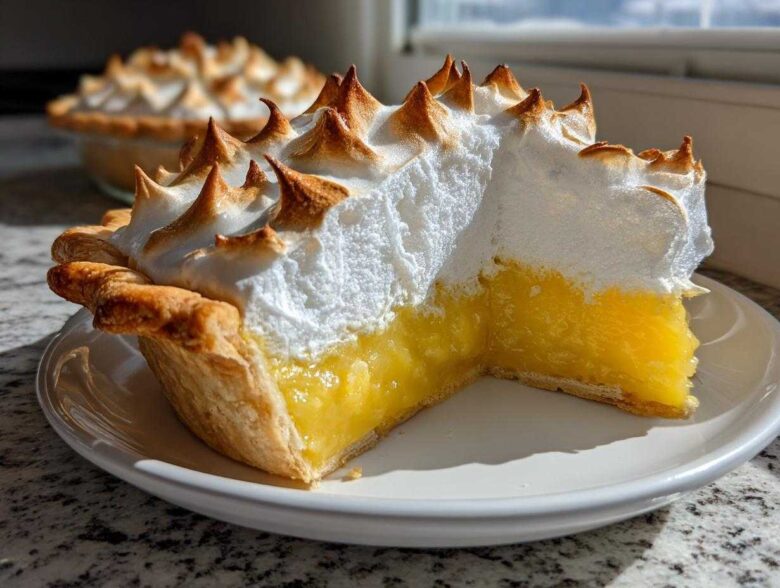
Is there anything better than cutting into a perfect slice of pie that tastes like pure sunshine? I don’t think so! After all those years watching Amara work—remember, she’s the heart of our operation and really focuses on those heritage baking methods—we finally cracked the code on the ultimate homemade lemon meringue pie. Forget those sad, flat toppings or runny fillings. This recipe delivers a buttery crust, a truly zesty from scratch lemon custard, and that huge, fluffy, show-stopping meringue that stands up tall and never weeps. Trust me, this is the one you’ll want to bring to every summer gathering.
Why This Homemade Lemon Meringue Pie Recipe is Your New Family Favorite Pie
When you make a homemade lemon meringue pie from scratch, people can tell. It just has that extra little bit of love baked right in! We put so much focus on making sure this recipe is reliable, especially when it comes to that temperamental meringue topping.
Here’s why this particular recipe became our go-to for the best family gatherings:
- It’s truly from scratch—no powdered nonsense here! Just bright, fresh lemon flavor.
- The texture is spot on: super zesty filling nestled in a crisp, buttery crust.
- The meringue? It’s ridiculously fluffy and holds those gorgeous golden peaks without shrinking or weeping.
If you want to impress everyone with a real, classic lemon meringue that tastes like sunshine, this is your blueprint.
Gathering Ingredients for the Ultimate Lemon Meringue
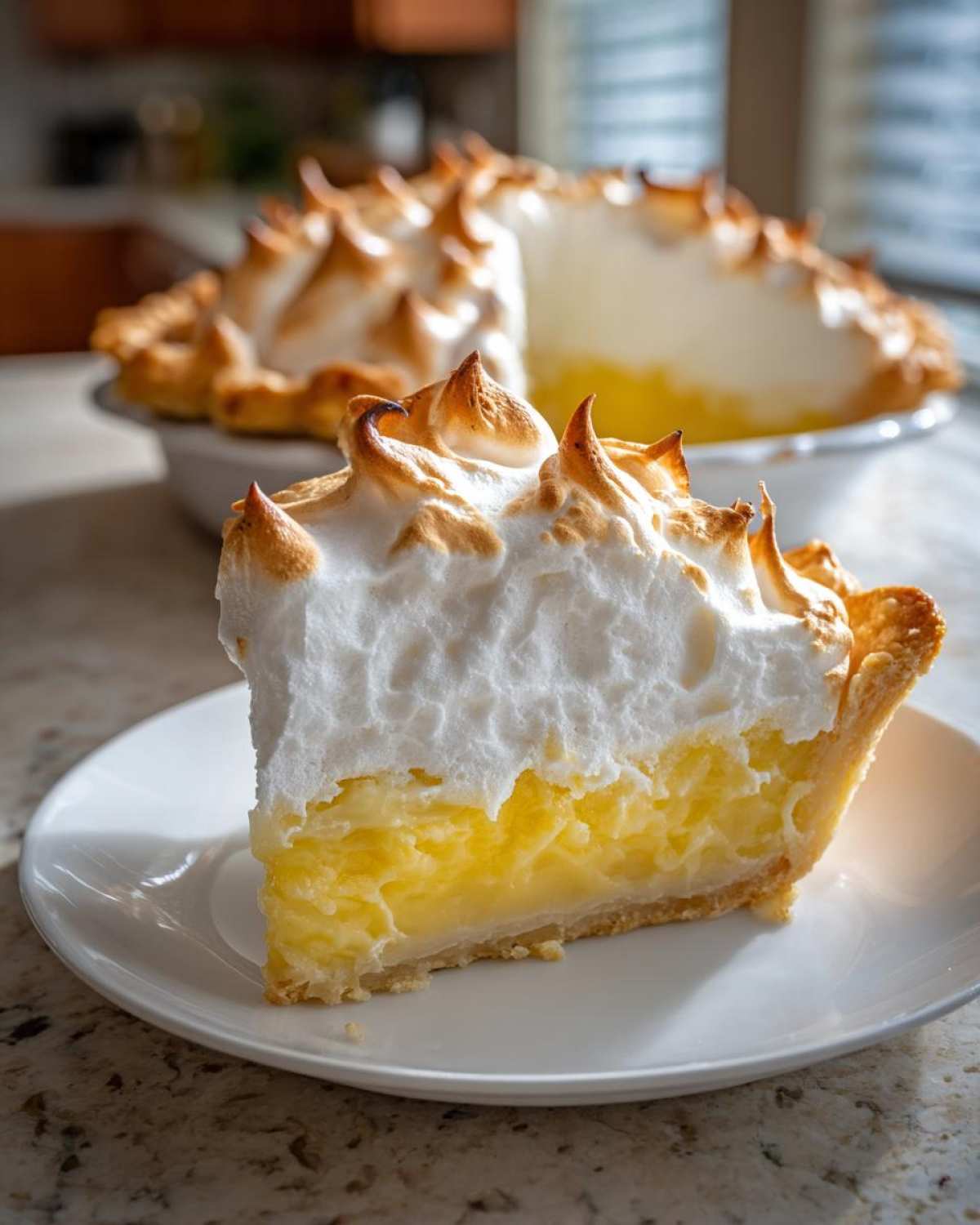
Okay, listen up! To get that towering, showstopping lemon meringue that Amara is known for, the quality of your ingredients matters way more than cheating on the steps. We are making this completely from scratch, so ditch the lemon pudding mix! Every component plays a huge role, especially keeping those egg whites happy for the fluffiest topping.
For the Buttery Pie Crust
You need a solid foundation, right? We aren’t messing around with store-bought stuff here. You absolutely should use your own favorite buttery pie crust recipe—the one that always gets rave reviews. If you’re playing catch-up, just make sure you have one 9-inch unbaked pie crust ready to go. Trust me, a flaky, rich base is what sets this pie apart!
For the Zesty From Scratch Lemon Custard
This is where the sunshine comes from! You’ll need:
- 1 1/2 cups granulated sugar
- 1/3 cup cornstarch (our secret thickener!)
- 1/4 teaspoon salt
- 1 1/2 cups cold water
- 4 large egg yolks, reserved from separated eggs—don’t lose these!
- 2 tablespoons unsalted butter
- 1/2 cup fresh lemon juice (this means squeezing about 3 juicy lemons, don’t use bottled!)
- 1 tablespoon lemon zest
For the Fluffy Meringue Topping
For that unbelievable volume, room temperature egg whites are non-negotiable. Chef Tariq would come unglued if we used cold ones!
- 4 large egg whites, at room temperature
- 1/4 teaspoon cream of tartar (this is your insurance policy against weeping!)
- 1/2 cup granulated sugar (for the meringue)
How to Prepare Your Classic Lemon Meringue Pie Recipe Step-by-Step
Okay, this is the fun (and slightly nerve-wracking) part! Making the best Classic Lemon Meringue Pie Recipe is all about sequencing. You have to move fast between the hot filling and the cool meringue, but you can’t rush the temper. I learned this the hard way—Leo, always rushing!—but trust me, following the order is key to that perfect tangy pie.
Preparing the Crust and Custard Base
First things first, get that crust ready. Par-bake your 9-inch pie crust until it’s just lightly golden, then set it aside to cool down just a touch. Now, for the filling: In your saucepan, whisk the 1 1/2 cups of sugar, cornstarch, and salt together until they are one happy dry pile. Slowly whisk in the cold water until it’s smooth—no lumps allowed! Heat this over medium heat, stirring constantly, until it thickens up and boils for one full minute. Take it off the heat!
Tempering is essential here. In a separate bowl, gently whisk those 4 egg yolks. Then, super slowly, pour about a cup of that hot sugar mixture into the yolks while you whisk the yolks nonstop. Pour that tempered yolk mixture right back into the saucepan. Back on medium heat you go! Stir until it’s thick again and just starts to bubble. Pull it off the heat one last time, stir in your butter, fresh lemon juice, and zest. That’s your gorgeous, zesty filling poured right into the warm crust.
Whipping the Fluffy Meringue Topping
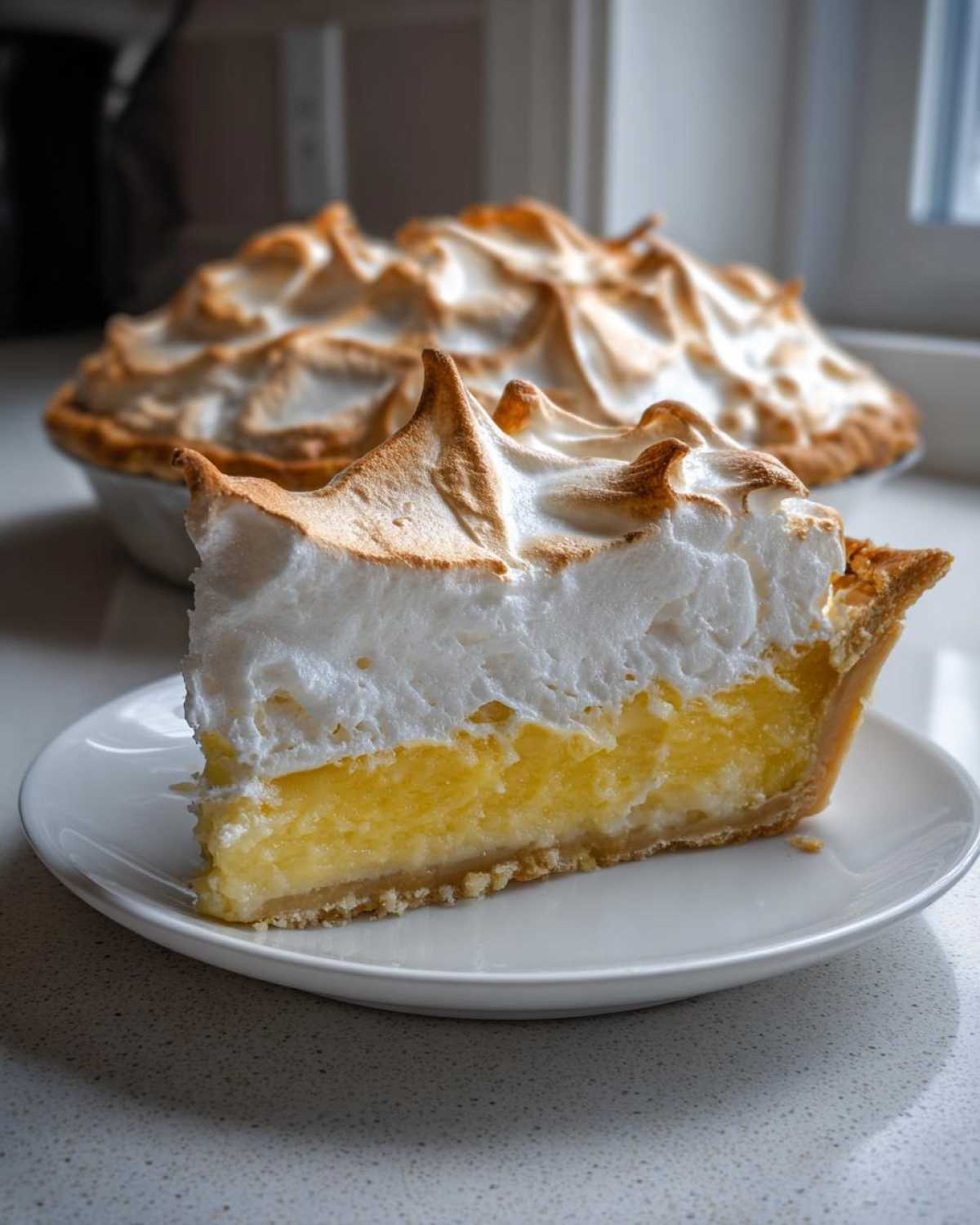
Time for the magic! This step demands a mixing bowl that is surgically clean—no grease, or those whites won’t whip! Get those 4 room temperature egg whites going on medium speed until they form soft peaks. Now, add the remaining 1/2 cup of sugar very slowly, one tablespoon at a time. When the last bit of sugar goes in, add your cream of tartar—hello, structure! Keep beating on high until the peaks are super stiff and glossy. That beautiful, stable fluffy meringue topping is ready!
Assembly, Baking, and Cooling the Lemon Meringue
This is my E-E-A-T moment, folks! You must get the meringue onto the hot filling immediately. This helps seal the filling and stops that awful shrinking and weeping we all hate. Spread that glorious meringue right over the filling, making absolutely sure it touches the crust edge all the way around. Bake it at 350°F (175°C) for about 12 to 15 minutes, just until those peaks turn that perfect pale gold color.
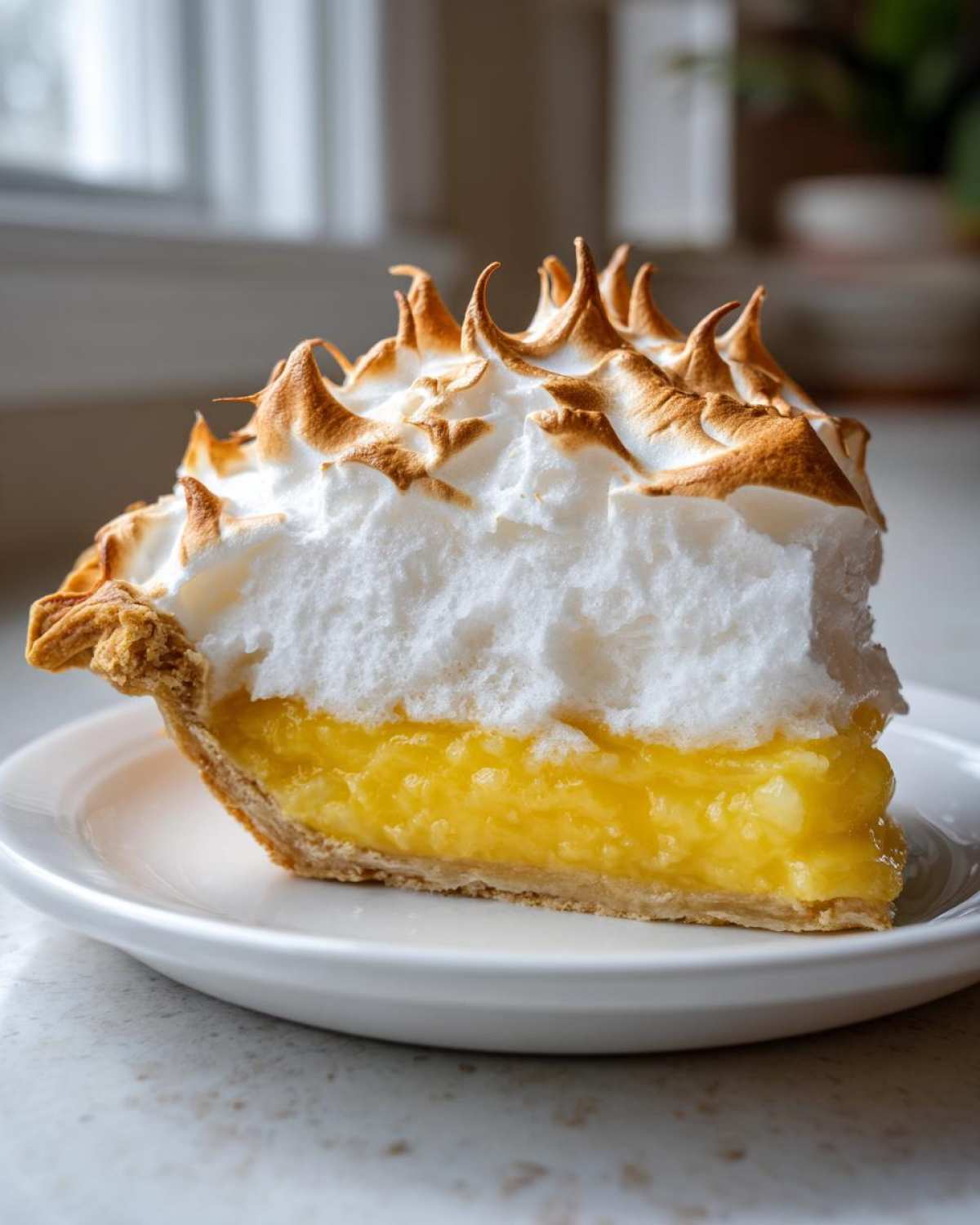
The final instruction is the hardest: Let it cool completely on a wire rack at room temperature for at least four hours. Seriously, resist the fridge right away. Rapid cooling is what makes the meringue weep! Patience yields the best lemon meringue pie, I promise.
Expert Tips for a Showstopping Lemon Meringue
Even with the best recipe, sometimes our lemon meringue likes to give us a little trouble, right? That’s completely normal! Tariq always says that even the classics sometimes need a little modern intervention to keep them reliable.
For a tall, stable meringue that truly resists weeping, the biggest secret is twofold: room temperature egg whites and a totally, completely grease-free bowl. Amara spent an entire afternoon trying to figure out why her meringue kept collapsing. She finally realized she hadn’t dried her bowl properly after washing it. Once she wiped it down with vinegar, *boom*—perfect clouds every time.
Also, remember that note about cooling? If you notice any little beads of moisture forming (that’s weeping), don’t panic! Just gently touch them with a paper towel. The other trick is to use a kitchen torch after it’s cooled a bit. It sets the peaks beautifully without having to risk overbaking the citrus filling underneath. Follow these tips, and you’ll nail this showstopping dessert every single time.
Ingredient Notes and Substitutions for Lemon Meringue Pie
I want to talk for a second about ingredients, because this pie really shines when you honor the fresh components. If you try to make a from scratch lemon custard using bottled lemon juice, you are just cheating yourself out of that incredible zing! You really need that fresh burst from actual lemons—I said 1/2 cup, and I mean freshly squeezed. That zest is key, so don’t skip grating that lemon first.
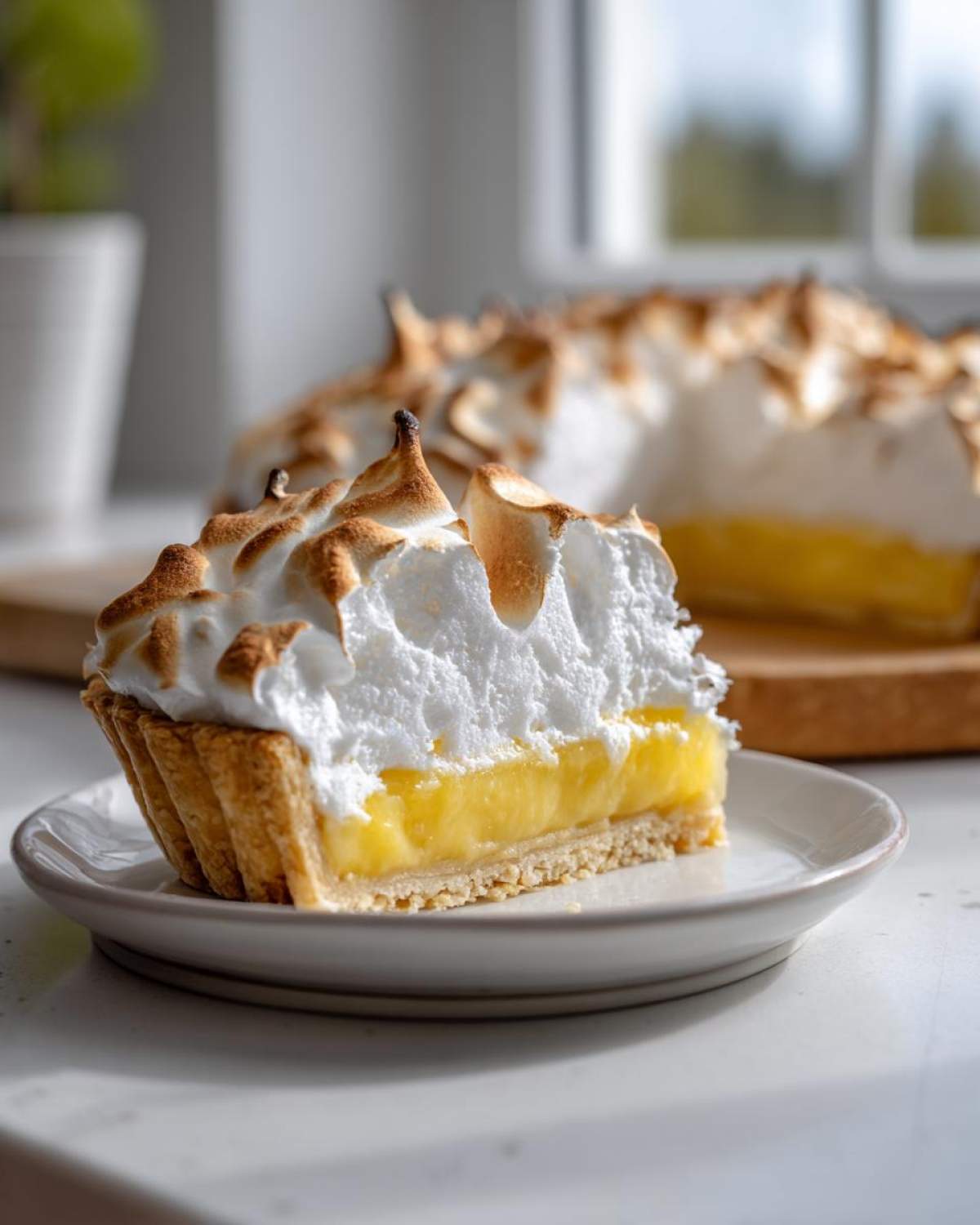
Now, let’s chat about the meringue helpers. See that little bit of cream of tartar? Tariq insists on it. It’s technically an acid, and it stabilizes those egg whites drastically. It helps create those strong bonds that deliver that fluffy meringue topping we’re aiming for, which keeps that pie from weeping down the sides.
You asked about substituting the butter? Stick to the recipe! The rich flavor from real butter is exactly what makes that crust taste so incredible alongside the tangy filling. For the lemon meringue pie recipe to work its magic, we need the real stuff!
Storing and Reheating Your Perfect Lemon Meringue
Alright, you’ve made it! Your lemon meringue pie is golden, gorgeous, and fully cooled—the hardest parts are over! Now comes the critical question: How do we keep that stunning meringue looking perfect until dessert time? This is actually where most people slip up, leading to that dreaded meringue weep.
The biggest rule Tariq hammers into us? Avoid the refrigerator for as long as possible! Cold and condensation are the enemies of meringue. If you just made the pie, leave it sitting out on the counter, away from direct sunlight, for up to about 6 to 8 hours. This is perfect for a dinner party where you bake midday.
If you absolutely must refrigerate leftovers, you need to protect those fluffy peaks. Loosely cover the pie with plastic wrap—and I mean loosely! Don’t let the plastic touch the meringue, or it’ll stick and pull off chunks when you uncover it. When you go to serve slices later, just cut what you need. Reheating leftovers isn’t really a thing with meringue pie; you’ll just ruin the texture. Focus on eating it the day you make it, or at most, the next morning. This tangy sweet dessert is always best fresh!
Frequently Asked Questions About Making Lemon Meringue
We’ve all been there—staring at a beautiful pie, wondering if we did something wrong when the filling is still too jiggly. Don’t worry! Dealing with a slightly tricky pie, like this incredible lemon meringue, brings up a few common hurdles. Here are the answers to the biggest questions I get about making this a truly classic lemon meringue pie.
Why is my meringue weeping or separating?
Ugh, weeping is the worst! This usually happens for two reasons: either the meringue wasn’t sealed to the hot filling (that’s why we cover every inch of the crust edge!), or you refrigerated the pie too soon. The sugar in the meringue draws moisture out when it cools too quickly. For a no weeping meringue tips success, make sure to cool it slowly at room temperature for hours!
Can I use a graham cracker crust instead of pastry?
You absolutely can use a graham cracker crust if that’s what you love! It makes the process even faster, though I always recommend my buttery crust for the real homemade experience. If you switch, just make sure your crust is fully baked and cooled before you pour in the hot from scratch lemon custard. The high moisture content of the custard doesn’t mix well with a raw crumb crust.
How do I know when the lemon custard filling is actually done?
This is where cooking by sight is better than a timer. You’re looking for that thick, almost pudding-like consistency. It should come to a gentle boil and then boil softly for exactly one minute while you stir, which cooks out that cornstarch flavor. When you pull the spoon away, the path it leaves behind should stay clear for a second before the filling oozes back together. That’s how you know your zesty lemon pie base is ready!
If I want a simpler dessert this summer, can I make Lemon Meringue Bars?
Yes! If you’re hosting a crowd and want something easier to serve than a round pie, making Lemon Meringue Bars Recipe is a fantastic idea. You usually use a shortbread base instead of a traditional pie crust, but keep the filling and meringue steps almost exactly the same!
Nutritional Estimate for Classic Lemon Meringue Pie
Look, I’m not a nutritionist—I’m Leo, the guy who tastes everything twice! Tariq always reminds us that when you bake something truly classic and from scratch, like this amazing lemon meringue pie, the calories are not the first thing on our minds, right? It’s about the joy, the flavor, and the beautiful presentation!
But I know you want the details, so here is a general nutritional estimate for one slice of our wonderful, rich, homemade pie based on the recipe ingredients. Just remember, since we’re using real butter and fresh lemons, these numbers reflect a genuinely decadent slice of pie, not some lightened-up version!
- Serving Size: 1 slice
- Calories: Approximately 380
- Fat: About 18g (A good chunk of that is that lovely buttery crust!)
- Carbohydrates: Around 52g
- Sugar: Roughly 45g (It’s a celebratory dessert, after all!)
- Protein: About 6g
- Sodium: 150mg
Take these values as a friendly ballpark estimate. When you’re dealing with something this fresh and homemade, your actual numbers might shift slightly depending on the exact size of your lemons or the specific pie crust recipe you choose to use. Either way, it’s totally worth every single bite!
Share Your Tangy Sweet Dessert Success
Whew! You’ve made it through the glorious, perhaps slightly messy, process of creating the absolute best lemon meringue pie. It’s a true showstopper, and now it’s time for the best part: enjoying it!
I really, truly hope you get the same joy looking at that tall, towering meringue that Amara and I get. If you managed to get those perfect golden peaks without any weeping or shrinking, you should absolutely celebrate that win! Go ahead and give yourself a pat on the back—that takes serious skill!
We want to see it! Seriously, snap a picture of your beautiful slice of tangy sweet dessert and tag us on social media. Hearing about your success stories and seeing your pies makes all the testing we do here at Savory Skies worth it. Seriously, it’s the best feedback we can get.
If this bright citrus theme has really woken up your baking spirit, don’t stop here! You know I love exploring new flavor combos. If you’re chasing that perfect balance of tart and sweet again soon, you absolutely have to check out my recipe for the Lavender Lemon Blueberry Cheesecake. It’s another level of bright, zesty, creamy goodness that I know you’ll adore just as much as this classic pie. Happy baking, friends!
PrintThe Ultimate Homemade Lemon Meringue Pie Recipe (From Scratch with Tall, Stable Meringue)

Make the best Lemon Meringue Pie from scratch. This recipe delivers a buttery crust, a zesty lemon custard filling, and a high, fluffy, toasted meringue topping that resists weeping.
- Prep Time: 30 min
- Cook Time: 30 min
- Total Time: 4 hours 30 min
- Yield: 8 servings
- Category: Dessert
- Method: Baking
- Cuisine: American
- Diet: Vegetarian
Ingredients
- 1 (9-inch) unbaked Pie Crust (Buttery Homemade Pie Crust Recipe recommended)
- 1 1/2 cups granulated sugar
- 1/3 cup cornstarch
- 1/4 teaspoon salt
- 1 1/2 cups cold water
- 4 large egg yolks, reserved from separated eggs
- 2 tablespoons unsalted butter
- 1/2 cup fresh lemon juice (about 3 lemons)
- 1 tablespoon lemon zest
- 4 large egg whites, at room temperature
- 1/4 teaspoon cream of tartar
- 1/2 cup granulated sugar (for meringue)
Instructions
- Prepare and partially bake your 9-inch pie crust according to your favorite recipe until lightly golden. Set aside to cool slightly.
- In a medium saucepan, whisk together 1 1/2 cups sugar, cornstarch, and salt. Gradually whisk in the cold water until smooth.
- Cook the mixture over medium heat, stirring constantly, until it thickens significantly and comes to a boil. Let it boil gently for 1 minute, stirring constantly. Remove from heat.
- In a separate bowl, lightly whisk the 4 egg yolks. Slowly temper the yolks by whisking about 1 cup of the hot sugar mixture into the yolks.
- Pour the tempered yolk mixture back into the saucepan with the remaining hot mixture. Return to medium heat. Cook, stirring constantly, until the custard thickens again and just begins to bubble. Do not boil.
- Remove the custard from the heat. Stir in the butter, lemon juice, and lemon zest until the butter is melted and fully incorporated.
- Pour the hot lemon custard immediately into the partially baked pie shell.
- To make the meringue, place the 4 room temperature egg whites in a very clean, grease-free mixing bowl. Beat on medium speed until soft peaks form.
- Gradually add the 1/2 cup of sugar, 1 tablespoon at a time, while beating continuously. Add the cream of tartar with the last addition of sugar.
- Increase the speed to high and beat until the meringue is stiff, glossy, and holds firm peaks. This prevents weeping.
- Spread the meringue over the hot lemon filling, making sure the meringue touches the edge of the crust all the way around to seal it. This helps prevent shrinking.
- Bake the pie at 350°F (175°C) for 12 to 15 minutes, or until the meringue peaks are golden brown.
- Cool the pie completely on a wire rack at room temperature for at least 4 hours before slicing. Avoid placing it in the refrigerator too soon, as rapid cooling can cause the meringue to weep.
Notes
- To achieve a tall, stable meringue, make sure your egg whites are at room temperature and your mixing bowl is completely free of any grease or yolk residue.
- For a perfectly golden top without overbaking the filling, you can use a kitchen torch on the meringue peaks after the pie has cooled slightly.
- If you notice any moisture forming on the meringue after cooling, you can gently dab it with a paper towel. This is common but manageable.
Nutrition
- Serving Size: 1 slice
- Calories: 380
- Sugar: 45g
- Sodium: 150mg
- Fat: 18g
- Saturated Fat: 9g
- Unsaturated Fat: 9g
- Trans Fat: 0.5g
- Carbohydrates: 52g
- Fiber: 1g
- Protein: 6g
- Cholesterol: 110mg
