

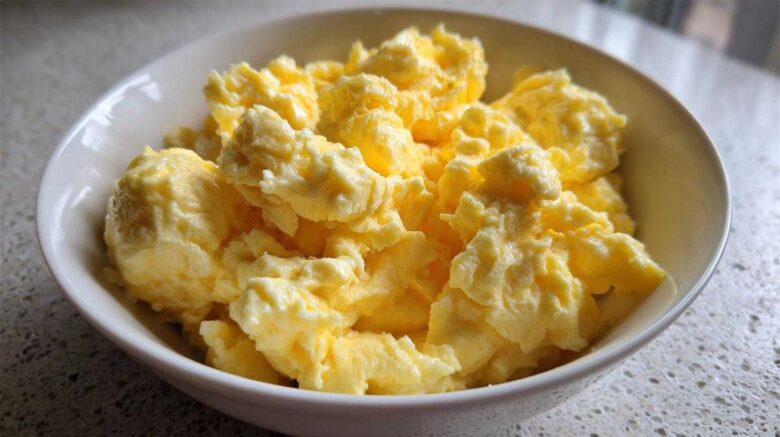
The Secret to Fluffy Scrambled Eggs (It’s Not Milk)
Have you ever stared at your plate of scrambled eggs, wishing they were lighter, airier, more… fluffy? I certainly have! For years, I thought the key to that perfect cloud-like texture was adding milk or cream. Oh, how wrong I was! It took a few frantic early mornings in professional kitchens, watching chefs like Leo whip up magic, to realize the real secret to fluffy scrambled eggs isn’t in what you add, but in how you treat the eggs themselves. Leo, with his boundless curiosity and knack for uncovering culinary gems, often points out that simple techniques, honed with practice, yield the most astonishing results. This revelation changed my breakfast game forever.
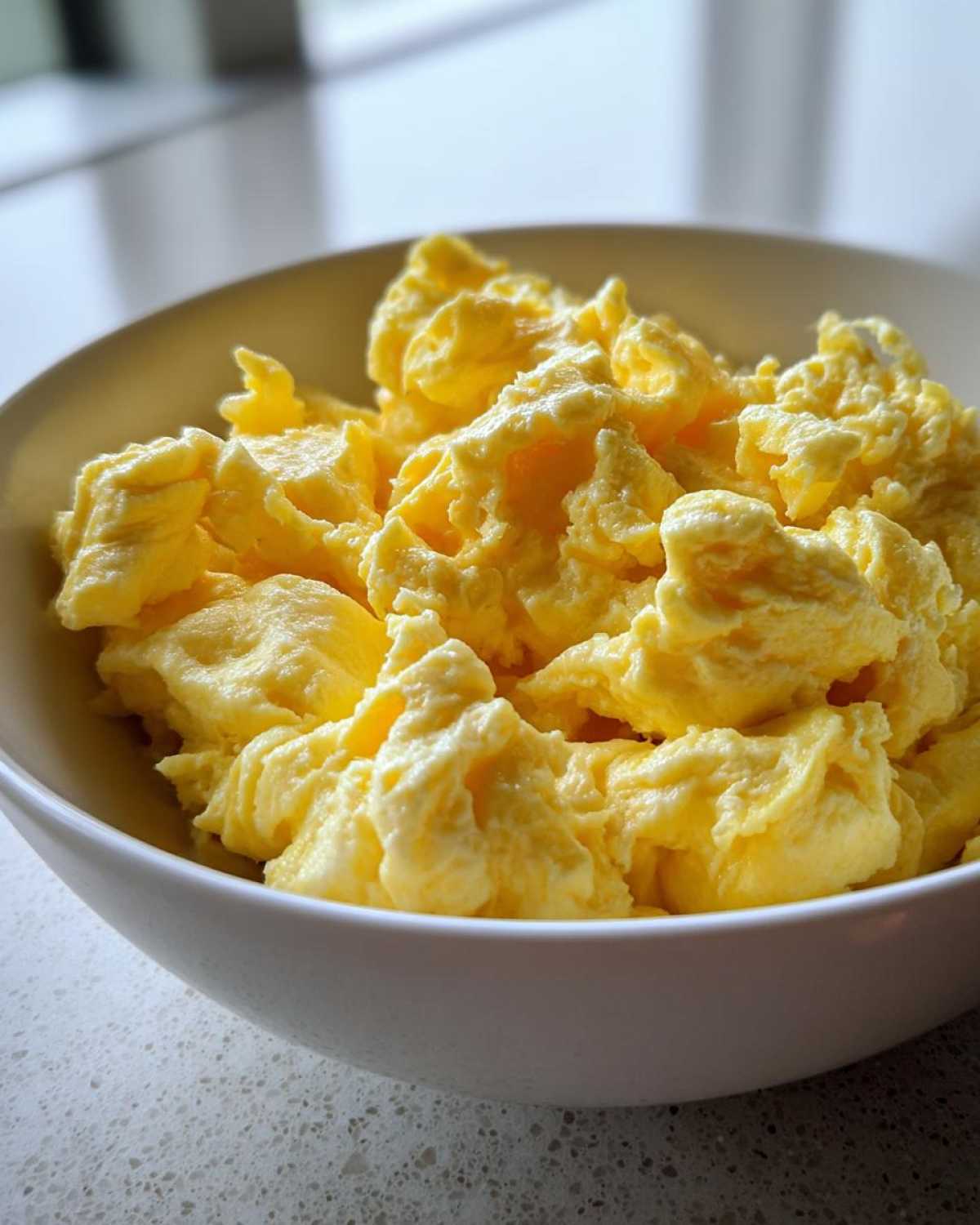
Why You’ll Love This Secret to Fluffy Scrambled Eggs (It’s Not Milk)
You’re going to adore making fluffy scrambled eggs with this simple secret. It’s a game-changer for any breakfast lover. Get ready for:
- Incredibly light and airy texture.
- Super quick preparation time.
- Delicious results every single time.
- A foolproof method for perfect eggs.
This secret to fluffy scrambled eggs means no more sad, rubbery breakfasts. It’s pure morning bliss!
Essential Ingredients for The Secret to Fluffy Scrambled Eggs (It’s Not Milk)
Gathering your ingredients is the first step to unlocking the secret to fluffy scrambled eggs. For one serving of pure breakfast perfection, you’ll need just a few simple things.
- 2 large eggs: It’s best if they’re at room temperature. This helps them whisk up better.
- 1 tablespoon unsalted butter: Softened is ideal. It adds richness and helps prevent sticking.
- Pinch of salt: To enhance flavor.
- Pinch of black pepper: Freshly ground pepper adds a nice bite.
These basic components are all you need. I love that this recipe proves you don’t need fancy additions for amazing results. It’s all about technique!
Ingredient Notes and Substitutions for Fluffy Scrambled Eggs
The beauty of this secret to fluffy scrambled eggs lies in its simplicity. The eggs are the star, and whisking them well is key. Butter provides that lovely richness and helps create a non-stick surface. While salt and pepper are standard for flavor, you could experiment with other fresh herbs like chives or parsley stirred in at the very end. If you’re looking for a dairy-free option, a good quality dairy-free butter alternative works just fine. However, remember, the true magic comes from the whisking and gentle cooking method, not from adding milk or water.
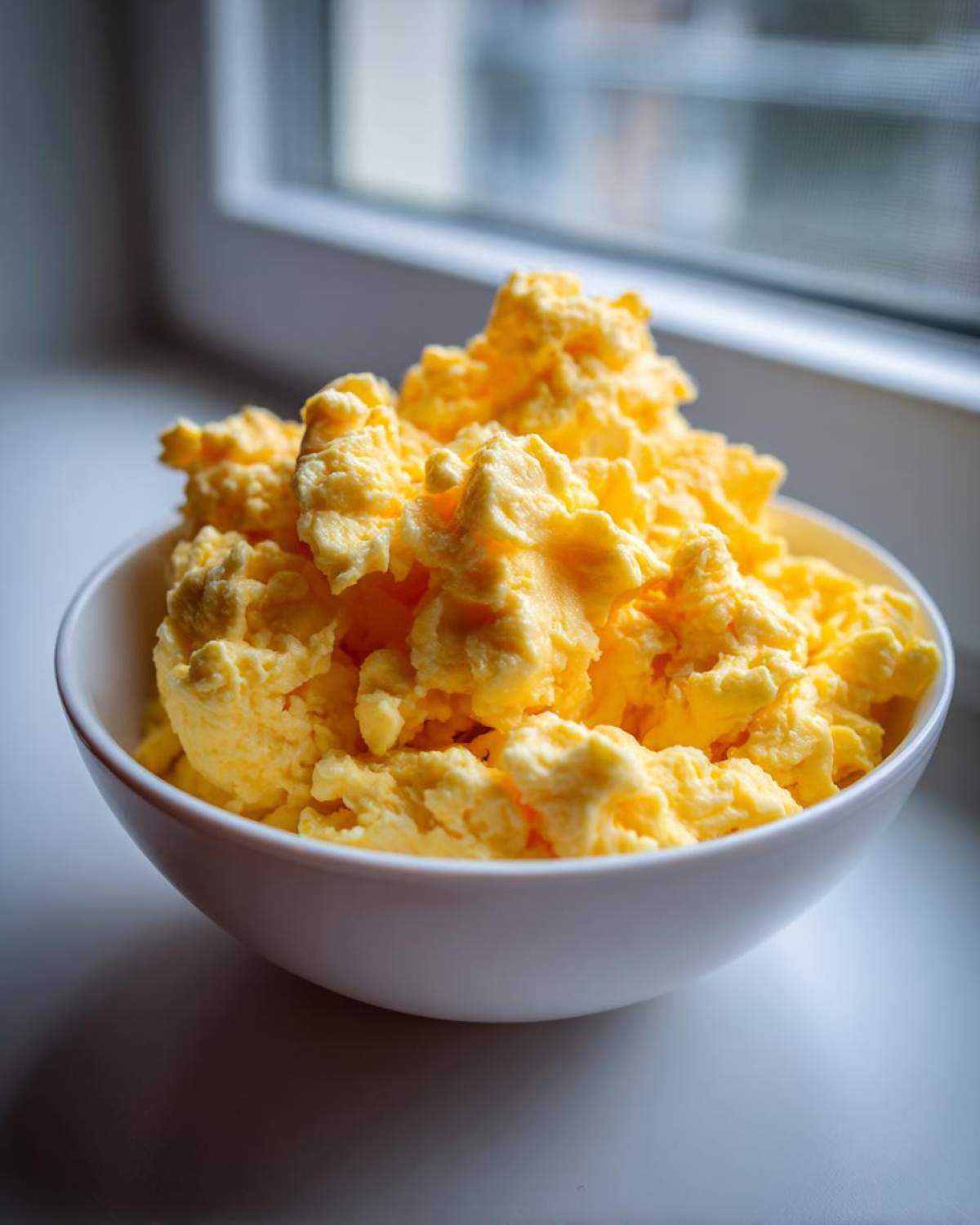
How to Make The Secret to Fluffy Scrambled Eggs (It’s Not Milk)
Ready to master the secret to fluffy scrambled eggs? It’s easier than you think! Follow these simple steps for breakfast perfection.
- Crack your two large eggs into a medium bowl.
- Add a good pinch of salt and a grind of black pepper.
- Now, whisk them like you mean it! Keep whisking until the yolks and whites are totally combined and the mixture is a uniform pale yellow. You want it a little frothy – this is where the air gets in, making them fluffy.
- Place a non-stick skillet over medium-low heat. Let it warm up for a minute.
- Add your softened butter to the warm skillet. Let it melt and coat the bottom.
- Pour your vigorously whisked eggs into the buttered pan.
- Let them sit, undisturbed, for about 30 seconds. You’ll see the edges just starting to set.
- Grab your spatula. Gently push the cooked edges towards the center of the pan.
- Tilt the pan slightly so the uncooked egg flows underneath.
- Keep repeating this gentle pushing and folding motion. Don’t stir wildly!
- Continue until the eggs are mostly cooked but still look a little wet and glossy.
- Remove the pan from the heat immediately. The residual heat will finish cooking them perfectly.
- Slide your glorious, fluffy eggs onto a plate and enjoy!
The Fluffy Scrambled Egg Technique Explained
The real magic behind these fluffy scrambled eggs is all in the technique. That vigorous whisking I mentioned? It’s crucial for incorporating air. Think of it like whipping cream – you’re making tiny bubbles that expand when heated. Then, the gentle folding in the pan is key. Instead of scrambling them hard, you’re creating soft curds. This slow, steady process allows the eggs to cook evenly without getting tough. It’s this combination that gives you that wonderfully light, creamy, and fluffy texture that makes this method the true secret to fluffy scrambled eggs. For more on the science behind cooking eggs, check out Serious Eats’ guide to egg science.
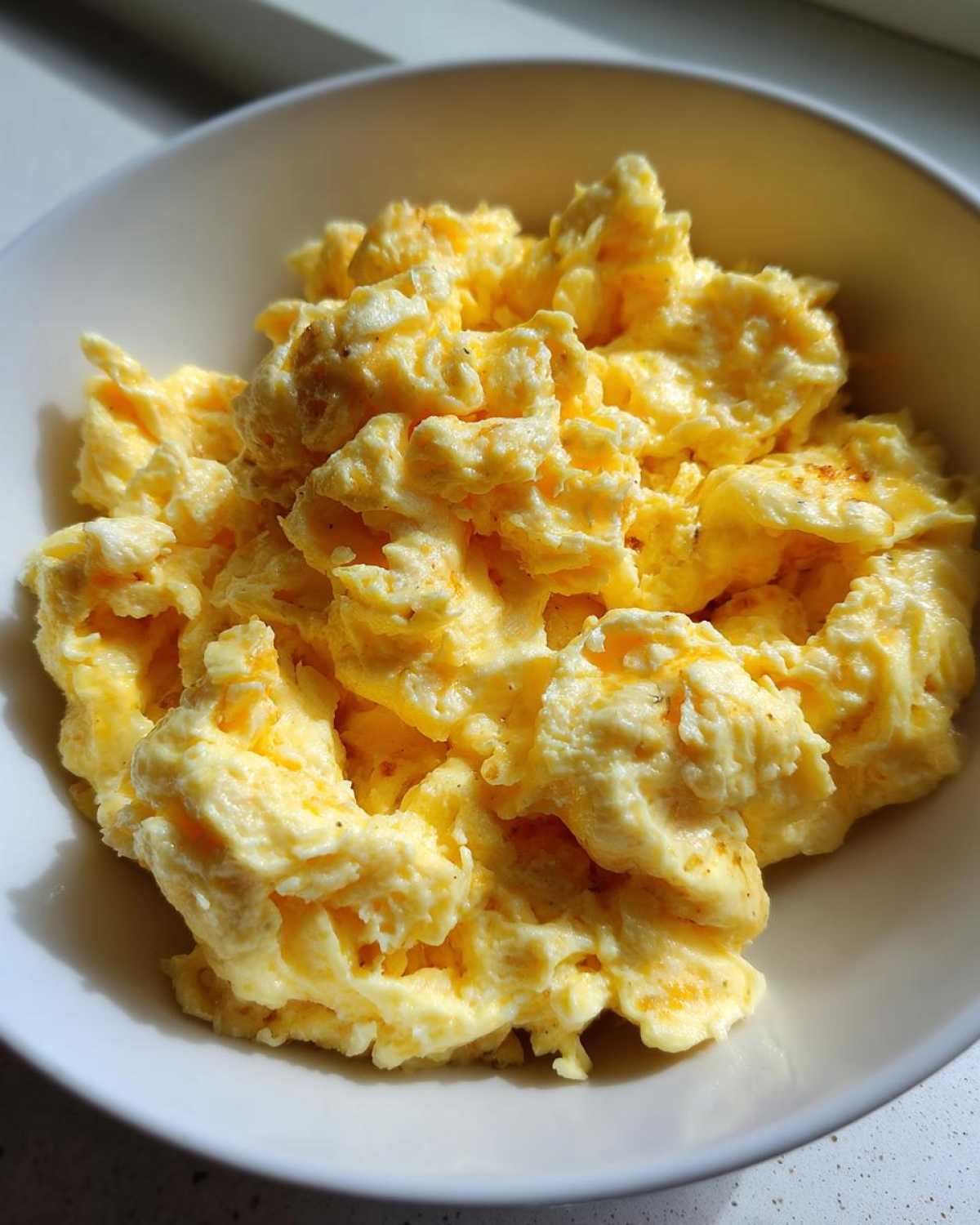
Tips for Achieving Perfect Fluffy Scrambled Eggs
Leo always says that even the best recipe needs a little extra love. To guarantee consistently fluffy scrambled eggs, remember a few key things he picked up in busy kitchens. Always use a non-stick pan; it makes all the difference. And resist the urge to blast the heat. Medium-low is your friend for tender eggs. Don’t be tempted to overcook them either. Pull them off the heat when they still look a bit wet. The pan’s residual warmth is your final cooking stage. These little tricks are part of the secret to fluffy scrambled eggs that truly shine.
Serving Suggestions for Your Fluffy Scrambled Eggs
These fluffy scrambled eggs are a dream on their own. But they also love to play with friends! Serve them alongside:
- Crispy bacon or sausage.
- Toasted sourdough or whole wheat bread.
- A fresh side salad with a light vinaigrette.
- Avocado slices for a creamy touch.
- A sprinkle of fresh chives or parsley.
They make any simple meal feel special.
Storage and Reheating Your Fluffy Scrambled Eggs
Leftover fluffy scrambled eggs? Lucky you! Store them in an airtight container in the fridge for up to two days. Reheating can be tricky, as eggs can dry out. Gently warm them in a non-stick skillet over low heat with a tiny splash of water or milk. Alternatively, a quick zap in the microwave on low power works, but stir halfway through. The goal is gentle warming to keep them from becoming rubbery.
Frequently Asked Questions About The Secret to Fluffy Scrambled Eggs (It’s Not Milk)
Got questions about achieving that perfect fluffy scrambled eggs texture? I’ve got answers! Many people wonder about the best way to get those light, airy results.
Q: Can I really not use milk in my scrambled eggs?
A: Absolutely! The real secret to fluffy scrambled eggs is vigorous whisking and gentle cooking, not milk. Milk can sometimes make eggs watery or even tough if overcooked. This method focuses on air incorporation and slow cooking.
Q: My eggs always seem to overcook. What am I doing wrong?
A: It’s a common issue! The key is to remove the eggs from the heat when they still look slightly wet and glossy. The residual heat in the pan will finish cooking them to that perfect, creamy consistency. This is a crucial step in the fluffy scrambled eggs technique.
Q: How long should I whisk the eggs for?
A: Whisk until the yolks and whites are fully combined and the mixture is a pale yellow and slightly frothy. This usually takes about 30-60 seconds of vigorous whisking. More air means fluffier scrambled eggs!
Q: Can I add cheese?
A: Of course! For cheesy fluffy scrambled eggs, add shredded cheese during the last minute of cooking, just before removing the pan from the heat. Gently fold it in until melted for creamy, cheesy goodness.
Estimated Nutritional Information for Fluffy Scrambled Eggs
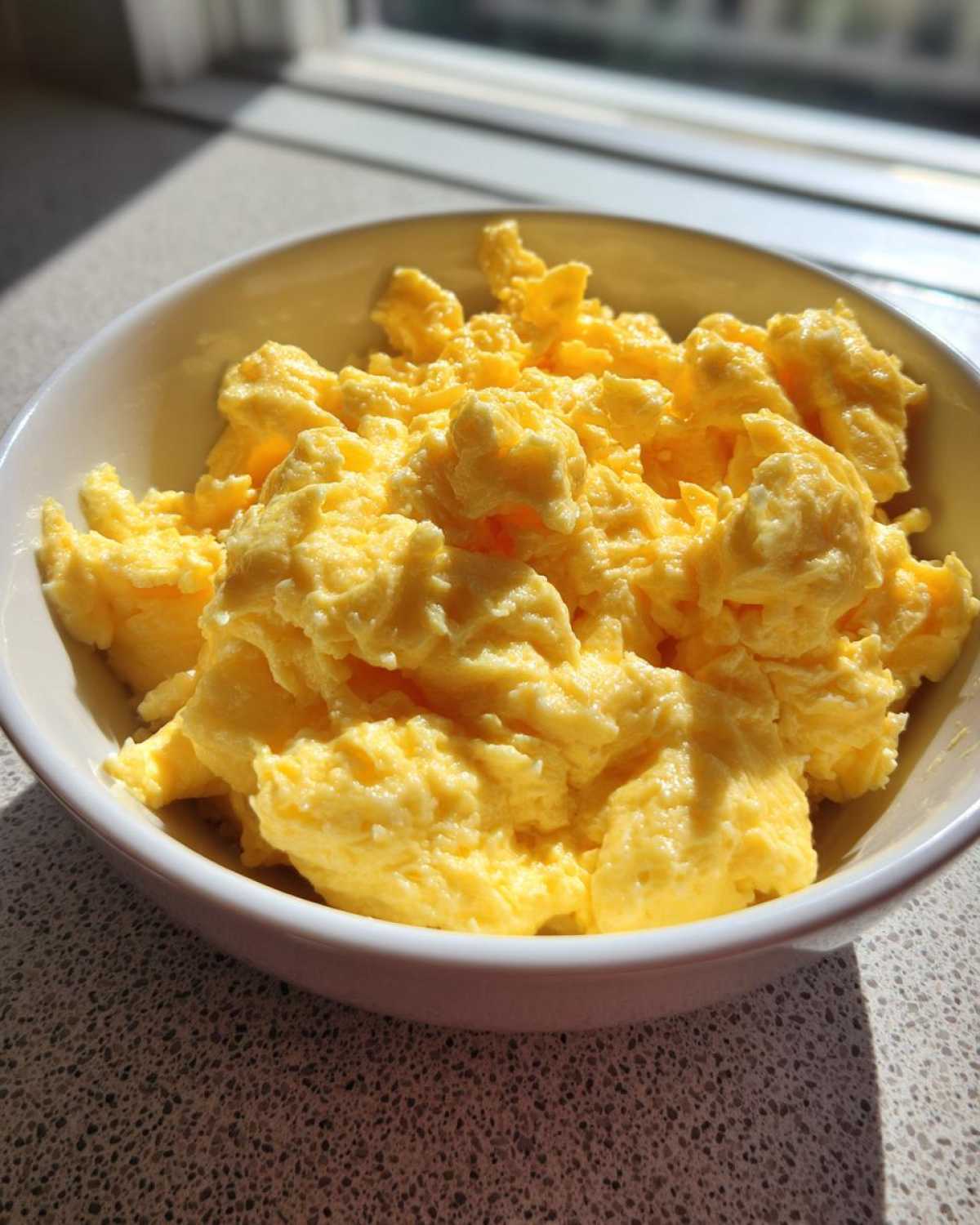
Enjoying these fluffy scrambled eggs is a treat! For one serving, you can expect approximately 180-200 calories. This includes about 15-17g of fat and 7-8g of protein. Carbohydrates are very low, around 1-2g. These numbers are estimates and can change based on the butter and salt you use.
PrintThe Secret to Fluffy Scrambled Eggs (It’s Not Milk)
Learn the simple secret to making incredibly fluffy scrambled eggs, and it’s not what you might think (hint: it doesn’t involve milk!). This method ensures light, airy, and perfectly cooked eggs every time.
- Prep Time: 2 minutes
- Cook Time: 3-5 minutes
- Total Time: 5-7 minutes
- Yield: 1 serving
- Category: Breakfast/Brunch
- Method: Stovetop
- Cuisine: American
- Diet: Vegetarian
Ingredients
- 2 large eggs
- 1 tablespoon butter
- Salt, to taste
- Black pepper, to taste
Instructions
- Crack the eggs into a bowl.
- Add a pinch of salt and pepper.
- Whisk the eggs vigorously until they are pale yellow and slightly frothy. This incorporates air, which is key to fluffiness.
- Melt the butter in a non-stick skillet over medium-low heat.
- Pour the whisked eggs into the skillet.
- Let the eggs cook undisturbed for about 30 seconds until the edges begin to set.
- Gently push the cooked edges towards the center with a spatula, allowing the uncooked egg to flow underneath.
- Continue this process, gently folding and moving the eggs, until they are mostly set but still slightly wet.
- Remove the skillet from the heat. The residual heat will finish cooking the eggs to a perfect, creamy consistency.
- Serve immediately.
Notes
- Using a non-stick skillet is recommended for easy cooking and cleanup.
- Avoid overcooking, as this will result in dry, rubbery eggs.
- You can add a splash of water instead of milk for extra steam and fluffiness, but this recipe focuses on technique.
Nutrition
- Serving Size: 1 serving
- Calories: Approximately 180-200 kcal
- Sugar: Less than 1g
- Sodium: Approximately 150-200mg (depending on added salt)
- Fat: Approximately 15-17g
- Saturated Fat: Approximately 5-6g
- Unsaturated Fat: Approximately 10-11g
- Trans Fat: 0g
- Carbohydrates: Approximately 1-2g
- Fiber: 0g
- Protein: Approximately 7-8g
- Cholesterol: Approximately 370-390mg
