

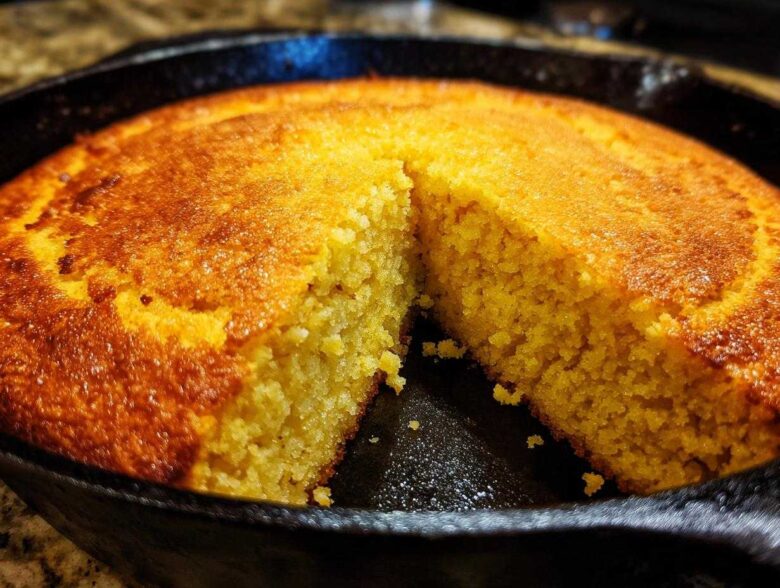
Can we talk for a second about texture? Seriously, there is nothing better than biting into a piece of cornbread where the edges are shatteringly crisp—you know, those deep golden brown crusts that snap a little—but the center is still soft, moist, and savory. That perfect contrast is exactly what we’ve captured here in this Authentic Southern Cast Iron Cornbread. Amara actually learned a version of this from her grandmother; it’s pure heritage, and the best part is that we’re skipping the sugar entirely! Trust me, this no-sugar skillet cornbread is the real deal, perfect for soaking up chili without tasting like cake.
Why This Authentic Southern Skillet Cornbread Recipe Works
The magic in this recipe isn’t flashy; it’s rooted in old-school technique, which is why it turns out so perfectly every single time. We aren’t aiming for a dessert here; we want that traditional Southern character. Chef Tariq always drills it into us: the difference between good cornbread and amazing cornbread is heat management. He used to tell us, watching us nervously handle the blazing hot iron, that the skillet needs to be angry hot before the batter even sees it. That intense initial heat is what guarantees those incredible Crispy Skillet Cornbread Edges we all crave.
The Secret to Crispy Skillet Cornbread Edges
This is non-negotiable for true Southern Style Cornbread. You must put your 10-inch cast iron skillet into the oven while it’s preheating to 425°F. Then, after the oven is hot, you add the bacon grease or butter right to the skillet. Let that fat sit in the oven for a good five minutes until it is shimmering and almost smoking. That super-heated surface hitting the batter is what flashes the exterior into a beautiful, crunchy shell.
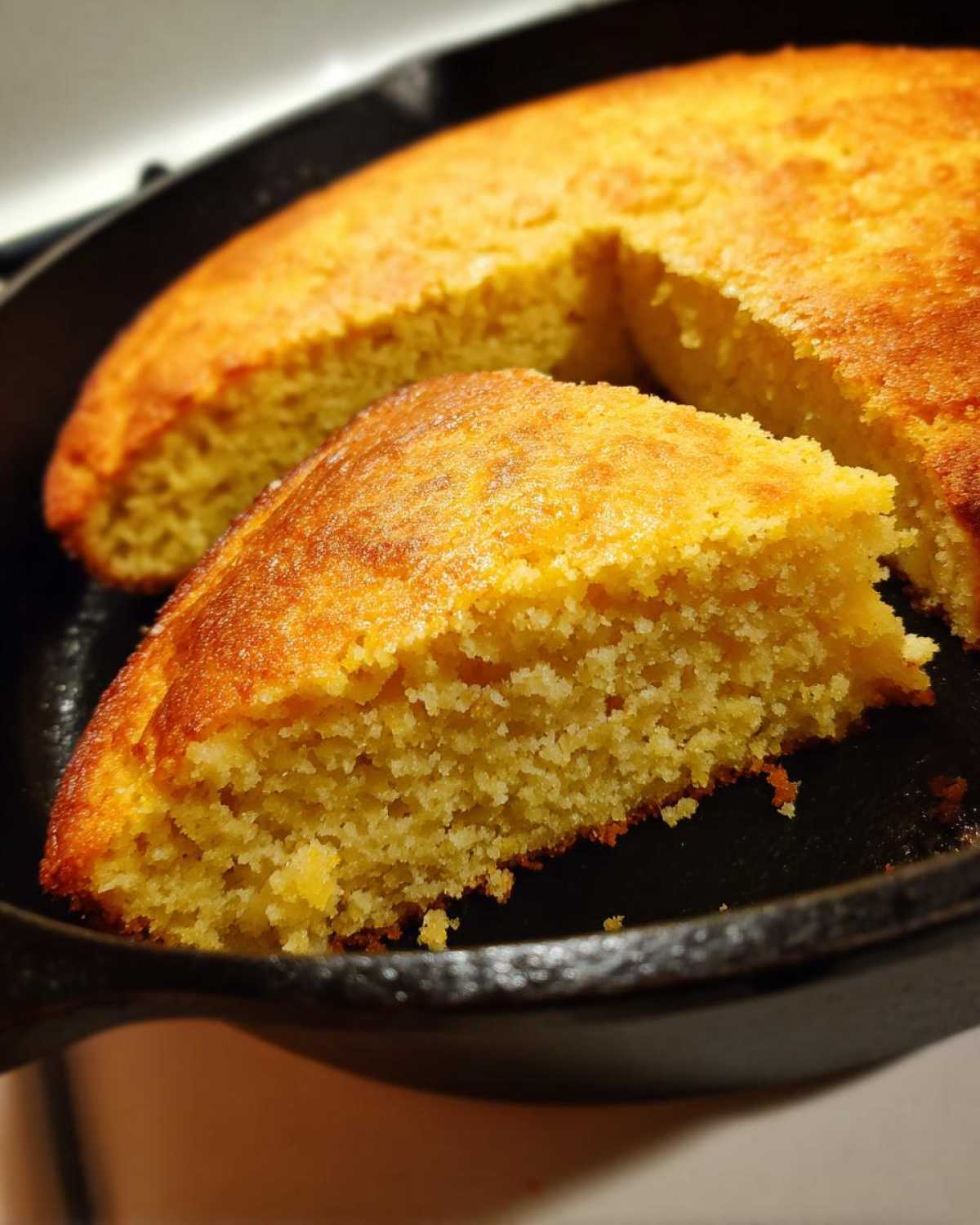
Achieving Moist Buttermilk Cornbread Texture
Inside that crust, we need tenderness, which is where the buttermilk comes in. Buttermilk has a slight acidity that reacts perfectly with the baking soda, giving the crumb a lift without making it tough. And Leo’s favorite part: you mix just until everything comes together. Seriously, stop stirring when you still see a few streaks of flour. Overmixing develops gluten, and nobody wants chewy skillet cornbread. This gentle hand keeps your interior wonderfully soft.
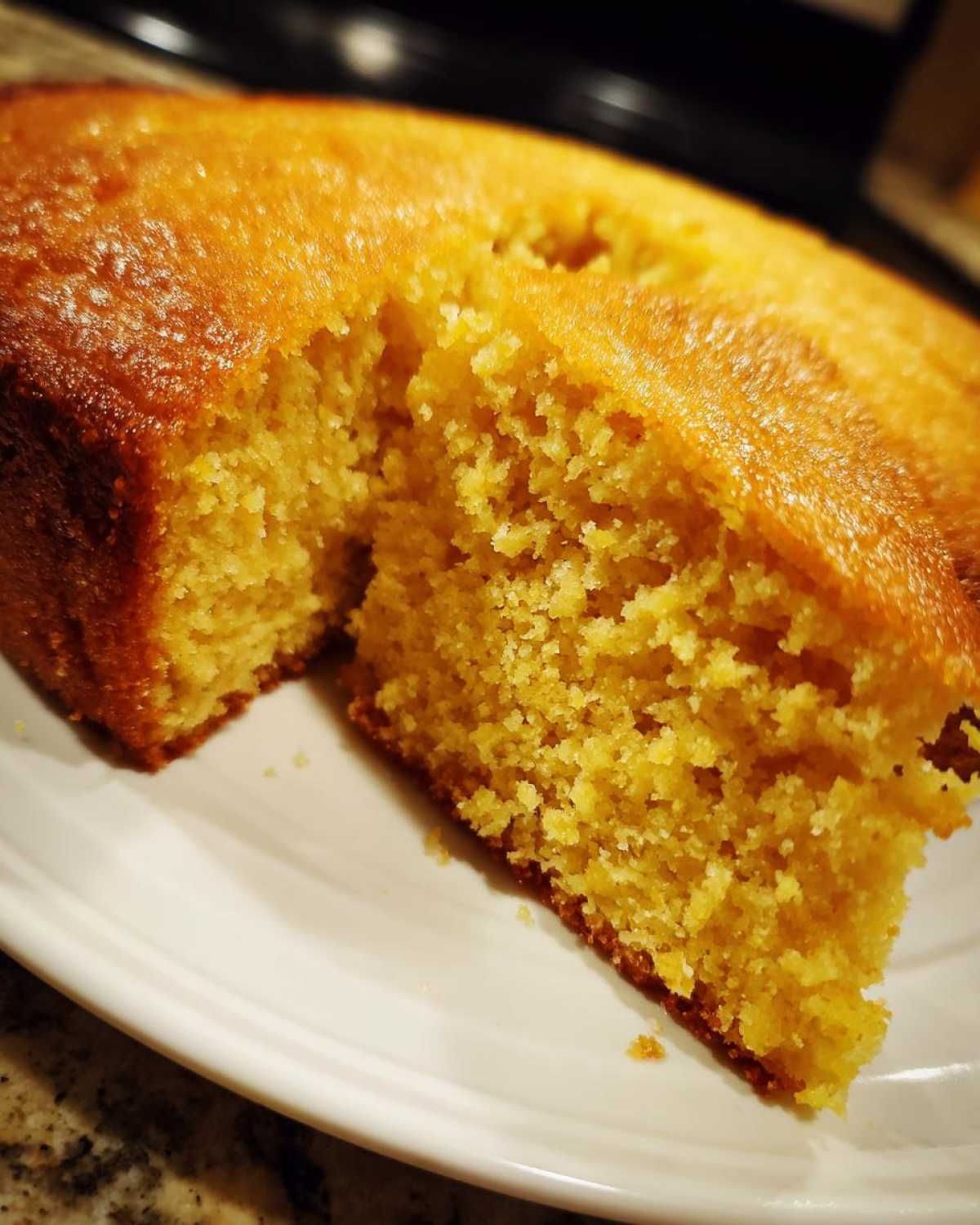
Gathering Ingredients for Your Skillet Cornbread
Okay, now that we are hyped up about that crispy outside, let’s talk about what you need for the inside. Since this is an unapologetically rustic, hearty recipe, the ingredients are super simple—the quality and preparation matter way more than quantity. You probably have most of this stuff in your pantry already! We aren’t using any sugar here, but the fats and the dairy are crucial for getting that authentic flavor profile that pairs perfectly with anything spicy you might be serving it with. You can check out some of my early experiments with honey butter if you ever wanna go sweeter, but stick to this list for today!
- 1 cup yellow cornmeal—that’s the base, make sure it’s yellow!
- 1 cup all-purpose flour
- 1 tablespoon baking powder
- 1 teaspoon salt—don’t skip this, it brings out the corn flavor!
- 1/2 teaspoon baking soda
- 1 cup buttermilk—this is your moisture secret weapon
- 1/2 cup whole milk
- 2 large eggs—just regular large eggs, lightly whisked
- 1/4 cup rendered bacon grease or unsalted butter, plus extra for greasing the hot pan
Step-by-Step Instructions for Perfect Skillet Cornbread
Getting that rustic, perfect result is all about timing and attention to heat. It feels a bit dramatic, I know, pulling a blazing hot piece of iron out of the oven, but this is where the magic happens. Just follow these steps exactly—don’t rush the preheating—and you’ll be amazed at the crust you get! This entire high-heat method is what separates a good bake from a truly great Southern crispy fried cornbread texture.
Preheating the Cast Iron Skillet
First thing first: get your oven cranking up to 425 degrees Fahrenheit. While it’s heating up, drop your 10-inch cast iron skillet right onto the rack. You want that iron to be screaming hot when the batter meets it, so give it at least 15 minutes to fully soak up that heat.
Mixing the Skillet Cornbread Batter
While that pan is warming up, quickly whisk together all your dry ingredients in a big bowl—cornmeal, flour, baking powder, soda, and salt. In a separate, much smaller bowl, quickly whisk the buttermilk, milk, and eggs. Now, pour the wet into the dry ingredients. Mix this by hand with a fork or spatula until it’s *just* combined. Seriously, stop mixing when you still see a few flour streaks; that’s the secret to light skillet cornbread.
The Hot Fat Pour and Baking
This is the moment! Carefully—and I mean *carefully*—pull that blazing hot skillet out of the oven. Drop your quarter cup of bacon grease or butter right into the center. Swirl it around until the entire bottom and the sides are coated; it should look shimmery. Pour your batter straight into that hot fat immediately, and you should hear that fantastic sizzle! That sound means success! Pop the whole thing back into the oven and bake for about 20 to 25 minutes. You want it golden, and a toothpick centered in the skillet cornbread should come out clean. Let it rest for five minutes before you dive in.
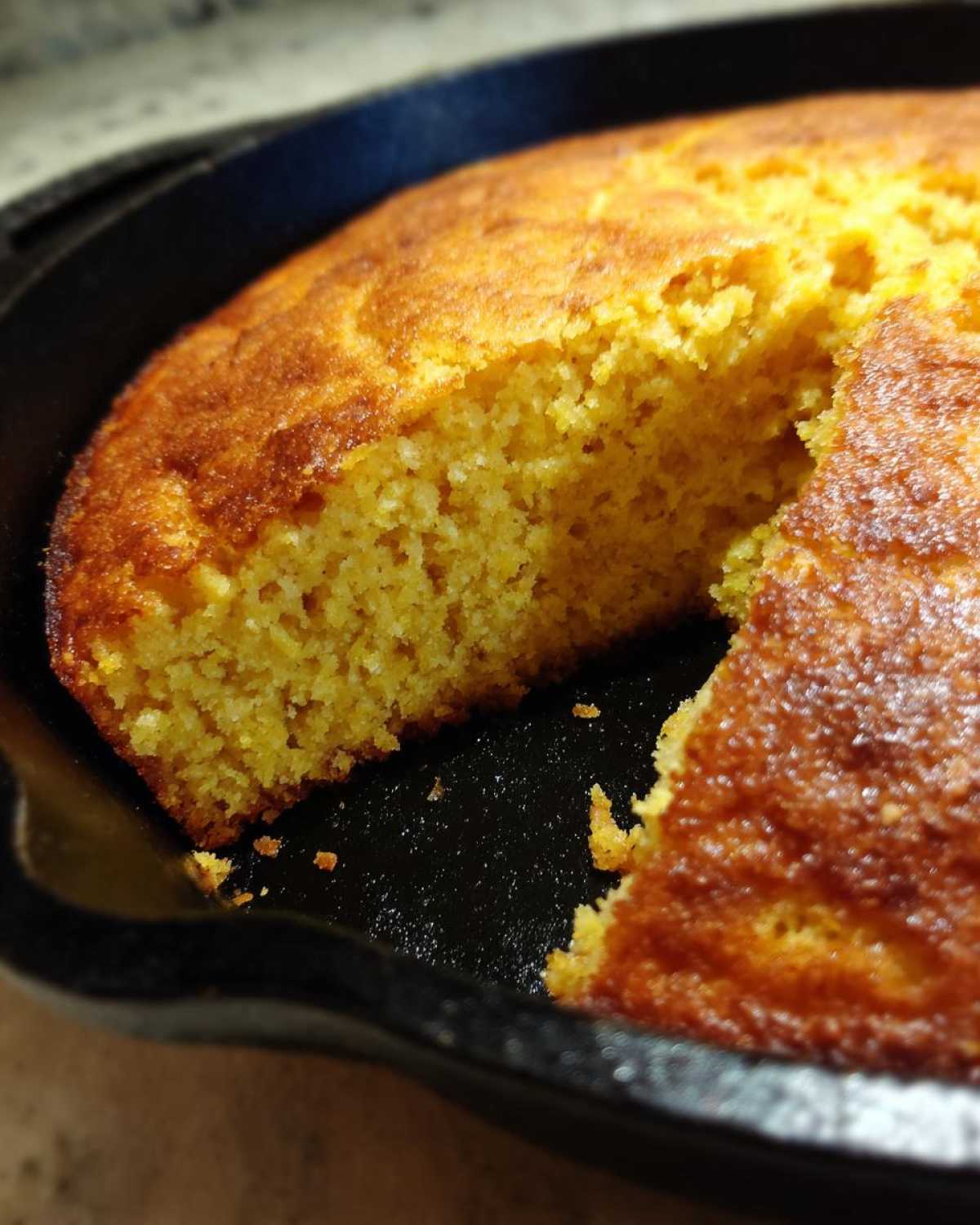
Ingredient Notes and Substitutions for Skillet Cornbread
I get asked all the time which ingredient is the most important, and honestly, it’s the fat you use to grease that hot skillet. For the most authentic, savory kick in this skillet cornbread, you absolutely have to use rendered bacon grease. It imparts a flavor that butter just can’t touch—it’s deep and salty and perfectly Southern. If you are serving this to vegetarians or just ran out of grease, unsalted butter is certainly the next best thing, but it will shift the flavor profile slightly.
Now, about sweetness. Since we are sticking to the traditional, savory path, this recipe is intentionally made without added sugar. However, if you really crave that little kiss of sweetness sometimes, go ahead and stir just one tablespoon of honey into the wet ingredients. It’s actually fantastic, especially if you plan on serving it with some of my creamy beer cheese dip! But even with that optional honey, the cornmeal keeps the overall flavor profile firmly rooted in savory territory, which is how every true Southern cook makes it.
Tips for Success When Making Skillet Cornbread
I want you, yes, YOU, to nail this crust and moisture balance on your first try! It’s all about respecting the heat and the ingredients. First off, if you’re aiming for that perfect Southern Style Cornbread, grab your cast iron and don’t even think about cheating on the preheating time. That skillet needs to be scalding hot!
Second, when you mix your batter, put your whisk down the second you combine the wet and dry stuff. Lumps are your friends here; I swear, mixing until it’s perfectly smooth is the quickest way to ruin your final product. This is about Old Fashioned Cornbread Baking principles, not cake mixing!
Finally, remember that sizzle when you pour the batter into the hot grease. If you don’t hear that immediate, angry sizzle, your skillet wasn’t hot enough, and you’ve missed your chance for those unbelievable edges on your skillet cornbread. Make sure that fat is shimmering!
If you want to dive deeper into the traditional ways of handling dry cornmeal mixes, check out my notes on old-fashioned cornbread baking for more seasoned wisdom!
Serving Suggestions for Your Homemade Cornbread Recipe
Since this batch of cornbread is wonderfully savory—no sugar needed—it begs for deeply flavorful companions. Forget serving it with jelly; this is the absolute Best Cornbread for Chili you will ever dunk into a bowl. It’s sturdy enough to hold its own against thick stews and hearty beans, soaking up all that wonderful liquid goodness without turning immediately mushy.
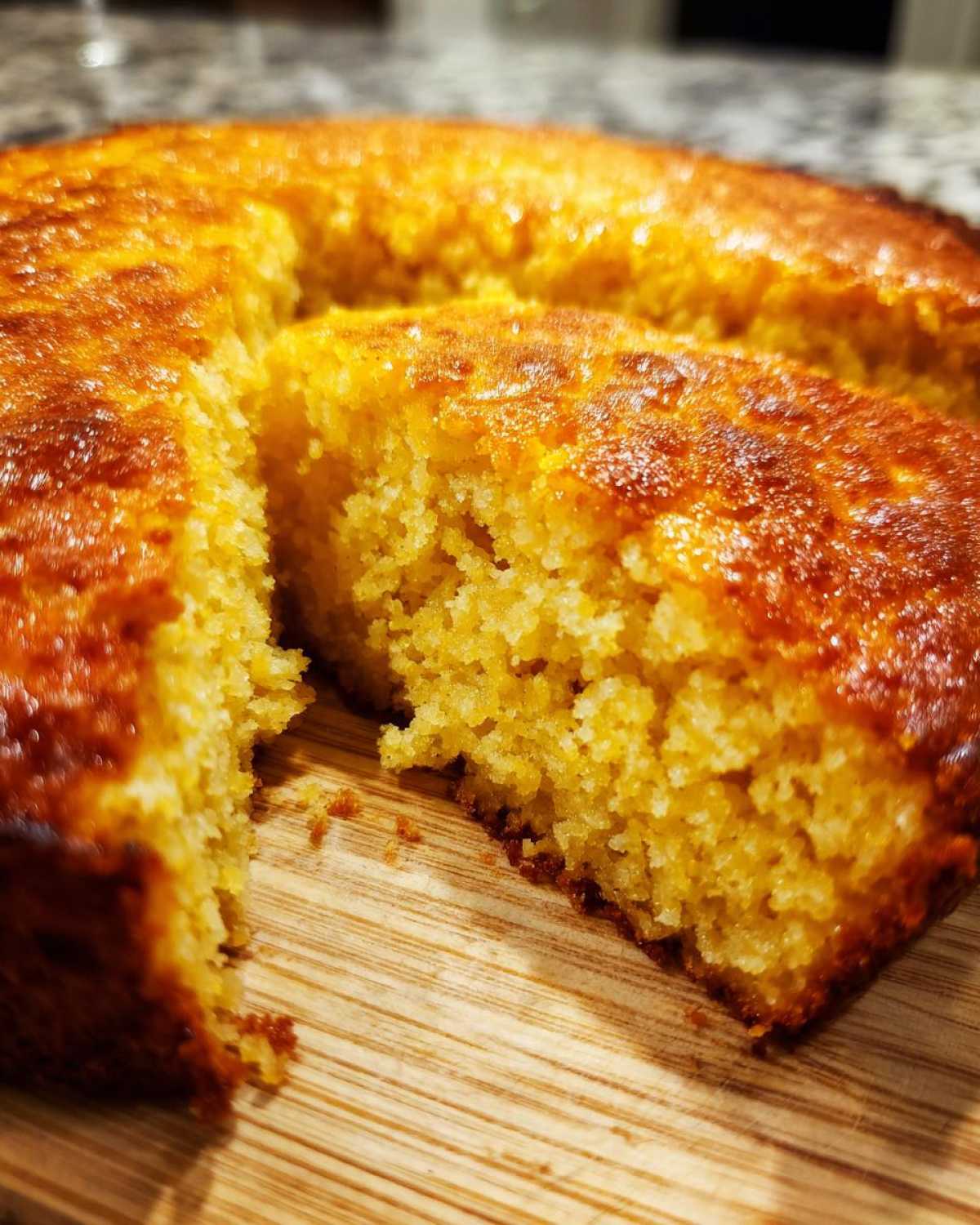
It also shines served alongside smoky collard greens or slow-cooked pulled pork. Think of it as the ultimate Rustic Bread Recipe meant to complement robust, comforting meals. When you have a cornbread this good, you don’t need fancy toppings, but I always have a side of my creamy potato-leek soup recipe around just in case!
Storage and Reheating for Leftover Skillet Cornbread
Listen, I hope you don’t have leftovers because this stuff disappears fast, but if you do, don’t sweat it! Store any remaining skillet cornbread tightly wrapped at room temperature for up to three days. If you want it to last longer, pop it in the fridge.
The game-changer for leftovers is how you bring back that crust. Don’t microwave it—that guarantees a soggy bottom! The best way to revive that gorgeous, crackly exterior is to put the slices, unwrapped, into a dry skillet over medium heat for just a minute per side. It gets beautifully crisp again, and it’s ready for dipping!
Frequently Asked Questions About Skillet Cornbread
I know you might have a couple of last-minute thoughts before you dive into this recipe, especially if you want to adapt it. That’s smart! Cooking is all about learning your equipment and ingredients. We get so many questions about this specific recipe, especially since we skipped the sugar, which often confuses folks used to the sweeter Northern style. Ask away—we’ve got the answers forged right here in our kitchen! For more general cooking adventures and inspiration, don’t forget to check out our main blog.
Can I use regular milk instead of buttermilk in this skillet cornbread?
You certainly can, but you’ll miss out on some of that beautiful tenderness! Regular milk doesn’t have the acid that reacts with the baking soda, so your cornbread might come out a little denser than the wonderfully fluffy texture we are aiming for. If buttermilk is totally scarce, here’s a quick fix: take one cup of regular milk and stir in one tablespoon of white vinegar or lemon juice. Let it sit on the counter for about five minutes; it will thicken up, and you’ve got a lovely homemade substitute!
How do I prevent my cornbread from sticking to the cast iron?
This is the million-dollar question for any cast iron skillet cornbread baker! The answer comes back to the heat, always the heat. You absolutely must preheat that skillet in the oven while it climbs to temperature. Then, once the oven is ready, you add the bacon grease or butter to the *hot* iron and let that fat heat up until it’s shimmering. That scorching layer of fat is what prevents sticking and encourages those gorgeous, crispy edges. Don’t skimp on heating that fat!
Is this recipe truly ‘No Sugar Cornbread Classic’?
Yes, it 100% is! We call this our **No Sugar Cornbread Classic** because we are sticking true to the savory roots of Southern baking. While some folks think cornbread needs a quarter cup of sugar or a big drizzle of honey—which is fine for a different day!—this version relies completely on the natural, earthy sweetness that comes only from good yellow cornmeal. It’s savory, salty, and designed to complement heavy soups or smoky BBQ!
Nutritional Estimate for Skillet Cornbread
Alright, let’s talk numbers for a second. I’m not usually a stickler for counting calories when I’m cooking comfort food this good, but I know some of you like to keep track! Please see the estimates below for one wedge of this Moist Buttermilk Cornbread based on how we mix it up—meaning, we are counting the *no-sugar* version here.
Remember, these numbers are just guidelines, like rough sketches! They are based on general ingredient databases and don’t account for the exact brand of cornmeal you use, or if you use bacon grease (which varies in fat content!) versus pure butter. It’s just a starting point!
- Serving Size: 1 wedge
- Calories: 220
- Sugar: 1 gram
- Sodium: 350 mg
- Fat: 11 grams
- Protein: 5 grams
- Carbohydrates: 26 grams
Because we are consciously leaving out refined sugar and relying on that delicious cornmeal, you’ll notice the sugar content is super low, which is exactly what we intended for this savory, Homemade Cornbread Recipe! Enjoy it knowing it’s pure, heartfelt, down-home flavor.
Share Your Southern Style Cornbread Creations
That’s it! You’ve done it. Now that you have the secret to perfectly crispy edges and that wonderfully savory, moist interior, I truly want to see what you create. Please leave a rating a little further down—it helps other cooks find this authentic recipe! Tell us in the comments if you went with the bacon grease or butter, and how your batch of skillet cornbread turned out for your dinner tonight. Happy baking, friends!
PrintAuthentic Southern Cast Iron Skillet Cornbread (No Sugar Added)
Make this classic Southern Skillet Cornbread in your cast iron pan for perfectly crispy edges and a moist, savory center. This easy, no-sugar recipe delivers true comfort food flavor.
- Prep Time: 10 min
- Cook Time: 25 min
- Total Time: 35 min
- Yield: 8 servings
- Category: Side Dish
- Method: Baking
- Cuisine: American
- Diet: Vegetarian
Ingredients
- 1 cup yellow cornmeal
- 1 cup all-purpose flour
- 1 tablespoon baking powder
- 1 teaspoon salt
- 1/2 teaspoon baking soda
- 1 cup buttermilk
- 1/2 cup whole milk
- 2 large eggs
- 1/4 cup rendered bacon grease or unsalted butter, plus extra for greasing
Instructions
- Preheat your oven to 425 degrees Fahrenheit. Place your 10-inch cast iron skillet in the oven while it preheats. You want the skillet very hot.
- In a large bowl, whisk together the cornmeal, flour, baking powder, salt, and baking soda.
- In a separate medium bowl, whisk together the buttermilk, whole milk, and eggs until combined.
- Pour the wet ingredients into the dry ingredients. Mix gently until just combined. Do not overmix; a few lumps are fine.
- Carefully remove the hot skillet from the oven. Add 1/4 cup of bacon grease or butter to the hot skillet. Swirl the fat around to coat the bottom and sides completely. The fat should be shimmering hot.
- Pour the cornbread batter immediately into the hot, greased skillet. You should hear a distinct sizzle as the batter hits the hot fat.
- Return the skillet to the oven and bake for 20 to 25 minutes, or until the top is golden brown and a toothpick inserted into the center comes out clean.
- Let the cornbread cool in the skillet for 5 minutes before slicing and serving. You will get those irresistible, **crispy skillet cornbread edges**!
Notes
- For the best flavor and the signature crispy crust, do not skip heating the cast iron skillet and the fat before adding the batter. This is key for **Southern Style Cornbread**.
- If you do not have bacon grease, use unsalted butter, but bacon grease provides the most authentic, savory taste.
- If you prefer a slightly sweeter taste, you can add 1 tablespoon of honey to the wet ingredients, but this recipe remains **No Sugar Cornbread Classic**.
Nutrition
- Serving Size: 1 wedge
- Calories: 220
- Sugar: 1
- Sodium: 350
- Fat: 11
- Saturated Fat: 4
- Unsaturated Fat: 7
- Trans Fat: 0
- Carbohydrates: 26
- Fiber: 1
- Protein: 5
- Cholesterol: 65
