

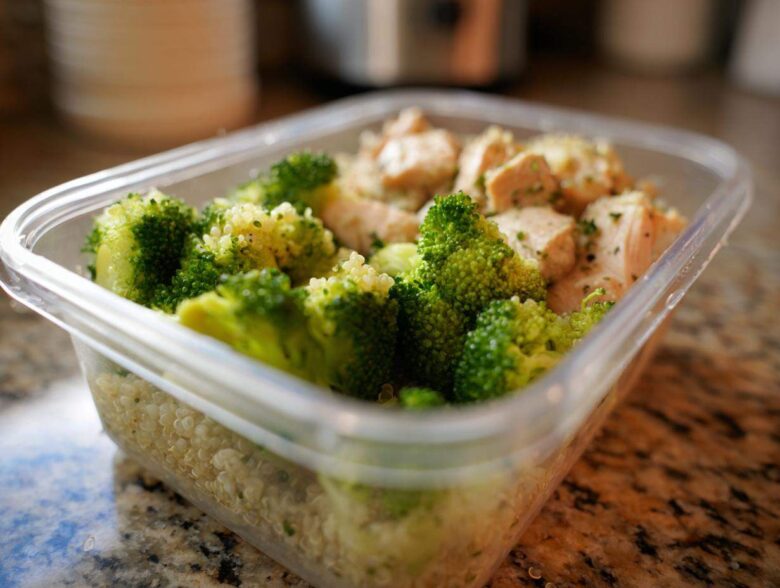
Oh man, I’ve been there. You spend hours cooking on Sunday, feeling so virtuous, and then by Tuesday, you’re ordering takeout because the fridge is a mess and you just don’t have the energy to put together something healthy. It feels like no matter how hard you try, you’re eating healthy wrong for busy people, right? It’s frustrating!
I used to think healthy eating meant spending an hour chopping vegetables for every single dinner. Oops! Total rookie mistake. I finally figured out the secret isn’t cooking *more*; it’s cooking *smarter*. This isn’t about fancy tricks; it’s about systemizing your nutrition so it happens almost on autopilot, even when your calendar is screaming at you.
We’re going to rip up that overly complicated routine. Trust me, we can get you eating balanced, delicious food without spending all your free time stressing about ingredients. I’m going to show you exactly how I dedicate one hour a week to ensure my weekdays are practically automatic. Say goodbye to feeling like you’re eating healthy wrong!
Why You’re Eating Healthy Wrong for Busy People: Common Time Traps
Look, the assumption that healthy eating needs to be complex is probably the #1 reason we quit halfway through the week. I used to fall into every single one of these traps! You feel great after spending an hour on Saturday crafting a gourmet salad, but by Wednesday at 6 PM, you’re done. That’s not sustainable, and honestly, it just makes you feel like you’re eating healthy wrong for busy people.
Let’s talk about the biggest time sinks that derail us. These are the classic healthy eating mistakes busy people make that drain your energy:
- Overcomplicating Dinner: Trying to cook five different components for a single weeknight meal. Unless you’re entertaining, do we really need separate rice, sautéed kale, and pan-seared fish every night? No!
- Impulse Grocery Buys: Showing up at the store starving or unsure what you’re making leads straight to the fancy snacks aisle. That unplanned stop costs you time *and* money.
- Relying on Novelty: Thinking every meal has to be a brand new Pinterest-perfect creation. That level of mental energy just isn’t there after a long workday.
- Not prepping *anything*: Thinking one main cooking session is too big of a commitment, so you end up cooking small, inefficient things daily instead.
Once you admit you’re making these traps your daily habit, you can start fixing them! It’s all about strategic simplicity. If you want to read more general productivity tips, I shared some of my favorite life hacks over on the main blog page!
The Foundation: Streamlining Your Approach to Efficient Healthy Eating
Okay, enough doom and gloom about wasted time! The absolute biggest shift that fixed my routine and ended the feeling that you’re eating healthy wrong for busy lifestyles is the concept of batch cooking. Seriously, this is the game changer. We aren’t cooking dinner six nights a week; we are cooking components one time.
Think of it like this: you dedicate about an hour, maybe an hour and a half, on a slower day—Sunday is my go-to. That one concentrated burst of effort saves you from spending at least 20-30 minutes cooking every single day. We are aiming for true efficient healthy eating where you can assemble your lunch or dinner in five minutes flat!
Our goal for that one hour is to produce enough core components—protein, grain, sturdy veggies—to cover maybe four or five days of meals. It sounds like a lot, but once you get into the rhythm, it’s fast. If you want to see a fun little detour into quick breakfast ideas that fit this same framework, check out my egg muffin cups recipe; they’re great for pairing with these lunches!
Essential Gear for Batch Cooking Success
You don’t need a huge fancy kitchen, but you need the right carriers! Make sure you have at least five solid, reusable meal prep containers—the ones that stack neatly are my favorite. Also, grab your biggest stockpot and one good sheet pan. That’s really all you need to get started this week!
Ingredients for Your Weekly Batch Prep: Setting Up to Stop Wasting Time Cooking
Alright, let’s talk about what goes into that power hour. If you want to successfully banish the need to **stop wasting time cooking** every single night, you need a solid ingredient list that minimizes fuss. We’re sticking to the basics here, the building blocks! I’ve listed what I use, but the beauty is that you can swap within categories.
You’ll need about one dedicated hour this week for this process. Here’s the shopping list foundation for five healthy meals:
- One hour dedicated completely to batch cooking!
- Five of your best reusable containers ready to go.
- Lean Protein: Pick *one*—chicken breast, firm tofu, or a can of rinsed beans works perfectly.
- Complex Carb: Load up on quinoa or brown rice. We’re cooking a large batch of this first!
- Quick Veggies: Broccoli florets, a bag of fresh spinach, and some bell peppers.
- Simple Seasonings: Just salt, pepper, and garlic powder. Keep it versatile for now.
That’s it! Notice how we picked just *one* type of grain and *one* type of protein? This cuts down on decision fatigue when you’re shopping and prepping. This simple assembly method is how we win back our evenings. For flavor-boosting ideas without adding extra cooking time later, I sometimes pair my batch prep protein with quick sauces like the ones I use in my chicken and broccoli orzo recipe!
Step-by-Step Instructions: How to Execute Your Meal Prep Session
Okay, this is the action part! We are dedicating that crucial 60-minute window to set up your entire week. Remember, this is batch cooking for beginners, so don’t rush. The order matters here to keep things flowing quickly! First, get that big pot going with your grain—quinoa or rice. Get that cooking immediately; it takes the longest passive time.
While that’s simmering, move straight onto your protein. Whether you’re baking chicken or just heating up some pre-cooked beans, get it seasoned simply—think salt, pepper, garlic powder. Keep the seasoning light! My expert tip here is this: under-seasoning your base components is better than over-seasoning. If you keep them slightly bland, you can add vibrant sauces or spices when you reheat them later in the week. It keeps your rotation interesting!
Next up are the vegetables. You want to chop all your hard veggies first, like carrots or sturdy peppers. Then, you can steam or quickly roast your broccoli. Don’t let things cool down too much on the counter! As soon as your grain and protein are done cooking—and have cooled slightly so you don’t crack your containers—start assembling immediately. If you need a reminder on how I use these concepts for quick dinners, my casserole blueprint shows how to mix components easily!
Assembling Grab and Go Healthy Lunches
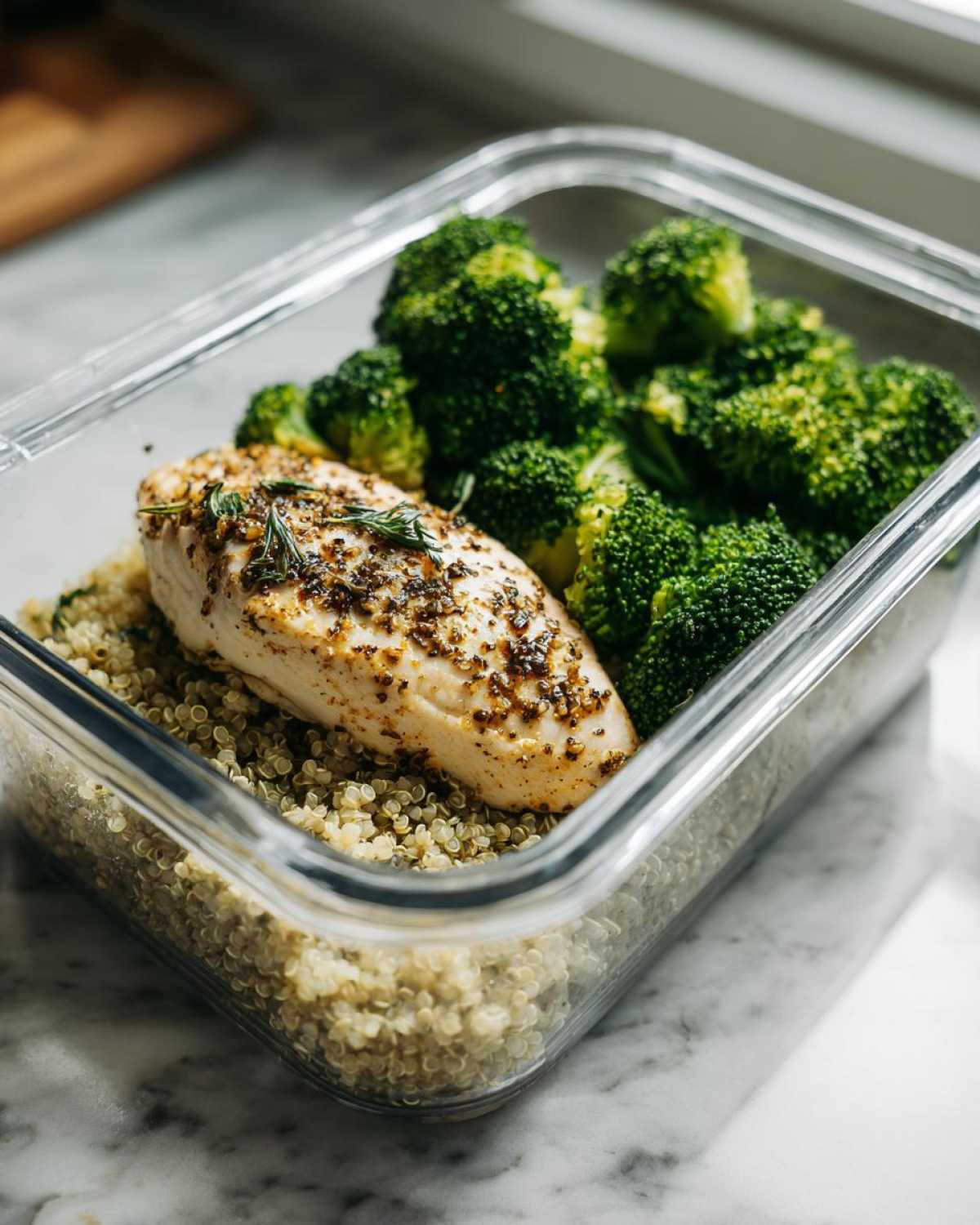
Lunches for the office or school need zero active effort in the morning. While you are assembling your main dinner containers, dedicate a few minutes to your **grab and go healthy lunches**. If you are doing overnight oats, mix those up right now and pop them in the fridge! For veggie-heavy lunches, just take all those pre-cut sticks you chopped earlier and put them in smaller containers alongside hummus or a yogurt dip.
The key is that when you grab that lunch container tomorrow morning, you are grabbing an entire, ready-to-eat meal. There is no peeling, no slicing, and zero decision-making involved. If you have leftover cooked rice, toss a scoop in with some pre-cut cucumbers and a pre-portioned packet of tuna—done!
Quick Healthy Meals: Busy Person Dinner Solutions
So, you’ve handled the lunch containers, but what about those nights when you walk in the door at 7 PM and your stomach is staging a protest? That’s where our batch prep components shine as the secret to **quick healthy meals**! Since you already cooked your batch of protein and your veggies were chopped during your hour of power, dinner becomes a 15-minute assembly job—or even faster!
This is where the “one-pan healthy dinners” concept really saves us when **you’re eating healthy wrong for busy** schedules. Grab that pre-cooked protein and your pre-chopped peppers. Toss them onto a sheet pan, drizzle with olive oil, and maybe add some pre-cut zucchini. Throw it in the oven on broil or a high heat roast for 10 minutes just to crisp it up. If you need a quick visual guide to maximizing this approach, my post on one-pan wonders is a must-read!
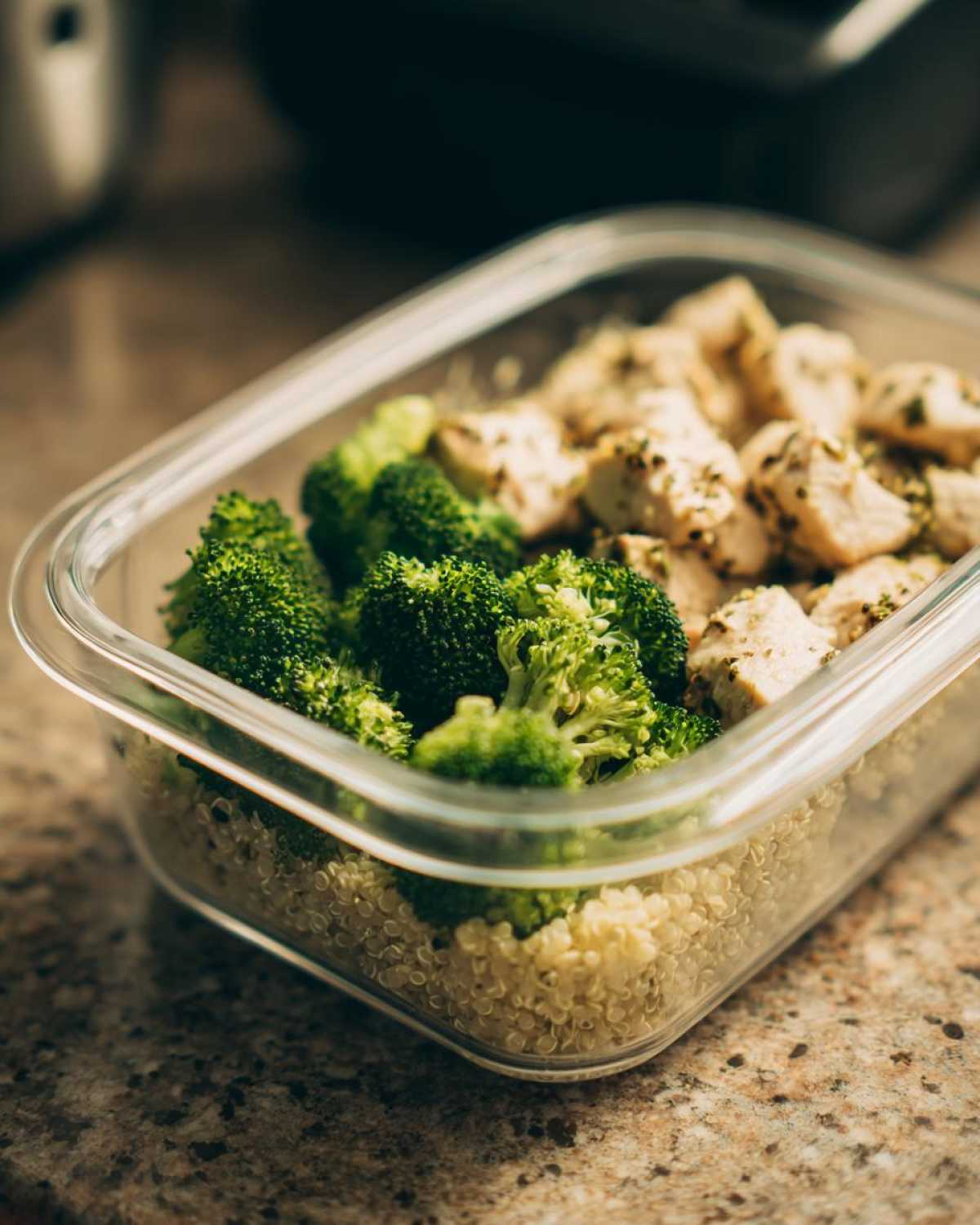
This totally solves the **busy person dinner solutions** dilemma because you aren’t starting from scratch. You’re just heating, combining, and maybe adding a splash of that versatile sauce you planned for. It’s fast, it’s nutritious, and it keeps you out of the takeout trap!
Ingredient Notes and Substitutions to Simplify Clean Eating
Once you have the core batch cooking system down, you need a few little **healthy eating hacks** to keep the momentum going without getting bored. This is how we really manage to **simplify clean eating** even when life gets nuts!
The first trick is simple doubling: anytime you make a dinner recipe that uses one of your batch components (like chicken or rice), just cook double the amount! You don’t spend any extra time cooking, but bam!—you just created tomorrow’s lunch automatically. Instant time-saver!
Also, don’t be afraid of the freezer aisle. Frozen vegetables are your best friends. They require zero chopping and cook up almost instantly in the microwave or steamer, and they count just as much as fresh ones. Similarly, always keep bags of pre-washed greens on hand. Washing lettuce takes way more time than you think, so skipping that step for your quick salads saves serious minutes.
My final organization tip to keep things streamlined is focusing on **ingredient planning**. If you only plan meals around three core types of ingredients for the week (say, chicken, sweet potatoes, and spinach), your grocery list stays short, and you avoid that weird feeling of having too many things to choose from. For inspiration on how to use simple ingredients in a fun way, check out my twist on quick avocado toast—it’s a non-meal concept that still fits that simple ingredient mindset!
Time Saving Nutrition Tips for Maintaining Momentum
Okay, we’ve conquered the big hour of batch cooking, but what happens when you slip up mid-week? That’s totally normal! This is where having a few high-level **time saving nutrition tips** in your back pocket helps you get instantly back on track. If you rely 100% on perfect meal prep every day, that’s when you start feeling like you’re eating healthy wrong for busy people when life inevitably throws a curveball.
My philosophy is what I call the 80/20 rule. Eighty percent of the time, stick to your prepped meals, follow the plan, and feel great. But the other 20%? Don’t stress! If you have a crazy travel day, eat the quickest, healthiest thing you can find without guilt. It’s about consistency, not perfection.
Another massive hack is stocking up on zero-effort snacks. Keep hard-boiled eggs ready to go, or have pre-portioned nuts and seeds ready for snacking. This stops you from hitting the vending machine when that 3 PM slump hits. Sometimes using batch components for comfort food is a great bridge, like making a quick, nutritious soup when you’re feeling under the weather—I shared my favorite recipe for that comfort soup if you need something hearty yet fast!
Frequently Asked Questions About Efficient Meal Prep
I know you might still have a few sticking points, especially when it comes to fitting this into your real life. That’s totally fair! Whenever I start a new system, I have a ton of questions too. Getting the details right is what makes this stick long-term. These batching strategies are super flexible once you get the hang of them, so let’s clear up the remaining organizational stuff!
How long do these batch-prepped components last in the fridge?
This is crucial for food safety, so listen up! Generally, anything I cook fresh—like rice, quinoa, or chicken—I plan to eat within three to four days maximum. If you cook something on Sunday, you want it gone by Wednesday night or Thursday morning. If you find yourself with extra components then, that’s when you portion them out for the freezer! This keeps things fresh and safe, ensuring you don’t accidentally end up feeling like you’re eating healthy wrong for busy people because your food went bad.
Can I use this method for Minimal Effort Healthy Recipes that aren’t grain-based?
Absolutely! That’s the beauty of focusing on components rather than strict recipes. Grains are awesome, but if you’re trying to keep carbs lower for a few days or you just don’t feel like rice, swap it out! Instead of your cup of quinoa, roast an entire tray of cauliflower or sweet potatoes, or boil up a dozen eggs. You still get that sturdy base ingredient ready for assembly, which means you’re still winning the **minimal effort healthy recipes** game!
What is the best way to reheat these meals without drying them out?
This is all about moisture retention! When using the microwave, avoid blasting it on high power, which cooks everything too fast and sucks out the water. I always put my container into the microwave, but I drop just a tiny teaspoon of water or broth right next to the protein before I cover it. Use the defrost setting or 50% power for about 90 seconds at a time, stirring halfway through. This low, slow steam action keeps leftovers tasting nearly as good as fresh! If you’re looking for other awesome low-effort cooking ideas, check out my guide to sheet pan breakfast hacks—same principle, different meal!
Estimating Nutrition for Your Streamlined Meal Planning
Now, I know some of you health nuts out there need the numbers, right? You want to know exactly what you’re putting in your body after spending that one hour prepping. While I’m all about cooking with my intuition, keeping things simple enough that we don’t get bogged down in tracking is key! I ran the numbers based on the general components we talked about—a lean protein, a moderate scoop of quinoa, and quick veggies—to give you a ballpark estimate for one of these ready-to-go containers.
Please, please remember these are estimates! The actual numbers change depending on how much oil you use for roasting or the exact protein source you grab. I’m using a pretty standard, balanced base for these figures. Think of this as your safety net, not your gospel, so you can worry less about hitting macros and more about enjoying your lunch!
For one serving of this batch-prepped meal, here’s what we’re generally looking at based on our setup:
- Serving Size: 1 container
- Calories: Around 450 (This is totally controllable based on your fat portion!)
- Protein: A whopping 40 grams—that’s fantastic for staying full!
- Fat: About 12 grams total.
- Carbohydrates: Around 45 grams, mostly coming from your complex carbs and veggies.
We’ve managed to keep the sugar low (only about 5 grams, mostly natural) and the fiber nice and high (7 grams!), which is exactly what we want for sustained energy throughout the workday. If you want to see how I apply quick nutrition principles to comfort food recipes—like making my Salisbury steak healthier—check out that post for some ideas on guilt-free dinners!
PrintEfficient Healthy Eating for Busy People
Simple strategies and minimal effort recipes to maintain good nutrition when you have limited time.
- Prep Time: 15 min
- Cook Time: 45 min
- Total Time: 60 min
- Yield: 5 servings
- Category: Meal Prep
- Method: Batch Cooking
- Cuisine: General
- Diet: Low Fat
Ingredients
- 1 hour dedicated weekly for batch cooking
- 5 reusable meal prep containers
- Your preferred lean protein (chicken, tofu, beans)
- Your preferred complex carbohydrate (quinoa, brown rice)
- Your preferred quick-cooking vegetables (broccoli, spinach, peppers)
- Basic seasonings (salt, pepper, garlic powder)
Instructions
- Dedicate one hour on a slow day to prepare core components for the week.
- Cook a large batch of your chosen grain, like quinoa or brown rice. Store it in the refrigerator.
- Cook or bake a large quantity of your lean protein source. Season simply.
- Chop all hard vegetables (like carrots or peppers) needed for the week. Steam or roast softer vegetables (like broccoli) quickly.
- Assemble meals immediately after cooling components, dividing them into your containers.
- For lunches, focus on ‘grab and go’ assemblies like overnight oats or pre-cut vegetable sticks with hummus.
- For quick dinners, rely on one-pan meals using pre-chopped ingredients that cook in under 20 minutes.
Notes
- Cook double portions of dinner ingredients to automatically create lunch for the next day.
- Keep a stock of frozen vegetables; they require no chopping and cook very fast.
- Use pre-washed greens to save several minutes on salad preparation.
- Plan meals around three core ingredients to simplify grocery shopping and reduce decision fatigue.
Nutrition
- Serving Size: 1 container
- Calories: 450
- Sugar: 5
- Sodium: 400
- Fat: 12
- Saturated Fat: 2
- Unsaturated Fat: 10
- Trans Fat: 0
- Carbohydrates: 45
- Fiber: 7
- Protein: 40
- Cholesterol: 80
