

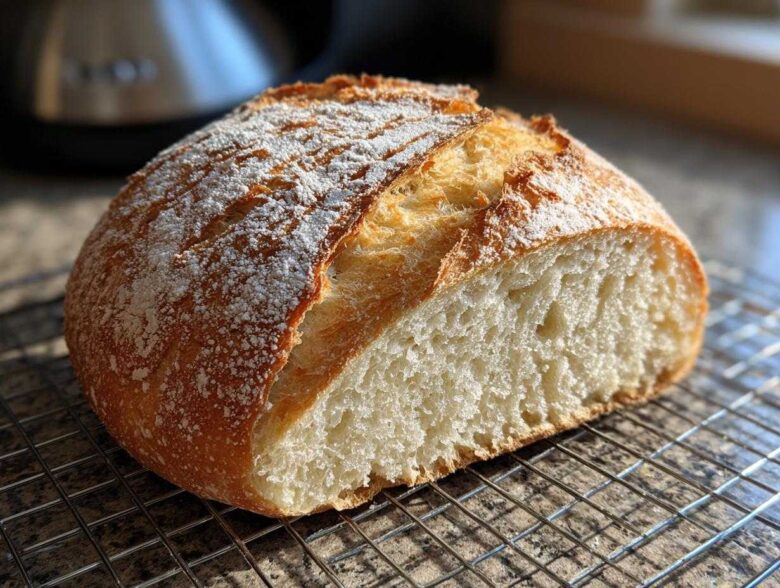
Oh my gosh, stop what you are doing! There is truly nothing that compares to the smell of fresh French bread baking in your own kitchen, right? Forget those sad, pre-packaged loaves you grab in a hurry. When Amara, Tariq, and I first started dreaming up Savory Skies, we knew we had to nail the classics, and this recipe is it! We spent weeks testing because we wanted that perfect contradiction: a cloud-like, soft French bread interior wrapped up in that magical, crackly, bakery style bread crust. The absolute best part? We got it done in under two hours! Seriously, this Simple Yeast Bread is your new weeknight hero.
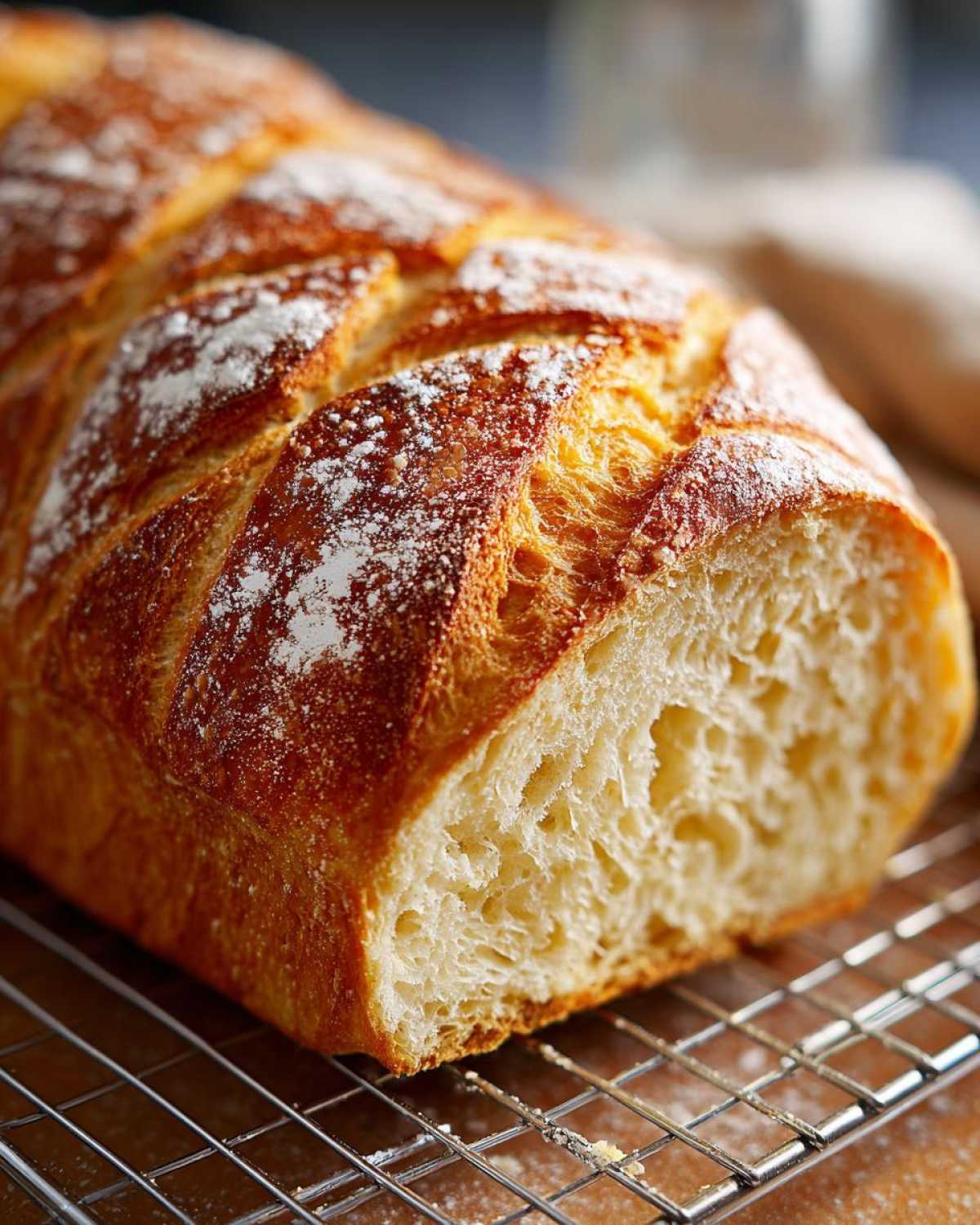
Why This Easy Homemade French Bread Recipe Works So Well
I know, I know—homemade French bread sounds complicated, right? Like something you need stone decks and a specialized oven for. Nope! Tariq was adamant that we couldn’t serve a recipe unless a beginner could ace it. The magic here is balancing a really simple process with just the right timing. If you want the secrets behind really good baking, you can always check out more great tips over on our main blog page!
We focused on getting that spectacular texture right. You get the flavor of a true artisan loaf without the three-day fermenting process! It’s all about respecting the yeast and letting the dough do its own work.
Achieving the Perfect Soft French Bread at Home
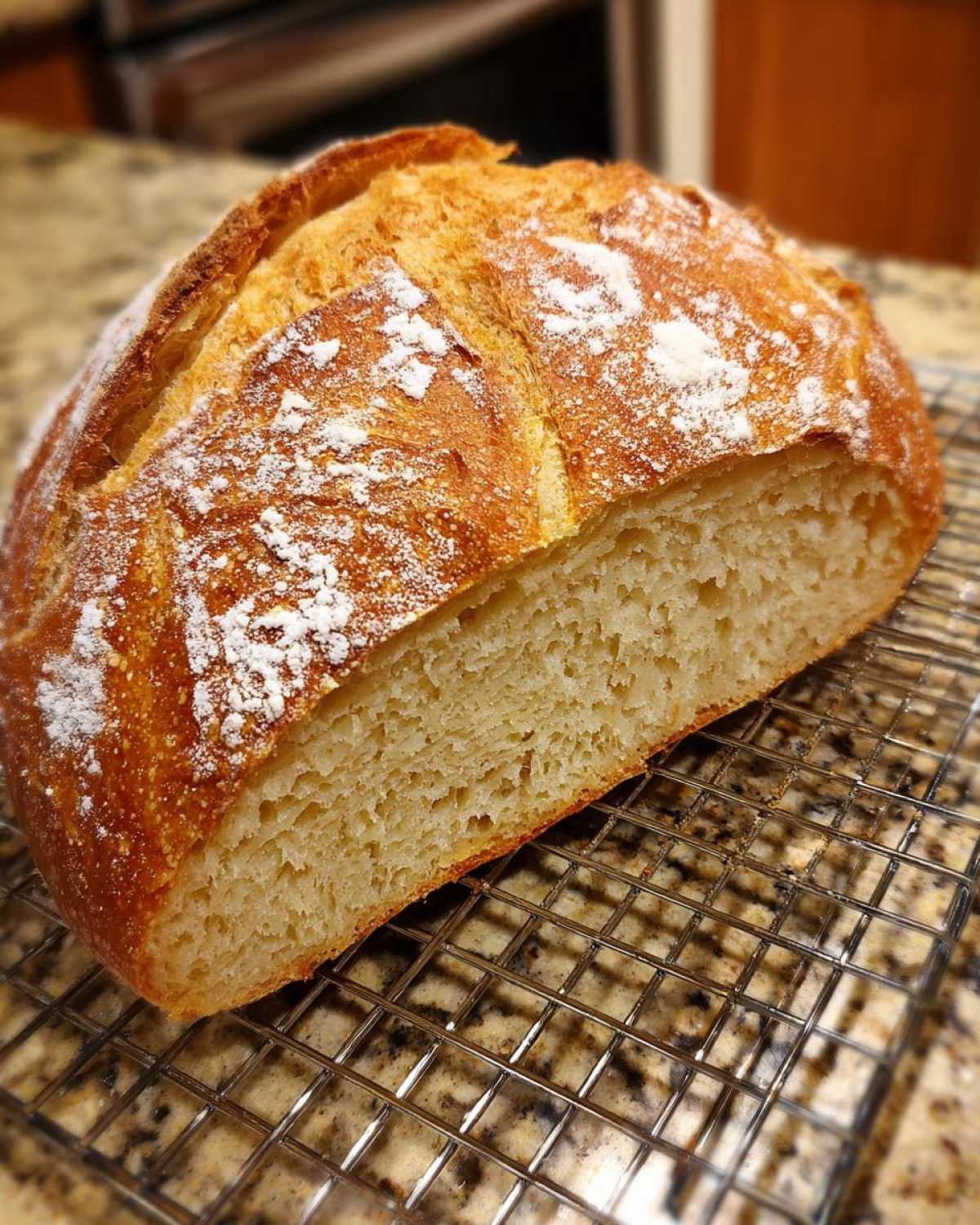
The key to that wonderful, tender crumb in your Soft French Bread at Home is twofold. First, don’t skimp on the kneading. We need to build structure so the bread stretches instead of tearing. That 6 to 8 minutes we spend working the dough is vital for keeping the interior light.
Second, the rise time must be respected. You need that full hour for the yeast to really wake up and create those gas bubbles. That’s what gives you that fluffy, airy interior that melts in your mouth!
Secrets to a Satisfying Crusty Exterior Bread
If you want that shatteringly gorgeous crust—the kind that makes a noise when you slice it—you have to talk about steam. We use an old trick Tariq taught us: we put a pan of hot water on the bottom rack while the oven heats up. That burst of humidity as the bread bakes locks in moisture on the inside but helps dry out the crust quickly.
The light brush of egg white right before baking gives us that deep, gorgeous golden color that makes this look like true Crusty Artisan Bread from a professional bakery. Trust me, serving this beautiful loaf is a huge confidence booster!
Ingredients for Your Quick French Bread Recipe
Okay, before we leap into the kneading, let’s look at what you need for this Quick French Bread Recipe. I promised you simple, and this list delivers! We’re using standard pantry items, but the details matter, especially for the yeast.
You start by waking up 3 teaspoons of active dry yeast using 1 1/2 cups of warm water—aim for that sweet spot between 105 to 115°F; too cold and the yeast sleeps!
Then, we blend in 3 1/2 cups of all-purpose flour and 1 1/2 teaspoons of salt, along with 1 tablespoon of olive oil to keep things tender. Finally, for that beautiful golden sheen on your finished French bread, grab 1 egg white, lightly beaten. That’s it! Easy ingredients for amazing homemade results.
Step-by-Step Instructions for Making French Bread
Alright, let’s get our hands floury! This is where the real fun begins. I’ve laid out the steps exactly as we follow them for the best homemade French bread. Remember, this whole process gets you from mixing bowl to cooling rack in under two hours, which I still think is kind of miraculous! It’s perfect for dipping into something savory, maybe like our easy creamy beer cheese dip!
Activating Yeast and Mixing the Dough for Soft French Bread
First things first, we need the yeast to be alive and kicking! Mix your warm water, sugar, and yeast together. Wait about 5 to 10 minutes until it looks frothy and bubbly on top. Seriously, if it doesn’t foam, ditch it and try again—that foam is your best indicator that the yeast is active! Once you see those bubbles, stir in the flour, salt, and olive oil until you get a messy, shaggy dough. Don’t try to fix it or make it pretty yet!
Kneading and the First Rise: Developing the Fluffy Loaf Recipe
Now we work! Turn that shaggy mess onto a lightly floured counter and knead it like you mean it for a good 6 to 8 minutes. You’re looking for a dough that starts sticky but becomes smooth and elastic. Once it feels soft under your palms, tuck it into an oiled bowl, cover it up, and put it somewhere warm. You absolutely must let this rise for a full 60 to 75 minutes. This long rest is what guarantees that beautiful, airy structure we associate with a perfect Fluffy Loaf Recipe.
Shaping and Proofing Your Homemade French Bread
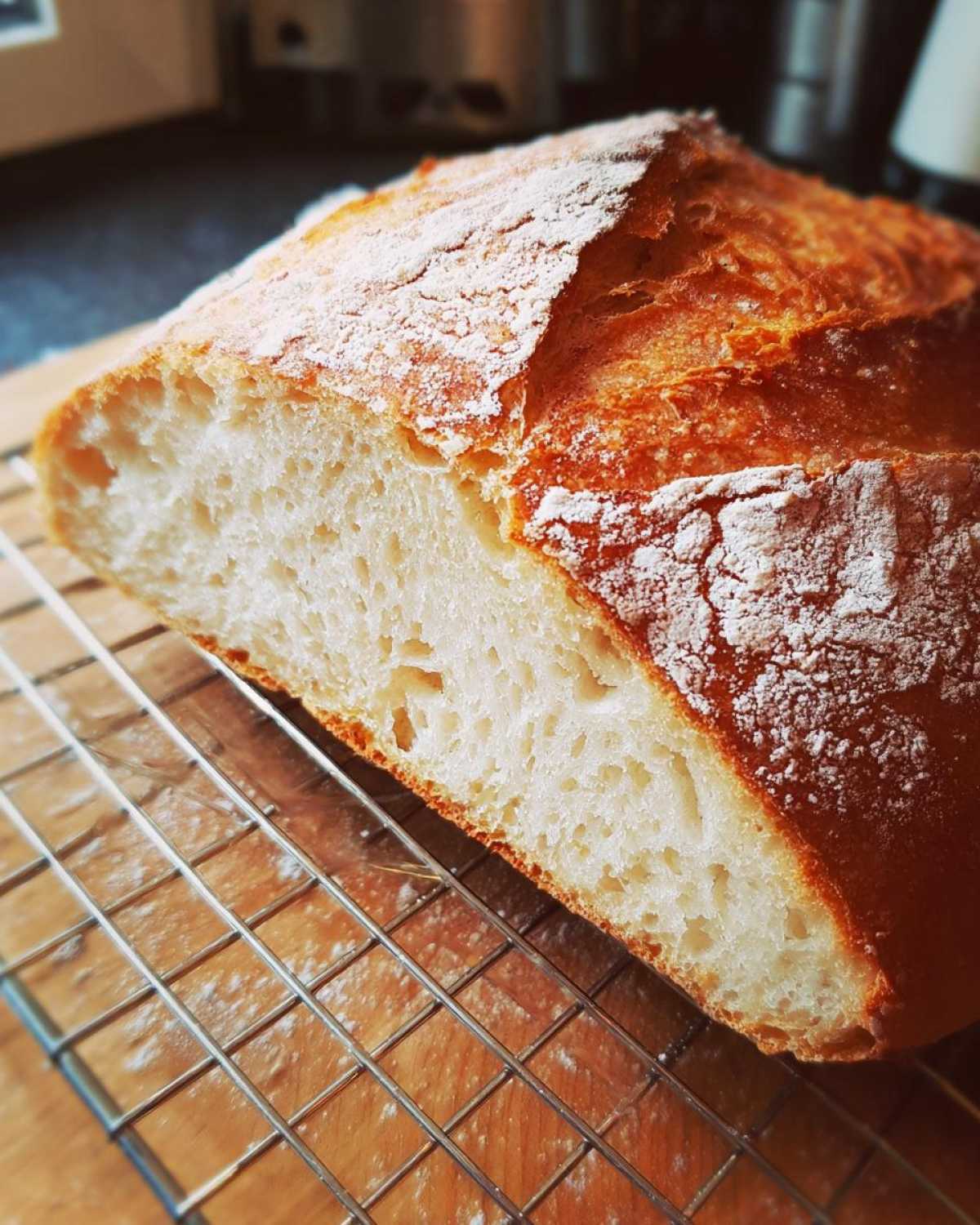
Gently punch the air out when it’s doubled—don’t beat it up! Divide that beautiful dough in half. Now, gently shape those halves into long logs, keeping them about 12 to 14 inches long so they fit nicely on your baking sheet. Cover these loaves loosely and let them proof for another 20 to 30 minutes. While they’re resting, crank that oven up to 400°F. You need it screaming hot for proper French bread.
Baking for Crust and Tender Crumb Bread
This is the secret weapon for homemade bread magic! Before they go in, brush the tops lightly with that beaten egg white—this helps with the color! Score the tops quickly with a razor blade (three shallow diagonal cuts work best). And here’s the real trick for that incredible texture: put a shallow pan of hot water on the bottom rack to create steam. Bake for 20 to 25 minutes until they are deeply golden brown. If you tap the bottom and it sounds hollow, you’ve nailed that Tender Crumb Bread we love!
Tips for Baking Homemade French Bread Success
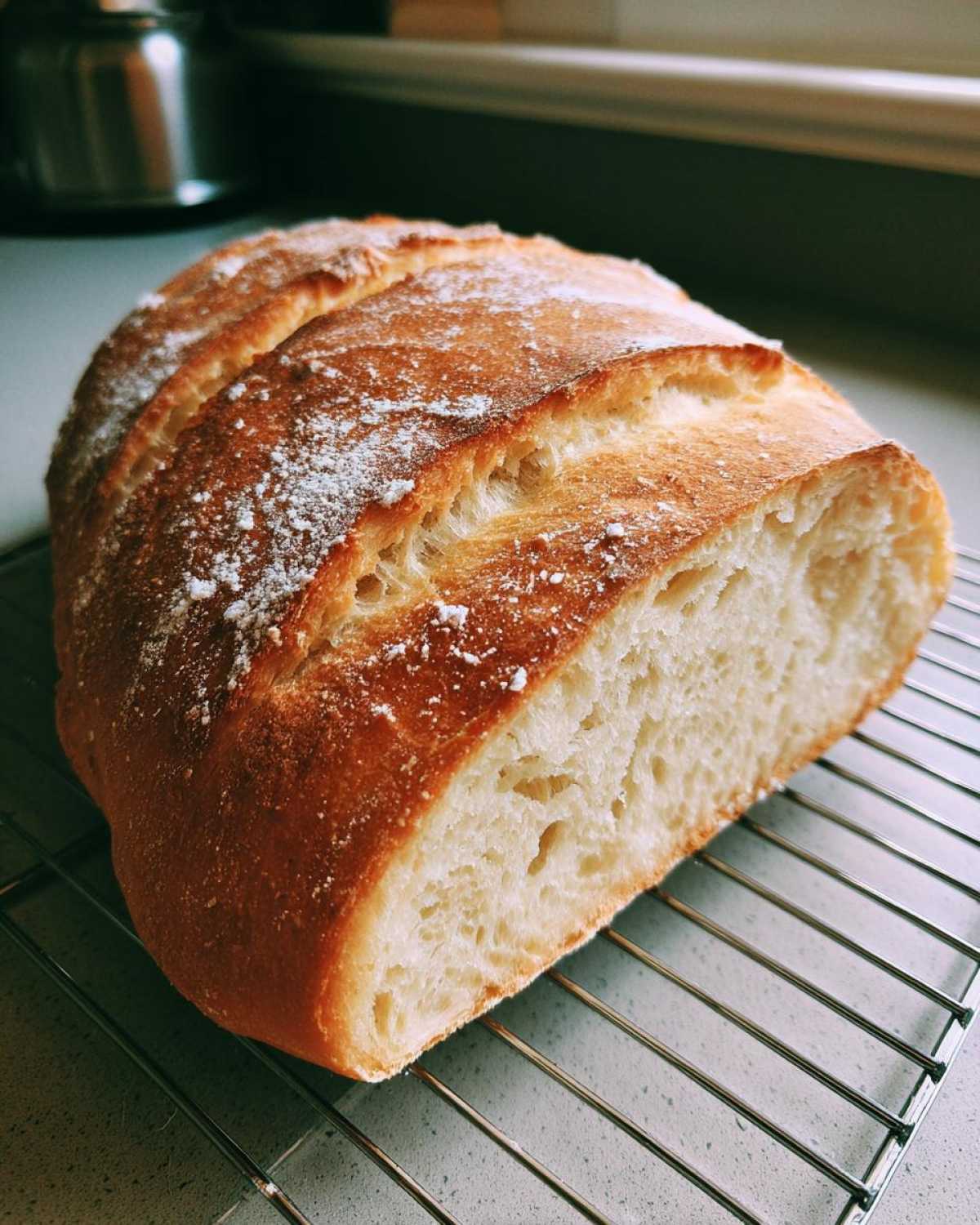
Getting that perfect bake every single time is all about watching your dough, not just the clock! Sometimes, even when following a great recipe like this, things can feel a little off. If you find your loaves are flattening out, it usually means they over-proofed a bit—the yeast got too enthusiastic! For next time, try knocking the air out a little firmer when you punch it down, or reduce that first rise time by about 10 minutes. These little bits of wisdom are the secret behind great Quick French Bread Recipes!
Now, if your crust isn’t crunchy enough, remember the steam! That hot water pan is non-negotiable for that real French bread shatter. If you want to make great dipping companions later, always have ingredients handy for homemade mayonnaise or simple sauces.
Troubleshooting Common Issues in Making French Bread
We’ve all been there—the loaf is pale or the crust is soft. If you skip the egg wash, you’re losing that golden color, which is fine if that’s your preference, but the steam from the water pan is what guarantees the crunch. These small adjustments are the real difference between good baking and great Baking Homemade Bread Tips!
Serving Suggestions for Your Fresh French Bread
The best part about making this incredible French bread is figuring out what to eat it with! Seriously, it elevates any meal instantly. For a comforting dinner, you absolutely have to try serving thick, warm slices alongside a bowl of something amazing, like our creamy potato leek soup. It makes the perfect Dinner Side Bread.
But don’t stop there! Because the crumb is so light and not too dense, this is easily the best Bread for Sandwiches. Think turkey and Swiss, piled high, or just slathered with butter while it’s still slightly warm. It’s so versatile you’ll wonder why you ever bought bread from the store!
Storing Your Leftover French Bread
If you manage to have any French bread left—which is a feat in my house!—storage is key to keeping that crusty exterior happy. Don’t seal it in plastic wrap right away; that traps humidity and makes the crust gummy! For day one, just leave it cut-side down on the counter, maybe loosely covered with a clean tea towel.
If you need to keep it longer, slice it and freeze those pieces! When you want to reheat it later, pop the slices right into a hot oven (about 350°F—no need to thaw first). This wakes up that crispy shell beautifully for serving alongside dinner.
Frequently Asked Questions About This Simple Yeast Bread
I know baking always brings up a few questions, especially when you are trying a new recipe for the first time! Here are the things I get asked most often about making this Simple Yeast Bread. If you have success with this recipe, I would love to see your beautiful loaves! You can tag us online, or if you’re making a great sandwich with your leftovers, check out how we use leftover bread right here in our Caprese Panini recipe.
Can I make this French Bread even faster, like a one-hour bread recipe?
That is a great question! While my recipe gets you to the cooling rack in about 1 hour and 40 minutes, some people manage to get theirs done quicker. If you live in a super warm climate, your rises will definitely be faster. Also, some bakers, like those over at Modern Meal Makeover, have found tweaks to speed up the rise time slightly, but I caution against rushing the first rise too much, because that’s where the flavor and soft texture really develop!
What happens if I don’t have an oven-safe pan for steam?
Honestly, the steam is critical for that signature crackly crust on your homemade French bread. If you absolutely don’t have a pan, another trick is to use a spray bottle! While you are putting the loaves in the oven, quickly open the door and spritz the walls of the oven a few times generously. Do this again five minutes later. It gives you that necessary humidity right at the start.
Can I swap out the all-purpose flour for bread flour?
You certainly can! Using bread flour will give you a slightly chewier crumb, moving you closer to a true baguette texture instead of the very Soft French Bread at Home we aim for here. Just an FYI, you might need to add just a tiny splash more water if the dough seems too stiff when you switch flours, as bread flour absorbs liquid differently.
Is this version of French Bread good for making sandwiches?
It is fantastic! This dough results in a sturdy enough structure to hold up to wet ingredients, unlike some lighter, airier loaves. It’s perfect for a hearty sandwich because you get great crunch on the outside but the inside is tender enough that it doesn’t fight you when you bite down.
Nutritional Estimates for Homemade French Bread
Now, I know some of you are tracking macros, so here’s the rundown on what’s in this wonderful French bread. Based on how we measure everything, one slice (about 1/12th of a loaf) gives you roughly 175 Calories, 35g of Carbs, and 5g of Protein. Please remember, these are just my estimates. Since we all measure differently, and depending on how much you brush on that egg wash, your actual numbers might shift around a bit!
Share Your Experience Making This Bakery Style Bread
Okay, I’ve shared all my secrets for getting that beautiful, crisp crust and wonderfully soft crumb on this Bakery Style Bread. Now it’s your turn! I’d love for you to try this French bread recipe and let me know how it went. Did the steam work its magic for you? Drop a comment below and give this recipe a rating—it really helps other bakers know they can tackle this at home!
If you want to read more about our kitchen philosophy and see who we are here at Savory Skies, peek over at our About Us page!
PrintEasy Homemade Soft and Crusty French Bread (Ready in Under 2 Hours)
Bake delicious homemade French bread fast! This simple recipe delivers soft, golden loaves with a satisfyingly crusty exterior, perfect for dinner or sandwiches. It is much easier than you think to get this bakery-style result.
- Prep Time: 20 min
- Cook Time: 25 min
- Total Time: 1 hour 40 min
- Yield: 2 loaves
- Category: Baking
- Method: Baking
- Cuisine: French
- Diet: Vegetarian
Ingredients
- 3 teaspoons active dry yeast
- 1 1/2 cups warm water (about 105-115°F)
- 1 tablespoon granulated sugar
- 3 1/2 cups all-purpose flour, plus more for dusting
- 1 1/2 teaspoons salt
- 1 tablespoon olive oil, plus more for greasing
- 1 egg white, lightly beaten (for wash)
Instructions
- Activate the yeast: In a large bowl, combine the warm water, sugar, and yeast. Let this mixture sit for 5 to 10 minutes until it becomes foamy. This shows the yeast is active.
- Mix the dough: Add the flour, salt, and olive oil to the yeast mixture. Mix with a wooden spoon until a shaggy dough forms.
- Knead the dough: Turn the dough out onto a lightly floured surface. Knead for about 6 to 8 minutes until the dough is smooth and elastic. It should feel soft.
- First rise: Lightly grease a large bowl with olive oil. Place the dough in the bowl, turning it once to coat. Cover the bowl with plastic wrap or a clean kitchen towel. Let the dough rise in a warm place for 60 to 75 minutes, or until it has doubled in size.
- Shape the loaves: Gently punch down the risen dough. Divide it into two equal pieces. On a lightly floured surface, shape each piece into a long, even loaf, about 12 to 14 inches long.
- Second rise (Proofing): Place the shaped loaves on a baking sheet lined with parchment paper, leaving space between them. Cover loosely with plastic wrap or a towel. Let them rise again for 20 to 30 minutes. While they proof, preheat your oven to 400°F (200°C).
- Create steam and score: Just before baking, brush the tops of the loaves lightly with the beaten egg white. Using a very sharp knife or razor blade, make three diagonal cuts (about 1/2 inch deep) across the top of each loaf. Place a shallow pan filled with hot water on the bottom rack of the oven to create steam for a crusty exterior.
- Bake: Bake for 20 to 25 minutes, or until the crust is deep golden brown and the loaves sound hollow when tapped on the bottom.
- Cool: Transfer the baked French bread to a wire rack immediately to cool completely before slicing. Enjoy your fresh baked bread!
Notes
- For an extra crusty exterior, lightly spritz the inside of your oven with water during the first 5 minutes of baking.
- If you want a softer crust, skip the egg wash and simply place an empty metal pan in the oven while preheating, then pour hot water into the pan right before you put the bread in to bake.
- This bread is perfect for making sandwiches or serving alongside soup.
Nutrition
- Serving Size: 1 slice (approx 1/12 loaf)
- Calories: 175
- Sugar: 1
- Sodium: 280
- Fat: 1.5
- Saturated Fat: 0.3
- Unsaturated Fat: 1.2
- Trans Fat: 0
- Carbohydrates: 35
- Fiber: 1.5
- Protein: 5
- Cholesterol: 0
