

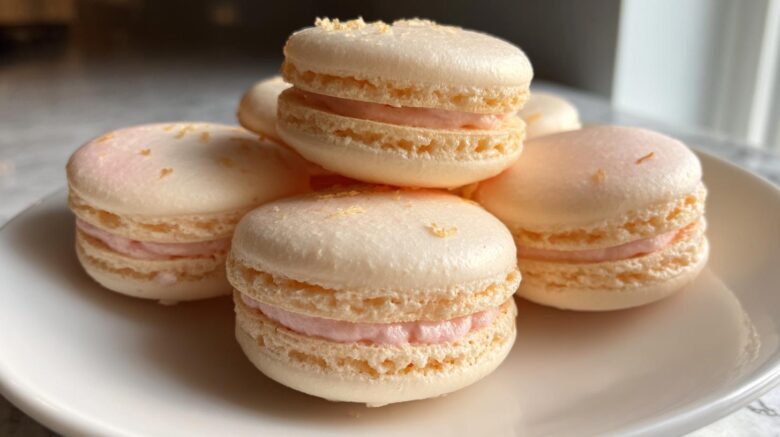
Oh, French macarons! They always look so elegant, don’t they? When I first saw them, I was completely mesmerized. I remember trying my first one years ago in a little Parisian bakery, and it was like biting into a cloud. That delicate crunch, followed by a chewy center and a burst of flavor… pure magic! It took me a while, and many messy kitchen experiments, to finally get them right. But trust me, the journey is so worth it. My friends Amara and Chef Tariq, who you’ll hear more about, really helped me nail down the techniques. Together, we’ve poured all our kitchen wisdom into this guide, hoping to make your French macaron adventure as joyful and delicious as mine.
Why You’ll Love This French Macarons Recipe
You’ll adore making these French macarons because they’re:
- Incredibly delicate and airy.
- A taste of classic French elegance.
- A super rewarding baking challenge.
- Perfect for impressing guests.
- Just plain fun to create!
Meet the Savory Skies Family: Our Passion for French Macarons
Here at Savory Skies, food is our whole world. Chef Tariq, with his decades of experience, taught me the foundational skills. Amara, our artist, brings such beauty and heart to everything she makes. And me? I’m the one always looking for that extra little something. We all fell in love with French macarons for different reasons. Chef Tariq respects their precision. Amara loves their delicate beauty. I just can’t get enough of their amazing texture and flavor. This recipe truly combines all our passions.
Essential Ingredients for Perfect French Macarons
Making truly great French macarons starts with the right ingredients. I’ve found that precision here is key, almost like a delicate dance. You’ll need 150 grams of almond flour. Make sure it’s finely ground and sifted. This gives our macarons that lovely smooth texture. Then, we’ll use 150 grams of powdered sugar, also sifted. Sifting these two together, twice even, really helps prevent lumps. This is a game-changer for perfect French macarons.
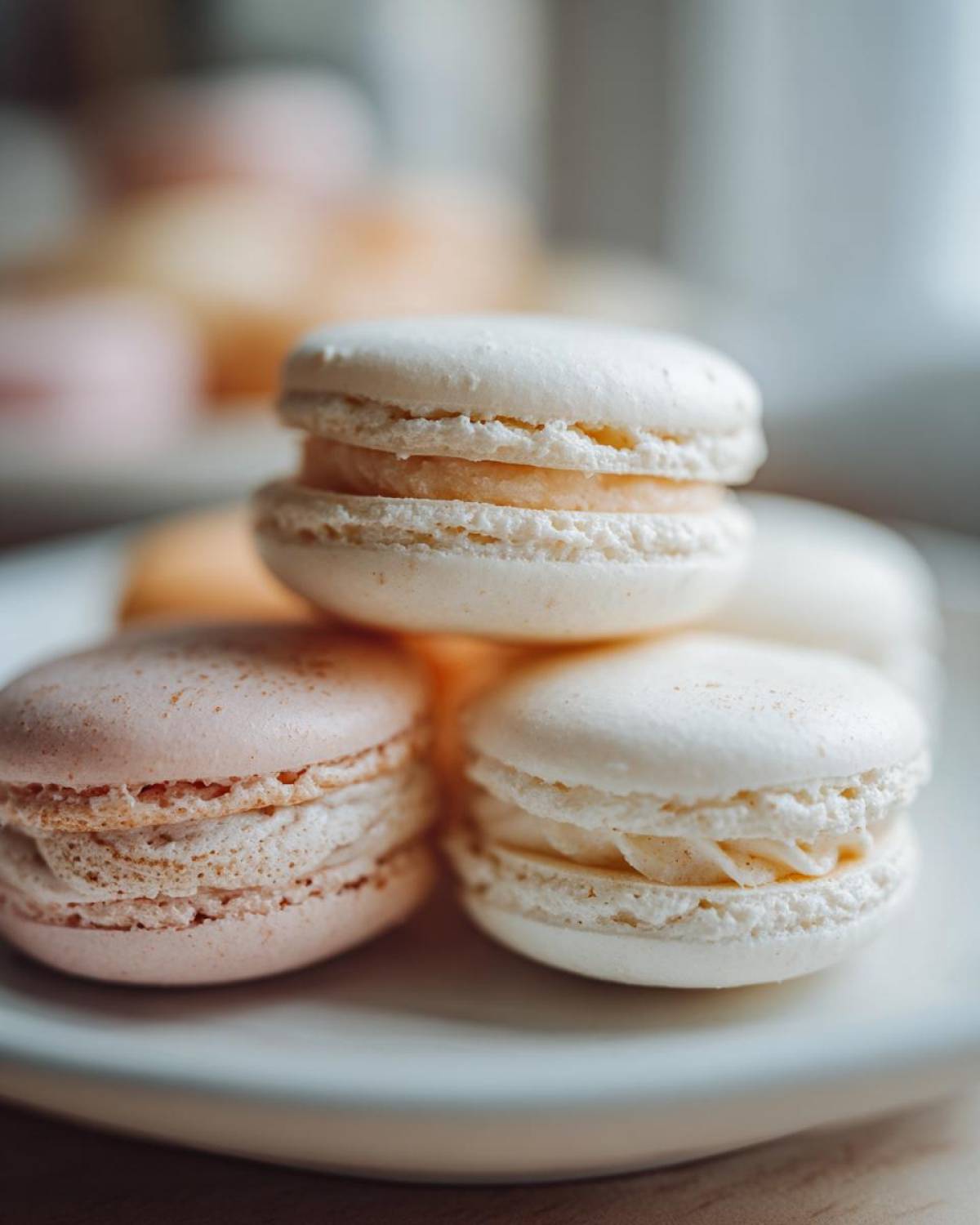
For the meringue, we need 110 grams of egg whites. These should be aged. I usually age mine by leaving them out in a clean bowl overnight. It helps them dry out a bit, making a more stable meringue for our French macarons. That’s about 3 to 4 large eggs. We’ll also need 150 grams of granulated sugar for the meringue itself. And for the syrup, another 150 grams of granulated sugar and 50 grams of water. Oh, and if you like color, have your food coloring ready! It adds such a fun pop to these classic French pastries.
Ingredient Notes and Substitutions for French Macarons
Let’s talk about those aged egg whites. Why do we age them? It’s simple, really. It helps evaporate some of the water content. This makes the meringue much stronger and more stable, which is super important for getting those beautiful, even French macarons. I usually just crack my eggs into a clean bowl, cover it loosely, and leave them on the counter overnight. They’re then ready to go!
For the almond flour, using a good quality, finely ground version is a must. It makes such a difference in the final texture of your French macarons. If you absolutely can’t find almond flour, you could try finely ground blanched almonds, but sift them really well. However, I strongly recommend sticking to almond flour for the best results. It’s really worth seeking out the best ingredients for these delicate French pastries. Trust me, your French macarons will thank you!
Step-by-Step Instructions for French Macarons
Now for the exciting part! Let’s get these beautiful French macarons made. First, prepare all your ingredients. Sift the almond flour and powdered sugar together. Doing this twice really ensures a smooth batter. This step is crucial for perfect French macarons.
Next, we make the French meringue. Whisk your aged egg whites until they get frothy. Then, slowly add the granulated sugar while you keep whisking. You want stiff, glossy peaks. If you’re using food coloring, add it now! Swirl it in gently for a pretty effect in your French macarons.
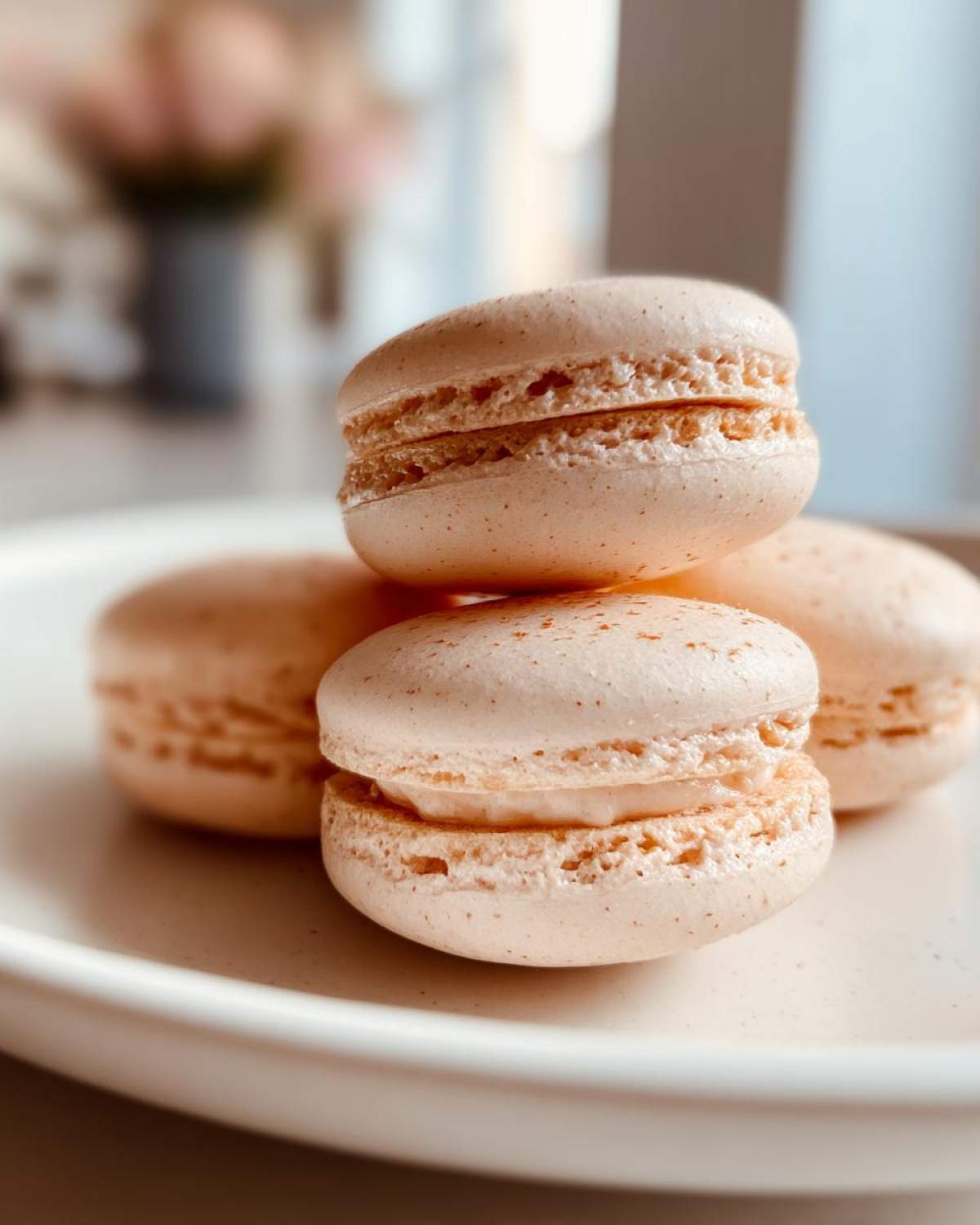
Then comes macaronage. This is where we fold the dry ingredients into the meringue. Do it in two parts. Fold gently. You want the batter to flow like lava. It should form a ribbon when you lift the spatula. This is key for amazing French macarons.
Now, pipe the shells. Put the batter into a piping bag. Use a round tip. Pipe small, even circles onto baking sheets. Line them with parchment paper or silicone mats. Make sure they’re not touching!
Tap those trays! Firmly tap the baking sheets on your counter. This gets rid of air bubbles. It helps prevent cracks in your French macarons. Let the piped shells sit. They need about 30 to 60 minutes. A skin should form on top.
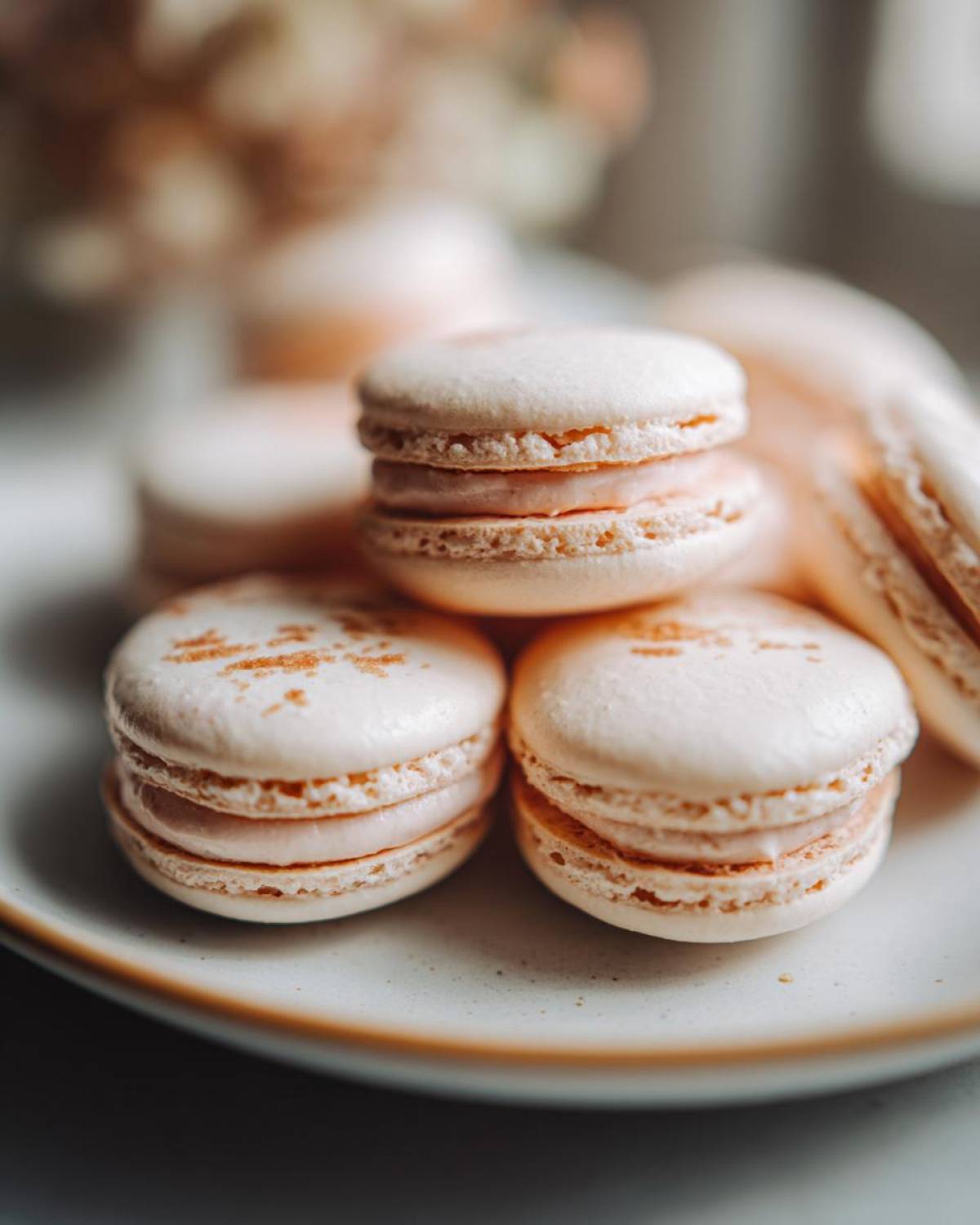
Time to bake! Preheat your oven to 300°F (150°C). Bake for 12 to 15 minutes. Look for the feet! That’s the ruffled edge at the bottom. They should feel firm when you touch them. Let the shells cool completely. Then, fill them!
The Art of Macaronage: Achieving the Perfect Batter for French Macarons
Macaronage is the heart of making French macarons. It’s the folding process. You gently mix the dry ingredients into your meringue. The goal is a batter that flows smoothly. It should look like thick lava. When you lift your spatula, the batter should fall in a ribbon. This ribbon should slowly melt back into itself. Don’t overmix! Overmixing deflates the meringue. This is vital for light and airy French macarons.
Baking Your French Macarons to Perfection
Baking is where the magic truly happens. Aim for an oven temperature of 300°F (150°C). Bake for about 12 to 15 minutes. You’ll know they’re ready when they develop their signature “feet.” These are the ruffled edges at the base. They should also feel firm when you gently touch the top. Don’t rush this. Let the shells cool completely on the baking sheets. This prevents them from breaking. Then, they’re ready for filling!
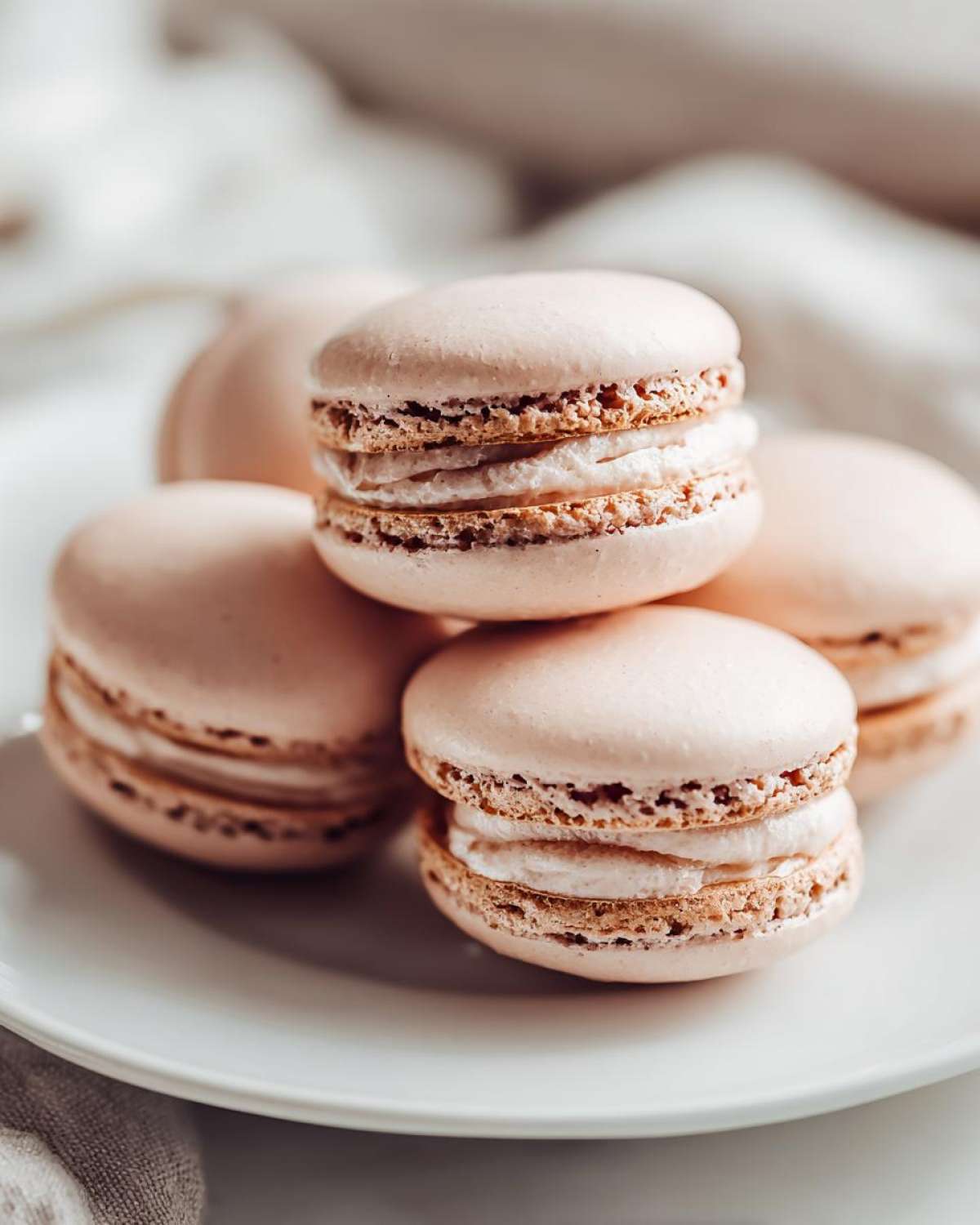
Filling Your Beautiful French Macarons
Once your gorgeous French macaron shells are completely cool, it’s time for the best part: filling! This is where you can really let your personality shine. I love keeping it classic with a rich chocolate ganache. It’s just a simple mix of good quality chocolate and cream, whipped together until smooth and luscious. It adds a wonderful depth that pairs perfectly with the sweet shells.
Another favorite of mine is a tangy raspberry jam. It gives a burst of fruity flavor that cuts through the sweetness beautifully. You can also make a simple vanilla bean buttercream. It’s creamy, dreamy, and always a crowd-pleaser. Just pipe or spread your chosen filling onto one macaron shell. Then, gently sandwich it with another shell. It’s so satisfying to see them come together!
Tips for French Macarons Success
Achieving perfect French macarons can feel like a puzzle. But with a few tricks, you’ll be a pro in no time! First, oven temperature is everything. I highly recommend getting an oven thermometer. Ovens can be tricky, and knowing your exact temperature helps a lot. Humidity is also a big factor for French macarons. If it’s super humid, the shells might take longer to form a skin, or they might not dry properly. Try to bake on a drier day if you can.
Don’t rush the resting phase. That skin that forms is essential for those lovely feet. Also, be gentle during macaronage; overmixing is a common mistake that leads to flat French macarons. When filling, don’t overstuff them! A little filling goes a long way. It should just be enough to peek out when you sandwich them. If your shells are cracked, it usually means the oven was too hot or they weren’t rested long enough. Keep practicing, and you’ll nail these delicate French pastries!
Frequently Asked Questions About French Macarons
Got questions about these delicate French macarons? I’ve got answers! It’s totally normal to have a few queries when you’re diving into this recipe.
Why are my French macarons hollow inside?
Hollow French macarons often happen when the meringue isn’t stable enough, or if the oven temperature is too high. Make sure your meringue has stiff peaks. Also, check your oven temp with a thermometer. Proper macaronage is key too!
What causes cracked shells on my French macarons?
Cracks usually mean the shells didn’t form a proper skin before baking. They need that resting time! An oven that’s too hot can also cause them. Ensure you’re tapping the trays well to release air bubbles.
Can I make French macarons in humid weather?
Humidity is the enemy of French macarons! It can make it hard for the shells to dry properly. If it’s very humid, you might need to increase the resting time. Some people even use a food dehydrator on a very low setting. It’s best to bake on a dry day if you can.
How long do French macarons last?
Once filled, French macarons are best stored in an airtight container in the refrigerator. They’re usually good for about 3-5 days. Some say they taste even better on the second day!
Equipment You’ll Need for French Macarons
To make these beautiful French macarons, a few key tools will be your best friends. First, a kitchen scale is absolutely essential. Precision is everything with macarons, and weighing your ingredients ensures consistent results. You’ll also need a stand mixer or a good hand mixer for whipping up that perfect meringue. For piping, grab some piping bags with a small, round tip. This helps create those uniform circles.
You’ll need a couple of sturdy baking sheets. Make sure they are flat and not warped. Line them with either parchment paper or silicone baking mats. I personally love silicone mats for their reusability and how they help prevent sticking. Lastly, a fine-mesh sieve is crucial for sifting your almond flour and powdered sugar. This ensures no lumps sneak into your batter, leading to smoother French macarons.
Understanding the Nutrition of French Macarons
Just a little note on nutrition: the details you might see for these lovely French macarons are estimates. They can change depending on the specific ingredients and brands you use. It’s always good to remember that homemade treats can vary!
Share Your French Macarons Creations!
I absolutely love seeing your beautiful French macarons! Did you try this recipe? Please share your photos and experiences in the comments below. Rate this recipe and tag us on social media! We can’t wait to see your amazing French macarons.
PrintFrench Macarons: 15 Perfect Steps
Learn to make perfect French macarons with this encouraging guide. Discover the essential almond-meringue cookie technique and basic filling ideas.
- Prep Time: 30 minutes
- Cook Time: 15 minutes
- Total Time: 45 minutes
- Yield: About 24 macarons
- Category: Desserts
- Method: Baking
- Cuisine: French
- Diet: Vegetarian
Ingredients
- 150g almond flour
- 150g powdered sugar
- 110g egg whites (about 3-4 large eggs), aged
- 150g granulated sugar
- 150g granulated sugar (for syrup)
- 50g water
- Optional: Food coloring
Instructions
- Prepare your ingredients: Ensure almond flour and powdered sugar are sifted together twice. Weigh egg whites precisely.
- Make the French meringue: Whisk egg whites until frothy. Gradually add granulated sugar while whisking until stiff, glossy peaks form. Add food coloring if desired.
- Macaronage: Gently fold the almond flour mixture into the meringue in two additions. Continue folding until the batter flows like lava and forms a ribbon.
- Pipe the shells: Transfer batter to a piping bag with a round tip. Pipe small circles onto baking sheets lined with parchment paper or silicone mats.
- Tap the trays: Firmly tap the baking sheets on the counter to release air bubbles.
- Rest the shells: Let the piped shells sit at room temperature for 30-60 minutes, or until a skin forms.
- Bake: Bake at 300°F (150°C) for 12-15 minutes, or until the macarons have developed ‘feet’ and are firm to the touch.
- Cool and fill: Let the shells cool completely on the baking sheets before removing. Fill with your favorite ganache, buttercream, or jam.
Notes
- Aging egg whites can help create a more stable meringue.
- Ensure your oven temperature is accurate.
- Do not overmix the batter during macaronage.
Nutrition
- Serving Size: 1 macaron
- Calories: 80
- Sugar: 9g
- Sodium: 5mg
- Fat: 3g
- Saturated Fat: 1g
- Unsaturated Fat: 2g
- Trans Fat: 0g
- Carbohydrates: 12g
- Fiber: 0g
- Protein: 1g
- Cholesterol: 0mg
