

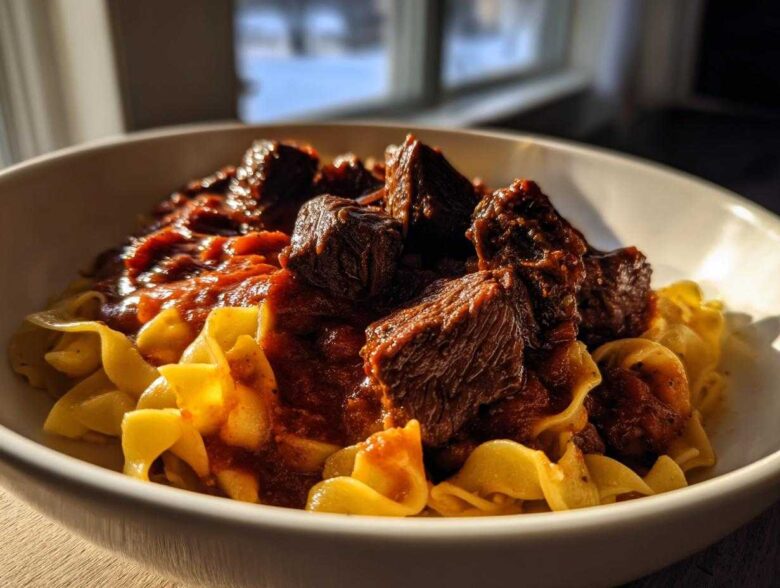
Oh, my friend, are you tired of food that just tastes… fine? I totally get it. There’s a huge difference between just eating dinner and having a moment where the flavor just stops you in your tracks. That deep, unforgettable satisfaction—that’s what I call it: **The Authentic Flavor Experience**.
I’ve spent years messing around in the kitchen, trying to bottle that feeling you get when you taste true, old-world Italian cooking. I’ve learned that convenience is the enemy of depth when it comes to slow food. That’s why I’m giving you my absolute best recipe today: the Slow-Simmered Beef Ragu. Trust me, after three hours on the stove, this sauce stops being just meat and tomatoes; it becomes pure umami magic. This is **The Authentic Flavor Experience** perfected through low and slow cooking.
Why This Ragu Delivers The Authentic Flavor Experience (EEAT Focus)
If you want genuine depth, you can’t rush it—that’s the biggest secret to **The Authentic Flavor Experience**. This ragu isn’t just a sauce; it’s a masterclass in **Deep Flavor Cooking Techniques**. We aren’t just relying on good tomatoes; we are meticulously **Building Flavor Foundations** from the very first step.
The absolute key, and this is where my years in the kitchen taught me the most, is browning the meat correctly. You have to be patient! I always sear the beef chuck in small batches until there’s a deep, dark brown crust on every single side. Don’t be shy; that dark crust isn’t burnt; it’s pure flavor waiting to be unlocked later in the simmer. If you skip that searing step, the final result will taste flat, no matter how long you cook it. That fond on the bottom of the pot is where the magic happens!
Come see some of my other dives into deep-flavored meals over at my blog hub; you’ll find inspiration there!
Gathering Ingredients for The Authentic Flavor Experience
Okay, getting the ingredients ready is half the battle, and for **The Authentic Flavor Experience**, we need to be specific! You are going to grab about two pounds of good beef chuck, cut right into one-inch pieces. Prep your base vegetables—that’s one large yellow onion, two carrots, and two celery stalks—all very finely diced. Remember, these melt into the sauce later, so chop them small!
Four cloves of garlic, minced, wait patiently. Then, for the liquids, you absolutely need that full 28-ounce can of crushed tomatoes and a full cup of dry red wine. Don’t use cooking wine; use something you’d actually drink! The quality of that wine really shows up in the final sauce. The other little secret weapon is half a cup of whole milk, which we’ll add later. Check out my guide on a similar slow-simmered sauce for more thoughts on tomato selection!
Mastering Time Honored Cooking Methods for Richness
This is where we leave fast weeknight meals behind. We are embracing **Time Honored Cooking Methods** here, where patience pays off big time. The first steps aren’t about dumping things in; they’re about setting the stage for incredible flavor development that takes hours to bloom.
We need to build deep color and taste right at the start. This approach guarantees we unlock the maximum potential from every ingredient we use in this ragu. If you want to see how I build flavor in other base sauces, check out my guide on caramelized onions—it’s the same idea!
Searing the Beef for Maximum Color
First things first: season that beef chuck heavily. Now, get your olive oil screaming hot in that Dutch oven. You want to hear a proper sizzle when the meat hits the surface! Work in small batches, seriously. Don’t crowd the pot, or the meat will steam instead of sear. We’re looking for a deep brown crust on all sides. Once you’ve got that color, pull the beef out and set it aside. That stuck-on brown stuff? That’s liquid gold for later!
Creating the Soffritto Base: Building Flavor Foundations
Now, turn the heat down just a touch. In the same pot, toss in your diced onion, carrots, and celery. We cook these slowly until they are completely soft and starting to look almost sweet—that takes about eight minutes. This is your soffritto, the true backbone for **Building Flavor Foundations** for **The Authentic Flavor Experience**. Once they are soft, push them to the side, add your minced garlic and that tomato paste, and cook that for just one minute until it smells roasted and nutty. Don’t burn it!
The Slow Simmer: Achieving Profound Taste Experiences in Cooking
Alright, now for the part where we really earn those deep flavors. Put all that beautifully seared beef back into the pot with the veggies. Next, grab that dry red wine—this is crucial for deglazing. Pour it in and use a wooden spoon to scrape up every single browned bit stuck to the bottom. That process concentrates everything; it’s one of the best **Deep Flavor Cooking Techniques** we have!
Once the wine reduces by about half, you add the rest of your liquids: the crushed tomatoes, the beef broth, the herbs, and that bay leaf. Bring this whole magnificent pot up to a gentle bubble. Then, you drop the heat way, way down until it’s barely moving—a lazy, slow simmer. Cover it up, but not totally tight, and let it go for at least two and a half hours. Seriously, this is how you achieve **Profound Taste Experiences in Cooking**.
I remember the first time I let mine go that long; I walked into the kitchen three hours later and the whole house smelled like a tiny Italian nonna was cooking! It’s a comforting, rich, savory smell that you just can’t replicate with quick cooking. You’ll stir it every half hour, just to keep things moving.
If you want to see something similar that takes its time—though completely different flavors—check out my recipe for slow-cooker soup; the principle of patience is the same!
Secret Steps for The Authentic Flavor Experience: Milk and Thickening
We’re approaching the end, but we’ve got one more traditional flourish left that separates this ragu from every jarred sauce out there. After that long simmer, the tomatoes can sometimes be a bit sharp, right? This is where we reinforce **The Authentic Flavor Experience** with whole milk—about half a cup.
You just stir that milk right in and let it bubble gently for about 30 minutes, uncovered. Don’t worry, it doesn’t curdle! The milk does two amazing things: first, it adds incredible richness because of the fat content, and second, it mellows out that aggressive tomato acidity beautifully. This creates a velvety texture that clings perfectly to the pasta. Once you stir in that milk, let the sauce reduce uncovered until it’s thick enough to coat the back of a spoon. That final thickening is what makes this sauce feel homemade and profound!
Tips for Success: Reaching The Authentic Flavor Experience Tomorrow
We’ve done all the hard work simmering, but there’s a final, non-negotiable step if you truly want **The Authentic Flavor Experience**. My favorite note in the recipe, and I always stress this to people, is to let this ragu rest. Seriously, cool it completely and put it in the fridge overnight.
When you reheat it tomorrow, the flavors miraculously deepen and marry together—it’s unreal! Also, remember that tip about searing in tiny batches; that high-heat crust is essential for unlocking deep savory notes. If you want to see how taking time transforms simple ingredients, look at my recipe for comfort soup; slow cooking is always the answer!
Serving Suggestions for Your Truly Authentic Recipes
Once you’ve spent hours building this incredible ragu, you have to serve it right to honor those **Truly Authentic Recipes**! I strongly believe this sauce deserves a fresh, wide noodle, like pappardelle, so the meat really clings to it. If you’re feeling extra traditional, creamy, soft polenta is an amazing, velvety bed for all that flavor.
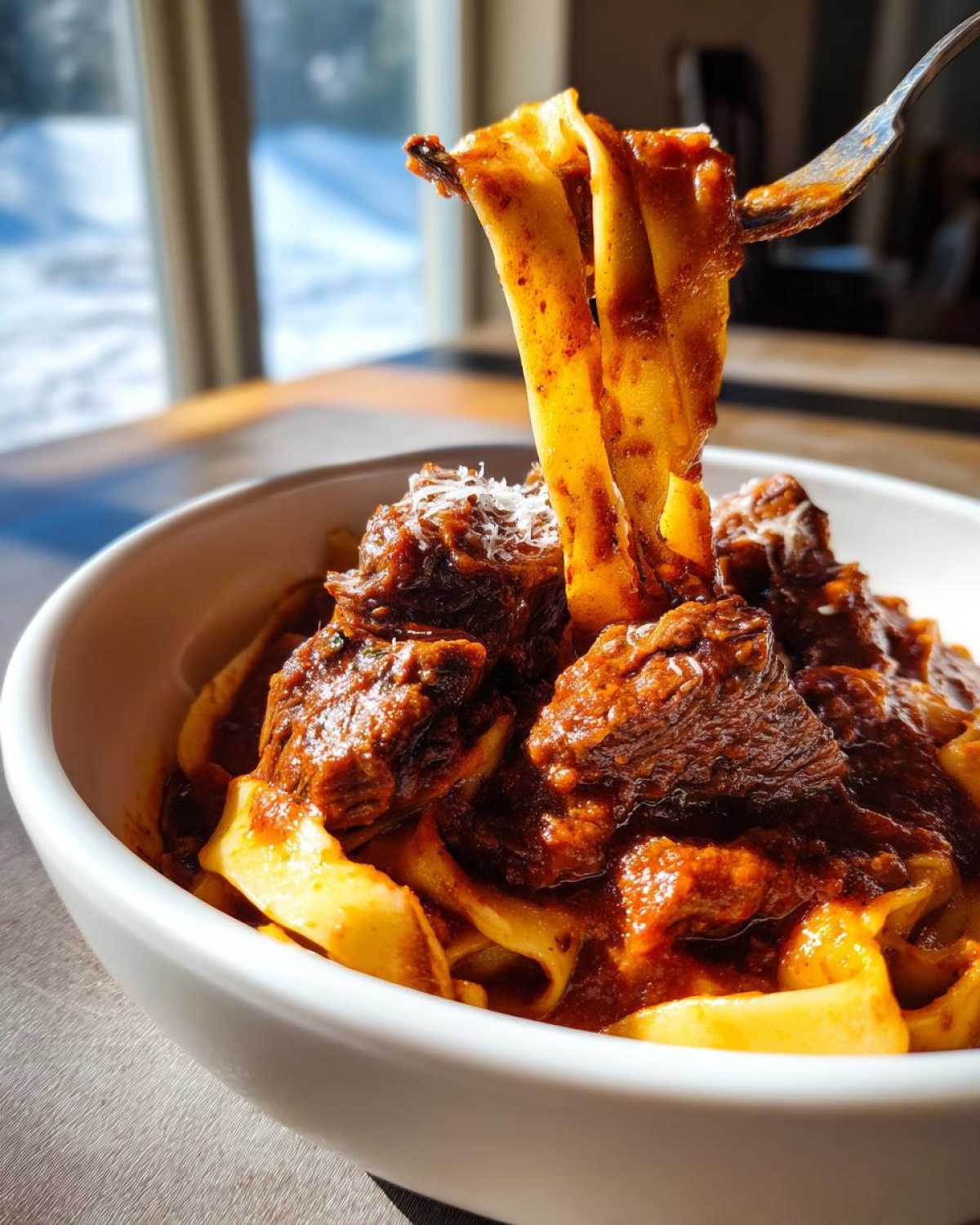
Forget spongy garlic bread; you need thick slices of crusty Italian bread. You absolutely must have a piece ready to mop up every last delicious drop left in the bowl. If you want to lean into the creamy side, my recipe for creamy smashed potatoes works surprisingly well underneath too!
Storage and Reheating Instructions
Because this ragu tastes ten times better the next day, you’ll definitely want leftovers! Store it in an airtight container in the fridge for up to four days. Trust me, that overnight rest just lets all those lovely, deep savory notes settle in even more.
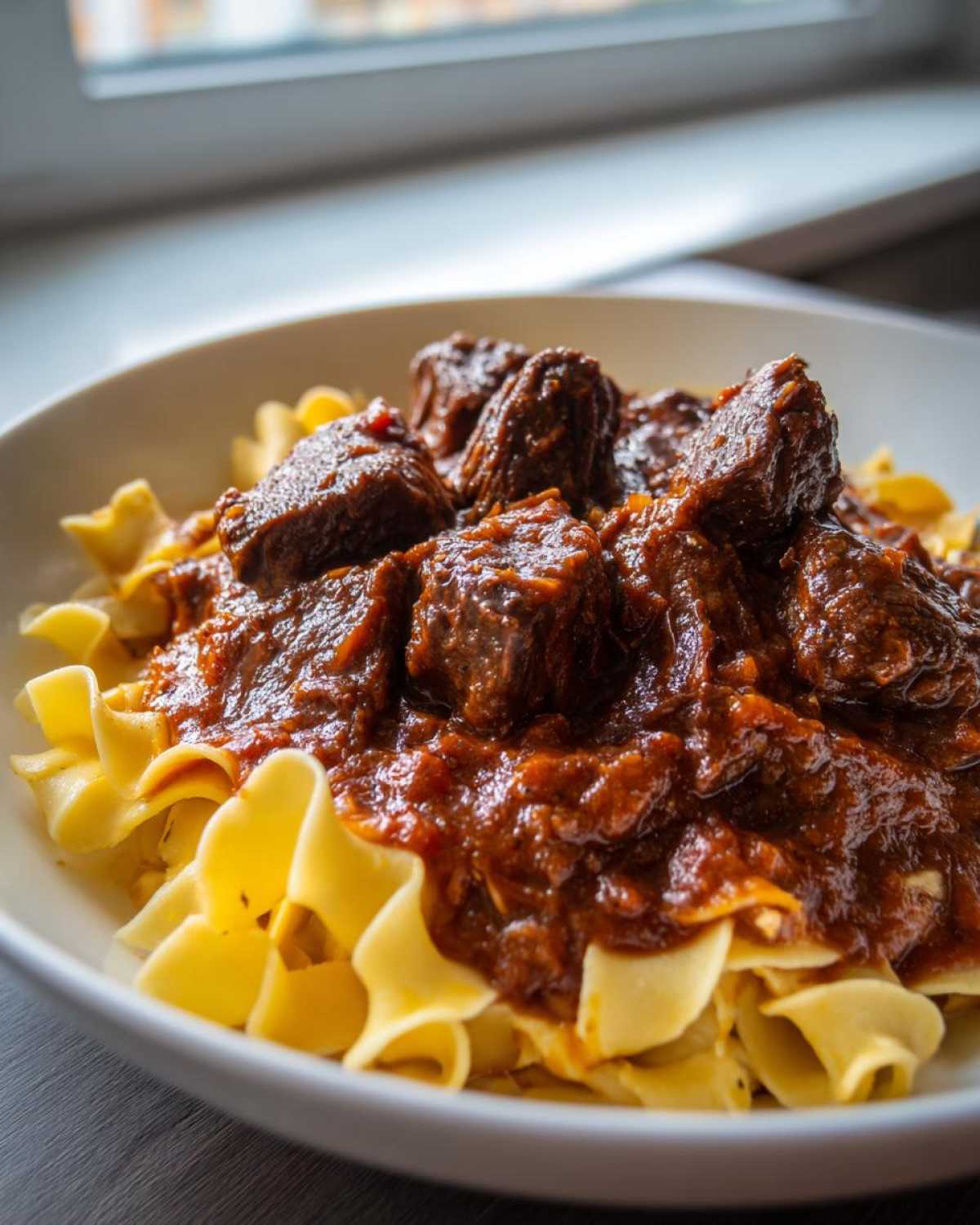
If you’re batch cooking—which you totally should be—this freezes like a dream. Double the recipe, use good freezer containers, and you’re set for quick dinners for up to three months. When it comes time to reheat, please don’t blast it in the microwave! The best way to bring this sauce back to life and keep its perfectly thickened texture is a gentle simmer on the stovetop.
Add a tiny splash of water or broth if the sauce seems too thick after thawing, let it warm slowly over low heat, stirring occasionally. That gentle heat coaxes out all that flavor you worked so hard to build, so the ragu tastes just as incredible as it did fresh off the stove!
Frequently Asked Questions About Deep Flavor Cooking
I get so many questions on how to make sure the flavor pops, and honestly, it’s all about technique! People always ask about swaps, but for this type of intensely savory sauce, sticking close to the plan really helps you learn **How to Develop Deep Taste in Food** correctly. Let’s dive into a few common ones!
Can I use ground meat instead of cubed beef for The Authentic Flavor Experience?
You totally can, but you miss out on that wonderful, shreddable texture you get from the slow-cooked chuck. If you go with ground beef, you *must* brown it really well in batches, just like the chunks. That crust is non-negotiable if you want that deep, savory base!
What if I skip the whole milk? Will I still achieve Intense Savory Meals?
You’ll still have a fantastic ragu—don’t worry! But skipping the milk means you miss out on that traditional silkiness, and the sauce will stay sharper because the tomato acidity won’t be as mellowed. The milk is what helps deliver those truly **Intense Savory Meals** by adding richness.
How does the wine reduction aid in Layering of Culinary Flavors?
Oh, that wine reduction is everything! When you let it bubble down until it’s almost gone, you’re concentrating all those complex fruit and oak notes. That concentrates the flavor and gets rid of the raw alcohol bite. That concentrated liquid then becomes a crucial, deep baseline layer when **Layering of Culinary Flavors** into your sauce.
If you want to tackle another deep-flavor dish that relies on technique, you might enjoy my recipe for Salisbury Steak; the gravy is built with similar careful steps!
PrintSlow-Simmered Beef Ragu with Deep Flavor Base
A recipe focused on building deep, savory flavor through slow cooking and layering ingredients, resulting in an authentic, rich sauce.
- Prep Time: 25 min
- Cook Time: 3 hours 10 min
- Total Time: 3 hours 35 min
- Yield: 6 servings
- Category: Main Course
- Method: Braising/Slow Cooking
- Cuisine: Italian
- Diet: Low Fat
Ingredients
- 2 lbs beef chuck, cut into 1-inch pieces
- 1 large yellow onion, finely diced
- 2 carrots, finely diced
- 2 celery stalks, finely diced
- 4 cloves garlic, minced
- 1 (28 oz) can crushed tomatoes
- 1 cup dry red wine
- 1 cup beef broth
- 1/2 cup whole milk
- 2 tablespoons tomato paste
- 1 bay leaf
- 1 teaspoon dried oregano
- 1/2 teaspoon dried thyme
- Salt and black pepper to taste
- 2 tablespoons olive oil
Instructions
- Season the beef pieces generously with salt and pepper.
- Heat olive oil in a large Dutch oven over medium-high heat. Brown the beef in batches on all sides; remove and set aside.
- Reduce heat to medium. Add onion, carrots, and celery to the pot. Cook, stirring occasionally, until vegetables soften, about 8 minutes. This is your soffritto base.
- Add garlic and tomato paste. Cook for 1 minute until fragrant.
- Pour in the red wine and scrape up any browned bits from the bottom of the pot. Let the wine reduce by half.
- Return the beef to the pot. Add crushed tomatoes, beef broth, bay leaf, oregano, and thyme. Stir to combine.
- Bring the mixture to a simmer. Reduce the heat to low, cover the pot, and cook for 2.5 hours, stirring every 30 minutes.
- Stir in the whole milk. This step mellows the acidity and adds richness.
- Continue to simmer, uncovered, for another 30 minutes, allowing the sauce to thicken.
- Remove the bay leaf. Taste and adjust seasoning with salt and pepper before serving over pasta or polenta.
Notes
- For maximum flavor, sear the beef in small batches to maintain high heat and achieve a deep brown crust on every piece.
- The milk addition is a traditional technique that balances the tomato’s acidity and tenderizes the meat further.
- Allow the ragu to cool completely and refrigerate overnight. Reheating the next day deepens the flavor profile significantly.
Nutrition
- Serving Size: 1 cup sauce
- Calories: 410
- Sugar: 12
- Sodium: 450
- Fat: 20
- Saturated Fat: 7
- Unsaturated Fat: 13
- Trans Fat: 0
- Carbohydrates: 25
- Fiber: 6
- Protein: 35
- Cholesterol: 105
