

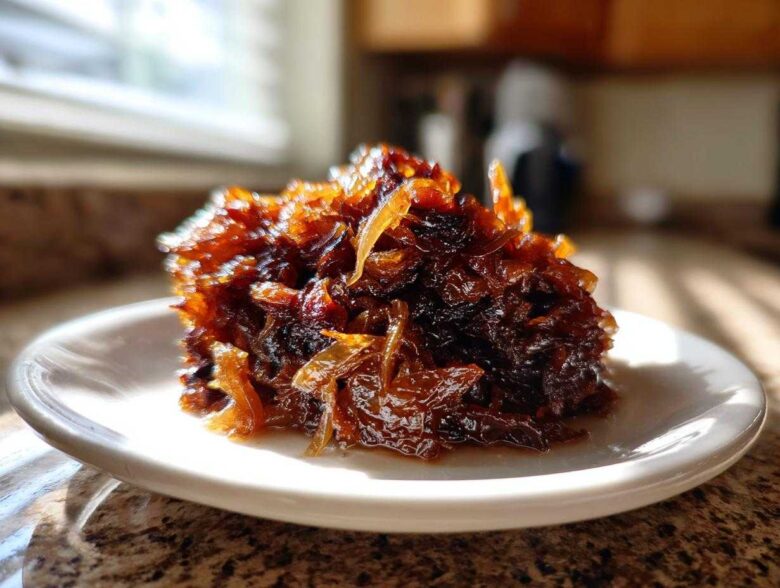
If you think onions are just for crying over, wait until you see what they can become! There is nothing quite as magical in the kitchen as watching sharp, pungent raw slices transform over time into something deeply sweet, rich, and savory. This isn’t just cooking; it’s alchemy. We aren’t talking about soft, translucent onions here—we are hunting for the deep, dark, complex flavor of true caramelized onions. This is, without question, the ultimate guide to nailing that transformation every single time, relying heavily on the slow-and-low philosophy. Chef Tariq always told us patience is literally the main ingredient when you want to cook onions sweet. Stick with us, and you’ll see why this one technique is the secret weapon every home cook needs. If you want to see the other exciting things we’re working on, check out our main blog page!
Why Mastering Caramelized Onions is a Kitchen Staple Onions Skill
Listen, anyone can sauté an onion in five minutes until it gets a little soft. But that’s not what we’re here for! We’re chasing that incredibly deep, complex, almost jammy flavor that only comes from truly caramelized onions. That process—the slow breakdown of the sugars—is essential. It’s where the savory sweet onion magic happens, proving that great flavor takes time. When you nail this, you unlock a secret door to incredible eating. Think about how much better your burgers taste, or how amazing a creamy onion pasta ingredient base becomes! You absolutely need this skill for incredible results.
If you’re looking for ways to use these later, remember they are fantastic on our creamy beer cheese dip!
The Difference Between Sautéed and Caramelized Onions
Sautéing just means cooking quickly in fat to soften the onion. They still taste mostly like onion, just… softer. Caramelizing, however, is a commitment. We are pushing those natural sugars way past that point through low, steady heat. This isn’t just softening; this is building deep umami and sweetness using the Maillard reaction.
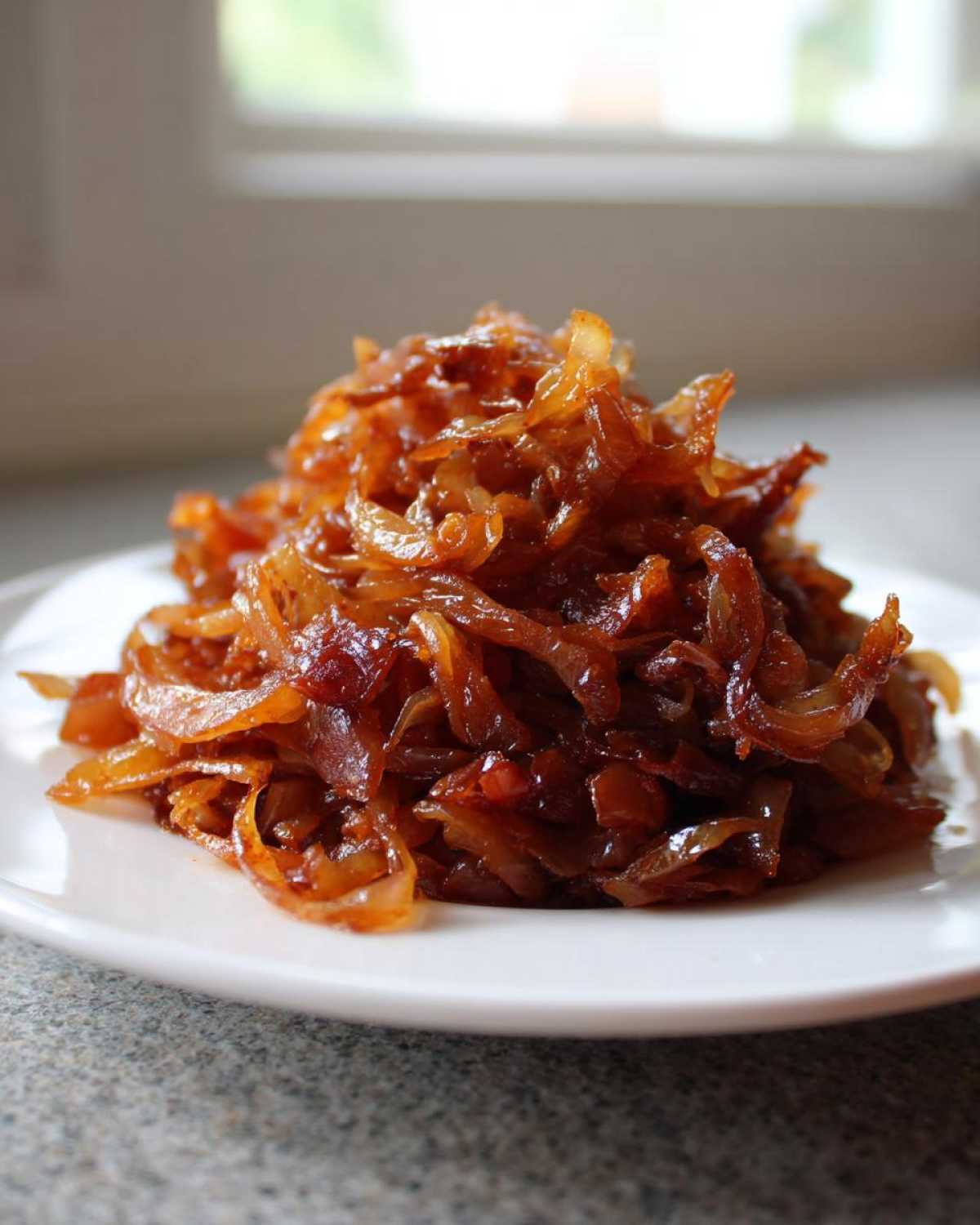
It changes the texture from crisp to silken, and the flavor from sharp bite to rich mellow syrup. We are focusing 100% on the latter here—the gourmet onion side dish that’s worth the wait!
Ingredients and Equipment for Perfect Caramelized Onions
Okay, let’s talk gear and groceries. When you’re committing 45 minutes of your life to patiently coaxing flavor out of an onion, you absolutely must start with the right foundation. Getting this section right builds so much trust in the final result. These are the tried-and-true items I grab every time I make a batch of these amazing caramelized onions.
If you want to see how these onions taste layered up in a fantastic casserole, check out my recipe for creamy white chicken enchiladas!
Essential Ingredients for Deep Flavor Onions
We are keeping this super simple because, honestly, the onions and the fat do most of the heavy lifting. Don’t get tempted to substitute the quality here; it pays off big time.
- 3 large yellow onions, thinly sliced—I mean paper-thin. Uniformity is key so they all soften simultaneously.
- 2 tablespoons unsalted butter—fat is flavor, people!
- 1 tablespoon olive oil—just helps keep the butter from burning too fast initially.
- 1 teaspoon salt—this actually helps draw out the moisture faster.
- 1 teaspoon sugar (optional, for faster browning)—Leo likes to throw this in if he’s in a rush, but it is totally optional!
- 2 tablespoons water (for deglazing)—you’ll need this later to scrape up all that yummy brown stuff!
Equipment Needed for Slow Cooked Onions
You need something that can hold that low, steady heat without hot spots, because nobody wants burnt onions when they are aiming for that savory sweet onion perfection.
- A large, heavy-bottomed skillet or Dutch oven. Seriously, the heavier, the better. This distributes heat evenly, which is the number one trick for good slow cooked onions.
- A good rubber or silicone spatula. You need to be able to scrape the bottom of that pan without scratching it!
- A sharp knife and cutting board for slicing.
How to Caramelize Onions: The Step-by-Step Guide
Alright, this is the big moment! This is where we turn simple slices into incredible flavor bombs. Chef Tariq used to tell me, “Leo, if you rush the browning, you’re cheating yourself out of depth.” So please, don’t rush this. We are going low and slow for the best caramelized onions that become the most fantastic sweet onion topping.
If you want to see my attempt at a great base gravy to go with these later, you can check out my homemade brown gravy, but onion caramel takes priority!
Preparing the Onions and Initial Sauté
First, make sure those onions are sliced thinly and as uniformly as you can manage. When they are all the same thickness, they cook evenly, which prevents some pieces from burning while others are still raw. Get your heavy-bottomed skillet over medium-low heat and melt the butter with the olive oil. Toss in all those thin onion slices, plus that teaspoon of salt. Salt helps draw the moisture out so we can start the caramelization process! Stir it all together so everything is nicely coated in the fat. We cook this over that low heat for about 10 minutes until they just start looking a little wilted.
The Slow Cook Process for Sweet Onion Topping
This is the waiting game, but it’s worth it! Keep cooking, stirring maybe every five to seven minutes so nothing sticks permanently to the bottom of the pan. Around the 20-minute mark, you’ll notice the onions look soft and maybe a little translucent, but not much color yet. If your pan looks dry—and this is important—add just one tablespoon of water. Use your spatula to scrape up any brown bits stuck underneath. That sticky brown stuff, called the *fond*, is pure, concentrated flavor! We call that deglazing, and it’s key for that deep flavor onions promise.
Achieving Rich Brown Caramelized Onions
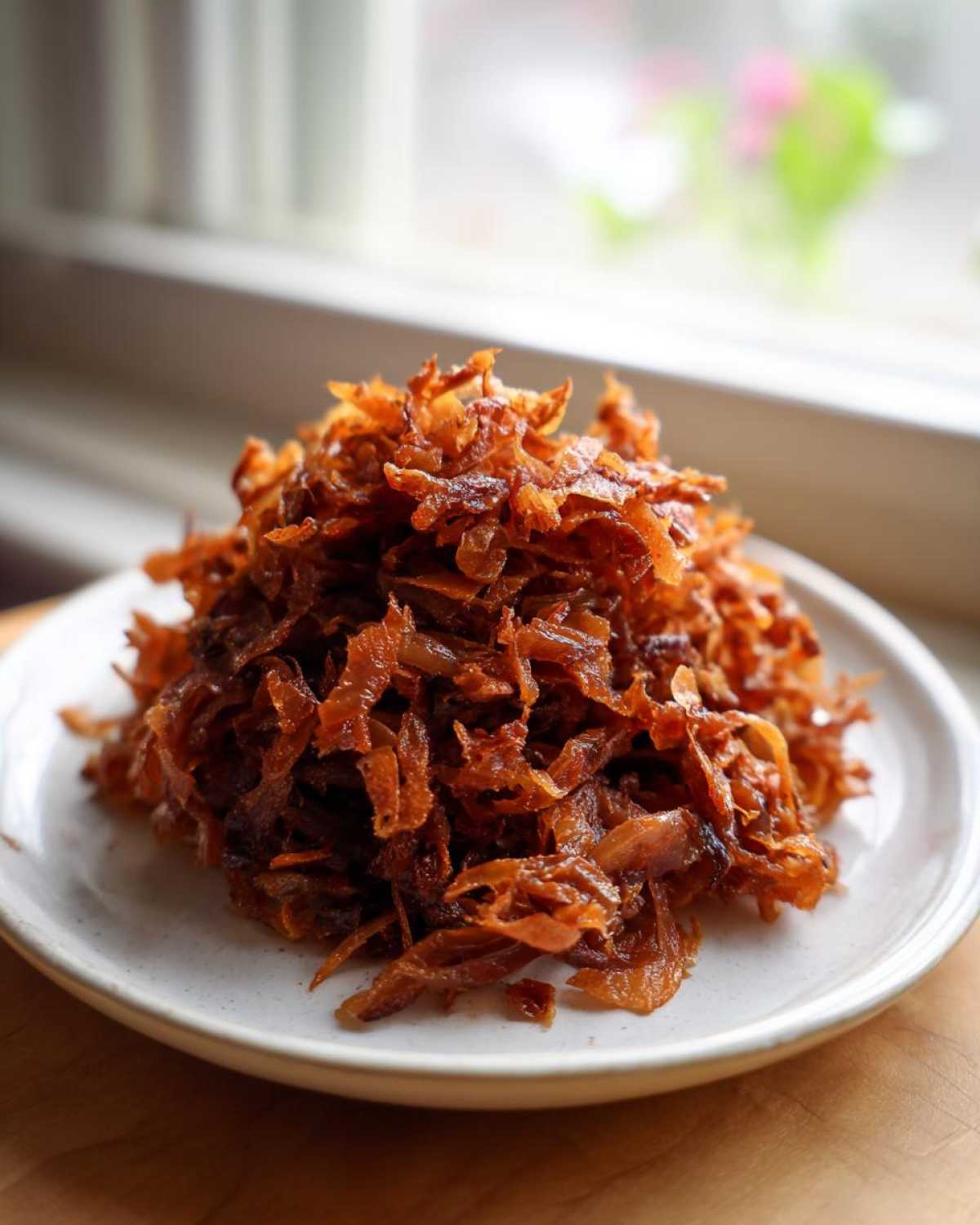
Once you start seeing some golden edges (around the 30-minute mark), you need to step up your stirring game. Start stirring every couple of minutes because the sugars are starting to really concentrate and can burn quickly now. If you decided to use that optional teaspoon of sugar, toss it in now—it helps push the browning along faster. Keep going until they hit that gorgeous, sticky, deep mahogany brown, which usually takes about 40 to 45 minutes total. When they are done, they should be incredibly tender and sweet. If you want to see another quick method, some folks swear by this 3-ingredient hack, but I still prefer this classic method for the best flavor!
Quick Onion Hack: A Faster Way to Caramelized Onions
Now, I know what you’re thinking: “Tariq, Leo, I don’t have 45 minutes for onions right now, I need them tomorrow for taco night!” Believe me, I get it. We all need a good quick onion hack sometimes, especially when we’re whipping up something like my quick shredded chicken tacos and realize we forgot those deep, sweet onions.
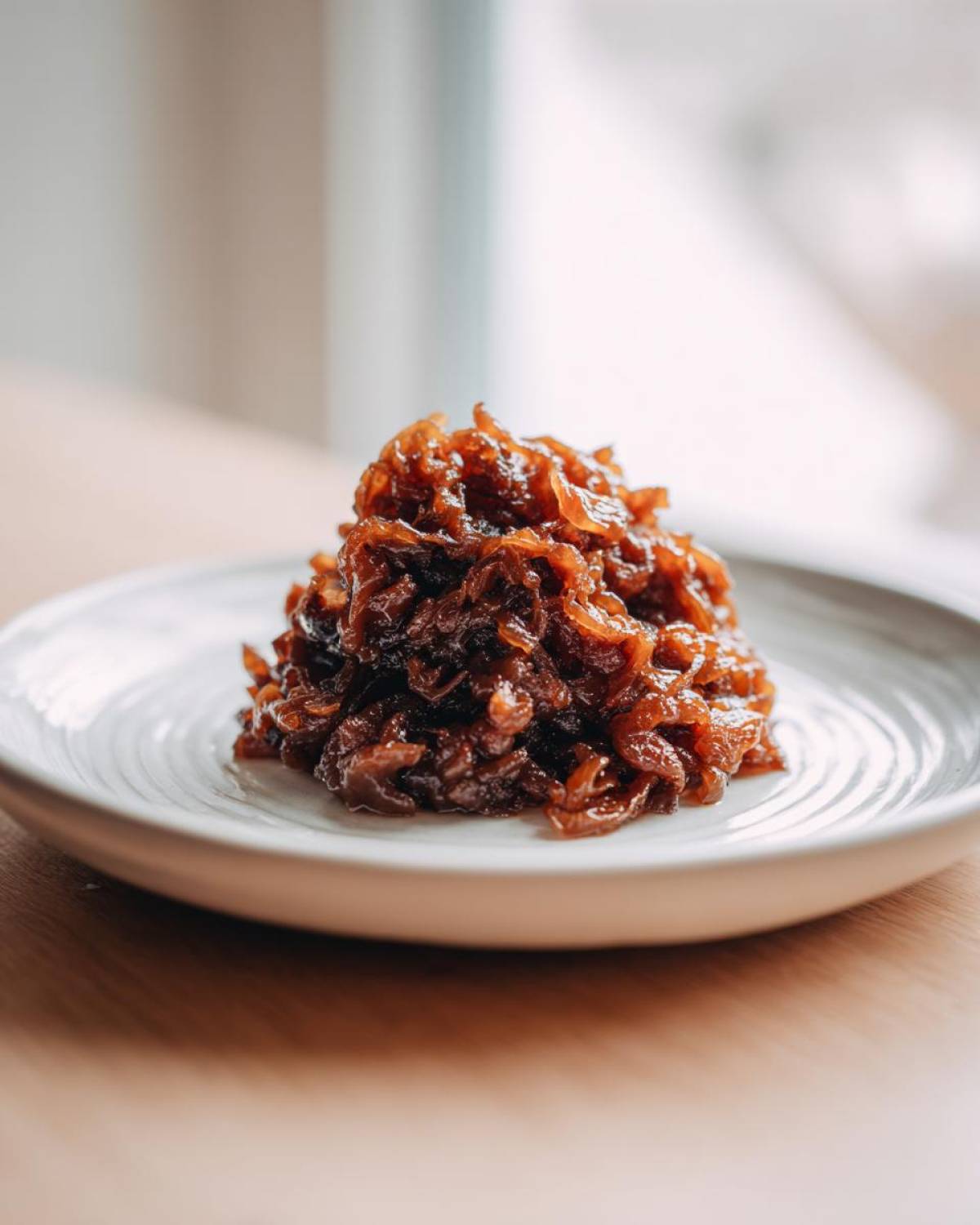
The traditional, slow way is the absolute best for restaurant-quality depth, but you *can* speed things up safely if you’re careful. You’re going to bump the heat up slightly from low to a gentle medium. This speeds up the process significantly, but here is the catch—and this is non-negotiable—you MUST stir constantly. I mean every 30 to 60 seconds. If you walk away, those beautiful sugars will scorch in an instant! If you feel them sticking hard or see black spots appearing, immediately blast the pan with a teaspoon of water to loosen them up and reduce the heat for a minute.
You won’t get quite the same deep, slow-cooked savoriness of the 45-minute batch, but you will absolutely get beautiful, nicely browned, and much sweeter onions in about 20 to 25 minutes total. It’s a great compromise when time is tight. For more fast ideas, check out this speedy technique some cooks swear by!
Tips for Success When Cooking Onions Sweet
We’ve covered the main technique, but let’s talk about those little details that separate a good batch of onions from an absolutely *incredible* one. I’m giving you the best cooking tips for onions here, the stuff Amara and I learned grinding through service after service. Getting that best way to cook onions sweet means mastering heat management, not just time management. If we can dodge the most common pitfalls, your kitchen will smell amazing!
I often use these onions as a base when making my rich homemade mayonnaise for an extra savory kick, but they are perfection standing alone!
Pan Size Matters for Caramelized Onions
This is a huge one, and it’s probably the biggest reason people end up with steamed, soggy onions instead of deeply browned ones. If you overload your pan, the onions release moisture faster than the heat can evaporate it. Guess what that moisture does? It steams the onions! And steamed onions don’t caramelize; they stew. You always want your slices to be in a single layer, or very close to it. Yes, this might mean dividing your batch into two separate rounds, or using the biggest, widest pan you own. Trust me, giving them space to breathe ensures you get that rich golden color we are aiming for.
Making Vegan Caramelized Onion Recipes
For all my plant-based friends out there, don’t worry! You can totally make amazing caramelized onions without butter, though I do love the flavor it adds. If you’re making vegan caramelized onion recipes, you have options! You can just use olive oil, but I find using a neutral oil, like a light vegetable oil, or even a good quality vegan butter substitute gives you that creamy mouthfeel butter provides. Just make sure whatever fat you use has a decent smoke point, since we are cooking low and slow for a long time. If you’re dedicated to the slow cook, check out the detailed approach over at Running to the Kitchen!
Using Your Caramelized Onions in Viral Recipes
Okay, so you’ve got your giant batch of deeply sweet, perfect caramelized onions cooling down. Now what? This is the fun part where your patience absolutely pays off! These aren’t just a side garnish; they are the flavor backbone for so many incredible dishes you see blowing up online. I swear, once people taste onions cooked this way, they go back to regular sautéed onions and just shake their heads!
As a French Onion Pasta Sauce Base
If you haven’t experienced the rich, savory flavor these lend to pasta, you are missing out! They create such a perfect creamy onion pasta ingredient base. You get that authentic, slow-simmered flavor instantly. If you want to see an absolute showstopper recipe, you have to check out the viral French Onion Pasta—it’s incredible how much depth these onions bring when you use them as the foundation for that sauce! You can find a great version of it right here.
Try folding them into my creamy garlic mushroom pasta recipe for an extra layer of incredible savoriness.
The Best Caramelized Onion Dip Recipe Topping
Forget the sour cream and chives! If you want an appetizer that tastes like it took hours of careful labor, use these onions as your star component for a dip. Think creamy, sharp cheese blends mixed with this sweet jam. They are absolutely heavenly mixed into a hot cheese dip, like one featuring Brie or Cream Cheese. They instantly elevate that experience to a true gourmet onion side dish. We use them often when prepping our famous million-dollar spread because that sweetness balances the salty cheese so well.
Simple Onion Topping for Burgers
When you’re grilling up burgers or even just throwing some sautéed mushrooms on toast, these are your best friend. Skip the raw onion slices! A generous dollop of these rich, glossy onions on top of a patty makes it feel like you ordered it from a fancy spot downtown. It’s the easiest way to turn a simple backyard meal into something memorable. Just a handful of these provide the ultimate savory sweet onion topping.
Storage and Freezing Your Caramelized Onions
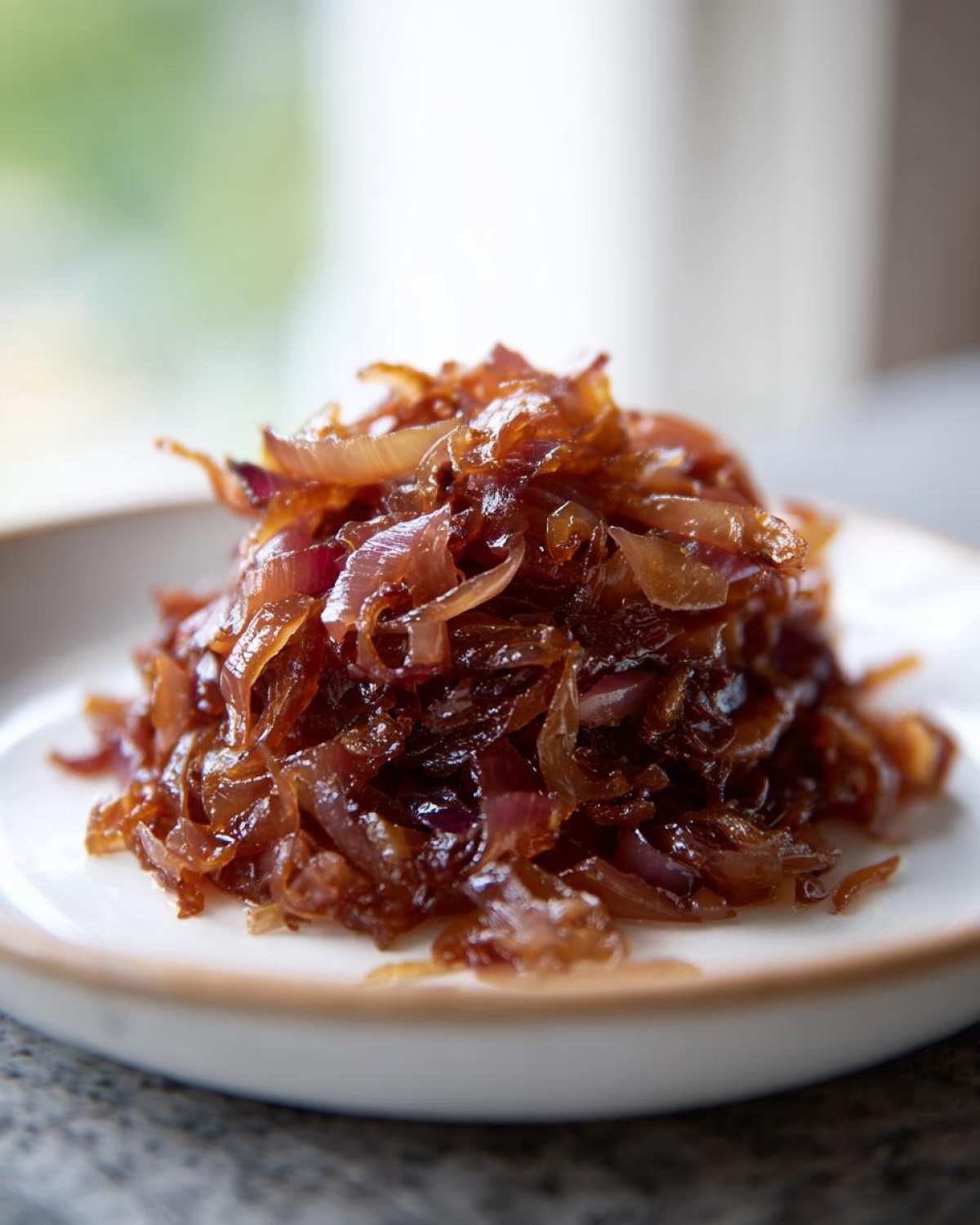
Yes, you absolutely should make a huge batch! Since this process takes a bit of time, I always plan to double or triple the recipe so I have tubs of these beauties ready to go in the fridge or freezer. Having a ready supply of slow cooked onions stocked is like having gold in your freezer for spontaneous weeknight meals. It saves so much time when you need that instant flavor boost.
Once your onions have cooled completely—and I mean completely, don’t rush this step or you risk condensation creating ice crystals—you can transfer them to an airtight container. They keep beautifully in the refrigerator for about a week. That’s perfect for topping burgers all week or mixing into quick meals like my easy vegan pumpkin curry when you need just a spoonful.
But for long-term, freezing is the way to go! You can freeze your caramelized onions for up to three months. I like to portion them out into small, freezer-safe zip-top bags first. Lay the bags flat on a baking sheet until frozen solid; this prevents them from turning into one giant, frozen onion brick. Once they are hard pucks, you can stack them up neatly in the freezer. When you need them, just grab a baggie and thaw them on the counter or very gently in a small pot!
Frequently Asked Questions About Caramelized Onions
I know you probably have a few lingering questions! Anytime we tackle a technique that requires patience, like cooking caramelized onions, little doubts pop up. Don’t sweat it! Leo’s here to clear up any confusion so you can move on to making something delicious. We’ll cover everything from swapping ingredients to troubleshooting when things go sideways. If you’ve already mastered the technique, you might love using these onions in our broccoli cauliflower casserole!
Can I make homemade onion jam instead of just caramelized onions?
Absolutely! Think of this process as the starting line for homemade onion jam. The beautiful, deeply flavored onions you make here are the foundation. To turn this into true jam, you’ll usually add some acid—like balsamic vinegar or a splash of red wine—and maybe some extra sugar or honey, then simmer it until it gets thicker and more spreadable, almost like a fruit conserve. It’s fantastic, but you have to get this deep caramelization right first!
What is the best onion to use for this easy onion recipe?
For the deepest, richest flavor that stands up to the long cooking time, you really can’t beat a standard yellow onion. They have the perfect balance of sugar content and structure. They are reliable, inexpensive, and they always brown up beautifully when you follow this easy onion recipe. However, if you happen to grab a bag of actual sweet onions (like Vidalia), you’ll find they caramelize even faster because they naturally have more moisture and sugar. Either way, they become the ultimate savory sweet onion condiment!
Why are my onions steaming instead of browning?
Oh, this is the curse of the impatient cook! If your onions are steaming, it means they got hot too fast, or you crowded the pan—or both! When the heat is too high, the onions release all their water content at once. Since steam gets trapped, the temperature in the pan can’t get hot enough to properly brown the sugars (the caramelization part). The fix is simple: turn that heat down low, make sure they aren’t piled too high, and give them space to evaporate their moisture slowly. Remember, the secret to success when cooking onions sweet is low heat and patience!
Estimated Nutritional Data for Caramelized Onions
Now, I know some of you are tracking macros even when you’re eating something as wonderfully comforting as a bowl of these perfect caramelized onions. Remember, Tariq always taught us that flavor comes first, but it’s good to have an idea of what you’re working with!
The numbers below are estimates based on the recipe using standard yellow onions and a mix of butter and oil. Your numbers might look a little different depending on how much fat you used or if you went fully vegan with oil. These estimates are calculated per serving size.
If you’re looking for another comforting dish that pairs well with these rich onions, you absolutely have to try my easy cheesy loaded meatloaf casserole!
- Serving Size: 1/4 cup
- Calories: 75
- Fat: 4g (Saturated Fat: 2g)
- Cholesterol: 5mg
- Sodium: 250mg
- Carbohydrates: 10g (Fiber: 1g, Sugar: 8g—that’s the sweet caramelization!)
- Protein: 1g
Keep in mind, because we are cooking these low and slow, those sugars concentrate, which is why the sugar content looks a tiny bit high for just an onion! But hey, it’s all natural goodness we coaxed out ourselves. These are an amazing kitchen staple onions addition because they are so versatile!
Share Your Sweet Onion Creations
And just like that, we’ve reached the end of our journey from sharp slice to savory-sweet perfection! Whew! Didn’t that feel amazing? Watching those onions transform right there in your skillet is one of the most satisfying cooking moments, isn’t it? I really hope you take this technique—this knowledge of how to caramelize onions—and immediately put it to work. That gorgeous, deep flavor is going to elevate whatever you put it on!
I’m dying to know what you made first! Did you use them as the backbone for a decadent French onion pasta sauce? Did you fold them into that creamy cheese dip? Or maybe you just ate a whole bowl of them straight off the spoon? (Don’t lie, I’ve done it!) Seriously, tell me about your results! I want to hear how long they took you—did you hit that 45-minute sweet spot, or did you use the quick hack?
Head over to the contact page and drop me a line. I love seeing how our techniques bring joy to your home cooking. Happy cooking, everyone, and never stop turning the simple into the spectacular!
PrintThe Ultimate Guide to Perfect Caramelized Onions: From Sharp to Sweet
Learn the essential technique to transform sharp raw onions into deeply sweet, savory caramelized onions. This guide covers the best way to cook onions for maximum flavor, perfect for use in dips, pasta sauces, or as a gourmet topping.
- Prep Time: 10 min
- Cook Time: 45 min
- Total Time: 55 min
- Yield: About 1.5 cups
- Category: Side Dish
- Method: Stovetop Cooking
- Cuisine: General
- Diet: Vegetarian
Ingredients
- 3 large yellow onions, thinly sliced
- 2 tablespoons unsalted butter
- 1 tablespoon olive oil
- 1 teaspoon salt
- 1 teaspoon sugar (optional, for faster browning)
- 2 tablespoons water (for deglazing)
Instructions
- Slice the onions thinly and uniformly. Uniformity helps them cook evenly.
- Combine the butter and olive oil in a large, heavy-bottomed skillet over medium-low heat.
- Add the sliced onions and the salt to the skillet. Stir well to coat the onions in the fat.
- Cook the onions slowly, stirring every 5 to 7 minutes. Keep the heat low to prevent burning. This slow cooking draws out the natural sugars.
- After about 20 minutes, the onions will be soft and translucent. If the pan looks dry, add a tablespoon of water to scrape up any browned bits (fond) from the bottom.
- Continue cooking, stirring more frequently as they begin to brown, usually around the 30-minute mark. If you are using sugar, add it now.
- Cook until the onions reach a deep, rich brown color, which takes about 40 to 45 minutes total for deep flavor. If you need a quicker result, you can use a higher heat (medium) but stir constantly to prevent scorching.
- Remove from heat. Your sweet onion topping is ready to use in your favorite recipes, like French onion pasta sauce or as an onion topping for burgers.
Notes
- For a vegan caramelized onion recipe, substitute the butter with an equal amount of neutral oil or vegan butter substitute.
- If you are making a large batch, consider using a wide, shallow pan to ensure the onions cook in a single layer for better caramelization.
- These slow cooked onions freeze well. Cool completely, then store in an airtight container for up to three months.
Nutrition
- Serving Size: 1/4 cup
- Calories: 75
- Sugar: 8
- Sodium: 250
- Fat: 4
- Saturated Fat: 2
- Unsaturated Fat: 2
- Trans Fat: 0
- Carbohydrates: 10
- Fiber: 1
- Protein: 1
- Cholesterol: 5
