

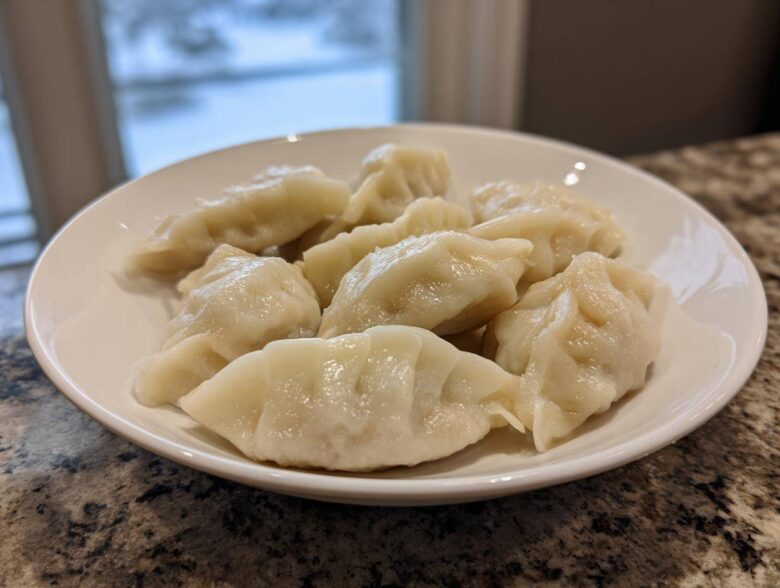
There is nothing, absolutely nothing, quite like coming home to the smell of simmering water and fresh dough. That comforting aroma is pure nostalgia for me, and it always signals that we’re making Traditional Chinese Dumplings. Forget those stiff, frozen imposters! This is the recipe that Chef Tariq finally perfected for us, the real deal featuring easy homemade dumpling wrappers. When Amara and I first started learning from him—you can read a bit more about our story here—these jiaozi felt impossible, but trust me, once you get this technique down, you’ll want to make them weekly. They are the absolute centerpiece for our Lunar New Year celebrations, but honestly, they make any Tuesday feel special.
Why This Traditional Chinese Dumplings Recipe Works for You
I know what you’re thinking: wrappers *from scratch*? Sounds like a whole day commitment, right? Wrong! The beauty of this recipe is how incredibly straightforward the dough is. We’re cutting out all the fuss but keeping every ounce of that amazing, slightly chewy texture that makes authentic jiaozi so satisfying. Trust me, making your own homemade dumpling wrappers changes the game entirely.
- Unbeatable Flavor: That fresh filling of pork and Napa cabbage is miles better than anything pre-packaged.
- Simple Steps: Anyone can master the dough and the rolling process after just a few tries.
- Batch Cooking Perfect: This recipe halves perfectly for weeknight tweaking or doubles easily for a huge Lunar New Year feast.
Leo’s Personal Experience with Authentic Jiaozi
When I first tried mixing the filling, I just stirred it around gently like I would hamburger meat. Chef Tariq stopped me immediately! He taught me that for true Traditional Chinese Dumplings, you have to mix the pork and seasonings vigorously, and in only one direction. It felt weird, but wow, when you do that, the meat gets sticky and holds all that gorgeous moisture inside. It makes all the difference!
Gathering Ingredients for Traditional Chinese Dumplings
Okay, are you ready to see what magic we’re making? When it comes to Traditional Chinese Dumplings, the secret really is in using fresh, high-quality ingredients. This list might look a little long, but trust me, every single thing plays a role in making these pork cabbage dumplings sing. Don’t skip that fresh ginger; it wakes the whole filling up!
For the Homemade Dumpling Wrappers
This dough is so simple, you’ll never buy wrappers again. Keep your water nice and warm—not too hot, but warm to the touch—to help the gluten develop beautifully.
- 2 cups all-purpose flour
- 3/4 cup warm water (plus more if needed—you might need an extra splash!)
For the Pork Cabbage Dumplings Filling
For the filling, we need our pork nice and cold, and make sure everything—especially that cabbage—is chopped super fine for the best texture. You want the green parts of the scallions only; they have the best flavor!
- 1 pound ground pork
- 2 cups finely chopped Napa cabbage
- 1/2 cup finely chopped scallions (green parts only)
- 2 tablespoons soy sauce
- 1 tablespoon Shaoxing rice wine (or dry sherry—we always have this on hand!)
- 1 tablespoon sesame oil
- 1 teaspoon grated fresh ginger
- 1/2 teaspoon salt
- 1/4 teaspoon white pepper
Mastering the Homemade Dumpling Wrappers
Alright, let’s conquer the dough! I know making homemade dumpling wrappers sounds super intimidating—like something you need five years of practice for—but honestly, it’s just flour and water, and we let time do the hard work for us. The first step is to get everything mixed until it looks like a shaggy beast, then you just need to get in there and work that muscle for a bit.
Kneading and Resting the Dough
You’ve got to commit to the kneading here. I aim for a good 8 to 10 minutes on the counter until that dough feels smooth and springy, not sticky or crumbly. If it feels tough, just cover it with a damp cloth while you prep the filling. Why rest it? Because kneading tightens up the gluten strands, and if you try to roll it right away, the wrapper snaps back at you! Resting it for that minimum 30 minutes lets the gluten relax so you get soft, pliable wrappers that stretch beautifully without tearing.
Rolling Out Perfect Wrapper Circles
Once you cut your dough ropes into those little inch-sized pieces, this is where Amara has the best touch. You roll each piece into a circle, but here’s the pro tip Tariq showed us: make sure the edges are slightly thinner than the center. Why? Because when you fold it over and start crimping to seal, that thicker center stays strong for holding the filling, and the thinner edges overlap perfectly without getting doughy when cooked. It just takes a little practice, I promise!
Creating the Flavorful Pork Cabbage Dumplings Filling
Now for the fun part—making the ‘soul’ of our Traditional Chinese Dumplings! This is where we pack in all the incredible flavor. We’re using the classic combination of ground pork and super-finely chopped Napa cabbage. If the cabbage isn’t chopped small enough, you get big, watery pockets when you boil them, and nobody wants that!
Here’s the technique trick Chef Tariq stressed when we first learned this Chinese dumplings recipe: you have to mix everything vigorously, but only in one direction. I usually go clockwise until my arm starts to complain! This strong, one-way mixing actually breaks down the protein in the pork, creating that sticky, almost pasty texture that binds the filling together perfectly. It stops them from falling apart while boiling!
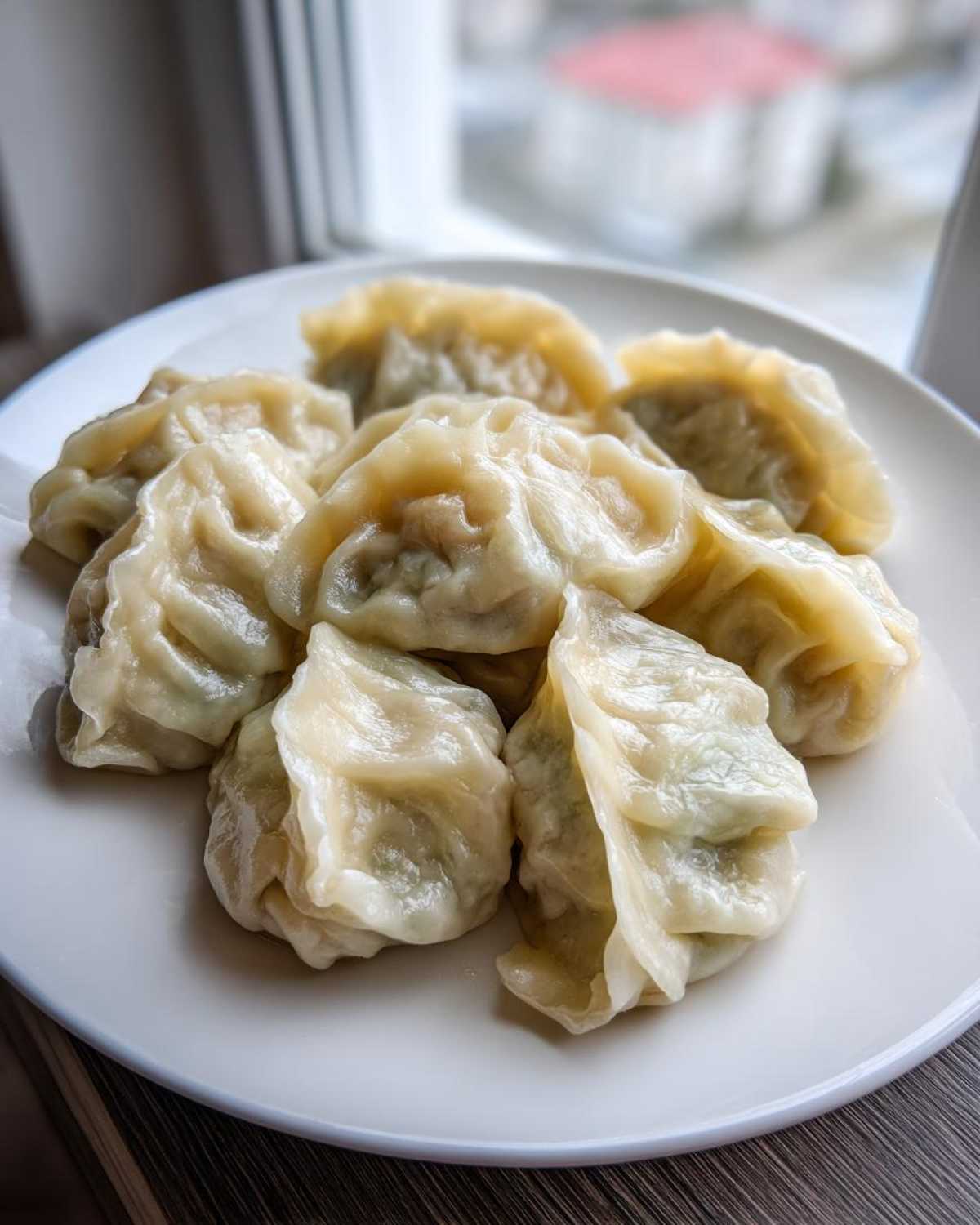
Don’t forget the aromatics! That splash of Shaoxing rice wine adds real depth that balances the richness of the pork, and the sesame oil? That’s pure nutty heaven. You can always find more of our kitchen experimentation notes over on the Savory Skies Blog if you’re looking for flavor tweaks!
Assembling Your Traditional Chinese Dumplings
We’ve got the dough rested and the filling ready—now it’s time for the assembly line! This is the part where things slow down a little, but it’s totally worth it, especially if you grab a friend to help out. Remember that perfectly rolled wrapper we talked about? Place about one small teaspoon of filling right in the center. Don’t overfill it, or you’ll be crying over burst dumplings later!
Dip your finger in a small bowl of water and quickly moisten the entire edge of the wrapper half-moon. Then, fold it over so the edges meet, creating that classic half-moon shape. This sealing step is crucial so we don’t lose any of that wonderful pork and cabbage.
Tips for Pleating Authentic Jiaozi
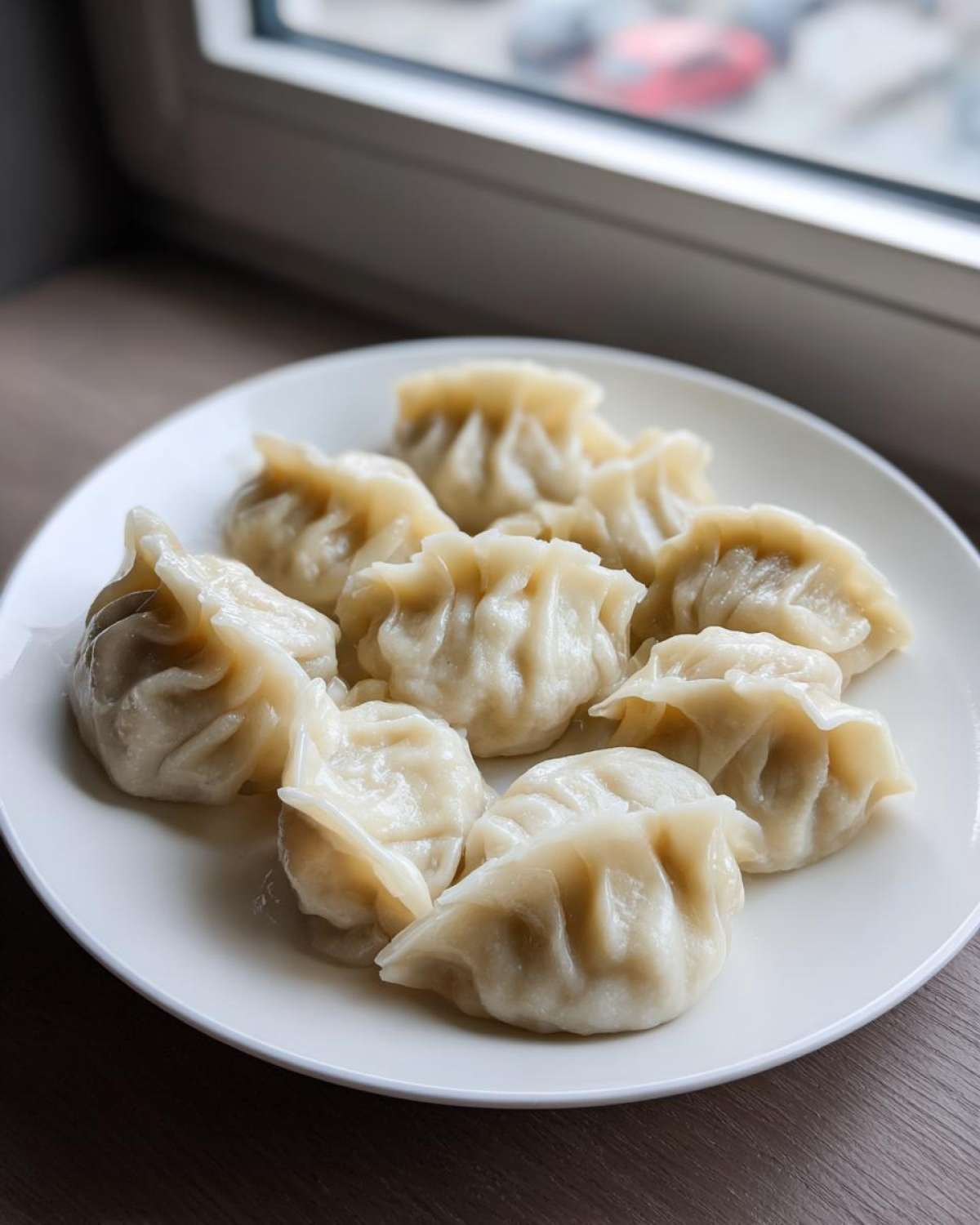
Sealing is one thing, but making them look like true authentic jiaozi is the fun finale! You don’t need fancy chef skills here, honestly. The simplest way is to pinch the very top center seam together first. Then, working from one side to the other, create small, tight pleats along the edge. Pinch each little pleat firmly onto the flat back edge of the wrapper. This gives you those gorgeous ruffles and, more importantly, a truly secure seal. Give the finished dumpling a gentle squeeze to make sure it’s totally closed. You’re making beautiful art!
How to Cook Traditional Chinese Dumplings (Boiling Method)
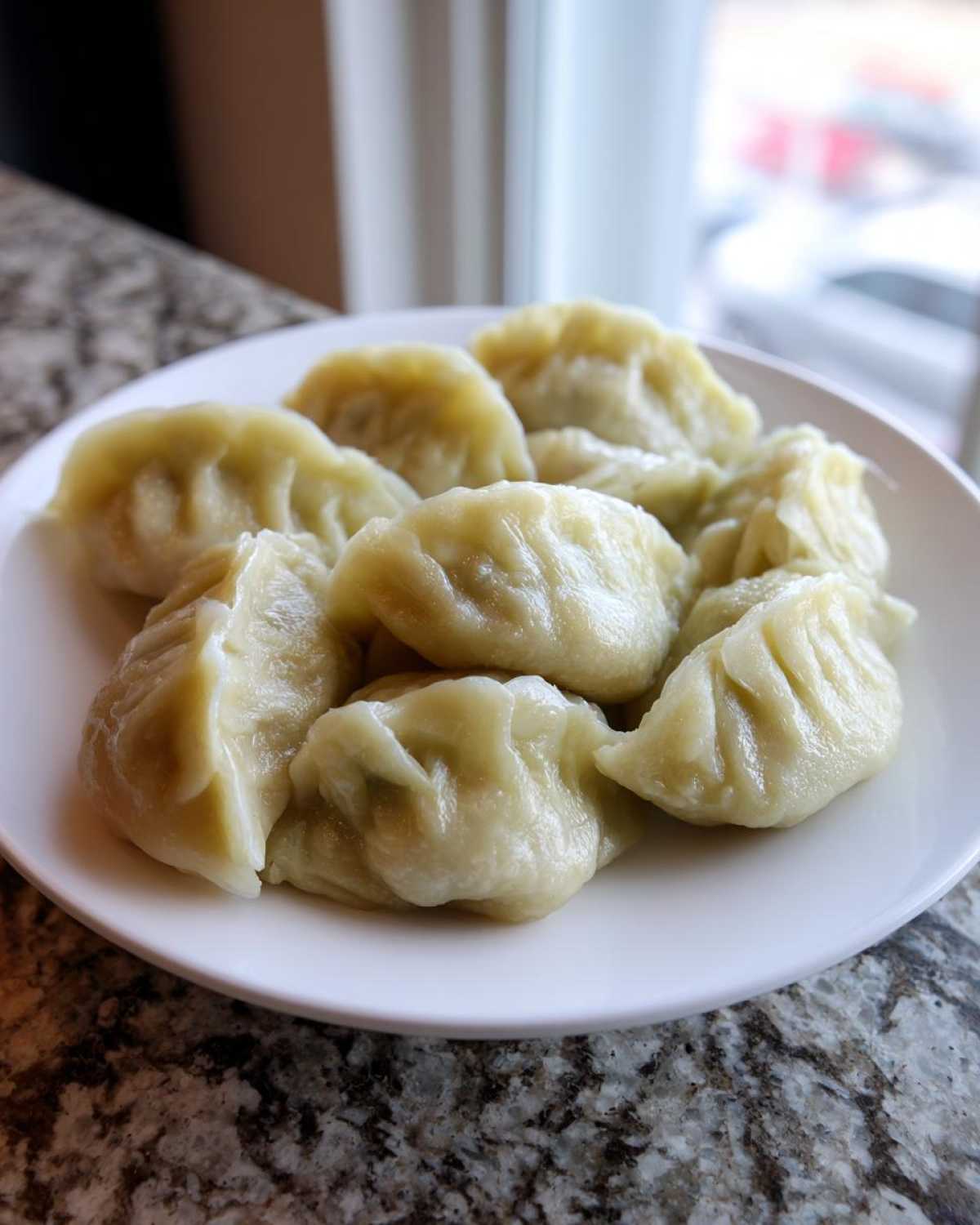
We’ve done all the hard work rolling and folding, so now it’s time for the payoff! Cooking these perfectly sealed pockets of flavor through the boiling method is surprisingly fast. You need a really big pot brimming with rapidly boiling water—don’t crowd them, or the temperature will drop too much and they’ll get gummy. Gently drop your Traditional Chinese Dumplings in, making sure they don’t bang into each other right away.
This brings me to something Chef Tariq always preached when we made boiled Chinese dumplings: stir the water! As soon as you add them, use a wooden spoon or chopstick to give the water a very careful, gentle stir a couple of times. This keeps them circulating so they don’t stick to the bottom or to each other while they start coming up to temperature. They are officially done when they float right up to the surface and stay there—usually about 5 to 7 minutes total. They should look plump and ready to burst with flavor!
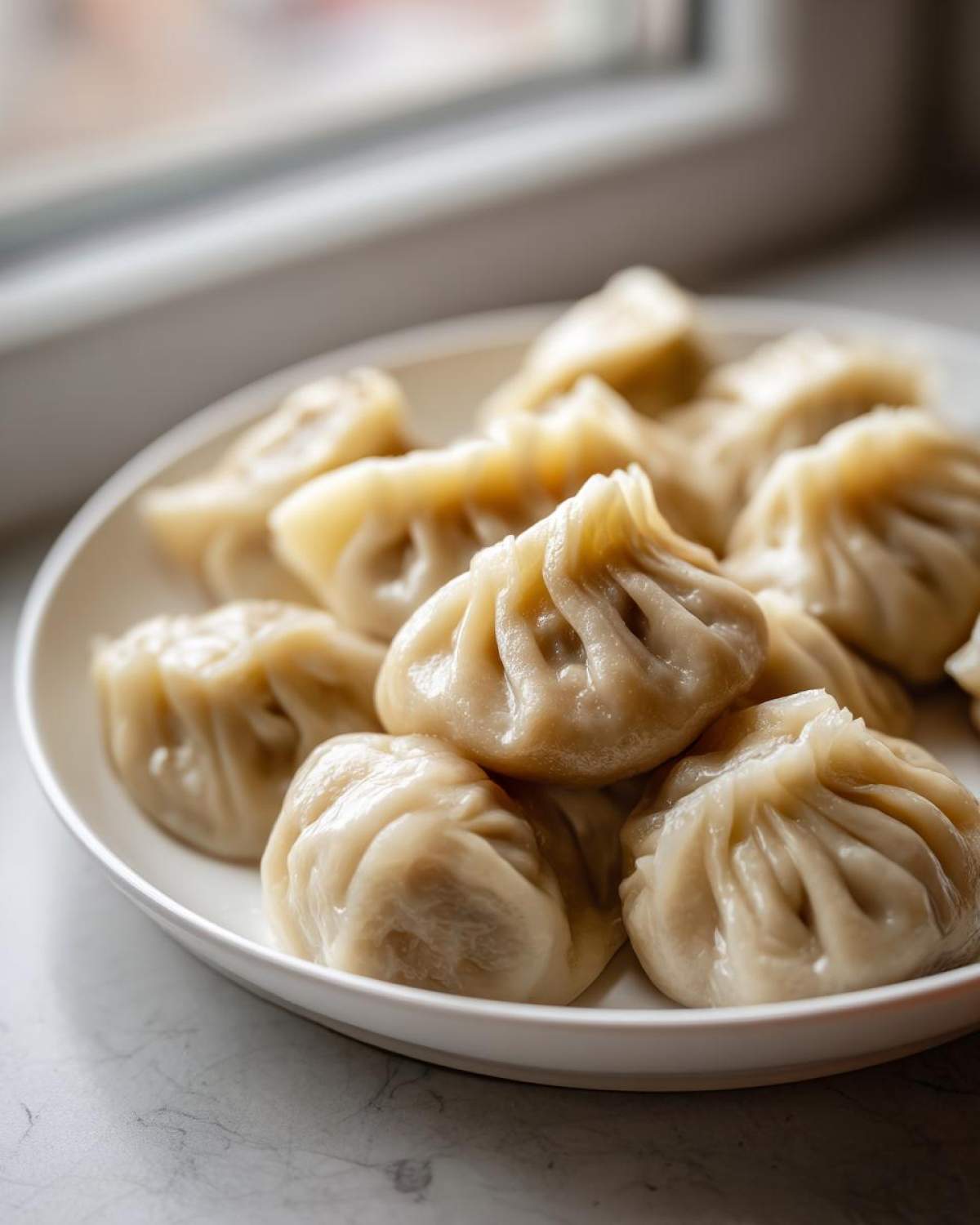
If you’re looking for a fantastic pairing sauce for these, you absolutely have to check out our recipe for easy homemade mayonnaise; we turn it into an amazing spicy drizzle for dumplings!
Making Traditional Chinese Dumplings Freezer Friendly
I always tell everyone that the best thing about making a huge batch of Traditional Chinese Dumplings is knowing you have a secret stash for later days when you’re too tired to cook. These are totally freezer friendly dumplings, and the technique is almost laughably simple! As soon as I’m done assembling them, I line an old baking sheet with parchment paper—it’s non-negotiable, trust me, otherwise they weld themselves to the tray.
Lay your finished jiaozi out on that paper so none of them are touching. Pop the whole tray right into the freezer for about an hour until they are rock solid. Once they’ve frozen solid, you just scoop them off that sheet and toss them into a sturdy freezer bag. You want to check out our tips on batch cooking over on the freezer breakfast burritos recipe page for general freezing wisdom.
The magic part? You cook them straight from frozen! Just throw them into that rolling boiling water like before, but plan on adding about 3 to 4 extra minutes to your boiling time until the pork filling is piping hot all the way through. Easy peasy!
Frequently Asked Questions About Traditional Chinese Dumplings
Look, I know you might have a few lingering questions before you dive into making these beauties. We’ve all been there when a new recipe seems daunting! Don’t worry, I’ve rounded up the questions I get asked most often about mastering the dough and making these the star of your table.
What is the best way to serve these Chinese dumplings recipe?
You absolutely must serve these piping hot! While they are fantastic all by themselves, they really sing when paired with a simple dipping sauce. I usually whip up a mix of soy sauce, a splash of Chinese black vinegar, and just a tiny drizzle of chili oil—Amara says that’s the best compliment to the savory pork cabbage dumplings flavor. Sometimes Tariq adds some finely chopped garlic to his sauce if we’re feeling bold!
Can I use store-bought wrappers instead of homemade dumpling wrappers?
Oh, darn, you totally can, I won’t tell Chef Tariq! If you’re in a huge rush, store-bought rounds will certainly work, and they let us use that amazing filling in our Chinese dumplings recipe. But, and this is a big but, they just don’t have the same chewiness or texture as the homemade dumpling wrappers we spent time perfecting. The scratch dough puffs up slightly differently when boiled, giving you that authentic bite you’re looking for.
How do I make these Lunar New Year dumplings ahead of time?
Making them ahead is truly the secret weapon for stress-free entertaining, especially when preparing for big events like the Lunar New Year dumplings celebration. Good news: You don’t need to hunt for new instructions! Just jump right back up to the section titled “Making Traditional Chinese Dumplings Freezer Friendly.” That flash-freezing method I showed you makes it possible to have fresh-tasting dumplings any day you want!
Nutritional Snapshot for Your Traditional Chinese Dumplings
I wanted to include a little heads-up on what you’re looking at nutritionally for these amazing Traditional Chinese Dumplings. Remember, since we are boiling them and using lean pork, they pan out pretty well compared to if we deep-fried them, which Chef Tariq certainly wouldn’t recommend for a weeknight meal! This information is super helpful if you’re tracking macros or just curious about what you’re fueling up on.
Please keep in mind, because we’re using fresh, variable ingredients like pork fat content and exact how much water your cabbage soaks up, these are just good estimates based on the recipe amounts: about 4 dumplings per serving size.
- Serving Size: 4 dumplings
- Calories: 250
- Fat: 12g (Saturated Fat: 4g)
- Carbohydrates: 22g
- Protein: 15g
- Sodium: 350mg (A little high, that soy sauce adds up!)
- Sugar: 1g
For the most accurate details, especially if you have dietary concerns, you can always take a look at our general approach to testing recipes over on the Savory Skies Disclaimer page. But know that this filling is packed with lean protein from that pork, making them wonderfully satisfying!
PrintTraditional Chinese Pork and Cabbage Dumplings (Jiaozi)
Make authentic Chinese dumplings from scratch with this recipe for flavorful pork and cabbage filling and easy homemade dumpling wrappers. Perfect for Lunar New Year or any weeknight meal.
- Prep Time: 45 min
- Cook Time: 10 min
- Total Time: 55 min
- Yield: About 30 servings
- Category: Main Course
- Method: Boiling
- Cuisine: Chinese
- Diet: None
Ingredients
- 2 cups all-purpose flour
- 3/4 cup warm water (plus more if needed)
- 1 pound ground pork
- 2 cups finely chopped Napa cabbage
- 1/2 cup finely chopped scallions (green parts only)
- 2 tablespoons soy sauce
- 1 tablespoon Shaoxing rice wine (or dry sherry)
- 1 tablespoon sesame oil
- 1 teaspoon grated fresh ginger
- 1/2 teaspoon salt
- 1/4 teaspoon white pepper
Instructions
- Make the dough: In a large bowl, mix the flour and warm water until a shaggy dough forms. Knead on a lightly floured surface for 8 to 10 minutes until smooth. Cover the dough with plastic wrap and let it rest for at least 30 minutes.
- Prepare the filling: In a large bowl, combine the ground pork, chopped Napa cabbage, scallions, soy sauce, rice wine, sesame oil, ginger, salt, and white pepper. Mix vigorously in one direction until the mixture becomes sticky and well combined. This helps bind the filling.
- Roll the wrappers: Divide the rested dough into four equal pieces. Roll each piece into a long rope about 1 inch thick. Cut the rope into 1-inch pieces. Roll each small piece into a thin circle, about 3 inches in diameter, keeping the edges slightly thinner than the center. These are your homemade dumpling wrappers.
- Assemble the dumplings: Place about 1 teaspoon of filling in the center of a wrapper. Moisten the edges with water. Fold the wrapper in half over the filling to create a half-moon shape. Crimp and pleat the edges to seal tightly.
- Cook the dumplings: Bring a large pot of water to a rolling boil. Gently drop the dumplings into the boiling water, ensuring they do not stick together. Cook for 5 to 7 minutes, or until they float to the surface and the pork filling is cooked through.
- Serve immediately with your favorite dipping sauce, or proceed to freezing instructions.
Notes
- For freezer friendly dumplings: Place uncooked dumplings on a baking sheet lined with parchment paper, ensuring they do not touch. Freeze until solid (about 1 hour). Transfer the frozen dumplings to a freezer bag. Cook directly from frozen, adding a few extra minutes to the boiling time.
- To boil Chinese dumplings perfectly, stir the water gently a couple of times during cooking so they circulate and cook evenly.
- You can substitute ground chicken or turkey for the pork if desired.
Nutrition
- Serving Size: 4 dumplings
- Calories: 250
- Sugar: 1
- Sodium: 350
- Fat: 12
- Saturated Fat: 4
- Unsaturated Fat: 8
- Trans Fat: 0
- Carbohydrates: 22
- Fiber: 1
- Protein: 15
- Cholesterol: 50
