

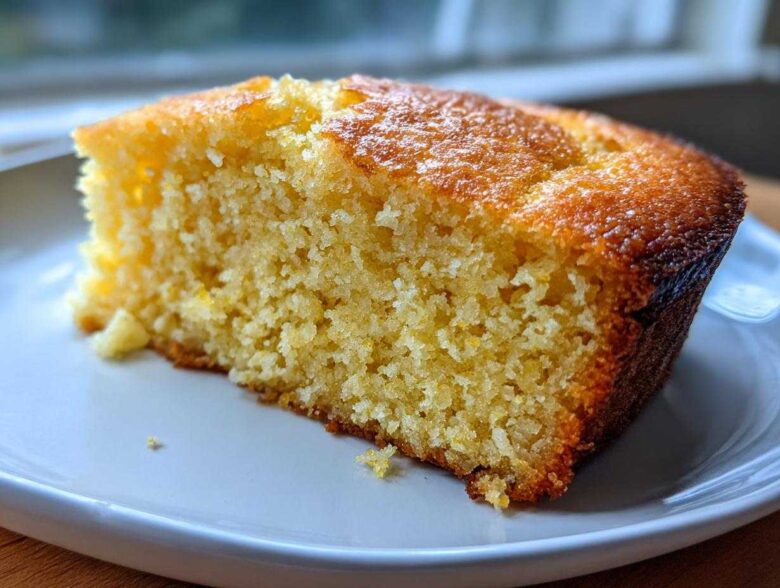
If you close your eyes and think about true Southern cooking, you can almost smell it, right? That warm, slightly smoky aroma that fills the kitchen—that’s the smell of perfect Cornbread baking in a cast iron skillet. I’m not kidding when I say I tried a million variations before I finally locked down this recipe. For years, my batches were either too crumbly or somehow dense in the middle. Yuck! But here it is: the best southern cornbread you’ll ever make, even if you’re just learning your way around quick breads. This is the traditional Southern Buttermilk Cornbread, and trust me, it’s simple enough for a total beginner, but so good the way it sizzles when it hits that hot pan.
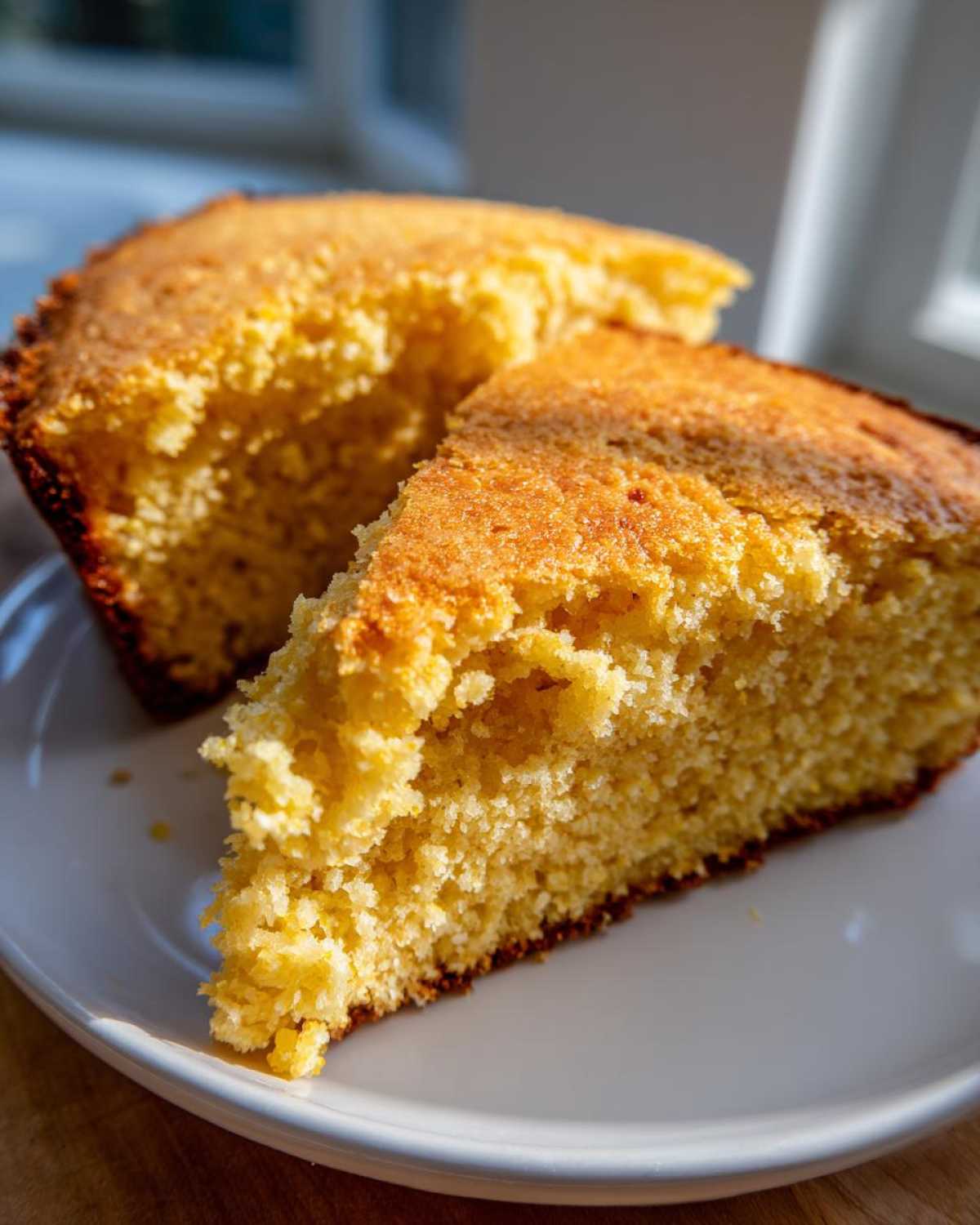
Why This Classic Southern Buttermilk Cornbread Recipe Works
I know there are a million recipes out there, but this specific formula is what makes it the best Cornbread you’ll ever pull from your oven. It’s a blend of old-school technique and the right ingredients that never fails me. I’ve tested this countless times while trying to get it just right for our family dinners. It really boils down to two non-negotiable secrets that give you the perfect texture every single time.
- It delivers incredible moisture without being cake-like.
- The edges get unbelievably crisp because of the cast iron magic.
- It mixes up faster than any pie crust I’ve ever tackled!
Achieving Moist Cornbread Texture
The word “moist” is key when we talk about making good bread, and our moist cornbread secrets totally lie with those two major liquids: buttermilk and oil. The buttermilk reacts with the baking soda to give you a beautiful rise, and the oil keeps that crumb tender long after it cools down. Skip the buttermilk, and you miss out on so much flavor!
The Power of Cast Iron Skillet Cornbread Directions
You absolutely cannot skip preheating that skillet—seriously! When that batter hits the hot, oiled iron, it immediately sets the outer layer. Following proper skillet cornbread directions means you get those dark, crunchy, irresistible edges that make Southern cornbread famous. If you don’t preheat, you’re just making a very dense cake in a round pan! I still love looking at my cookies, but this cast iron trick is even more satisfying, unlike delicate sugar cookies.
Ingredients for Your Easy Homemade Cornbread Recipe
Getting started with this easy homemade cornbread recipe is honestly the best part because you probably have most of this stuff lying around already! We aren’t using a complicated ingredient list here. We want classic, comforting Cornbread, and that means sticking to the essentials. I always measure out my dry ingredients first. Now, notice that sugar in the list; it’s totally optional. I add just a hair of sugar because I like a little balance, but if you want pure Southern savory, leave it out!
- 1 1/2 cups yellow cornmeal
- 1/2 cup all-purpose flour
- 1 tablespoon baking powder
- 1/2 teaspoon baking soda
- 1/2 teaspoon salt
- 1/4 cup granulated sugar (optional, for slight sweetness)
- 1 cup buttermilk
- 1/2 cup vegetable oil (plus extra for greasing the skillet)
- 2 large eggs, lightly beaten
Ingredient Notes and Substitutions for Perfect Cornbread
Listen, sometimes you run out of buttermilk, and life happens! If your fridge is empty, don’t panic. Just mix one cup of regular milk with one tablespoon of either white vinegar or lemon juice. Let that sit on the counter for about five minutes—it’ll curdle up just enough, and you’re back in business. That’s my go-to trick for my buttermilk pie, and it works wonders here too!
Regarding the sugar content, this is your moment to decide: do you want sweet cornbread vs savory? I use a quarter cup, which keeps it on the savory side but mellows the sharpness of the buttermilk. If you truly like that sugary, cakey texture, feel free to bump that amount up towards half a cup, but my heart stays true to the mild, slightly salty Southern way.
How to Make Cornbread From Scratch: Step-by-Step Instructions
Alright, friends, let’s get this baking adventure started! Mastering how to make cornbread from scratch boils down to timing and knowing when to stop mixing. This is truly one of my favorite easy baking recipes because once the oven is hot, you’re basically hands-off. If you need more help with timing and handling quick breads in general, check out my general baking tips for quick breads! We want this Cornbread to come out perfectly flaky, not leaden and heavy.
Preheating the Skillet for Crispy Edge Cornbread
This is the absolute first thing you do: Crank that oven up to 400°F (200°C) and put your 10-inch cast iron skillet right inside while it heats up. I mean it, get that pan sizzling hot! Once the oven is ready, you carefully pull that skillet out—watch those fingers!—and swirl in about two tablespoons of extra oil. You want that oil to look shimmery, almost smoking. That intense heat is what creates the instant crust, giving you that amazing, desirable crispy edge cornbread texture.
Mixing the Batter: Avoid Overmixing for Best Cornbread
Don’t get too enthusiastic when combining your wet and dry stuff! In one bowl, make sure your cornmeal mixture is whisked nicely. In another, whisk your buttermilk, eggs, and oil. Then, pour the liquids right into the dry ingredients. Mix gently with a wooden spoon or spatula—just until you don’t see giant streaks of flour anymore. Seriously, stop stirring! A few small lumps are totally fine. Overmixing develops gluten, and that’s the quickest way to ruin the fluffy crumb we are aiming for in this Cornbread.
Tips for the Best Southern Cornbread Experience
Even with a great recipe, sometimes you just need a little nudge to take your baking from good to absolutely legendary. I’ve learned these little checks and tricks after years of making this for every holiday and potluck; they’re how I guarantee that best southern cornbread flavor every single time. Don’t be shy about using the best quality cornmeal you can find—it makes a huge difference in the final flavor profile of your Cornbread!
If you’re interested in loving your cast iron as much as I do, I wrote a whole entry on cast iron skillet baking that covers seasoning and care. But the biggest tip is trusting your senses over the clock.
Quick Easy Cornbread Baking Time Checks
The recipe calls for 20 to 25 minutes, but ovens lie! You need to use your eyes too. Look for the edges of the Cornbread to start pulling away just slightly from the hot sides of that cast iron skillet. The top should be a beautiful, deep golden brown, not pale. Once it looks golden, give the center a gentle poke; if it springs back firmly, you’re done! That’s a much better indicator than just hoping the toothpick is clean.
Serving Suggestions: What Cornbread Pairs Well With
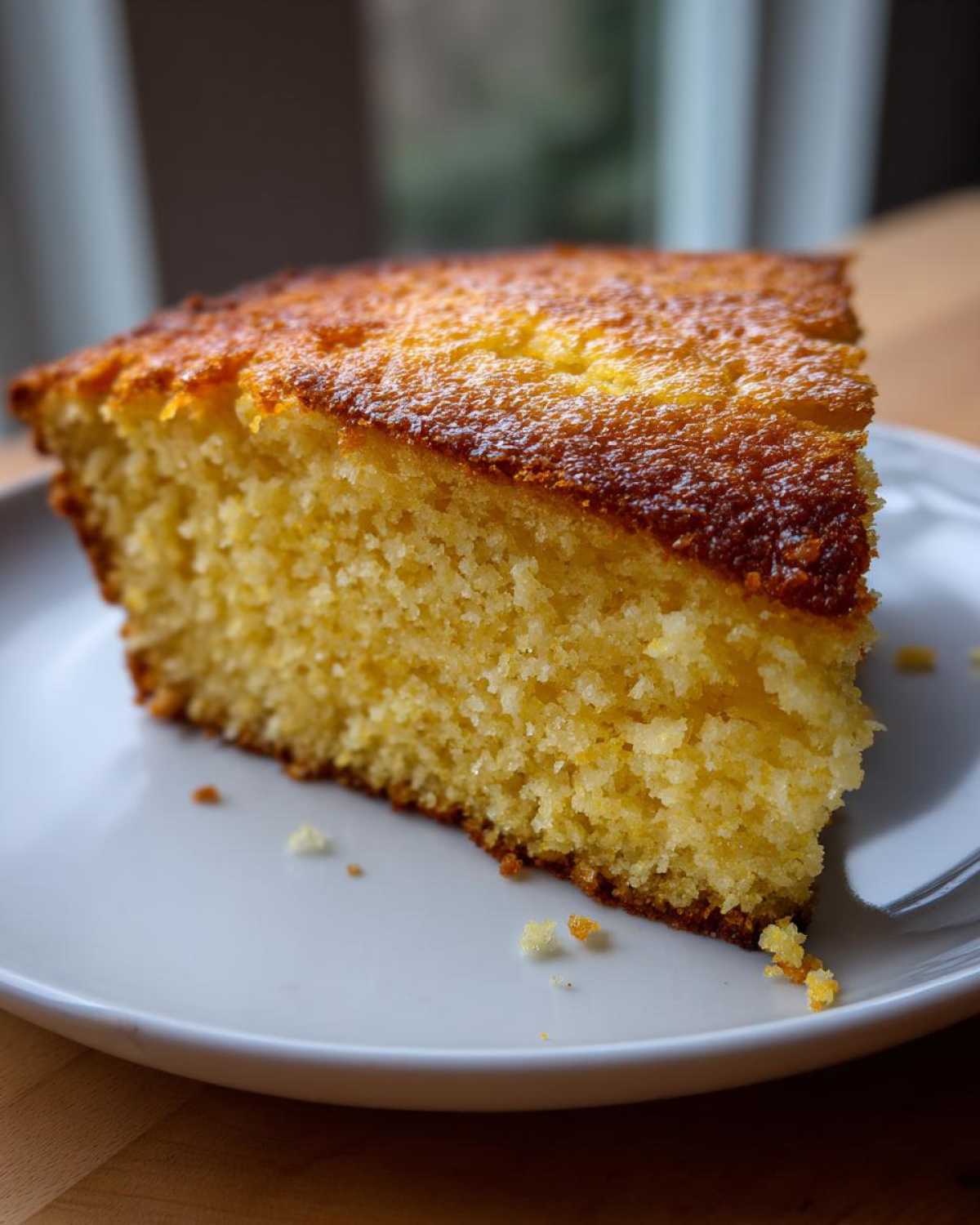
This glorious, simple Cornbread is the MVP of any comfort food spread. It’s sturdy enough to handle heavy hitters, but buttery enough that it tastes amazing with just a drizzle of honey all on its own. Seriously, when deciding what cornbread pairs well with, you can’t go wrong with anything soupy or saucy. It’s the perfect tool for mopping up gravy!
You absolutely need this alongside a big bowl of my award-winning chili—it’s the law, honestly. It’s also fantastic crumbled over a plate of creamy goodness like my garlic mashed potatoes, or just served traditionally alongside baked beans or greens. It shows up at every holiday, too, because who doesn’t want a little bit of this crusty side dish?
Storage and Reheating Instructions for Leftover Cornbread
Even the best Cornbread never lasts long at my house, but when it does, storing it right is crucial so you don’t lose that texture! If you plan on eating it within a day or two, just wrap the pieces tightly in plastic wrap or place them in an airtight container at room temperature. Don’t store it in the fridge if you can avoid it; the cold always seems to dry baked goods out faster!
For longer storage, you can freeze it! Wrap individual wedges tightly in plastic wrap and then foil before tossing them into a freezer bag. When you’re ready to eat it again, just unwrap it and pop it straight into a warm oven or just reheat it next to some gravy from my easy salisbury steak! It comes back to life perfectly.
Variations: From Jalapeno Cheddar Cornbread to Muffins
Once you master the basics of this Southern Cornbread, you can certainly start playing around! I love getting creative, especially when company comes over and I want something a little different than the standard skillet bake. One of my absolute favorite additions when I’m feeling bold is throwing in some shredded sharp cheddar cheese and diced fresh jalapeños—hello, jalapeno cheddar cornbread!
If you’re making breakfast for a crowd, you can easily adapt this batter for buttermilk cornbread muffins. Just grease a standard 12-cup muffin tin well (or use liners) and bake them for about 15 to 18 minutes at the same temperature. They bake up faster, so keep an eye on them! If you want to branch out into a totally different flavor profile, you should check out my recipe for that amazing cheesy Mexican cornbread—it’s a whole different experience!
Making Traditional Northern Style Cornbread
Okay, so we made the Southern version, which is traditionally savory, relying on fat and buttermilk for richness. But if you’re craving something sweeter, that brings us to traditional Northern style cornbread. The main difference is usually the sugar content—Northern recipes often use a bit more sugar, making it taste more like an actual cake. Plus, they frequently swap the buttermilk for regular milk or even cream and use melted butter instead of oil for that milder finish.
Frequently Asked Questions About Cornbread
I always get asked the same bunch of little questions about this recipe, which just shows how much people love making this Cornbread! It’s funny what small details can trip up even experienced bakers, but I promise that once you nail these few things, you’ll feel like a pro. If you’re looking for a few more kitchen shortcuts, check out my whole collection of easy baking recipes!
Can I use regular milk instead of buttermilk in this cornbread recipe?
Yes, you absolutely can, but brace yourself—it *will* change the texture just slightly! That acidic buttermilk is what reacts so perfectly with the baking soda to give you that authentic Southern rise and flavor. If you use regular milk, remember my trick: just add one tablespoon of white vinegar or lemon juice to one cup of regular milk. Let it sit for five minutes until it looks a little curdled. That mimics buttermilk perfectly and keeps your easy homemade cornbread recipe on track.
Why did my cornbread turn out dry?
Oh, that’s the worst feeling! A dry loaf is usually down to one of two things, in my experience. First, did you mix it too much? If you stir that batter until it’s completely smooth, you’ve developed too much gluten, and you’re going to end up with something tough instead of tender. Second place to check: did you preheat that skillet properly? If the pan wasn’t scorching hot, the outside won’t set instantly, and the delicate moisture inside just evaporates away before it’s done cooking, leaving you with a crumbly mess instead of the best southern cornbread.
Share Your Classic American Comfort Food Cornbread
That’s it! You are officially armed with everything you need to bake the most incredible, crusty, fluffy Cornbread right in your own kitchen. This really is the ultimate classic American comfort food, and I truly hope you love every bite. If you’re looking for more dishes that hit that cozy spot, check out my main blog for inspiration! Now, go on and give this recipe a try! If you do, please come back and leave me a rating below so I can see how it turned out for you!
PrintClassic Southern Buttermilk Cornbread
A straightforward recipe for moist, traditional Southern cornbread baked in a cast iron skillet for crispy edges.
- Prep Time: 10 min
- Cook Time: 25 min
- Total Time: 35 min
- Yield: 8 servings
- Category: Side Dish
- Method: Baking
- Cuisine: American Southern
- Diet: Vegetarian
Ingredients
- 1 1/2 cups yellow cornmeal
- 1/2 cup all-purpose flour
- 1 tablespoon baking powder
- 1/2 teaspoon baking soda
- 1/2 teaspoon salt
- 1/4 cup granulated sugar (optional, for slight sweetness)
- 1 cup buttermilk
- 1/2 cup vegetable oil (plus extra for greasing the skillet)
- 2 large eggs, lightly beaten
Instructions
- Preheat your oven to 400°F (200°C). Place a 10-inch cast iron skillet in the oven while it preheats.
- In a large bowl, whisk together the cornmeal, flour, baking powder, baking soda, salt, and sugar if you are using it.
- In a separate bowl, whisk together the buttermilk, vegetable oil, and eggs until combined.
- Pour the wet ingredients into the dry ingredients. Mix gently until just combined. Do not overmix; a few lumps are acceptable.
- Carefully remove the hot skillet from the oven using oven mitts. Add about 2 tablespoons of vegetable oil to the hot skillet and swirl to coat the bottom and sides. The oil should shimmer slightly.
- Pour the batter immediately into the hot, oiled skillet. The batter should sizzle when it hits the pan.
- Bake for 20 to 25 minutes, or until the top is golden brown and a toothpick inserted into the center comes out clean.
- Let the cornbread cool in the skillet for 5 minutes before slicing and serving warm.
Notes
- For extra crispy edges, ensure your skillet is very hot before adding the batter.
- If you do not have buttermilk, mix 1 cup of regular milk with 1 tablespoon of white vinegar or lemon juice and let it sit for 5 minutes before using.
- This recipe yields a slightly savory cornbread; add up to 1/4 cup more sugar if you prefer a sweeter version.
Nutrition
- Serving Size: 1 wedge
- Calories: 240
- Sugar: 4
- Sodium: 350
- Fat: 12
- Saturated Fat: 2
- Unsaturated Fat: 10
- Trans Fat: 0
- Carbohydrates: 29
- Fiber: 2
- Protein: 6
- Cholesterol: 55
