

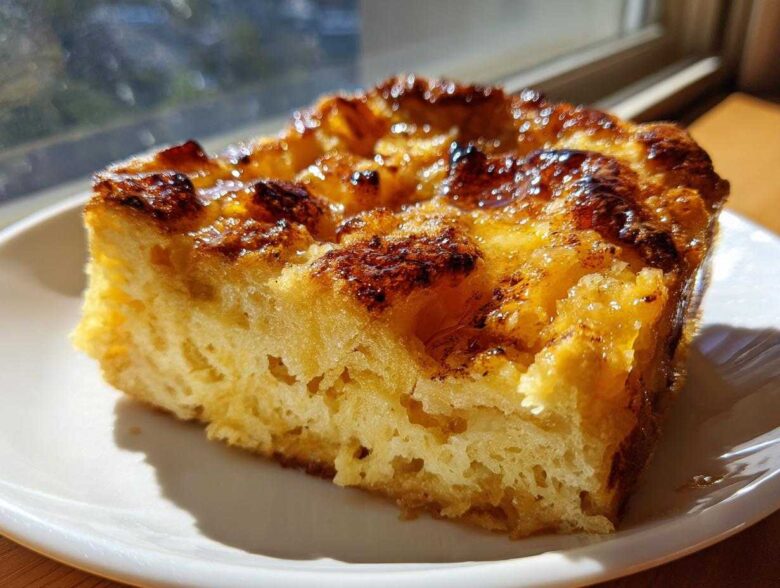
You know those mornings, right? The ones where you desperately want a beautiful, cozy brunch but the thought of standing over a hot griddle flipping individual slices of French toast makes you want to crawl back into bed? Yeah, I live for those mornings now because of this recipe. Seriously, this overnight french toast changed my life! I toss everything into a dish the night before, cover it up, and boom—breakfast is essentially done when I wake up. It’s baked, it’s custardy, and it serves a whole crowd with almost zero effort needed when the sun is barely up. Trust me, this recipe is my secret weapon for stress-free weekends and holiday mornings.
Why This Overnight French Toast Casserole Is Your New Weekend Essential
Honestly, this dish is the definition of a win-win. Why slave over a skillet when you can prep this entire thing in less time than it takes to brew coffee? It’s the ultimate Make Ahead Breakfast solution. Once it’s baked, you have a huge, warm dish that screams comfort food, making it a total Stress Free Morning Meal.
- No more frantic morning cooking—just pop it in the oven!
- It feeds a crowd without you having to make multiple trips to the stove.
- The edges get slightly crisp while the middle stays impossibly soft.
Achieving the Perfect Custardy French Toast Texture
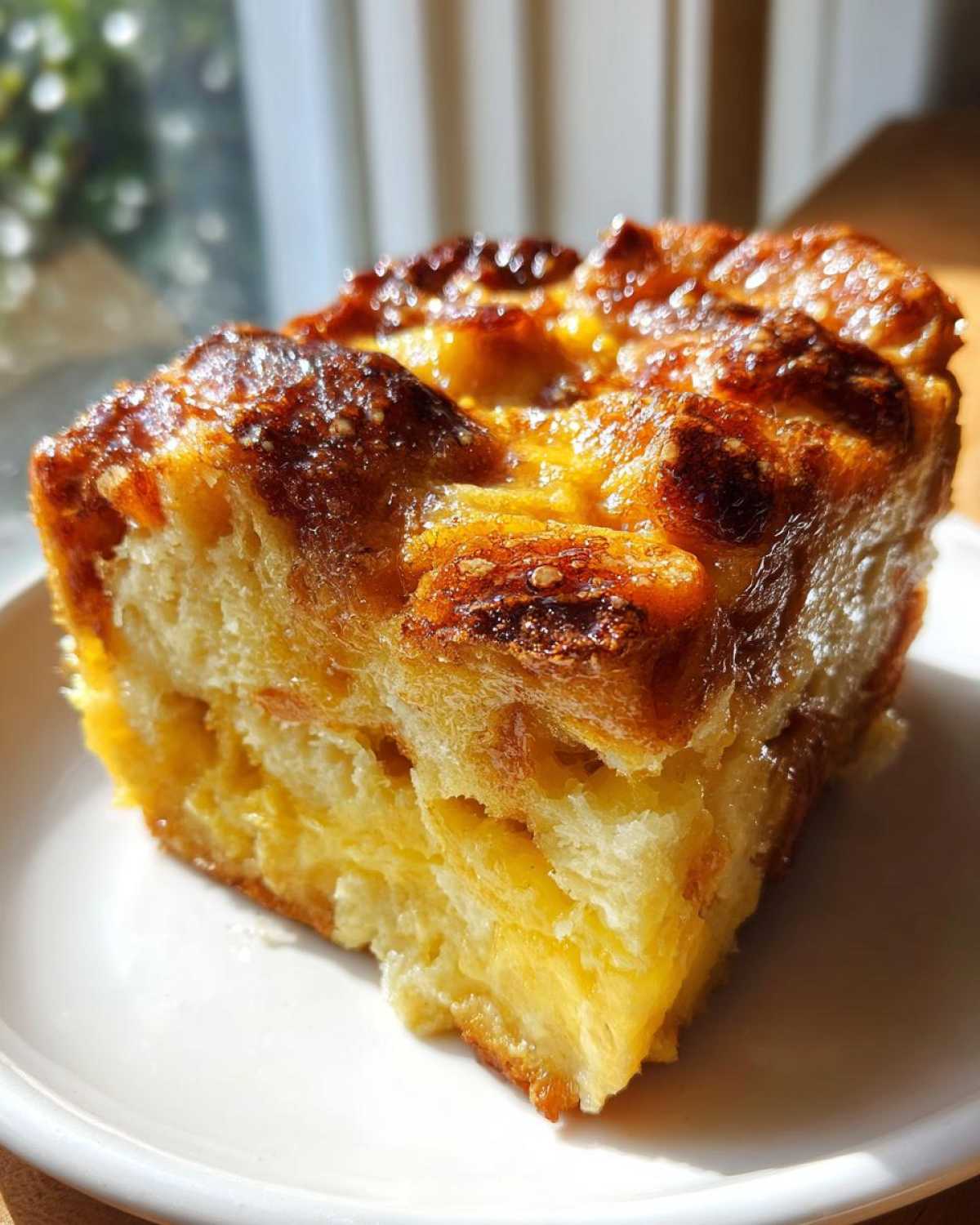
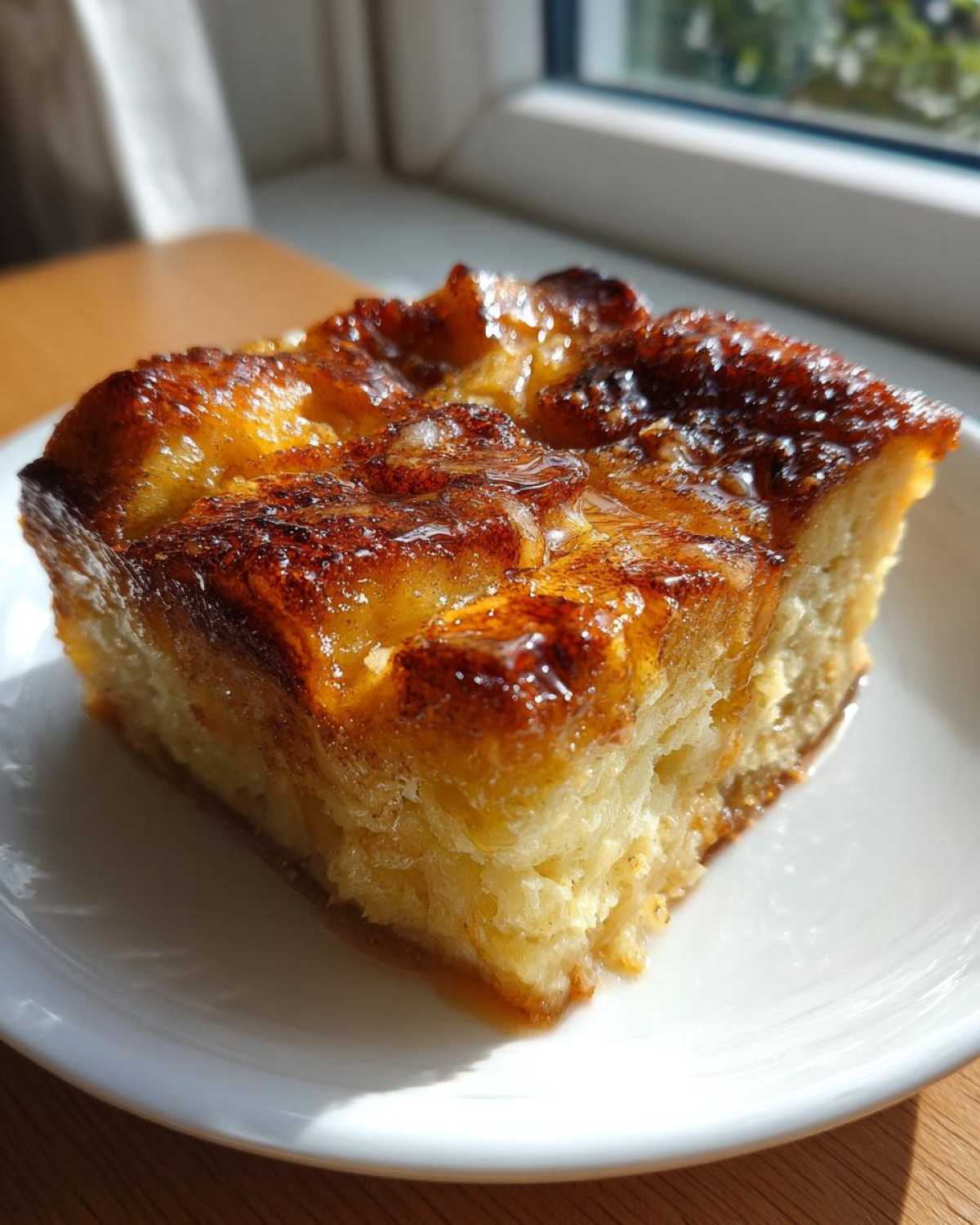
The real trick here is time; you can’t rush perfection. That long soak in the fridge lets the dense bread cube fully absorb all that rich, spiced liquid. By morning, the bread isn’t just wet, it’s transformed into something velvety. This overnight process is what guarantees that amazing, spoonable, Custardy French Toast texture every single time.
Essential Ingredients for Your Overnight French Toast
Okay, let’s talk about what goes into this glorious golden bake. The simplicity of the ingredient list is part of what makes this such a fantastic Make Ahead Breakfast. You probably have most of this stuff in your pantry already!
The most important thing you need to grab is the bread. And listen to me—no floppy white sandwich bread! You absolutely need something sturdy that can handle soaking up all that liquid without turning to mush by morning. I swear by day-old brioche or challah for this job because they have that perfect structure and rich flavor. If you can find that, you’re halfway there.
Here’s exactly what you need for the 8 servings this recipe gives:
- One full loaf (that’s about one pound) of bread that’s a day old. Make sure you cut it into nice, chunky 1-inch cubes—this helps with even soaking!
- Six large eggs—these are the structure builders for our custard base!
- Two cups of milk; I usually use whole milk because why not splurge on breakfast?
- Half a cup of plain granulated sugar for sweetness in the soak.
- One teaspoon of pure vanilla extract. Don’t skimp here; the smell while it bakes is incredible!
- One teaspoon of ground cinnamon and just a tiny dash—a quarter teaspoon—of warm nutmeg. This is our core spice combo!
- A quarter cup of butter that you’ll melt down for the topping later.
- And finally, a quarter cup of packed brown sugar. This mixes with that melted butter to create the crunchy, buttery layer on top. Yum!
When you mix these up, pay close attention to making sure that custard mixture is completely smooth before you pour it over the bread. We want everything married together perfectly before it goes into the fridge!
Expert Tips for Preparing Your Overnight French Toast Casserole
If you want this Prep Ahead Breakfast to truly shine, a couple of little details make all the difference. My biggest piece of advice for this Simple Overnight Recipe is the bread. I learned this the hard way when I tried to make it with fresh bakery bread for a brunch. It turned into total soup—just soggy mush!
So, rule number one: use bread that’s a day old, or even two days old. It needs to be stale enough to soak up that amazing custard without collapsing. Once you pour the liquid over those bread cubes in the pan, you absolutely must use your hands or a spatula to gently press every single piece down. Don’t churn the mixture—just press firmly so all that spiced milk gets into the center cubes.
When it goes into the fridge, cover it tightly. I mean tightly. Use plastic wrap pressed right down onto the surface, then cover the whole dish with foil if you can. This stops the top layer from drying out in the fridge air. That’s it! You’ve just locked in flavor for a perfect stress-free morning.
Step-by-Step Instructions for Perfect Overnight French Toast
Getting this Overnight French Toast Casserole ready is so easy, it practically feels like cheating! First things first: grab your 9×13 baking dish and make sure it’s nicely greased. Then, tumble all those bread cubes—remember, chunky ones!—right into the pan and spread them out in a nice, even layer. Don’t worry if they don’t fit perfectly; they’ll shift around as they soak.
Assembling the Custard Soak and Soaking Process
Next up is the liquid gold! In a separate big bowl, get organized. Whisk those six eggs until they are beautifully frothy. Then, slowly whisk in your milk, the granulated sugar, that vanilla, and all those warm spices—cinnamon and nutmeg. Keep whisking until everything looks totally uniform. Pour this custard magic slowly and evenly right over your bread cubes. Now for the crucial step: use a spatula or your clean hands and gently press down on the bread. You need to make sure every single cube gets a good soak! Once pressed, cover that dish TIGHTLY and stick it in the fridge for at least eight hours. Seriously, overnight is best for this prep ahead meal.
Baking Your Overnight French Toast to Golden Perfection
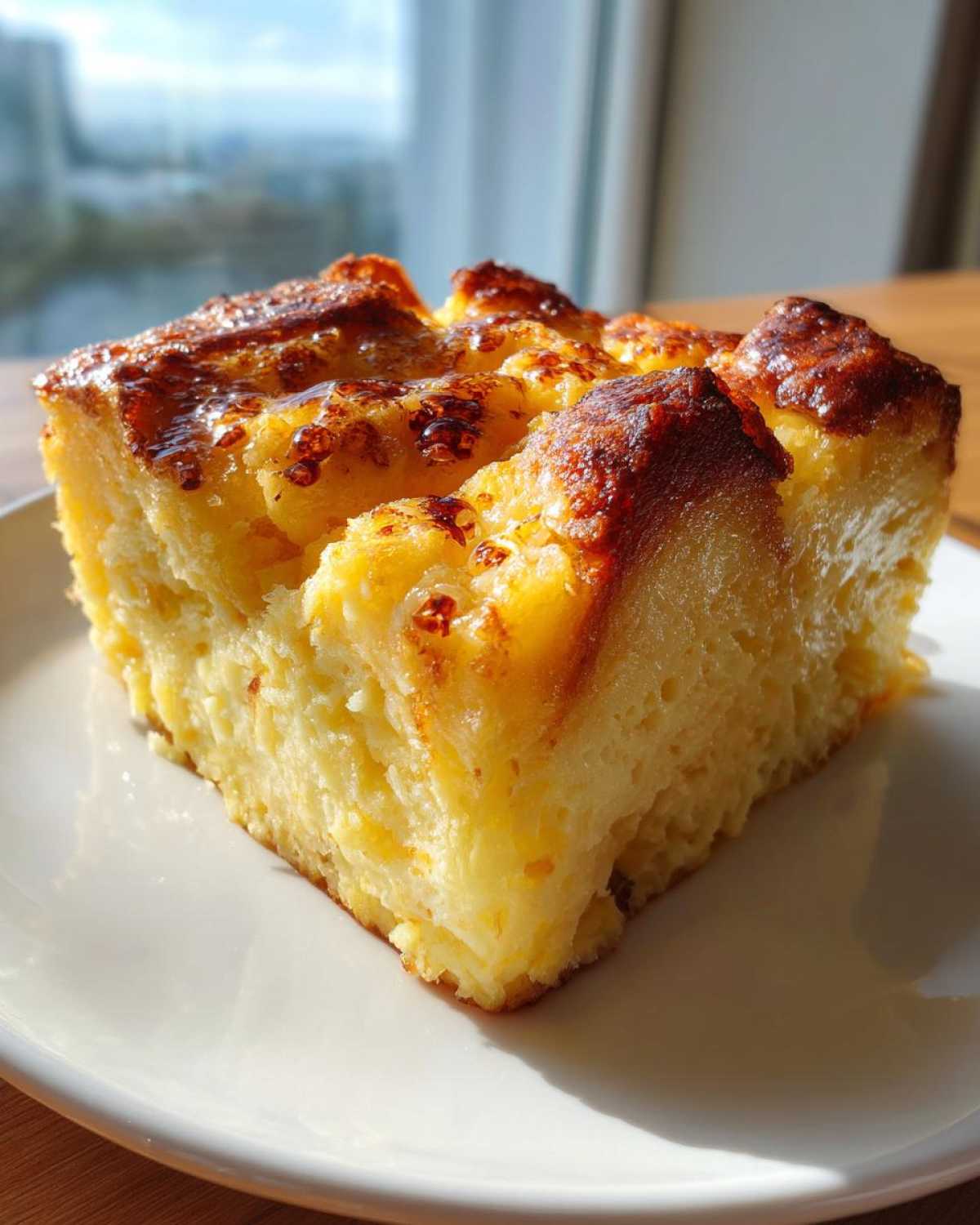
When you wake up, pull that dish out—don’t bake it cold! Preheat your oven to 350 degrees Fahrenheit. While that’s warming up, make the topping. Just mash that melted butter with the brown sugar until it looks a bit crumbly; it happens fast. Sprinkle that buttery, sweet topping evenly over the entire surface of your soaked bread. Now, pop it in the oven! Bake it for about 45 to 55 minutes. You’ll know it’s done when it’s puffed up, golden all over, and if you poke the middle, it feels set. Wait about ten minutes after it comes out before you slice it. This resting time is key for a clean cut!
Making This Overnight French Toast a Crowd Pleasing Breakfast
Once this beauty comes out of the oven, you’ve officially won the morning! It looks so stunning, puffy, and golden brown, making it instantly Crowd Pleasing Breakfast material. You don’t have to do much to dress it up, honestly—a dusting of powdered sugar makes it look extra special, but the real fun comes with the toppings.
If you’re serving this up for a big gathering or hosting an Easy Brunch Recipe, set out little bowls of goodies. Think about warm maple syrup, fresh berries—raspberries and blueberries look so bright against that cinnamon brown top—or maybe a big dollop of freshly whipped cream. It’s such a comforting dish; people always go back for seconds when they see how rich and soft the interior custard is!
Variations on Your Overnight Baked French Toast
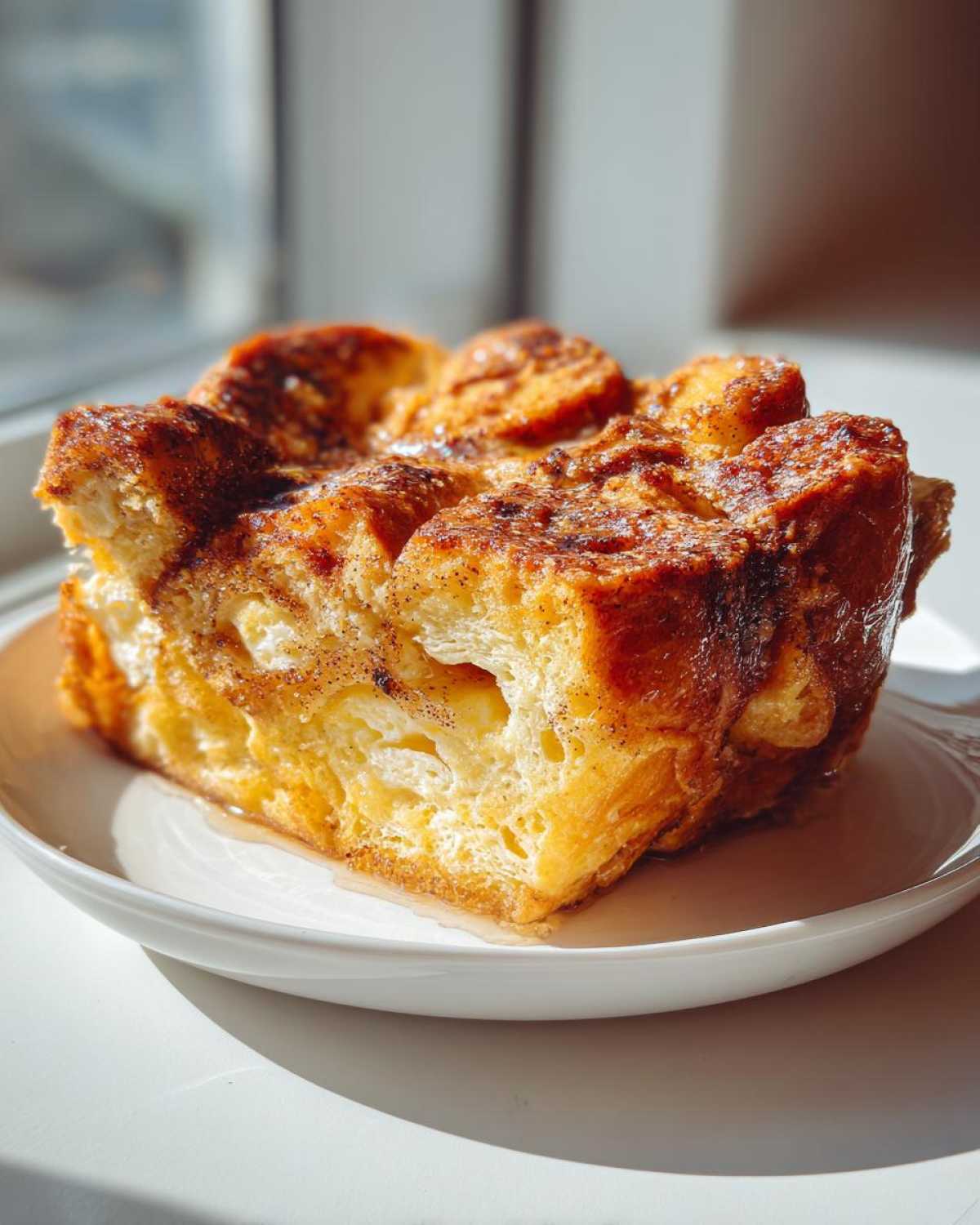
Now that you’ve mastered the classic base recipe, you absolutely have to start experimenting! Because this is such a solid Overnight Sweet Casserole foundation, it handles mix-ins like a dream. This is where you turn a great breakfast into an unforgettable one, moving beyond just the standard Cinnamon Spice Breakfast!
My favorite customization involves adding a creamy layer right into the custard soak. Try mixing four ounces of softened cream cheese with a little extra sugar and vanilla until it’s smooth. Then, drop spoonfuls of that mixture randomly over the bread before pouring the egg soak on top. As it bakes, it melts into little pockets of creaminess—it’s pure magic!
If you want to kick up the coziness factor even more, swap out some of that cinnamon for something warmer. I’ve started adding a half-teaspoon of cardamom to my spice blend, and wow, the aroma is intoxicating! It gives the whole dish a slightly sophisticated, bakery feel, perfect for impressing guests at a Holiday Morning Breakfast.
For a little bit of brightness and chew, fold in some fruit right before you cover it up for the night. Chopped pecans are always a winner, but don’t underestimate what thinly sliced apples (toss them in a little extra cinnamon first!) do for the texture. Just remember, any mix-ins should be folded in gently when you are pressing the bread into the soak—we don’t want to deflate all that potential fluffiness!
Storage and Reheating Instructions for Leftover Overnight French Toast
Okay, one of the best things about making a huge Make Ahead Breakfast is having leftovers! Seriously, who doesn’t love waking up on Sunday and realizing you already have Friday’s dinner waiting for breakfast? Good news: this casserole holds up beautifully, but you have to store it right to keep that lovely custard texture.
Once the French toast has cooled completely after baking—and I mean completely, otherwise you’ll get condensation mush—transfer the leftovers to an airtight container. You can just stack the squares, but I like laying down a piece of parchment paper between layers if I’m stacking them high, just to be sure they don’t stick together stubbornly. In the fridge, leftovers are great for about three, maybe even four days. That makes this perfect for a whole week of easy breakfasts!
Now, reheating is where you need to be smart, depending on how much you’re eating. If you’re just grabbing one or two slices, the microwave is fast. Pop it on a plate and give it 45 seconds to a minute until it’s warm all the way through. The tradeoff? It might lose a tiny bit of that structural integrity and be a little softer than when it was first baked.
For the absolute *best* experience, especially if you are reheating a whole pan or a crowd of leftovers for a second brunch sitting, use the oven! Cover your dish with foil—this keeps it from drying out—and heat it in a 325-degree oven for about 15 to 20 minutes. That gentle heat lets the custard warm up evenly without nuking the edges. If you want to bring back that fresh-from-the-oven crispness, take the foil off for the last five minutes of reheating. It’s worth the extra ten minutes of waiting, trust me!
Frequently Asked Questions About Overnight French Toast
I know you might still have a few niggling questions when planning out your big Weekend Morning Meal. That’s totally normal when you’re trying a new make-ahead recipe! We’ve covered all the tricky spots, but here are a few answers that pop up often regarding your new favorite French Toast Casserole.
Can I use fresh bread instead of day-old bread for this overnight french toast?
Oh, I know life happens and sometimes you only have soft, fresh bread on hand! I really advise against it if you can help it, because fresh bread gets overly saturated and turns into a soggy heap overnight. The structure just can’t handle that long liquid bath. But, if it’s your only option? You can cheat it! Spread your fresh bread cubes out on a baking sheet and toast them in a 300-degree oven for about 10 minutes until they feel slightly dry to the touch. Dry them out just a bit—that gives them the strength they need to absorb the custard without disintegrating!
How far in advance can I prepare this French Toast Casserole?
The magic window for this recipe is, well, overnight! Eight hours is the absolute minimum time needed for the bread to truly become one with the custard. However, you can definitely push it a little further if your timing is tricky. I usually find that 12 to 16 hours is the sweet spot. You can safely prepare the entire thing, cover it tightly, and leave it in the fridge for up to 24 hours. Any longer than that, and the bread starts to break down too much, and you risk losing that beautiful rise when you bake it. Just aim for that sweet spot between 8 and 24 hours for the fluffiest results!
Estimated Nutritional Data for This Overnight Baked Goods
I always feel a little guilty looking at the nutrition facts for something this delicious, but I promised myself I’d be totally transparent about what goes into this amazing Overnight Baked Goods!
Keep in mind that these numbers are just my best estimate based on the standard ingredients list—using whole milk instead of skim, for example, will shift things around. This is designed to give you a general idea, not exact dietary counseling, so take it with a grain of salt!
This breakdown is based on the recipe yielding 8 generous servings, so keep that serving size in mind when you’re portioning it out:
- Serving Size: 1 slice
- Calories: 300
- Sugar: 20 grams
- Sodium: 350 mg
- Fat: 14 grams total
- Saturated Fat: 8 grams
- Unsaturated Fat: 6 grams
- Trans Fat: 0 grams
- Carbohydrates: 35 grams
- Fiber: 1 gram
- Protein: 12 grams
- Cholesterol: 150 mg
It’s definitely a treat, packed with that wonderful energy you need for a big Weekend Morning Meal! But honestly, compared to what you’d pay for a restaurant brunch version of this French Toast Casserole, I think these numbers are totally worth it for the sheer joy of waking up to a ready-made breakfast!
PrintOvernight French Toast Casserole

Prepare this baked French toast casserole the night before for a simple, custardy breakfast or brunch the next morning.
- Prep Time: 15 min
- Cook Time: 50 min
- Total Time: 65 min
- Yield: 8 servings
- Category: Breakfast
- Method: Baking
- Cuisine: American
- Diet: Vegetarian
Ingredients
- 1 loaf (1 pound) day-old bread, cut into 1-inch cubes
- 6 large eggs
- 2 cups milk
- 1/2 cup granulated sugar
- 1 teaspoon vanilla extract
- 1 teaspoon ground cinnamon
- 1/4 teaspoon ground nutmeg
- 1/4 cup butter, melted
- 1/4 cup brown sugar, packed
Instructions
- Grease a 9×13 inch baking dish. Arrange the bread cubes evenly in the prepared dish.
- In a large bowl, whisk together the eggs, milk, granulated sugar, vanilla extract, cinnamon, and nutmeg until well combined.
- Pour the egg mixture evenly over the bread cubes. Gently press the bread down to soak up the liquid.
- Cover the dish tightly with plastic wrap and refrigerate for at least 8 hours, or preferably overnight.
- When ready to bake, preheat your oven to 350 degrees Fahrenheit (175 degrees Celsius). Remove the plastic wrap.
- In a small bowl, mix the melted butter and brown sugar until crumbly. Sprinkle this mixture evenly over the top of the soaked bread.
- Bake for 45 to 55 minutes, or until the casserole is puffed, golden brown, and the center is set.
- Let the casserole rest for 10 minutes before slicing and serving.
Notes
- Use slightly stale or day-old bread like challah, brioche, or French bread for the best texture.
- If you prefer a thinner topping, you can skip the butter/brown sugar mixture and simply dust the top with powdered sugar after baking.
- This casserole reheats well in the microwave or oven the next day.
Nutrition
- Serving Size: 1 slice
- Calories: 300
- Sugar: 20
- Sodium: 350
- Fat: 14
- Saturated Fat: 8
- Unsaturated Fat: 6
- Trans Fat: 0
- Carbohydrates: 35
- Fiber: 1
- Protein: 12
- Cholesterol: 150
