

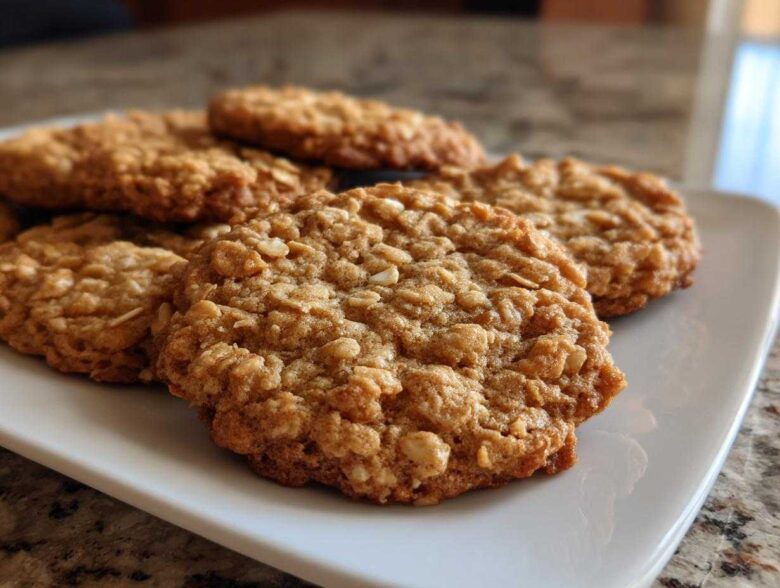
Forget those dry, crumbly hockey pucks you sometimes find! I’m here to tell you that the hunt for the perfect cookie is over. When people talk about comfort food baking, they are dreaming of these thick and chewy brown sugar oatmeal cookies. Seriously, I have spent years perfecting this batch of oatmeal cookies because they have to be soft in the middle but have those slightly crisp, buttery edges. This recipe isn’t just good; it’s the one my family fights over—it’s absolutely the best cookie recipe ever. For a look at another great, no-fuss texture, check out my guide on the best soft and chewy oatmeal cookie recipe. Get ready for your new favorite go-to recipe for that hearty, satisfying bite.
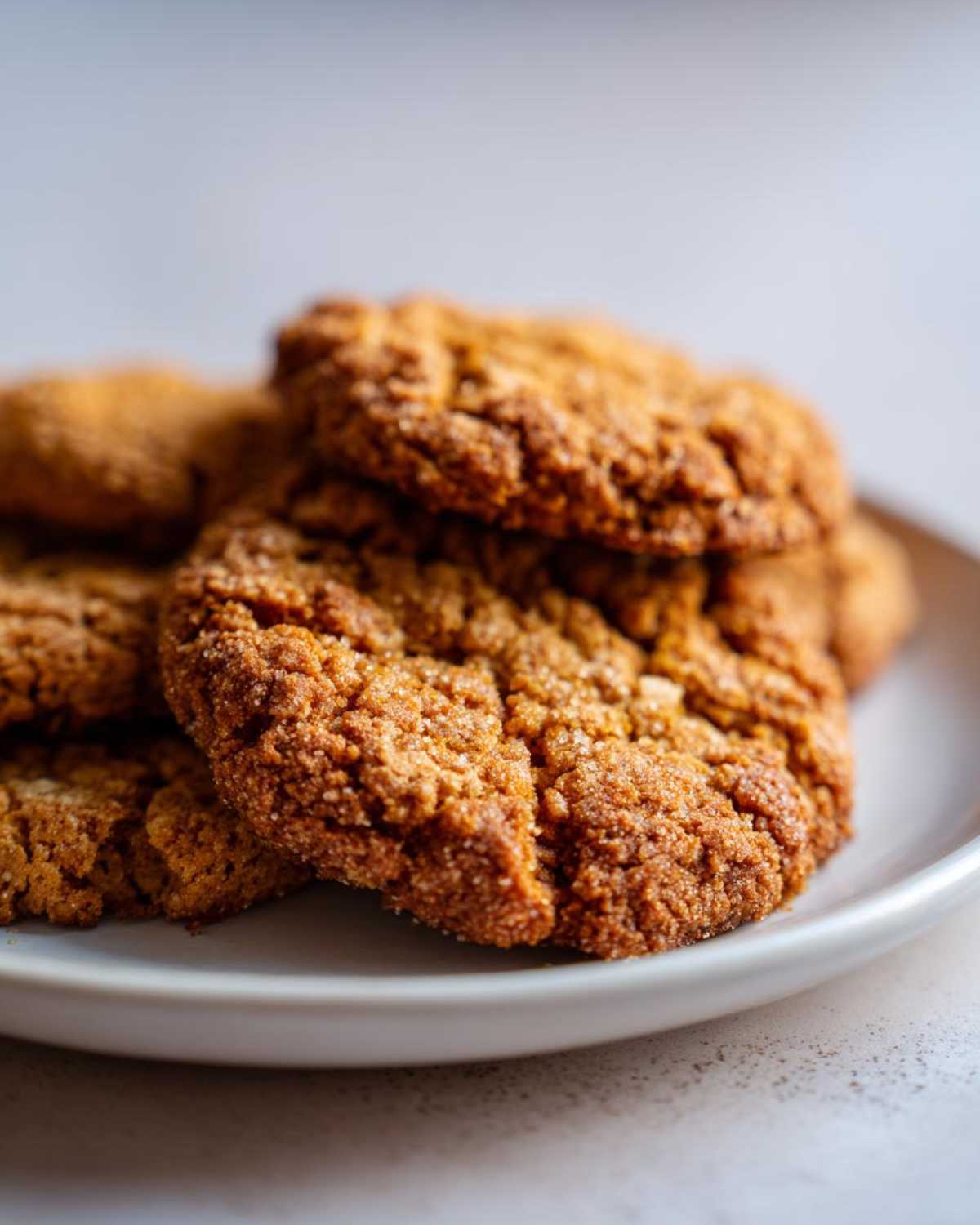
Why This is the Best Oatmeal Cookie Recipe for Chewy Results
Honestly, a lot of recipes promise chewy, but they really deliver crunchy! The secret sauce in this batch—the reason I call it the best oatmeal cookie recipe—is all about hitting that sweet spot between moisture and structure. We aren’t just throwing oats in a standard cookie dough; we are building these to be perfectly thick and chewy cookies.
It comes down to a couple of non-negotiables in how we treat our main ingredients. If you nail these two parts, you’ll never go back to those thin, crispy failures, trust me.
The Power of Brown Sugar Oatmeal Cookies
First up: that brown sugar! White sugar just doesn’t cut it here because that molasses folded into brown sugar is key. It’s a little bit acidic, sure, but that acidity works with the baking soda to give us a little lift without becoming cakey. More importantly, brown sugar holds onto moisture like a sponge, which is exactly what we need in our brown sugar oatmeal cookies to keep them soft for days. That deep, almost caramel flavor it adds is just unbeatable.
Achieving Soft Baked Oatmeal Cookies Texture
The butter needs to be softened, guys, not melted! When you cream softened butter with the sugars, you’re whipping air into the dough. Those tiny air pockets are what give us that gorgeous lift and create the perfect environment for those soft baked oatmeal cookies. If you use melted butter, you lose all that air, and you end up with dense, greasy snaps.
Also, pay close attention to the note about chilling! If you can manage a 30-minute chill, the dough won’t spread as much in the oven, keeping those cookies thick. It’s worth the wait, I promise. If you want to learn about improving the texture in another favorite, take a peek at how I handle brown butter bakery chocolate chip cookies; the technique is surprisingly similar!
Gathering Ingredients for Classic Oatmeal Cookies
Okay, let’s get honest—these are technically classic oatmeal cookies, but they are so much more exciting than the plain ones from childhood. Since texture is everything here, we need to make sure we have the right stuff on hand before we even think about turning on the mixer. Trust me, using the right oats makes a monumental difference!
Here is exactly what you need standing by, measured precisely. Read this list twice before you start mixing the wet ingredients. We don’t want any last-minute searches for salt or baking soda!
- 1 cup (2 sticks) unsalted butter, softened just right—soft enough to leave an indent, but not melty!
- 1 cup packed light brown sugar (packed in tight!)
- 1/2 cup granulated sugar
- 2 large eggs
- 1 teaspoon vanilla extract
- 1 1/2 cups all-purpose flour
- 1 teaspoon baking soda
- 1/2 teaspoon salt
- 3 cups old-fashioned rolled oats (This is the crucial one—no instant oats!)
- 1 teaspoon ground cinnamon
Make sure that brown sugar is truly packed into that 1 cup measure. If you skimp on the brown sugar, you shortchange the whole chewy experience. That’s the main backbone of these hearty cookies!
Simple Oatmeal Cookie Recipe: Step-by-Step Instructions
You’re going to love how fast these come together. Honestly, this is one of those simple oatmeal cookie recipe approaches that feels incredibly satisfying because the payoff is so huge for the effort put in. We start with the basics: get your oven hot and ready to bake some magic! Remember, preheating is non-negotiable for consistent baking.
- First things first: Preheat your oven to 350 degrees Fahrenheit. I always line my baking sheets with parchment paper; it keeps cleanup manageable and guarantees zero sticking.
- Now for the creaming part—this is where we build the structure! In a large bowl, take that softened butter and beat it hard with both the brown sugar and the white sugar until the mixture looks visibly paler, almost fluffy. This takes a minute to do right!
- Next, beat in those two eggs, one at a time, making sure each one is fully incorporated before adding the next. Swirl in the vanilla extract.
- Grab a separate bowl and quickly whisk together the flour, baking soda, salt, and cinnamon. We do this separate step so the leaveners are evenly distributed throughout the flour.
- Turn your mixer down to low speed (we don’t want to make these tough!) and gradually add those dry ingredients into the wet mix. Stop mixing as soon as you see the flour streaks disappear. Don’t overmix this part—it activates the gluten too much!
- Now, it’s time for the star ingredient! Stir in the 3 cups of rolled oats completely by hand using a sturdy spoon or spatula.
- Drop rounded tablespoons of dough onto those prepared baking sheets. Make sure you space them about 2 inches apart; these guys spread a little bit while baking because they are so deliciously buttery. For the thickest possible cookie, just press the tops down slightly with your fingers.
- Bake them for 10 to 12 minutes. You are looking for the edges to be set and just starting to look light golden brown. The centers should still look a little soft or undone when you pull them out—that’s how you guarantee moisture!
- Let the cookies cool right there on the hot baking sheet for about 5 minutes. This rest period lets them firm up just enough so they don’t fall apart when you move them to a wire rack to cool completely.
Mixing the Wet and Dry Components of Your Oatmeal Cookies
When you cream that butter and sugar, you are creating thousands of tiny air pockets. Think of it like aerating a fine wine, but for cookies! You need that nice, pale color to know you’ve done the job properly before the eggs go in. Adding the dry ingredients slowly is equally important. If you dump all the flour mix in at once, it can deflate the air you worked so hard to incorporate.
The absolute last thing you want to do is be aggressive when adding the oats. Stir them in gently! If you beat those oats with the mixer, you crush them up. Crushed oats release too much starch and create a dense, almost gluey final product instead of that lovely, hearty texture we are aiming for!
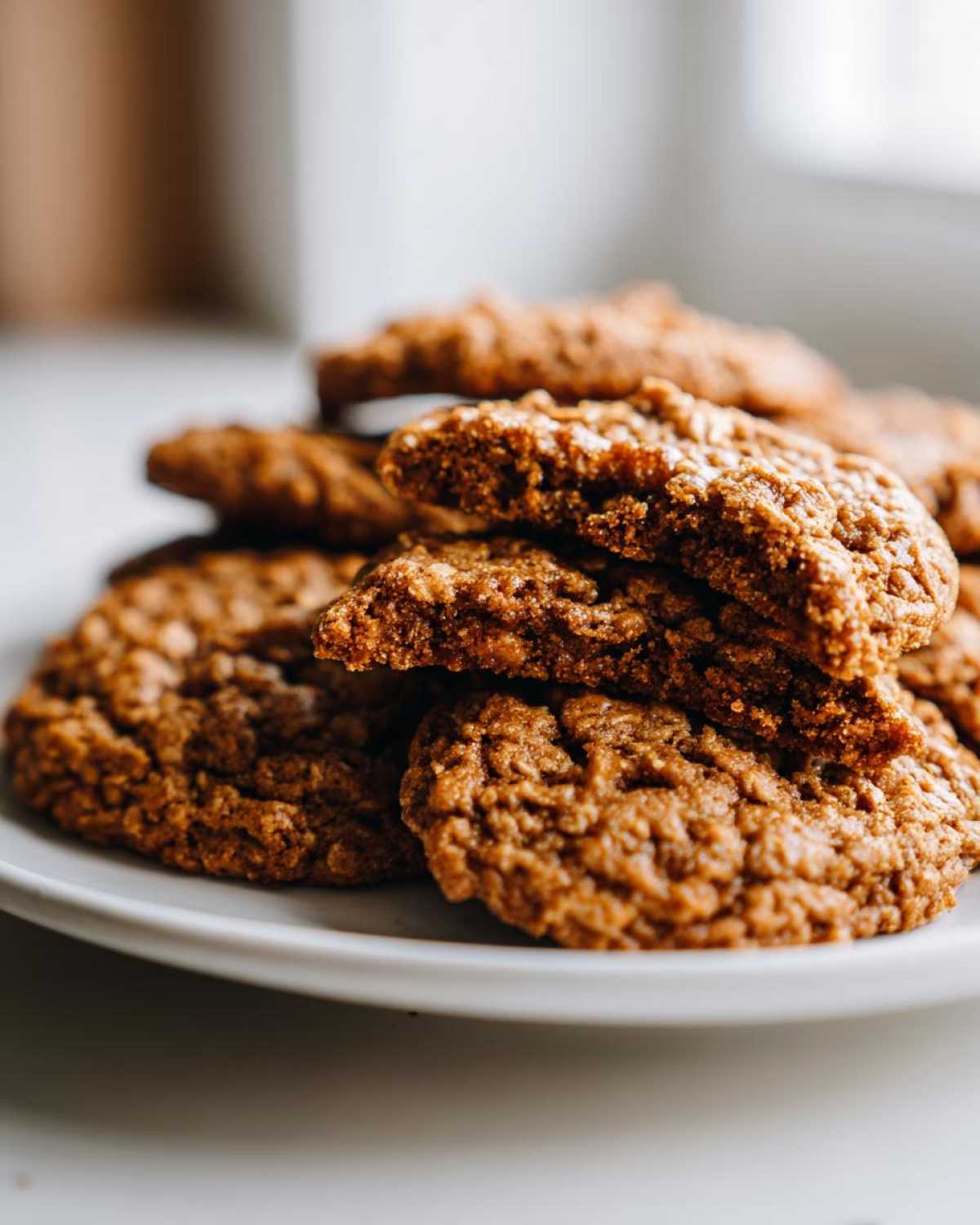
Baking and Cooling Your Thick and Chewy Oatmeal Cookies
Trust your eyes over the timer sometimes. If your oven runs hot, you might hit that 10-minute mark and they look ready. The key indicator for these easy homemade oatmeal cookies is that the edges are firm but the middle still looks slightly underdone and matte—that’s the gooey center waiting to happen!
Don’t be tempted to move them immediately! That 5-minute resting period on the hot pan is crucial for setting the base structure. If you try to lift them off too soon, they’ll flop right over. Once they are firm enough to glide a spatula beneath them easily, transfer them over to a cooling rack so the bottoms don’t steam and get soggy. That’s how you keep these perfect oatmeal cookies chewy!
If you’re looking for other quick-fix recipes that don’t require too much fuss, you might want to check out how I whip up easy homemade mayonnaise; it proves that simple ingredients can yield amazing results!
Tips for Perfect Old Fashioned Oatmeal Cookies Every Time
Even though this recipe feels totally straightforward, there are three little secrets that turn these into truly perfect old fashioned oatmeal cookies. If you follow these closely, you’ll get that amazing thick result every single time you bake these oatmeal cookies.
First, let’s focus on that dough chilling. This isn’t optional if you want thickness! Chilling solidifies the butter and sugar mixture. When the frozen butter hits the 350-degree heat, it melts slower, so the cookie spreads less before the flour has a chance to set up structure. That’s how we keep them tall!
Second, let’s talk about incorporating mix-ins, like raisins if you choose that route. Our recipe notes mention swapping some oats for raisins. If you do that, make sure whatever you add is room temperature or dry. If you toss in cold, wet fruit, it’s going to make the surrounding dough soggy!
My biggest personal tip for making sure these aren’t flat—beyond the chilling—is how I measure my oats. Don’t scoop the measuring cup directly into the oat container! You end up compacting those dry flakes, and that’s like adding extra flour, which leads to less chewy cookies. Instead, use a spoon to lightly transfer the oats into your measuring cup, and then level off the top with a knife. Keeping that oat ratio accurate stops your oatmeal cookies from turning into hard disks.
Finally, remember that the recipe calls for old-fashioned rolled oats for a reason. If you use instant oats, they dissolve way too quickly, and frankly, it ruins that hearty texture we crave. Stick to the rolled type and you’ll be amazed at the results from this tried-and-true method. For more insight into how ingredient temperature affects final texture in other bakes, you should see my notes on brown butter bakery chocolate chip cookies!
Variations on Classic Oatmeal Cookies
The beauty of this dough is that it’s the perfect, sturdy base for almost any mix-in you can imagine. We developed this as a flawless recipe for classic oatmeal cookies, but why stop there when you have such a great foundation? You can easily spin this into a few other fan favorites without changing the core baking science one bit!
The rule of thumb I always follow is to treat the oats as your main “bulk” ingredient, and then fold in any extras right at the very end. This ensures everything is evenly distributed and you don’t crush the structure of the dough by overmixing with heavier items.
If you’re interested in something a bit more fruity, I have a wonderful recipe for chewy cranberry oatmeal cookies you should look up later! But first, let’s stick to the classics you might already have ingredients for.
Making Brown Sugar Oatmeal Cookies with Add-Ins
The recipe notes included a little cheat sheet for turning these into the legendary oatmeal raisin cookies you might remember from school lunches. If you want to swap out some of the oats for raisins, just take one cup of oats out and fold in one cup of plump raisins once everything else is combined. Make sure the raisins are nice and soft before they go in!
But me? I usually prefer chocolate chips. My kids demand them! If you want to switch to oatmeal chocolate chip cookies, swap out one cup of the oats for about one cup of your favorite semi-sweet or milk chocolate chips. Just like with raisins, you stir these in right at the end, after the oats are incorporated but before you scoop the dough.
One thing to watch for: if you add something heavy like large chunks of peanut butter swirls or big dried fruits, the dough might feel a little wetter. If that happens, don’t sweat it, but definitely pop that dough into the fridge for an extra 15 or 20 minutes. That extra chill time is crucial when you’re loading up the batter; it keeps those heavy add-ins from making your beautiful, thick oatmeal cookies turn flat on the pan!
Storage and Reheating for Your Homemade Oatmeal Cookies
The best part about these oatmeal cookies? They stay chewy for days! Unlike some crispy cookies that go stale overnight, these sturdy beauties hang onto their moisture thanks to all that brown sugar and butter we packed in there. Honestly, they taste even better on day two once all those cinnamon and vanilla flavors have really settled into those oats.
The main goal when storing is keeping the air out. Get yourself a good, dedicated cookie tin or a sturdy airtight container. Lay a few paper towels on the bottom if you want to wick up any stray condensation, but otherwise, just layer them gently. Keep the container on the counter. They don’t need the fridge, and cold temperatures actually make cookies go stale faster than room temperature, believe it or not!
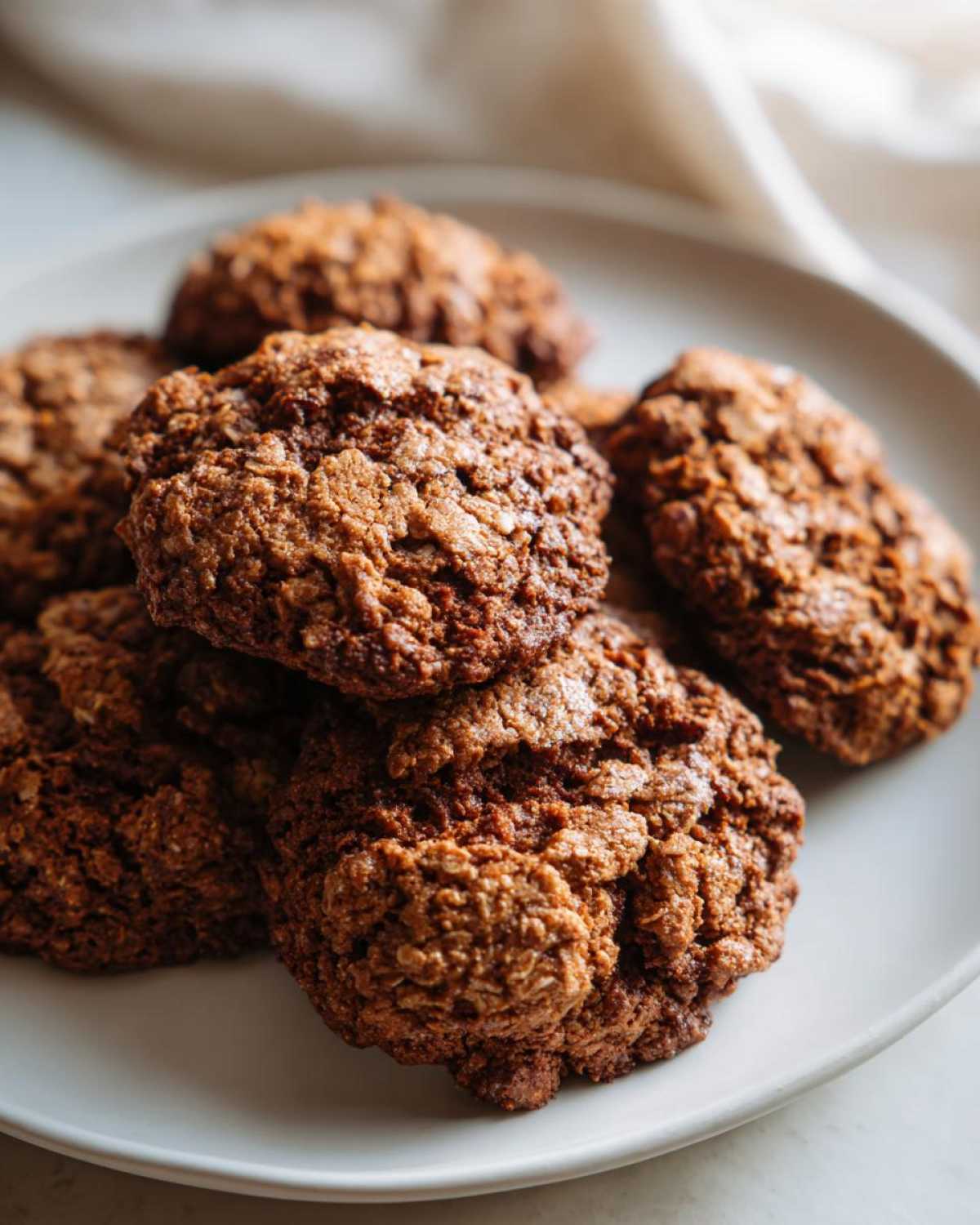
Now, let’s talk about recovery. Sometimes, after 3 or 4 days, even the best chewy oatmeal cookies can start to feel a little firm when you bite into them. Don’t throw them out! This is my favorite little trick for bringing them back to life instantly.
Take your slightly firm cookie and put it on a small plate. Pop it in the microwave for just 8 to 10 seconds—no longer! If you microwave them too long, they turn rock hard. But 10 seconds is often enough to warm that butter and sugar just enough to make the inside gooey and soft again. It’s like getting a fresh-from-the-oven cookie without firing up the whole oven! Serve that warm cookie immediately with a cold glass of milk—that pairing is non-negotiable in my house!
Pairing Suggestions for These Chewy Oatmeal Cookies
When you’ve made a batch of perfect, warm, chewy oatmeal cookies, you can’t just eat them standing over the sink like a goblin, right? Well, maybe sometimes, but ideally, you want to treat them right! These cookies have such a hearty, spiced flavor profile from all that brown sugar and cinnamon, they demand a companion drink that can stand up to them.
Seriously, the right drink transforms that cookie from a tasty snack into a full-blown, cozy moment. We are aiming for classic milk and cookie pairings here, but I’ve branched out a little over the years for when I need an afternoon boost!
My absolute first choice, especially when the cookies have just come out of the oven and are still warm, is an ice-cold glass of whole milk. The coldness of the milk cuts right through the richness of the butter and sugar, and it’s just pure nostalgic comfort. Don’t knock the basics!
For mornings—or when you’re pulling these out for a hearty breakfast treat—a strong cup of coffee is an absolute winner. Since these cookies have those wonderful molasses undertones thanks to the brown sugar, they pair beautifully with a deep, slightly bitter roast. If you want to skip the coffee and go straight for energy, I have a truly stellar recipe for a coffee smoothie that fills that morning craving perfectly!
And finally, if you’re serving these in the afternoon like a proper civilized person, a cup of black tea or even a spiced chai latte is wonderful. The warmth of the tea complements the cinnamon in the cookie without overpowering that lovely oat texture. Regardless of what you pair them with, these oatmeal cookies deserve to be savored!
Frequently Asked Questions About Oatmeal Cookies
I know you might have a few lingering questions popping up, especially if you’re new to baking truly superior oatmeal cookies. It’s all about these little details that separate a good cookie from a truly great one. Don’t worry about feeling like you’re asking silly questions—I used to wonder about all of this too!
We talked about chilling the dough for thickness, but there are a few other common issues people run into when trying to nail that perfect thick and chewy cookies texture. Let’s clear up the biggest ones right now so your next batch is perfect!
Can I use quick oats instead of old-fashioned oats in this oatmeal cookies recipe?
Oh, I get asked this a lot! My answer is: You *can*, but I strongly, firmly advise against it if you want the recipe to turn out like mine. Quick oats, sometimes called instant oats, have been processed differently. They are thinner and already partially broken down, which means they suck up all the moisture in the dough way too fast while they bake.
If you use quick oats in this recipe, your oatmeal cookies will end up tasting more cakey or even sandy, and definitely not chewy! The whole point of using the heartier, old fashioned oatmeal cookies structure is the great bite you get, and the rolled oats provide that structure. Stick to old-fashioned, trust me on this one!
How long do I need to chill the dough for the chewiest oatmeal cookies?
If you’re in a massive hurry and just need a cookie *right now*, the minimum chill time I recommend is 30 minutes. That’s enough time for the butter to firm up just a bit so the cookies don’t spread into thin pancakes on your baking sheet—giving you those beautifully thick chewy oatmeal cookies.
But if you have the patience of a saint—and I think you do, because you’re taking the time to read all this—I highly suggest chilling the dough for at least 2 hours, or even up to 24 hours in the fridge. Why? Chilling that long allows the oats to fully hydrate, absorbing more of that brown sugar and vanilla flavor. The time actually deepens the flavor profile, making these the absolute most flavorful oatmeal cookies you’ve ever made. It’s worth the wait, I promise!
Nutritional Snapshot of Your Brown Sugar Oatmeal Cookies
Now, I know we aren’t exactly baking these beauties for their health benefits, right? They are pure, hearty comfort food! But since you asked, I went ahead and pulled the standard nutritional estimates for one of these generously sized, thick and chewy cookies, based on the ingredients we used.
Keep in mind that these numbers are estimates, and the final count really depends on how generous you are with scooping the dough and the exact brands of butter or sugar you use. If you start adding cups of chocolate chips or tons of raisins, those numbers are definitely going to shift!
It’s good to know what you’re working with, especially since they make such great hearty breakfast cookies when paired with fruit or yogurt. If you’re looking for other baked goods that sneak in some more nutrition, you absolutely must try my banana oatmeal muffins recipe soon!
Here is the breakdown per cookie, based on a yield of 2 dozen:
- Serving Size: 1 cookie
- Calories: 180
- Sugar: 12g (That’s where the chewiness comes from!)
- Fat: 9g (Hello, butter!)
- Saturated Fat: 5g
- Carbohydrates: 24g
- Protein: 3g
- Sodium: 110mg
They come out surprisingly balanced for such a decadent-tasting treat, mostly because those oats pack in a decent amount of fiber! Enjoy them guilt-free, treating them as the wonderful, satisfying comfort food baking staple that they are!
PrintThick and Chewy Brown Sugar Oatmeal Cookies
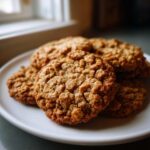
Make classic, soft, and chewy oatmeal cookies using brown sugar for deep flavor. This is a simple recipe for homemade comfort baking.
- Prep Time: 15 min
- Cook Time: 12 min
- Total Time: 27 min
- Yield: About 2 dozen cookies
- Category: Dessert
- Method: Baking
- Cuisine: American
- Diet: Vegetarian
Ingredients
- 1 cup (2 sticks) unsalted butter, softened
- 1 cup packed light brown sugar
- 1/2 cup granulated sugar
- 2 large eggs
- 1 teaspoon vanilla extract
- 1 1/2 cups all-purpose flour
- 1 teaspoon baking soda
- 1/2 teaspoon salt
- 3 cups old-fashioned rolled oats
- 1 teaspoon ground cinnamon
Instructions
- Preheat your oven to 350 degrees Fahrenheit. Line baking sheets with parchment paper.
- In a large bowl, cream together the softened butter, brown sugar, and granulated sugar until light and fluffy.
- Beat in the eggs one at a time, then mix in the vanilla extract.
- In a separate medium bowl, whisk together the flour, baking soda, salt, and cinnamon.
- Gradually add the dry ingredients to the wet ingredients, mixing on low speed until just combined. Do not overmix.
- Stir in the rolled oats by hand until evenly distributed throughout the dough.
- Drop rounded tablespoons of dough onto the prepared baking sheets, spacing them about 2 inches apart. For thicker cookies, press the dough down slightly.
- Bake for 10 to 12 minutes, or until the edges are set and lightly golden brown. The centers should still look slightly soft.
- Let the cookies cool on the baking sheet for 5 minutes before transferring them to a wire rack to cool completely.
Notes
- For extra chewy cookies, chill the dough for at least 30 minutes before baking.
- If you prefer oatmeal raisin cookies, replace 1 cup of the oats with 1 cup of raisins after mixing the dough.
- Use old-fashioned rolled oats, not instant oats, for the best texture.
Nutrition
- Serving Size: 1 cookie
- Calories: 180
- Sugar: 12g
- Sodium: 110mg
- Fat: 9g
- Saturated Fat: 5g
- Unsaturated Fat: 4g
- Trans Fat: 0g
- Carbohydrates: 24g
- Fiber: 2g
- Protein: 3g
- Cholesterol: 25mg
