

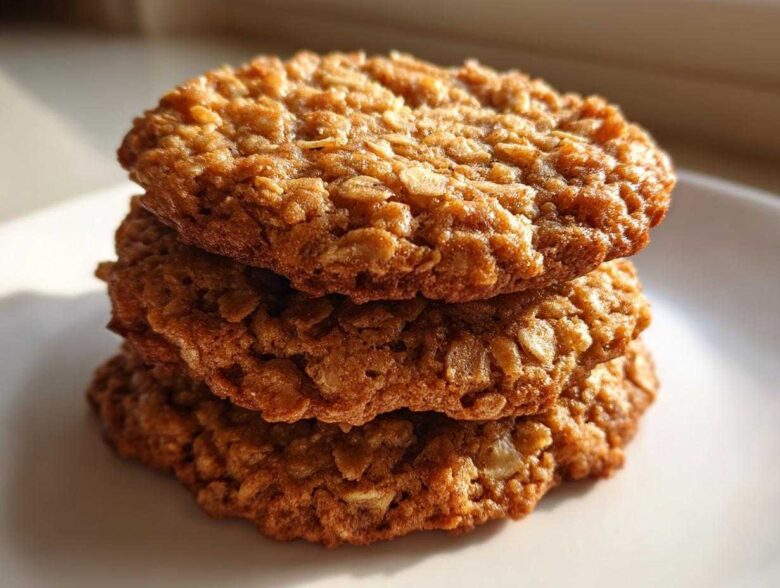
When I think about comfort food baking, my mind immediately goes to something warm, something deeply familiar, and something that smells like happy afternoons. For me, nothing beats a perfectly baked cookie, and that’s why I’m so excited to share my absolute favorite creation: the best soft and chewy one-bowl oatmeal cookie recipe you’ll ever try. Forget drying out your oats; these homemade oatmeal cookies from scratch are tender through and through. This recipe is sacred in our kitchen at Savory Skies because it’s quick enough for a weeknight whim but good enough for any holiday table. Seriously, mastering this classic oatmeal cookie recipe was a huge win back when I was just starting out!
Why This is the Best Chewy Oatmeal Cookie Recipe (E-E-A-T Focused)
I know everyone claims their recipe is the best, but I really mean it here. When Amara and I started testing comfort food baking ideas, we went through literally dozens of batches trying to nail this texture. We weren’t happy until we managed to create the perfect scenario: crispy on the edge, pure chewiness in the middle, and zero crumbling mess. That’s what this specific oatmeal cookie formula does. We ditched the spices that other recipes rely on—no cinnamon here! We focused purely on the interaction between fat, sugar, and the oats themselves to build flavor and structure.
It took me weeks of tweaking the butter-to-sugar ratios, tasting batch after batch, to settle on this exact measurement. That level of patient testing, which Chef Tariq always insisted on, is why this recipe works so well from scratch.
Achieving the Perfect Soft Baked Oatmeal Cookies Texture
The real secret weapon for that irresistible chew is the brown sugar. That molasses content isn’t just for flavor; it keeps the cookie moist and soft way longer than plain white sugar could ever manage. Seriously, don’t even think about swapping that amount out!
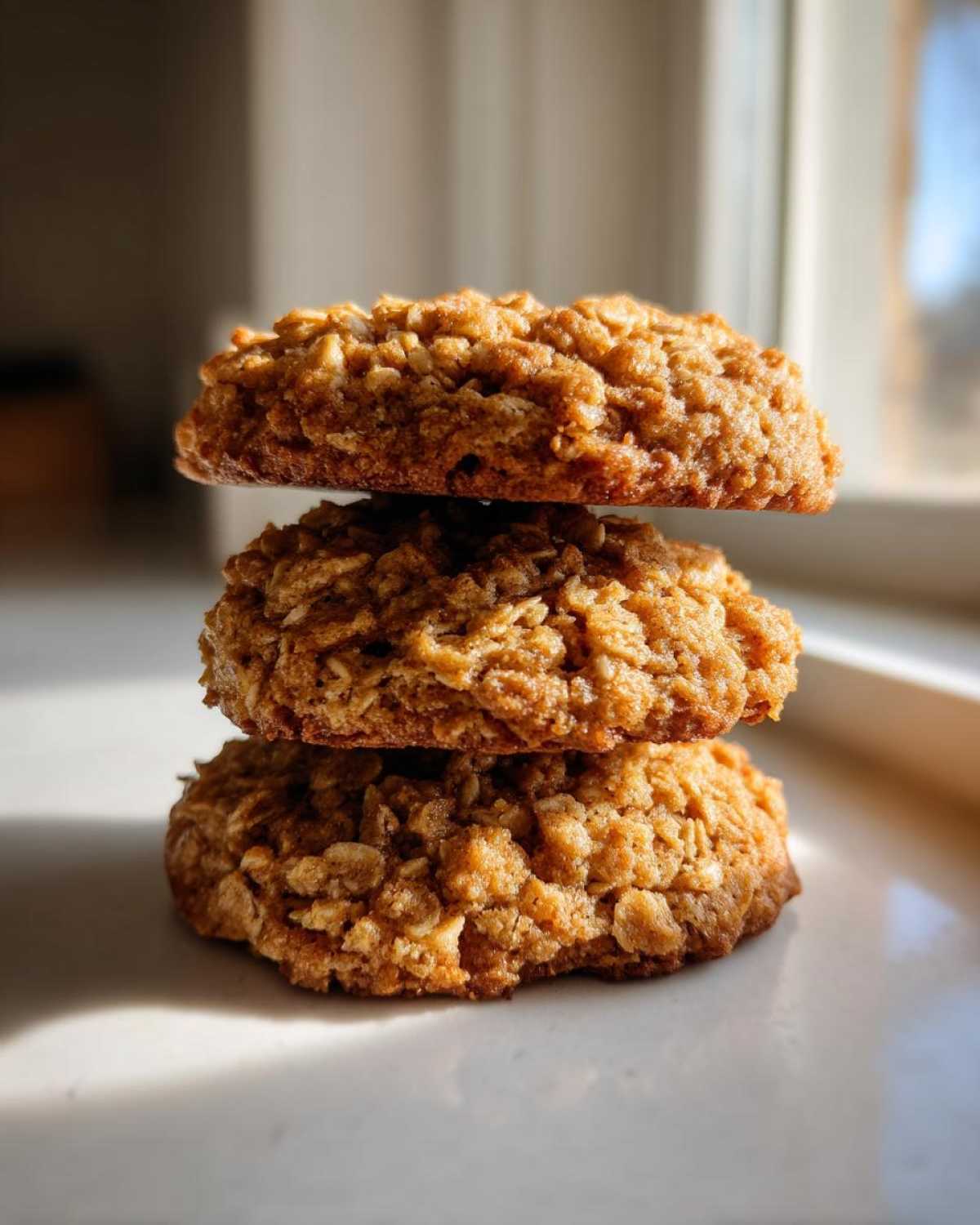
For truly soft baked oatmeal cookies, you must pull them right when the edges look set but the center still looks slightly underdone. They keep cooking on that hot pan for a few minutes after you pull them out. Trust me on this one; overbaking is the fastest way to dry out your perfect cookie!
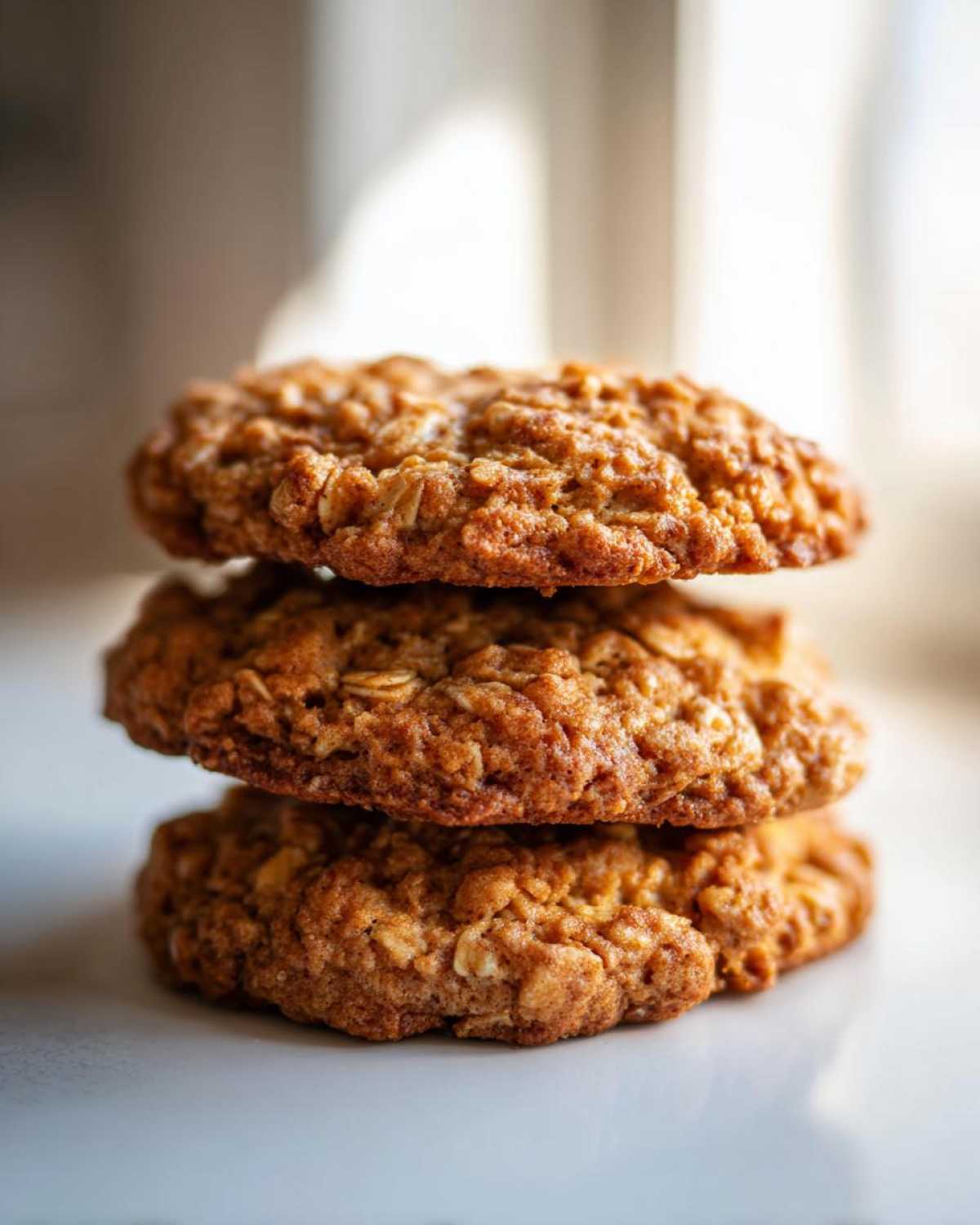
Gathering Ingredients for Your Homemade Oatmeal Cookies From Scratch
Okay, so this is my favorite part because this whole recipe is so straightforward. Because we are keeping this to one bowl, we aren’t juggling twenty different small bowls of flour or spices. That’s part of what makes this one of the best quick and easy cookie recipes out there! We are going to need standard pantry stuff, but a few details on the oats and sugars make a huge difference.
Before you start creaming anything, make sure your butter is perfectly softened—not melted, just soft enough to give when you press it gently. Also, grab your parchment paper! If you need a refresher on how I make my homemade mayo (hint: it uses softened butter!), you know I love my ingredients at the right temperature. Here’s what you need for about two dozen glorious oatmeal cookies:
- 1 cup (2 sticks) unsalted butter, softened
- 1 cup packed light brown sugar
- 1/2 cup granulated sugar
- 2 large eggs
- 1 teaspoon vanilla extract
- 1 1/2 cups all-purpose flour
- 1 teaspoon baking soda
- 1/2 teaspoon salt
- 3 cups old-fashioned rolled oats
- 1 cup mix-ins (optional: chocolate chips or raisins)
Step-by-Step Guide to Making Easy One Bowl Oatmeal Cookies
Ready to roll? Since this is our easy one bowl oatmeal cookies method, things move fast once you get started! Remember to get your oven preheated to 350°F (175°C) and line those baking sheets with parchment paper *before* you touch the mixer. Nothing ruins my mood faster than realizing I haven’t preheated when I’m ready to drop the dough! We keep things simple here at Savory Skies—sometimes the best comfort food baking relies on speed, just like how quick it is to whip up this easy creamy beer cheese dip!
Mixing the Wet Ingredients for the Best Oatmeal Cookie Dough
This is where we build the foundation for those best chewy oatmeal cookies. Grab your big bowl and toss in that softened butter, the brown sugar, and the white sugar. Now, this is important: you need to cream this mixture until it’s truly light and fluffy. When I first started baking after service, I used to rush this part. Chef Tariq would stop me and say, “Leo, you aren’t whipping air into butter; you are making a cloud base for the whole cookie!” It should look paler, almost like slightly whipped frosting, not just combined.
Once you hit that perfect creamy cloud texture—and trust me, you’ll know it when you see it—beat in those two eggs, one at a time, making sure the first is fully incorporated before adding the next. Finish this stage with a dash of vanilla extract. This blend holds all the moisture and chewiness we’re aiming for.
Combining Dry Ingredients and Oats for the Classic Oatmeal Cookie Recipe
While the wet ingredients are sitting pretty, quickly whisk your flour, baking soda, and salt together in a separate, smaller bowl. You want that leavening agent (baking soda) to be evenly distributed so the cookie rises evenly—we don’t want any lopsided cookie disasters! This careful separation before mixing is essential for any classic oatmeal cookie recipe.
Now, add those dry ingredients to the big bowl slowly, mixing only on the very lowest speed, or gently by hand, until you just see the flour disappear. STOP mixing the second that happens! If you overmix the flour, you develop gluten, and suddenly you have a tough oatmeal cookie loaf instead of a soft treat. After that, fold in those three cups of old-fashioned rolled oats by hand. This gentle folding is key here to keep everything tender.
Baking Time and Temperature for Soft Baked Oatmeal Cookies
Don’t overthink the scoop! Grab two spoons or use a small ice cream scoop and drop rounded tablespoons of dough onto your prepared sheets. Space them about two inches apart; they spread nicely but need a little room to breathe. When you press them down a tiny bit, you help them achieve that perfect balance.
Bake them at 350°F for just 10 to 12 minutes. I keep checking at the 10-minute mark. For truly soft baked oatmeal cookies, you’re looking for edges that are just starting to turn golden brown. If the centers still look a little soft, that’s perfect! They’ll set up on that hot pan, giving you that amazing interior chew every time.
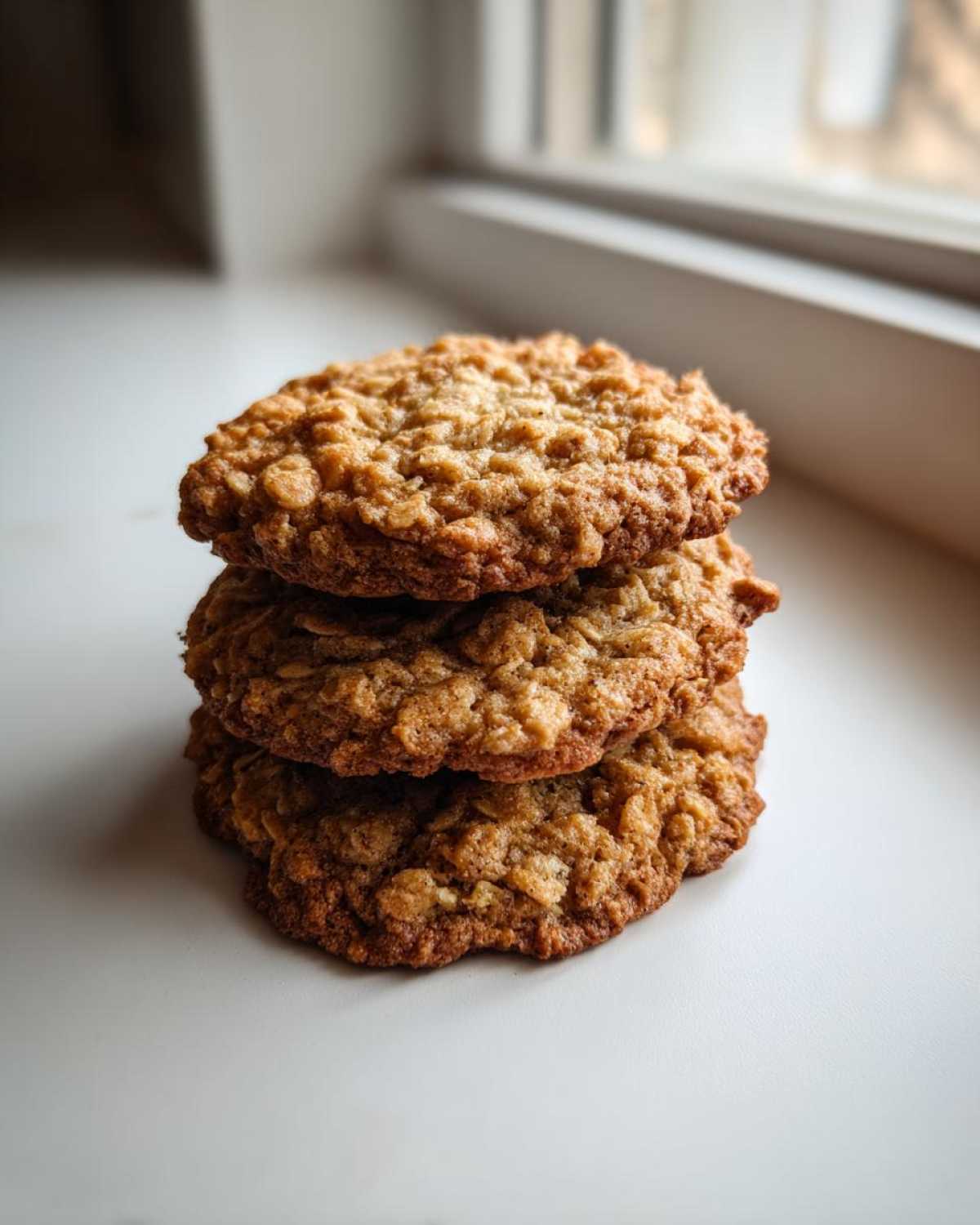
Customizing Your Oatmeal Chocolate Chip Cookies Recipe Variations
Honestly, who says a cookie has to be just one thing? While the plain version of this oatmeal cookie is divine, my competitive spirit means I always try to sneak in something extra. That’s why, when you get to Step 6 in the instructions, you have permission to go wild!
If you’re craving classic comfort, this is your moment for the oatmeal chocolate chip cookies recipe. Dump in a whole cup of your favorite chips—I usually do half semi-sweet, half milk chocolate just for fun. If you’re feeling more traditional, toss in the raisins. Just make sure you soaked them a bit first so they plump up instead of drying out your cookie!
I’ve also made batches using white chocolate and pecans, and they were incredible. Think about what you love to dip into your milk, and add it right there before you scoop the dough onto the sheet. This recipe is so sturdy, it handles any add-in beautifully. Check out my recipe for peanut butter cup cookies if you want even more ideas on mix-ins!
Expert Tips for Perfect Oatmeal Cookie Results Every Time
You’ve got your batch in the oven, but maybe you’re already thinking about batch number two, or maybe you want to adapt this classic oatmeal cookie recipe for next time. That’s the spirit! Chef Tariq always taught us that great baking is about understanding the ingredients, not just following steps blindly. Having these few pointers locked down means you’ll get the best result every single time you reach for the oats.
For instance, the recipe calls for old-fashioned rolled oats, which give you that substantial, wonderfully chewy bite. If you’re looking for an even softer, almost cake-like cookie—or if you’re in a rush—you can swap them out for quick oats. Quick oats break down a bit more during baking, leading to a tenderer result. You can even blend about half a cup of the rolled oats into a coarse flour first; it helps bind the dough and makes for a ridiculously moist oatmeal cookie!
Troubleshooting Common Oatmeal Cookie Issues
Sometimes, even with the best intentions, cookies don’t behave. If your cookies spread out super flat before they even start to set up, usually it means one of two things: your butter was too warm, or you accidentally added too much liquid somewhere along the line. Make sure that butter is only soft, not liquidy! In the future, chill your dough for 15 minutes before baking if you suspect it’s too warm.
On the flip side, if you pull them out and they are tasting dry or too hard the next day, you know immediately: you baked them too long. For those perfect, moist oatmeal cookies, pull them when the center still looks a little doughy. They’re baking on residual heat, I promise! It’s the difference between a good cookie and the best chewy oatmeal cookies your friends will ever try. If you really want that crispy edge, just pop them back in for an extra minute or two, but watch them like a hawk! If you’re interested in maximizing buttery flavor, you might want to check out my thoughts on brown butter next time.
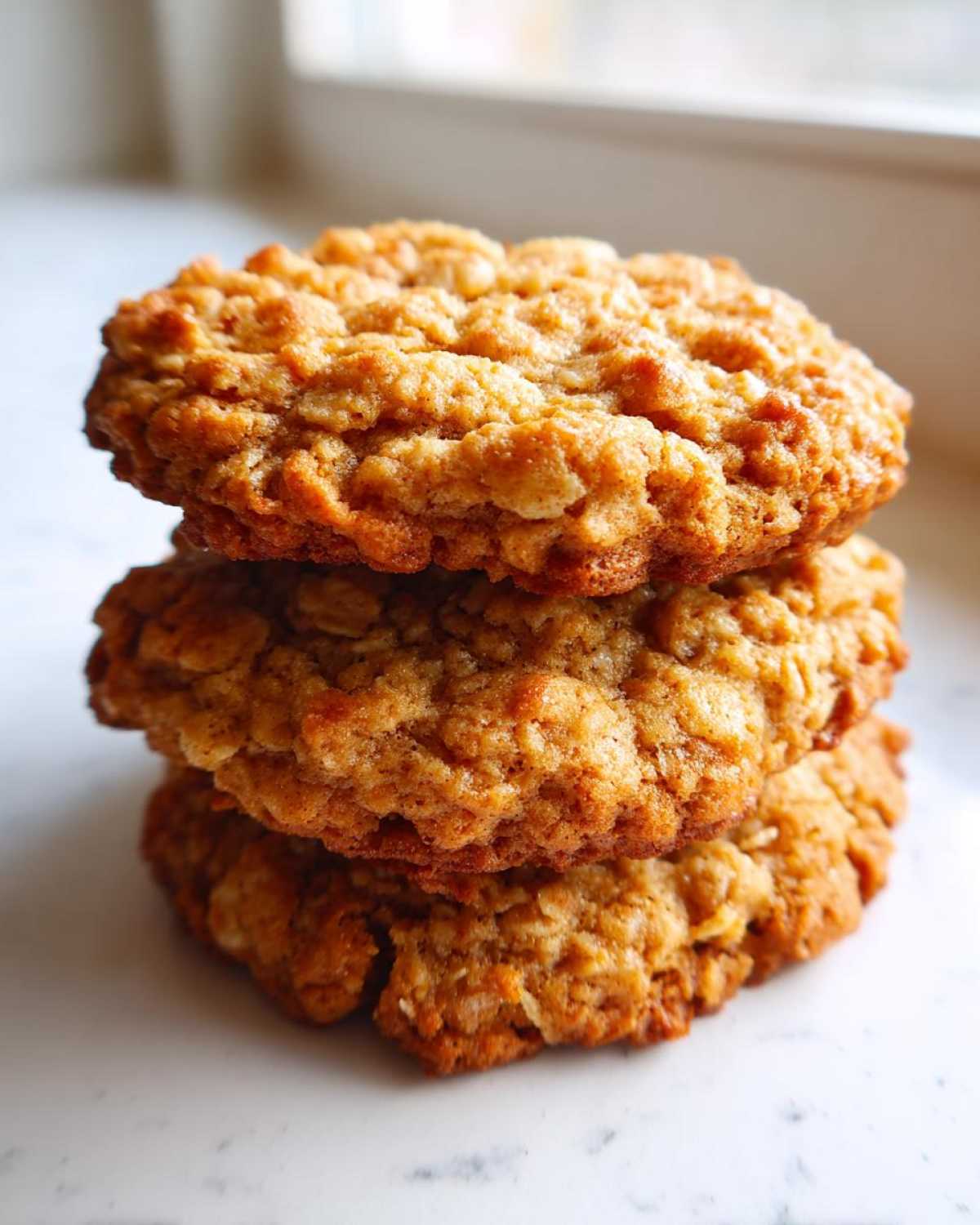
Storage and Reheating for Moist Oatmeal Cookies
We all want these moist oatmeal cookies to taste just as good on day three as they did fresh from the oven, right? Because this recipe is packed with brown sugar, they hold up really well! Once they are completely cooled—and I mean totally cool, or the steam will make them soggy—stack them in an airtight container. Don’t use plastic wrap directly on them; go for a rigid container with a good seal.
I rarely refrigerate them unless the kitchen is super humid, because the fridge dries out baked goods. Keep them on the counter for up to four days for that perfect chewiness. If you need a reminder on keeping desserts warm in the winter, I wrote about my favorite apple cobbler, which talks about heat holding its own!
Frequently Asked Questions About the Classic Oatmeal Cookie Recipe
I know when you find a recipe this good, you have questions! That curiosity is what separates a good baker from a great baker—always asking, “What if?” or “How can I adjust this?” Chef Tariq tells me that answering these little worries up front builds trust, so I gathered the questions I get asked most often about these classic oatmeal cookie recipe beauties.
Can I freeze the dough for these oatmeal cookies?
Oh yes, you absolutely can! Freezing the dough is one of the best ways to ensure you always have a quick and easy cookie recipe ready when a craving hits. I scoop the dough balls right onto a parchment-lined baking sheet, freeze them solid for about an hour, and then transfer them to a freezer-safe bag. When you’re ready to bake, just pull out what you need. You might need to add 1 or 2 extra minutes to the baking time straight from frozen, but they bake up just as wonderfully chewy!
How do I guarantee they stay soft and chewy, not crispy?
This is the big one! If you want the whole batch to be moist oatmeal cookies through and through, focus on two things. First, using packed light brown sugar—that molasses is your friend for chewiness. Second, and this is non-negotiable: do not overbake them! If you see them fully set and flat, they’re already crossing the line into crispy territory. For the softest centers, pull them when the edges are golden but the center still looks slightly pale or unset. They firm up beautifully on the pan.
What happens if I skip the vanilla extract?
Honestly, in a pinch, you can skip the vanilla, but you’ll lose a little layer of depth. Vanilla is really there to enhance the flavors of the butter and the oats—it acts like a flavor amplifier. If you absolutely have to skip it, don’t worry; the cookies will still be great! But if you’re looking to make this a true homemade oatmeal cookies from scratch masterpiece, keep that vanilla in there. You could try using almond extract for a different twist, too, if that’s what you have on hand.
Can I use quick oats instead of old-fashioned oats?
You can, and it totally changes the texture! Old-fashioned rolled oats give you that nice structural chew where you can actually feel the oats. If you use quick oats, the resulting cookie will be much more uniform, softer, and almost cake-like. It’s less of a hearty oatmeal cookie and more of a tender, uniform bite. My suggestion, if you like the heartiness of rolled oats but want a little extra softness, is to follow the expert tip: grind about half a cup of those rolled oats into a coarse flour first, then mix them in with your dry ingredients! It’s brilliant.
If you’re interested in more tips on perfecting your baking techniques, I break down a few more technical points over on my guide to making creamy white chicken enchiladas—yes, I know, totally different food, but the principles of blending fats and liquids are surprisingly similar!
Serving Suggestions for Your Oatmeal Cookie Dessert
So, you’ve pulled the perfect batch of oatmeal cookies out of the oven, and they’re cooling just right. Now what? You can certainly devour them standing over the cooling rack like I sometimes do, but these deserve a proper send-off! Because we kept these cookies focused on butter, brown sugar, and oats—skipping heavy spices like cinnamon—they are incredibly versatile.
If you’re leaning into the whole comfort food baking vibe, nothing beats these with a giant glass of very cold milk. I’m a whole milk purist when it comes to classic cookies, but Amara loves dipping hers into her coffee. The slight crunch of the edge softening in the warm liquid is just heavenly.
When fall hits, these cookies fit right into that cozy dessert theme. They are the perfect counterpart to something richly flavored. Imagine serving one alongside a warm slice of apple cake or maybe a big mug of something decadent. Speaking of decadent, if you want to take your cozy drink game up a notch, you have to see the recipe I worked on for boozy hot chocolate. That recipe is serious comfort!
Even if you’re making something lighter, maybe one of those healthier oatmeal cookie variations, these still shine bright on their own. They’re truly an anytime snack that tastes like home.
Nutritional Estimate for One Oatmeal Cookie
So, you want to know what you’re snacking on? I totally get it. We focused on making these the best chewy oatmeal cookies possible, which means the fat and sugar content is definitely there to make them delicious! But when it comes to something this good, sometimes you just have to embrace the joy, right?
Here is the nutritional estimate I worked up based on the standard ingredient list—no mix-ins, just the base recipe. Remember, since we are baking from scratch, these are all just ballpark figures. If you swap out butter for oil or use less sugar, things change!
These numbers are based on a yield of 24 cookies:
- Calories: 180
- Fat: 9g
- Carbohydrates: 23g
- Sugar: 12g
- Protein: 3g
See? Not bad for a truly satisfying homemade oatmeal cookie from scratch! If you’re counting macros or trying to keep sugar down, you can always tweak based on my expert tips earlier on substitutions. If you want something similar but a bit lighter on the sweet side, check out my recipe for banana oatmeal muffins; they use natural sweetness, though they won’t have that same classic cookie chew!
PrintThe Best Soft and Chewy One-Bowl Oatmeal Cookies
Make the best homemade oatmeal cookies from scratch. This easy, one-bowl recipe yields cookies that are perfectly soft and chewy in the center with slightly crisp edges. You can easily customize them with chocolate chips or raisins.
- Prep Time: 15 min
- Cook Time: 12 min
- Total Time: 27 min
- Yield: 24 cookies
- Category: Dessert
- Method: Baking
- Cuisine: American
- Diet: Vegetarian
Ingredients
- 1 cup (2 sticks) unsalted butter, softened
- 1 cup packed light brown sugar
- 1/2 cup granulated sugar
- 2 large eggs
- 1 teaspoon vanilla extract
- 1 1/2 cups all-purpose flour
- 1 teaspoon baking soda
- 1/2 teaspoon salt
- 3 cups old-fashioned rolled oats
- 1 cup mix-ins (optional: chocolate chips or raisins)
Instructions
- Preheat your oven to 350°F (175°C). Line baking sheets with parchment paper.
- In a large bowl, cream together the softened butter, brown sugar, and granulated sugar until the mixture is light and fluffy. This is your first step to achieving the best chewy oatmeal cookies.
- Beat in the eggs one at a time, mixing well after each addition. Stir in the vanilla extract.
- In a separate bowl, whisk together the flour, baking soda, and salt.
- Gradually add the dry ingredients to the wet ingredients, mixing on low speed until just combined. Do not overmix.
- Stir in the rolled oats by hand. If you are adding chocolate chips or raisins for oatmeal chocolate chip cookies recipe variations, mix them in now.
- Drop rounded tablespoons of dough onto the prepared baking sheets, spacing them about 2 inches apart. For thicker cookies, press the dough balls down slightly.
- Bake for 10 to 12 minutes, or until the edges are set and lightly golden. For soft baked oatmeal cookies, err on the side of underbaking slightly.
- Let the cookies cool on the baking sheet for 5 minutes before transferring them to a wire rack to cool completely.
Notes
- For an extra chewy texture, use quick oats instead of old-fashioned oats, or blend about 1/2 cup of the oats into a coarse flour before mixing them in.
- If you prefer a slightly crispier edge, bake for an additional 1-2 minutes.
- This recipe works well for breakfast cookies with oats; simply omit the chocolate chips if you prefer a simpler flavor profile.
- If you want to make this a low sugar oatmeal cookies recipe, you can substitute some of the sugar with a sugar substitute appropriate for baking, though texture may change slightly.
Nutrition
- Serving Size: 1 cookie
- Calories: 180
- Sugar: 12
- Sodium: 110
- Fat: 9
- Saturated Fat: 5
- Unsaturated Fat: 4
- Trans Fat: 0
- Carbohydrates: 23
- Fiber: 2
- Protein: 3
- Cholesterol: 30
