

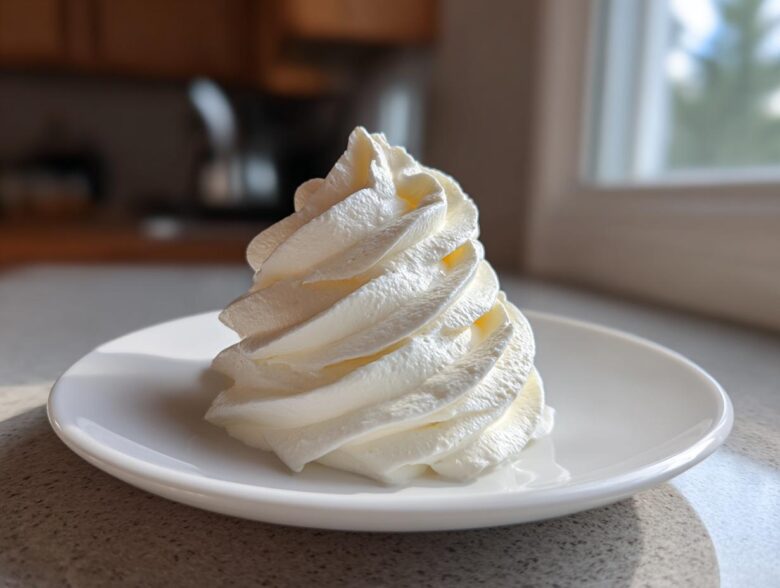
Okay, stop what you’re doing right now! If you’ve ever struggled with chunky frosting that tastes like straight sugar, you are in the absolute right place. Seriously, I’ve tinkered, I’ve tested, and I can now confidently say I have unlocked the secrets to the best classic cream cheese frosting you will ever taste. Forget everything you think you know about icing—this one is outrageously creamy, perfectly tangy, and comes together faster than you can find your mixer attachments. If you want a glimpse into another amazing frosting, check out my recipe for vanilla buttercream frosting, but trust me on this one: this is the easiest and most reliable recipe out there for that gorgeous, smooth coating every single time. It’s magic, I tell you!
Why This Is The Best Classic Cream Cheese Frosting Recipe
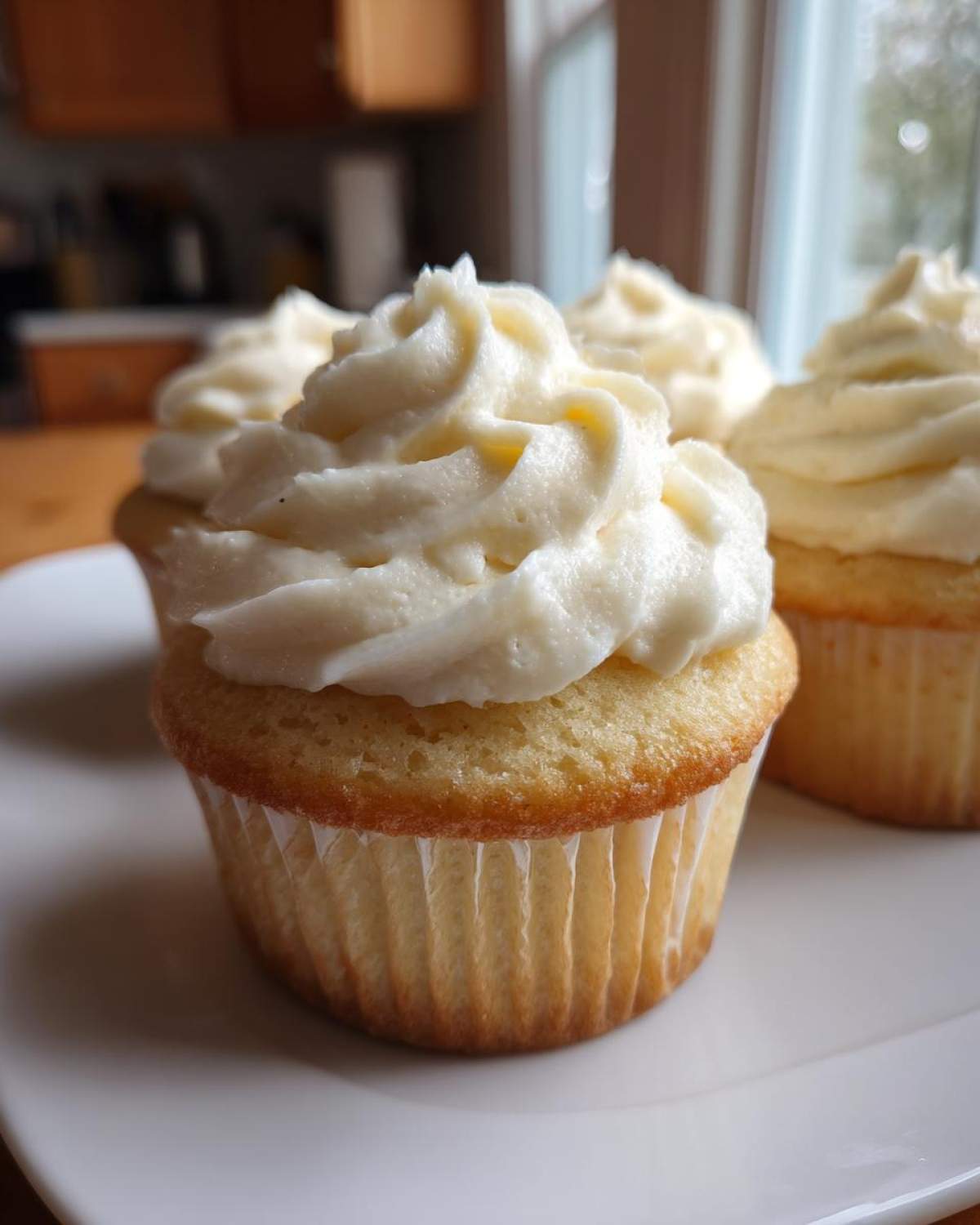
So, why am I shouting about this particular recipe? Because unlike those frustrating batches that end up weirdly grainy or taste like a sugar bomb exploded? This one just *works*. Chef Tariq always preached patience, and that’s key here. We nailed the ratios so you get that signature rich flavor without it feeling heavy. This isn’t just any coating; this is the cream cheese frosting that holds up beautifully for stacking cakes or just drowning your kitchen counter in swirls.
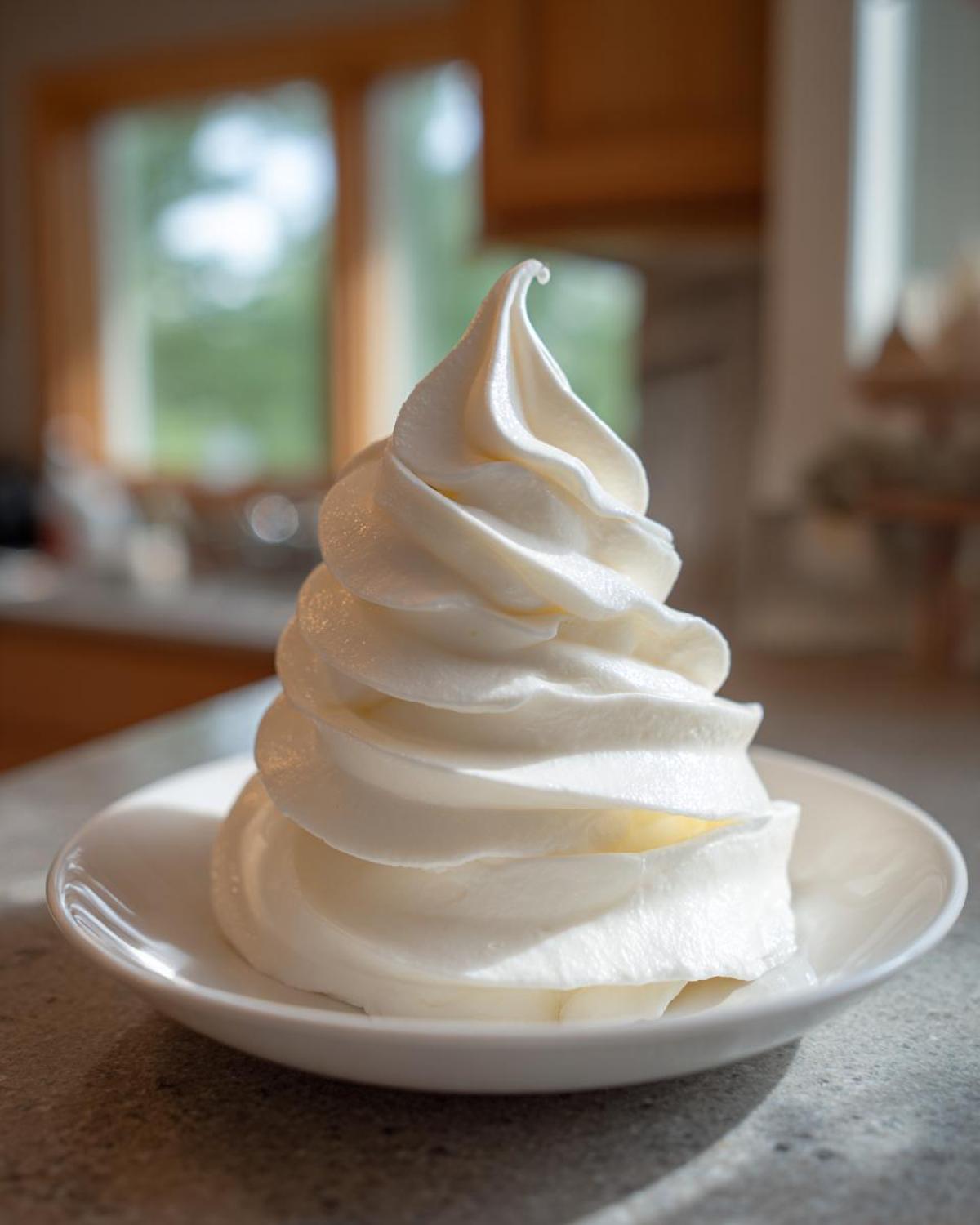
Here’s why you can trust this method:
- It tackles the lump issue head-on! No more scraping tiny cream cheese pebbles out of the bowl.
- It has that perfect sweet-meets-sour kick that makes you want to eat it with a spoon.
- It’s surprisingly stable—you can actually pipe it when you need to!
Achieving a Fluffy Cream Cheese Frosting Texture
This is all down to temperature and timing, my friends. If your butter or cream cheese is too cold, you get chunks—period. They won’t incorporate right for a truly fluffy cream cheese frosting. You need everything softened. But the real trick? That final 2-3 minute blast on medium-high speed at the end. That whipping introduces air, lightens the whole batch, and takes it from dense to dreamy.
The Perfect Tangy Cream Cheese Icing Balance
I learned early on that too much powdered sugar makes everything taste flat. We start low with the sugar, just enough to sweeten the dairy, which lets that lovely, slightly sour note from the cheese shine through. If you want a really sharp, adult flavor, try toning back the sugar to just three cups. That creates the most amazing tangy cream cheese icing; it’s amazing on spice cakes!
Ingredients for Perfect Cream Cheese Frosting
When you’re making something this simple, the quality and preparation of the ingredients really matter, folks. It’s a short list, which means every item needs to be spot on! I always grab the full-fat brick of cream cheese—you need that richness, trust me on that. Also, make sure both your cream cheese and butter are truly softened to room temperature. That’s non-negotiable for avoiding lumps!
Here’s exactly what you need for about 2.5 cups of amazing topping:
- One 8-ounce package of full-fat cream cheese (softened, please!)
- 1/2 cup (that’s one full stick) unsalted butter (also softened)
- 3 to 4 cups powdered sugar, and you MUST sift it!
- 1 teaspoon pure vanilla extract
- 1/4 teaspoon salt
If you’re interested in the science behind savory dips that nail rich dairy flavor, you might want to check out my recipe for easy creamy beer cheese dip. It uses similar rules for getting that smooth texture!
How to Make Quick Homemade Cream Cheese Frosting
This is where the magic happens, and honestly, it’s so fast you’ll wonder why you ever bought the canned stuff! You can have this quick homemade frosting ready to go in under ten minutes flat. The key to skipping the frustration is taking your time on the first two steps. Don’t rush the mixer once the sugar starts going in!
Here is the exact process I follow every single time:
- In a big bowl, you need to beat that perfectly softened cream cheese and butter together until they look like one unified, creamy thing. Listen, I cannot stress this enough: stop the mixer often and scrape down the sides! If you miss spots, those stubborn cold chunks become lumps later. We are aiming for perfection, not lumps!
- Toss in your vanilla and salt, then beat just to combine them into the creamy base.
- Now, start adding that sifted powdered sugar, one cup at a time. Keep the mixer speed low while you introduce the sugar so it doesn’t explode all over your kitchen.
- Once all the sugar is in, crank that baby up to medium-high and let it whip for a solid 2 to 3 minutes. This is the key to making it light and airy!
- If it’s too soft, pop in a bit more sugar or chill it for about 15 minutes. Then, get spreading right away!
Seriously, making enchiladas seems complicated compared to this frosting—though if you need a good savory dairy recipe, my creamy white chicken enchiladas recipe is killer!
Mixing the Base for Smooth Buttercream Alternative
The reason this works so well as a smooth buttercream alternative is that initial step. You are essentially just creaming fats, just like in buttercream, but with that added tang. You need zero resistance when you push your spatula against the side of the bowl before you add the sugar. If you see any streaks of separate butter or cheese, keep mixing! A grainy base means a grainy finished product, and we absolutely cannot have that.
Whipping for Fluffy Cream Cheese Frosting
Once you’ve added all that sugar—and remember, it has to be sifted!—you need to step away for a minute and let the mixer do the hard work. That final high-speed whipping isn’t just for looks; it’s incorporating crucial air. This process is what gives you that truly fluffy cream cheese frosting that tastes light instead of heavy and overly dense. It transforms the texture completely!
Tips for Pipeable Cream Cheese Frosting Success
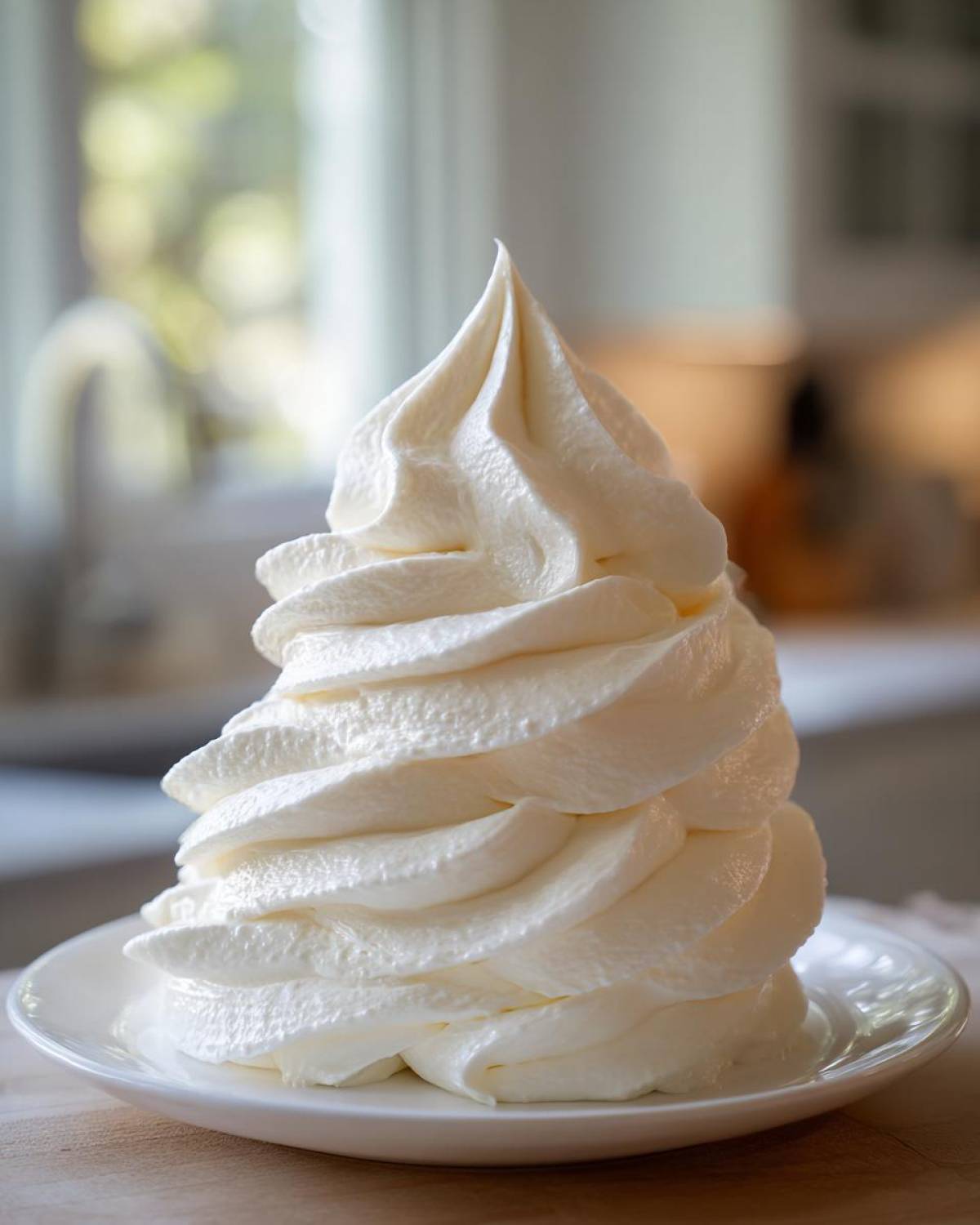
Okay, you’ve made the most glorious batch of cream cheese frosting, and now you want it to stand up tall on those cupcakes or look sharp on that birthday cake. We can totally do that! The biggest tip I can give you that I learned from trial and (lots of) error is that temperature matters right up until the end. If you’re worried about it sinking or oozing, that means you need to check the consistency after that final whip. It should feel firm, almost like thick peanut butter, if you plan on doing detailed piping.
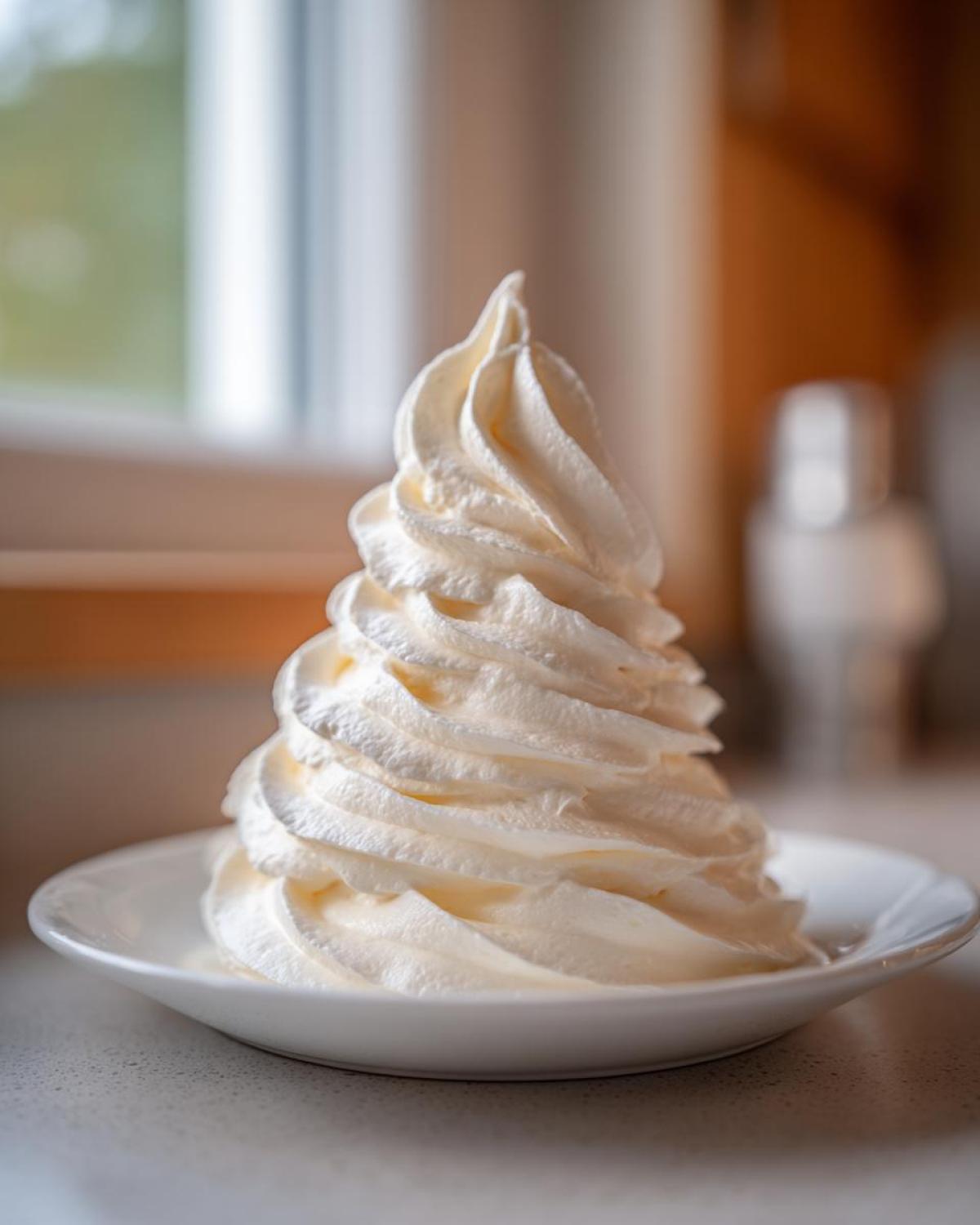
If, by chance, you’re dealing with a slightly too-soft scenario—maybe your kitchen is just too warm—don’t panic and dump in more sugar! That just makes it gritty. Instead, cover the bowl tightly and pop it in the fridge for about 15 minutes. Chilling is the secret weapon for getting that perfect pipeable cream cheese frosting. When you pull it out, give it a quick 30-second whisk on low speed before you load up your piping bag. For other stable decorating ideas, you might want to check out my guide on sturdy royal icing!
Versatile Uses for Your Cream Cheese Frosting
This is the kind of topping that begs to be used on everything, not just the cake you planned it for! I mean, we love it on classic carrot cake, of course, but this specific recipe shines when paired with richer flavors. If you’re making a dessert for a potluck, you need this recipe in your back pocket. It’s truly the perfect frosting for red velvet cake; the tang cuts right through that cocoa richness beautifully.
But for me? My personal obsession is using this spread for cream cheese frosting for cinnamon rolls. Oh my goodness. When those hot buns come out of the oven, and you slather this fluffy, slightly melting stuff over them? That’s when you know you’ve made something special. I made a huge batch last weekend just to top our weekend batch of soft, gooey cinnamon buns, and the whole batch vanished before noon on Sunday!
It’s thick enough to handle decorating but melts just enough when spread warm onto pastries. It’s the ultimate upgrade for almost any simple baked good. You can even thin it a bit for a luscious drizzle over bundt cakes if you want something lighter than a full coating. Seriously, go ahead and try it on a slice of my red velvet cheesecake!
Storage and Reheating Instructions for Cream Cheese Frosting
So, you made too much glorious cream cheese frosting—congratulations, that’s a problem I deal with regularly around here! Luckily, this stuff stores like a champ, though we do have to be a little thoughtful about how we bring it back to life. If you have leftovers, you should definitely keep that beautiful stuff covered tightly in the refrigerator. Because of the dairy content, it’s best consumed within about four days. Don’t even *think* about leaving it on the counter overnight; we need to keep that cream cheese safe!
When you’re ready to use it again, remember that it will be super firm straight from the fridge. You can’t just start whipping it cold! Pull your container out about an hour or maybe even two hours before you plan to frost anything. You want it close to room temperature so it softens up again.
Once it’s softened, give it a quick whisk with your mixer on low speed for just 30 seconds—nothing crazy! This just brings back that light, fluffy texture we worked so hard to create. If you need to freeze it for a future baking emergency—yes, you can do that!—wrap it really, really well in plastic wrap, then put it in an airtight container. It freezes beautifully for up to a month. Thaw overnight in the fridge, then bring it to room temp and whisk before using. Easy peasy!
Frequently Asked Questions About Cream Cheese Frosting
I know you’ve probably got a few lingering questions because getting that perfect finish can feel tricky without the right guidance. I get asked about substitutions or fixing runny batches all the time, so let’s tackle the most common worries right here. We want your results to be as reliable as my kitchen’s results!
How do I prevent my cream cheese frosting from being too runny?
This usually happens if your cream cheese or butter was too warm when you started, or if you used a higher ratio of cream cheese to sugar. If it’s soupy, you need to chill it! Cover it up and let it sit in the fridge for about 15 minutes. If it’s still too soft for piping, introduce another half-cup of sifted powdered sugar until you hit that perfect stiffness. That extra sugar helps stabilize the whole thing, turning it wonderfully pipeable cream cheese frosting!
Can I substitute the butter in this cream cheese frosting recipe?
Honestly, I really, really suggest sticking to the butter listed here. Butter is crucial for that rich mouthfeel and stability—it’s a fundamental part of why this is the best cream cheese frosting. If you absolutely must, you can use shortening cup-for-cup, but you lose a ton of that nice dairy flavor. If you use salted butter instead of unsalted, just make sure you skip adding the 1/4 teaspoon of extra salt we call for!
If you’re looking for other ways to make a quick homemade frosting, I have a great guide on how to whip up mayonnaise from scratch, showing you how simple emulsions can be!
Nutritional Estimates for Cream Cheese Frosting
Now, I know some of you are watching the macros, and some of you (like me!) are just admiring the deliciousness, but it’s good practice to show what’s in our creations. Keep in mind that these numbers are just estimates, okay? They bounce around based on the exact brand of cream cheese you use, how generous you are with that final sugar cup, or if you use salted versus unsalted butter. But for a standard serving size of 1/4 cup, here’s what you can generally expect from this super silky topping:
- Serving Size: 1/4 cup
- Calories: Around 320, give or take!
- Total Fat: Roughly 20 grams
- Saturated Fat: About 12 grams (that’s where the richness comes from!)
- Carbohydrates: Near 36 grams
- Sugar: Roughly 35 grams (yes, it’s frosting!)
- Protein: About 2 grams
- Cholesterol: Around 60mg
For the fine print, you can always check out our official disclaimer page here. But let’s be real: when it tastes this good, you’re not counting carbs anyway, right? Just enjoy!
Share Your Best Cream Cheese Frosting Creations
Now you have the ability to make the absolute best coating for all your desserts! I’m so excited for you to try this recipe. If you whip this up, please leave me a star rating below and tell me what you topped with it—was it carrot cake or those gooey cinnamon rolls?
If you snap a picture, tag us on social media, too. We love seeing your success stories in the kitchen! And if you just want to hang out and look at more amazing recipes, head over to the main Savory Skies blog!
If you’re looking for more great frosting inspiration, you should absolutely check out the lovely version shared over at Simple Joy!
PrintThe Best Classic Cream Cheese Frosting: Smooth, Tangy, and Pipeable

You need this recipe for the best classic cream cheese frosting. It is smooth, creamy, tangy, and holds its shape perfectly for piping on cakes, cupcakes, or spreading on cinnamon rolls. This easy recipe comes together in minutes.
- Prep Time: 10 min
- Cook Time: 0 min
- Total Time: 10 min
- Yield: About 2.5 cups
- Category: Dessert Topping
- Method: Mixing
- Cuisine: American
- Diet: Vegetarian
Ingredients
- 1 (8 ounce) package full-fat cream cheese, softened to room temperature
- 1/2 cup (1 stick) unsalted butter, softened to room temperature
- 3 to 4 cups powdered sugar, sifted
- 1 teaspoon pure vanilla extract
- 1/4 teaspoon salt
Instructions
- In a large bowl, use an electric mixer to beat the softened cream cheese and butter together on medium speed until the mixture is completely smooth and creamy. Scrape down the sides and bottom of the bowl frequently to prevent lumps.
- Add the vanilla extract and salt. Beat until just combined.
- Gradually add the sifted powdered sugar, one cup at a time, mixing on low speed until incorporated.
- Once all the sugar is added, increase the mixer speed to medium-high and beat for 2 to 3 minutes until the frosting is light, fluffy, and smooth. This whipping step is key for a non-lumpy texture.
- If the frosting seems too soft for piping, add the remaining 1/2 cup of powdered sugar or chill it for 15 minutes before using.
- Spread or pipe immediately onto your cooled cakes, cupcakes, or cinnamon rolls.
Notes
- For the smoothest frosting, ensure your cream cheese and butter are truly at room temperature. Cold ingredients cause lumps.
- Sifting the powdered sugar removes small clumps before they enter your mixture.
- If you want a tangier flavor, reduce the powdered sugar to 3 cups. For a sweeter frosting, use 4 cups.
- This frosting is excellent for red velvet cake and makes a perfect topping for cinnamon rolls.
Nutrition
- Serving Size: 1/4 cup
- Calories: 320
- Sugar: 35g
- Sodium: 110mg
- Fat: 20g
- Saturated Fat: 12g
- Unsaturated Fat: 8g
- Trans Fat: 0.5g
- Carbohydrates: 36g
- Fiber: 0g
- Protein: 2g
- Cholesterol: 60mg
